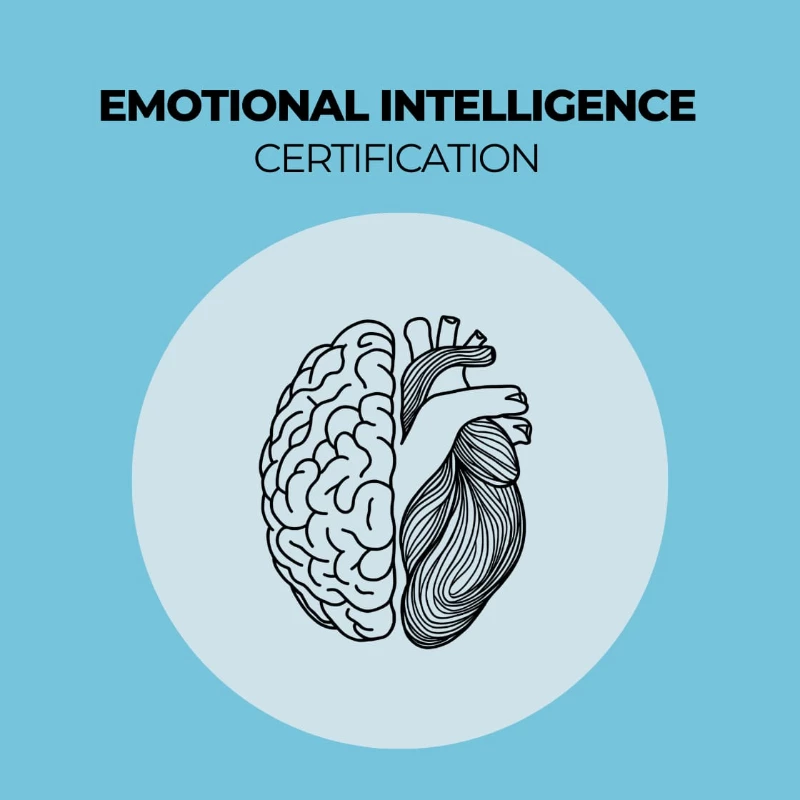
Emotional intelligence in the workplace is a practical, learnable set of skills that helps you understand emotions—yours and others’—so you can build trust, collaborate smoothly, and create a more grounded workplace culture. Put simply: EQ at work is noticing what’s happening inside you, reading what’s happening around you, and responding with intention rather than impulse.
Most practitioners describe four domains you can strengthen over time: self-awareness, self-management, social awareness, and relationship management. These show up in everyday moments—naming what you feel, staying steady in a tense conversation, sensing a team’s mood, and communicating clearly when stakes are high.
In evidence-informed settings, EQ training is linked to meaningful benefits for individuals and teams who practice consistently. And when leaders develop stronger emotional skills, they often create conditions for steadier results and healthier culture.
That matters because EQ shapes how work actually feels day to day. High-EQ environments tend to have fewer conflicts and more adaptability. Emotional skills also predict positive outcomes beyond raw cognitive ability. For holistic practitioners, that often looks like clearer agreements, calmer conversations, and a pace you can sustain.
Key Takeaway: Emotional intelligence is a trainable workplace skill that supports performance and well-being by helping you notice patterns, regulate in real time, and communicate clearly. When practiced daily and reinforced through feedback and reflection, EQ strengthens trust, reduces conflict, and makes boundaries and collaboration feel steadier under pressure.
Step 1: Treat Emotional Intelligence as a Core Business Skill
EQ isn’t a “nice-to-have.” It’s a core business skill that quietly influences everything: how your work evolves, how strong your professional relationships become, and how resilient your day feels when things get busy.
Across roles and industries, emotional intelligence is closely tied to performance. In fact, emotional intelligence can account for up to 58% of success in various roles—one reason it’s worth training as deliberately as you’d train strategy or technical craft.
From a holistic lens, EQ also acts as a protective layer. It supports self-regulation, empathy, and social connection—skills that matter beyond technical expertise. Higher emotional intelligence is also associated with lower burnout. Essentially, when you build emotional capacity, you’re more able to hold steady boundaries and avoid carrying work emotions long after the day ends.
Step 2: Map Your Emotional Patterns at Work Before You Change Them
Before you try to “fix” anything, observe. Think of your reactions as information: patterns you can learn from, not flaws to judge. Once you see your triggers clearly, you can choose practices that fit your real life.
Start with a one-week log of moments when your energy spikes or dips. Note the trigger, body sensations, the story you told yourself, and what you did next. Structured reflection can support emotional development; a study found improvements after structured reflection.
Then add a gentle reality check: ask two colleagues (and, if relevant, a supervisor) where you’re strongest and where you wobble—especially during deadlines, feedback, or conflict. Combining honest self-reflection with supportive feedback is associated with measurable gains in emotional intelligence over time.
To make it practical, capture three things on one page: your top triggers, your early warning signs, and two healthy responses for each. As Marshall Rosenberg reminded us, “We are dangerous when we are not conscious of our responsibility for how we behave, think, and feel.” Awareness gives every next step somewhere solid to land.
Step 3: Build Daily Self-Awareness as Your Grounding Practice
Self-awareness is the bedrock of EQ at work. When you can name what you’re feeling and why, you’re far more likely to respond in ways that protect both your energy and your relationships.
In practical terms, self-awareness means recognizing emotions and how they influence your behavior, understanding your strengths and limits, and staying anchored in who you are. Many people build this with short daily rituals: one minute of breathing, one minute to name three precise feelings, and one minute to choose the next wise action.
Traditional lineages have long emphasized the power of deliberate reflection, and modern workplace findings often echo that wisdom. A brief daily reflection practice has been linked with improvements in emotional intelligence and mindfulness when done consistently.
There’s also a simple traditional truth here: when you name an experience, it softens. In workplaces, emotional literacy (having accurate words for what you feel) supports clearer communication and less reactivity. Feeling word lists or “emotion cards” can help. As Daniel Goleman notes, “emotional self-awareness is the building block of… being able to shake off a bad mood.”
Step 4: Practice Emotion Regulation in the Moments That Test You
Self-awareness shows you what’s happening; self-regulation helps you work with it in real time. Let everyday pressure—tight deadlines, tense emails, pricing conversations—be the place you practice.
When you feel the surge, try three steps:
- Pause before responding.
- Breathe low and slow for a few cycles.
- Update the story you’re telling yourself about what’s happening.
These steps reflect common EQ training approaches such as mindfulness, breath regulation, and cognitive reframing. Workplace-focused EQ training can support burnout prevention by helping people notice patterns earlier and respond more constructively.
Over time, these skills improve stress coping and are linked to stronger workplace satisfaction—especially when organizations reinforce EQ as part of well-being, not as a one-off event.
“Frustration means you are on the verge of a breakthrough.” – Kathleen Spike
Many high-pressure environments also train early-warning signs (like shallow breathing, clenched jaw, racing thoughts) and de-escalation skills. Evidence suggests structured de-escalation can reduce the intensity of conflict. For holistic practitioners, that translates into conversations that feel cleaner, shorter, and far less draining.
Step 5: Expand Empathy and Social Awareness with Everyone You Work With
As your inner landscape steadies, EQ naturally turns outward. Empathy and social awareness help you sense what others are experiencing, so you can choose responses that keep dignity intact—especially when you disagree.
Social awareness includes:
- Empathy (sensing and honoring others’ feelings)
- Reading nonverbal cues and tone
- Tracking group dynamics and unspoken tensions
A simple practice is active listening: reflect back what you heard, name the emotion you sense, and ask one clarifying question—then pause long enough for a real answer. These approaches are commonly used to strengthen empathy and social skills that support workplace success.
Empathy is not only kind—it’s effective. Emotionally skilled leaders tend to foster more supportive environments, which can reduce emotional exhaustion and reinforce well-being. Working across different roles and cultures can also stretch social awareness over time, because it exposes you to different communication styles and emotional norms.
“Judgments and opinions are debatable, feelings are not.” – Myron Doc Downing
Step 6: Use Emotional Intelligence to Communicate Clearly and Set Boundaries
Empathy without expression can lead to overextending yourself. Relationship management is where EQ becomes visible: feedback that lands well, agreements that stay aligned, and boundaries that protect the relationship rather than strain it.
At its core, relationship management is about influencing with care, navigating conflict, and staying connected through clear language. That’s why many EQ workshops use role-plays and de-escalation scripts—rehearsal makes calm communication more available when pressure rises.
Here are lightweight scripts you can adapt today:
- Clean feedback: “When [specific behavior] happened, I felt [emotion]. What I’m asking is [clear request]. How does that land for you?”
- Boundary with care: “I want to give this the attention it deserves. I’m at capacity today. Let’s schedule for [timeframe] so I can be fully present.”
- Reset a misaligned agreement: “Our original agreement was [X]. I’m noticing [Y]. To move forward well, the options I see are [A] or [B]. Which one works for you?”
- Pricing and scope clarity: “To deliver [outcome], the fee is [amount] for [scope]. If we keep the fee the same, we’ll need to adjust the scope to [revised scope].”
- Tactful no: “Thank you for thinking of me. I’m not able to take this on. Two alternatives that may help are [resource/option].”
When leaders model direct, respectful communication, concerns get voiced earlier—which supports psychological safety and reduces simmering overwhelm. With practice, boundaries and expectation-setting become less “awkward conversation” and more “normal way we work.”
“Leadership is all about emotional intelligence.” – Rajeev Suri
Step 7: Embed Emotional Intelligence into Your Practice and Team Culture
Personal skill becomes lasting when it turns into culture. EQ sticks when it’s woven into how your work runs: the flow of sessions, team check-ins, and the way decisions get made under pressure.
A simple loop works well:
- Assess where you are (self-checks, light feedback)
- Learn a focused skill (for example, boundaries or de-escalation)
- Apply it in a real situation
- Reflect with a peer or mentor
Repeat monthly. This approach turns concepts into lived interpersonal skills and more resilient habits.
Organizations that take EQ seriously often integrate it into leadership development and everyday rituals. Company-wide focus can reinforce a culture of valuing employees, so EQ becomes shared language rather than a one-time training day.
For team rhythm, mix formats: short learning sprints, live practice, group discussion, and peer circles. Normalize emotion language with small rituals—a weekly check-in, a quick end-of-meeting reflection, or a five-minute “name the emotion” practice. Over time, people often perform better under pressure because they’re not spending extra energy fighting what they feel.
On Naturalistico, this integration matters: continuing professional development sits alongside practical tools that support real client work, so emotional intelligence becomes part of how you design sessions, set agreements, and sustain your own well-being.
Conclusion: Make Emotional Intelligence a Daily Workplace Practice
Emotional intelligence grows like any craft: steady repetition, honest reflection, and supportive community. EQ skills can be taught and strengthened, and workplace learning shows emotional intelligence training can improve interpersonal skills and performance.
Even small, well-designed efforts add up. Short EQ initiatives have been associated with measurable gains in leadership competencies. Pair that with stabilizing habits like journaling, movement, or gratitude, and you reinforce a steadier internal baseline—consistent with findings linking higher emotional intelligence to reduced burnout.
From an ancestral lens, none of this is new: breath before speech, presence before decision, humility before action. The modern contribution is simply new language—and more ways to measure progress. Keep it simple: one minute of breath, one honest check-in, one clean boundary at a time.
As Robert Kiyosaki reminds us, the courage to learn from missteps is at the core of success.
Build your EQ the way you build your craft: with care, consistency, and community—then let your work speak for itself.
Train Emotional Intelligence Skills
Apply these EQ practices with confidence through Naturalistico’s Emotional Intelligence Certification.
Explore Emotional Intelligence →