Supporting vagal regulation gives you a steady, respectful way to help clients shift out of survival patterns and back toward connection—right there in the session. It fits beautifully with traditional breath-and-movement lineages, and it also translates cleanly into polyvagal, nervous-system-informed coaching.
At its core, the vagus is bi-directional—a two-way conversation that influences how the body and brain sense safety, detect threat, and choose a response. Deb Dana’s reminder that our autonomic system is built to survive and thrive naturally shifts the tone of your work: you’re not “fixing” anyone; you’re partnering with intelligent protection and helping it soften when it’s no longer needed.
Many practitioners use HRV as a practical compass because higher HRV often reflects more flexible regulation. And the best part is that many supportive approaches are non-invasive and immediately usable—from breath and movement to gentle ear-based inputs. Early explorations of auricular stimulation point in the same direction: support the vagus, widen choice.
At Naturalistico, the emphasis is integration: modern nervous-system language alongside time-honored practices, guided by ethics, cultural respect, and real coaching outcomes. One community quote captures the spirit well: Polyvagal Theory can feel like “the science of feeling safe enough to fall in love with life.” That’s the arc—skills that help people come back into relationship with themselves and others.
Key Takeaway: Vagus nerve regulation is most effective in sessions when you track autonomic states with clients and apply small, consent-based practices—breath, gentle movement, voice, and interoception—to invite safety and widen choice. Tradition-honoring methods and polyvagal language can work together to support steadier connection.
Seeing states, not symptoms: reading the autonomic story
When you learn to read states instead of chasing symptoms, sessions often become simpler and kinder. You start tracking a living story—how safety, mobilization, and shutdown move through the hour—rather than trying to “solve” a person.
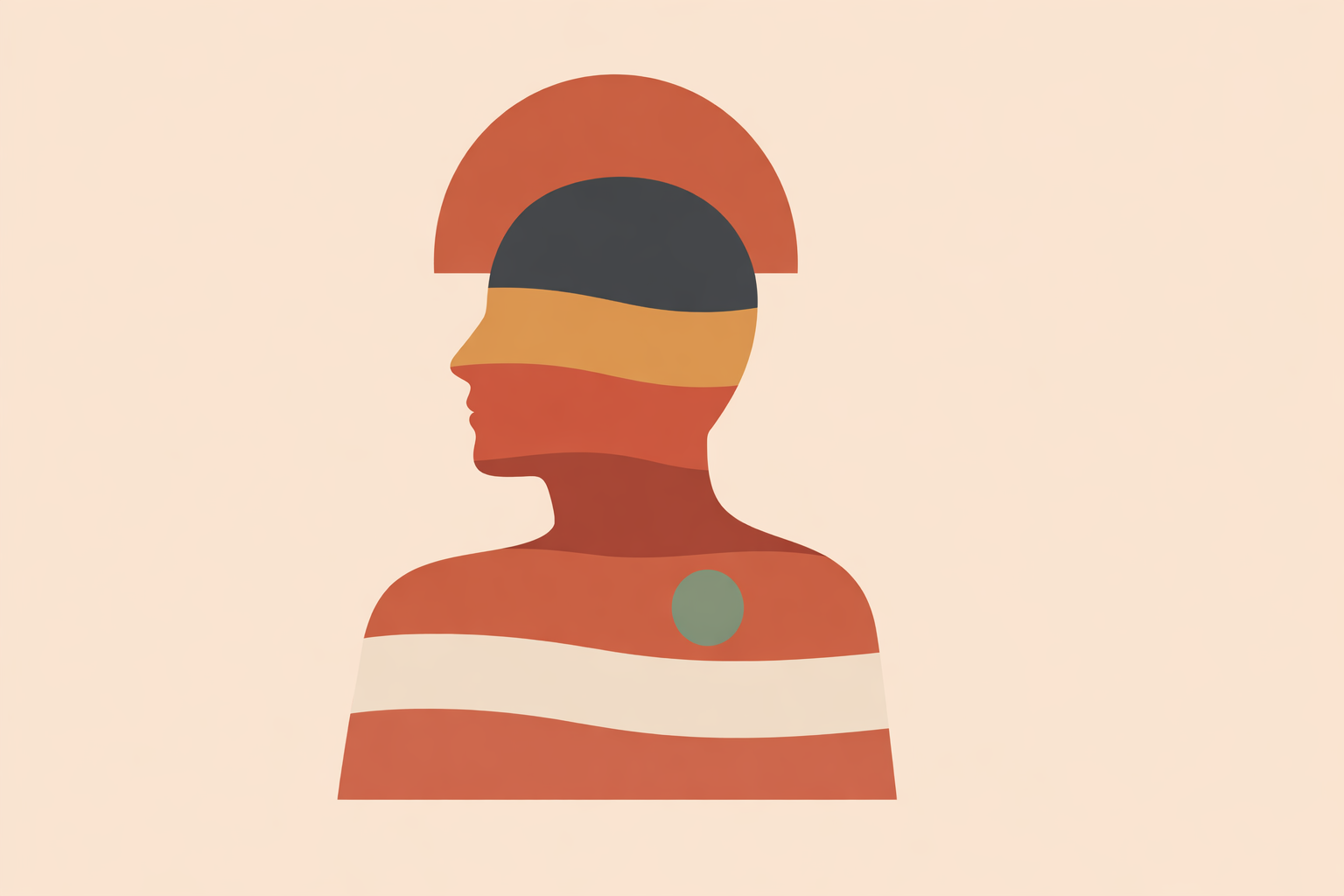
The polyvagal map describes a functional hierarchy: ventral vagal (safety and social connection), sympathetic (fight/flight energy), and dorsal vagal (immobilization). Dana names what many practitioners recognize immediately: when someone feels trapped, the dorsal pathway may pull them toward ancient survival and they can become “immobilized.”
In real sessions, you’ll often see it plainly. Ventral can look like softer eyes, steadier breath, and genuine curiosity. Sympathetic may show up as restless movement, faster breathing, or sharper speech. Dorsal can feel like fog, slumped posture, or a quiet collapse. Naming these patterns brings dignity back into the room: the body is doing its job.
Stephen Porges also highlights how neuroception can misfire—how we can misinterpret safety as threat, or miss danger altogether. A state-first lens helps clients locate where they are on the ladder and choose one small step toward steadiness.
From “what’s wrong” to “what state is here right now?”
This reframing protects dignity and creates choice. Instead of asking clients to override their experience, you can wonder together: What is this nervous system trying to accomplish—and what would help it feel safe enough to soften?
Co-mapping the nervous system with clients
When the polyvagal map becomes shared language, clients can recognize patterns earlier and co-create strategies that actually fit their lives. That shared map also builds self-trust—often the missing ingredient that makes techniques stick.
A sequence many practitioners lean on is the four R’s: Recognize state, Respect the adaptive response, Regulate/co-regulate toward ventral, and Re-story from that steadier place. Dana’s framing of the four R’s keeps you aligned with the body’s wisdom rather than fighting it. When ventral vagal tone comes back online, curiosity and connection naturally return.
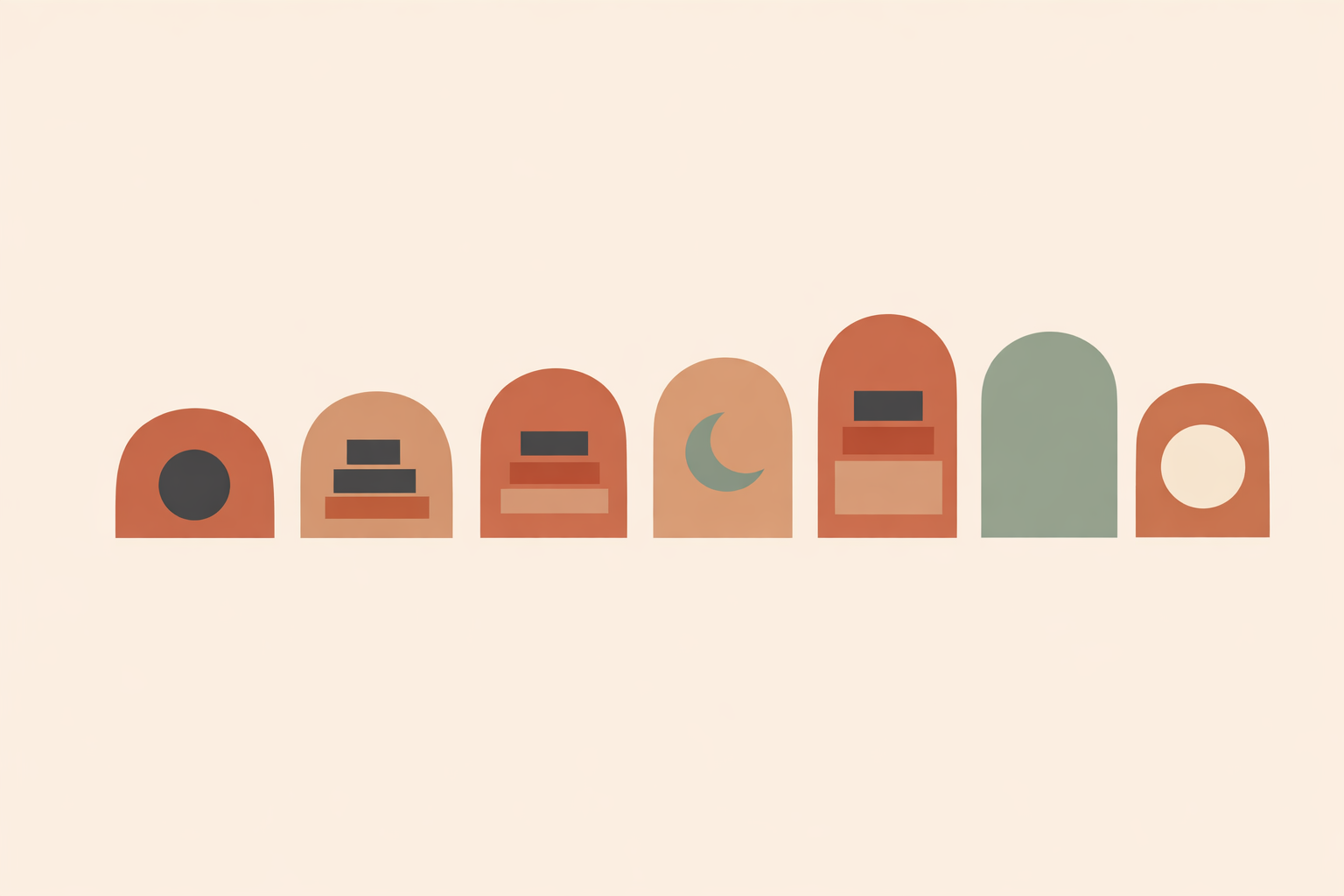
Keep mapping concrete. Notice facial tension or softness, voice tone, breath pace, fidgeting or stillness. Many practitioners use a simple “autonomic ladder” sketch clients can update over time; it becomes a visual record of wins, not just challenges.
Simple in-session mapping conversations
- Locate: “If ventral is the top of your ladder, where are you right now—top, middle, or near the bottom?”
- Describe: “What do you notice in your face, voice, chest, belly?”
- Respect: “Given what you’ve been carrying, this response makes sense. What is it protecting?”
- Resource: “What’s one cue of safety we could invite—breath, posture, sound, movement?”
- Re‑story: “From a bit more ventral, what feels possible now that didn’t five minutes ago?”
Keep it light and kind. Precision matters less than giving clients a felt language they can use between sessions.
Breath-based vagus nerve techniques you can use in session
Breath is one of the most accessible levers for vagal tone. Offered gently and with respect for its roots, it can shift state quickly and reinforce safety from the inside out.
Three anchors work well in a coaching frame: diaphragmatic breathing, coherent breathing (about 5–6 breaths per minute), and slightly lengthened exhalations. Even a few slow breaths can support the vagus nerve and steadier regulation. Slow, rhythmic, diaphragmatic patterns are associated with increased vagal tone and more balanced parasympathetic activation.
Traditional systems like pranayama and qigong have long used slow breathing practices, often emphasizing the exhale to steady the heart and quiet the mind. Polyvagal language doesn’t replace that wisdom—it simply gives a modern lens for what practitioners have observed for generations.
If you like metrics, higher HRV can be a helpful long-term sign of flexibility. But in-session, the body’s cues are often clearer than any number—softer shoulders, warmer eyes, and a steadier voice tell you a lot. As Porges notes, mindfulness tends to unfold best when we’re feeling safe.
Diaphragmatic, coherent, and culturally rooted breathing
- Diaphragmatic reset (2 minutes): One palm on belly, one on heart. Inhale softly through the nose, feel the lower hand rise; exhale like a sigh through the nose or lips, feel the lower hand fall. Pace the exhale a touch longer than the inhale.
- Coherent breathing (3–5 minutes): Inhale 5 seconds, exhale 5 seconds; adjust to 4–6 seconds per side based on comfort. Invite eyes soft, jaw unhooked, shoulders heavy.
- Rooted exhale (1 minute): Inhale gently; exhale as if fogging a mirror, then close the lips and keep that softness. Imagine the exhale pooling down into the belly and hips.
- Lineage honoring: If practicing pranayama or qigong-inspired patterns, name the origin clearly and invite consent. Offer a brief note of gratitude to teachers and cultures that carried these arts forward.
Less is more: pick one practice, dose it small, and notice what changes before adding anything else.
Gentle movement to shift survival energy
When breath opens a window, movement walks you through it. Small, respectful motions can help discharge fight/flight activation and gently thaw freeze—without pushing anyone past their capacity.
Gentle movement can support the body in discharging pent-up stress and easing signs of dorsal shutdown. Movement traditions—yoga, qigong, tai chi, and subtle somatic micro-movements—have long paired attention with breath to widen tolerance; practices like yoga and tai chi have been shown to enhance awareness of bodily sensations in that process.
Polyvagal-informed yoga, in particular, weaves posture, breath, and attention to help the system return toward balance. Vagus-focused yoga approaches use mindfulness, conscious breathing, and physical postures to support vagal balance and resilience.
Think of it like pacing a tide: a little activation, then a pause to feel steadier. That rhythm—move, settle, notice—is where capacity grows.
From fight/flight/freeze to grounded presence
- Orienting (1–2 minutes): Slowly look around the room. Let the head lead, then the eyes. Find three pleasant or neutral sights; notice any softening in breath or jaw.
- Rock and root (2 minutes): Seated, rock pelvis or upper body a few millimeters forward/back. Imagine sand under the sit bones. Pair with longer exhales.
- Push and receive (2 minutes): Press palms into thighs for 5 seconds; release and feel the rebound. Repeat 3–5 cycles. Helpful for channeled sympathetic energy.
- Thawing freeze (2–3 minutes): Micro-movements: tiny ankle circles, soft hand squeezes, eyebrows up/down. Let the body pick one micro-movement and follow it slowly.
Return to breath between each option. When you sense “enough,” pause—stillness helps the nervous system register the gain.
Social engagement and co-regulation techniques
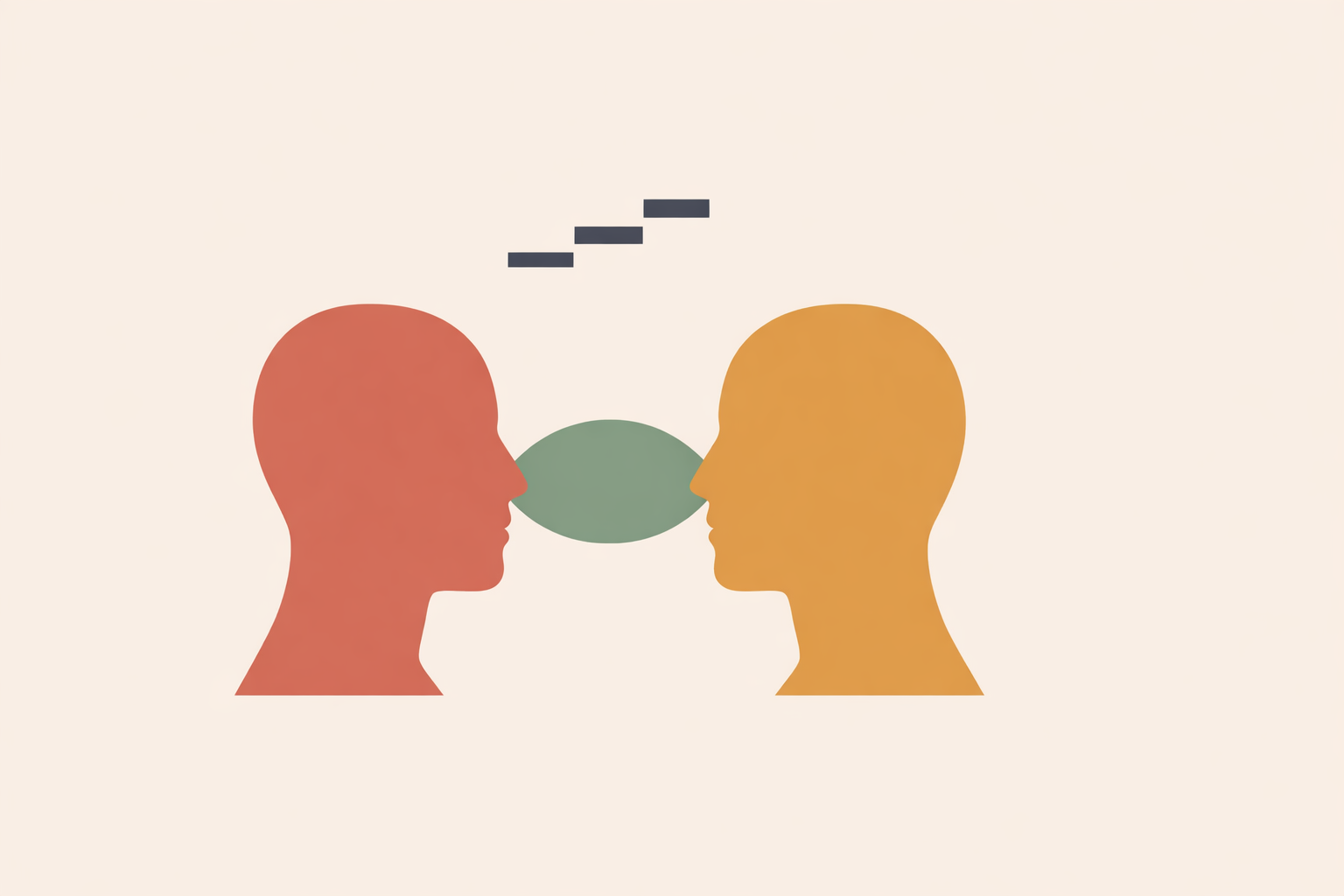
Connection itself is a powerful technique. Voice, face, and simple sound practices can offer safety cues that land more deeply than insight alone.
The ventral branch of the vagus supports the social engagement system—facial expression, middle-ear tuning, and vocal prosody. Humming, gentle chanting, or soft singing can engage these pathways and become reliable regulation tools. Just as important, your steady presence is a primary resource: co-regulation in action. As Porges notes, we find more solutions when we are safe with others, not when we’re braced alone.
Clients don’t need to “perform” to benefit. Tiny shifts in tone, gaze, and pacing can change the whole room—and when the body senses safety, “playing nice” becomes natural rather than forced.
Humming, vocal tone, and relational safety
- Humming ladder (1–2 minutes): Hum a comfortable note for one breath, exhale fully. Rest. Hum slightly higher or lower. Feel the vibration in lips, chest, and throat. This simple humming practice often eases jaw and neck tension.
- Prosody practice (1–2 minutes): Practitioner speaks slowly, warmly, with rising/falling melody. Client mirrors a short phrase. Notice breath and eye softness.
- Call-and-response (2 minutes): Choose a simple syllable (e.g., “ma,” “hum”). You lead one breath of sound; client responds. Keep it playful to engage ventral pathways.
- Regulated presence (ongoing): Soften your gaze, breathe slower than the room, and allow pauses. Your system becomes the metronome.
Touch, interoception, and softening vagal tension
Interoception—tracking inner sensation—helps clients notice early signs of dysregulation and choose support sooner. With clear consent and appropriate scope, gentle touch and body awareness can also soften holding patterns around areas commonly associated with vagal pathways.
Start with sensing skills. Invite clients to notice pulse, breath waves, or “gut feelings” as neutral information. When touch fits your role and training, light contact around the jaw, neck, or upper chest may help soften local tension and make it easier for clients to settle. As Porges reminds us, mindfulness requires feeling safe—so if the body says “not yet,” you honor that.
Many traditional hands-on lineages—such as cranial-focused approaches and marma-inspired points—have long used gentle contact in these regions to invite ease. The modern frame here is simple: steady support, clear consent, and no big promises.
Ethical, culturally sensitive uses of touch and body awareness
- Consent first: Offer clear choices: “Would you like to try light touch on the shoulders? We can also do a no-touch version.”
- Self-touch option: Invite the client to place their own hands—over the sternum, at the jaw hinge, or along the side of the neck—with your verbal guidance.
- Interoceptive scan (2 minutes): “Notice your breath at the nostrils, the throat, the chest, the belly. Which feels most welcoming? Rest your attention there.”
- Release and rest: After any touch or sensing, pause to feel the afterglow—heat, tingling, ease. That’s integration.
Creativity, ritual, and community for regulation
Expression and belonging are powerful supports for the nervous system. When you weave in creativity and simple ritual—while honoring the communities that carry these practices—regulation often becomes more memorable and more lived-in.
Drawing, journaling, and movement offer concrete ways to explore story while shifting state. In groups, long-standing traditions of song, rhythm, and circle practice create shared cues of safety—co-regulation you can feel. As one community voice puts it, Polyvagal Theory helps us feel “safe enough to fall in love with life.”
Modern tools can complement this, too. Emerging work on biofeedback approaches suggests they may help people notice physiological shifts more clearly, which can deepen group attunement when used thoughtfully.
Expressive arts and ancestral practices
- Draw your ladder (5 minutes): Sketch ventral/sympathetic/dorsal as steps. Add colors, animals, or symbols. Mark today’s spot and one small step up.
- Song and sway (3 minutes): Two or three repeating lines, gentle swaying, eyes open or closed. Emphasize consent and cultural respect when borrowing forms.
- Mini-ritual close (2 minutes): Light a candle, name one quality you’re carrying out (ease, steadiness), one you’re leaving (rush, collapse). Blow the candle as a long exhale.
- Community check-in: Simple rounds of “one word for my state” build shared language and normalize ebb and flow.
Conclusion: designing your next vagus nerve regulation session
A simple, repeatable flow tends to work best: meet the client’s current state with respect, choose just-enough practices, and close in a way that helps learning land.
- Arrive and assess (3–5 minutes): Co-map state using observable cues and the ladder. Set a small, state-appropriate intention.
- Educate lightly (2 minutes): Normalize the body’s response; name the next rung toward ventral.
- Practice (8–12 minutes): Choose one breath, one movement, and one social/voice element. Dose small. Track shifts.
- Integrate (3 minutes): Interoceptive pause, brief journaling or drawing, name one take‑home micro-practice.
- Close (1 minute): Appreciation for the body’s effort. Confirm what felt good and what to tweak next time.
Stay aligned with role, consent, and cultural respect, and keep the focus on support rather than promises. Consistency usually matters more than intensity; consistent practice can build steadier resilience over time than occasional “big” sessions.
Train in Polyvagal Therapy
Deepen your session design with the Polyvagal Therapy Certification’s state-based tools and ethical, tradition-honoring practices.
Explore Polyvagal Therapy →