A clear, grounded scope of practice lets a therapeutic arts practitioner use creativity powerfully and respectfully—without drifting into clinical territory. When the lane is clear, it becomes easier to invite meaningful expression while keeping trust intact. Being transparent about training limits, and referring out when needs exceed competence, supports work that is ethical and effective in non-clinical settings.
In many fields, a formal scope exists because it protects both the public and the practitioner. Trauma-informed traditions also emphasize safety through clear communication and consistent boundaries—practices that help maintain trust in any supportive space. Art-based ethical codes commonly highlight participant care and competence, and the Art Therapy Credentials Board’s guidance to avoid harm translates well to well-being-focused, non-clinical work.
Traditional knowledge across cultures has long held that the arts can soothe emotional distress (“the heart”) and steady breathing, especially in ritual and community settings. Modern findings often echo what communities have observed for generations: brief, guided art-making has been associated with cortisol reduction, supporting the long-known calming effect of creative expression. Across cultures, creative rituals have supported grief, celebration, and belonging for centuries. As art therapist Sandra Bertman reminds us, “The great power of the arts is to activate, renovate, and transform” (transform).
Key Takeaway: A therapeutic arts practitioner can confidently guide creative, present-focused practices for well-being while staying transparent about limits, consent, and confidentiality. The work remains ethical and effective when you avoid diagnosis and trauma processing, maintain clear boundaries, and refer out promptly when red flags or clinical needs arise.
Your Scope of Practice: The Creative Safety Container
Think of scope as the circle you draw on the ground before beginning any ritual or creative work. Inside the circle, you can invite honesty and depth; the edges are what keep the space safe and steady.
In practical terms, scope clarifies the services and actions you’re authorized to offer for well-being and personal growth. It helps clarify limits—what you do, what you don’t do, and why. It also gives you a reliable decision filter: when something falls outside the circle, you pause, consult, or refer out rather than improvising past your training.
Ethical codes translate beautifully into daily habits. The ATCB emphasizes competence and commitment to professional standards. EFAT highlights consultation when boundaries feel unclear. Standards like AATQ also stress informing the public so expectations match reality.
“The creative arts provide opportunities to make concrete objects representing feelings and thoughts that are elusive, hidden, and mysterious,” writes Bruce Moon—pointing to the heart of the work: witnessing and meaning-making held inside a respectful, well-defined container.
Naming Your Role: What a Therapeutic Arts Practitioner Is—and Is Not
Your identity shapes your practice. A therapeutic arts practitioner facilitates creative processes for well-being, insight, and growth—while holding clear boundaries around non-clinical work.
The distinction matters. Licensed art therapists are typically trained to an advanced level and are a regulated profession in many regions. Their work commonly includes a clinical remit within broader systems of care. Non-clinical, wellness-focused facilitation is a different lane, with different responsibilities and outcomes.
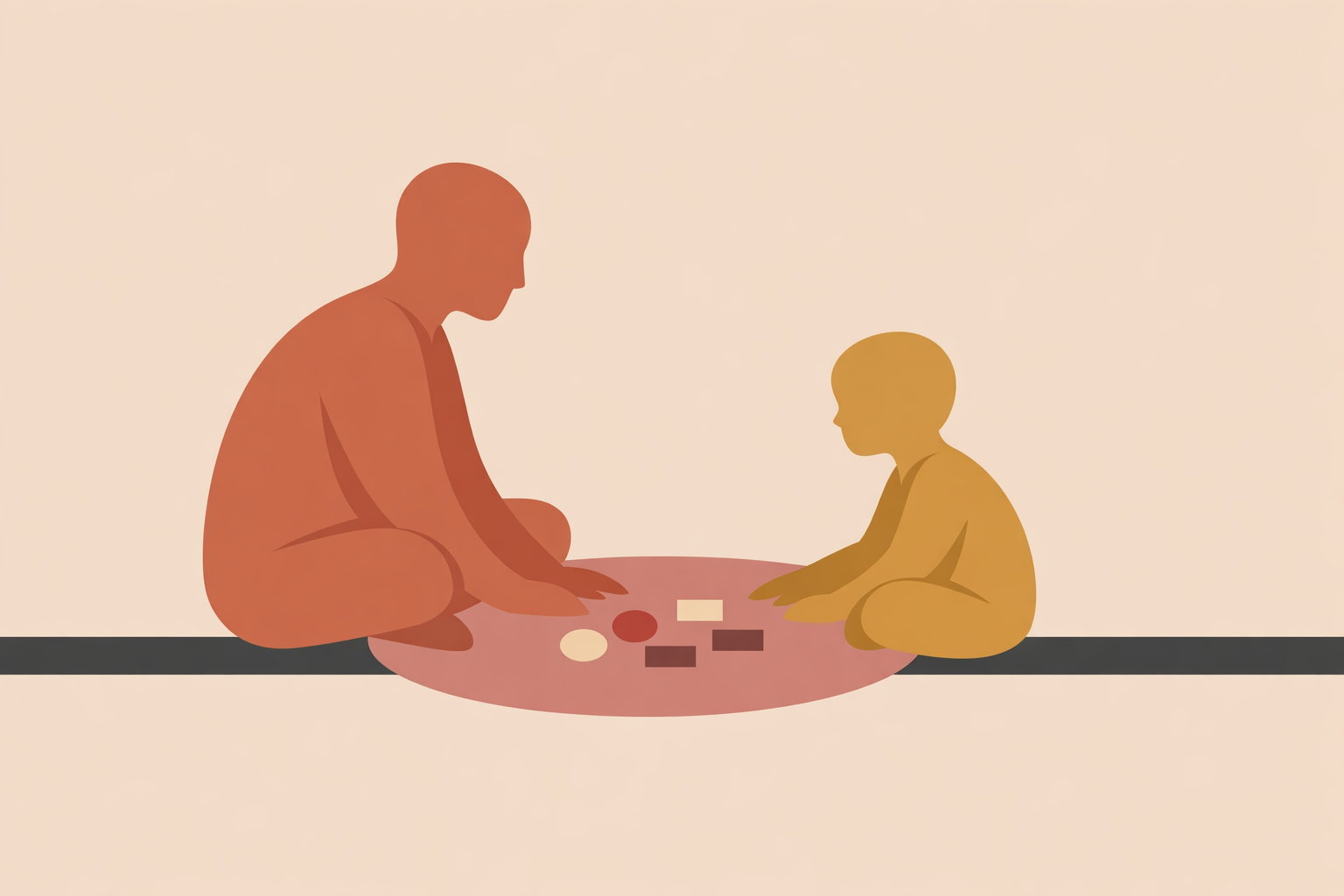
Therapeutic arts practitioners support self-awareness, resilience, and personal meaning through creative practice—without claiming clinical authority. Trauma-informed guidance often emphasizes helping people build strengths and support resilience, which aligns naturally with arts-based well-being work. Put simply: you collaborate rather than prescribe. You invite reflection rather than label or pathologize. Ethical principles from aligned communities reinforce this posture, including autonomy and integrity and compassion.
As Cathy Malchiodi notes, “You will usually discover that the creative process itself is truly the most healing part of any art therapy experience” (creative process). In non-clinical spaces, that wisdom adapts well: practitioners facilitate the process; participants author the meaning.
Inside the Circle: Core Creative Activities You Can Confidently Offer
When your role is clear, the “what” becomes simpler—and more joyful. Within a non-clinical scope, you can guide creative work that builds awareness, steadies emotions, and cultivates supportive habits, without stepping into diagnostic language or clinical claims.
This might include journaling with image-making, guided collage around values, painting to map “emotional weather,” or simple object-making to mark life transitions. The focus stays on process, choice, and reflection. Trauma-informed guidance supports offering present-focused, skills-based practices within a non-clinical scope—which pairs naturally with using art to explore feelings and coping without adopting clinical goals.
Group circles can emphasize connection: art-sharing rounds to practice empathy, collaborative murals for belonging, and ritualized witnessing to normalize emotion. Research summaries associate art-making with reduced stress, and even short sessions have been linked with lower cortisol. People who actively draw also report improved mood compared with those who only view art.
Accessibility often improves when you vary the mediums. Offering varying media—drawing, paint, clay, simple movement, sound, found-object assemblage, or breath-linked mark-making—lets participants choose the channel that feels most natural to their body and temperament.
A clear boundary—don’t diagnose, don’t prescribe, don’t promise cures—keeps the work ethical and scope-aligned. Trauma-informed guidance consistently highlights no diagnosis, honesty about limits, and referrals when needs exceed your role. Within that container, art-making can support mastery and self-regard; Bruce Moon notes it can “inevitably lead[s] to positive self-regard” when held safely.
Holding the Container: Ethics, Consent, and Confidentiality
Trust is built before the first brushstroke. Clear ethics, consent, and confidentiality create steady ground where authentic work can unfold.
Across art-therapy-aligned ethical codes, practitioners are called to uphold welfare, boundaries, confidentiality, and non-harm. In a well-being setting, consent is both a document and an ongoing conversation. Trauma-informed guidance recommends clear consent forms that explain what you’re offering, why you ask certain questions, and how information is used. For non-clinical arts work, that typically includes session flow, likely benefits, possible discomforts, scope limits, privacy practices, and any legal exceptions to confidentiality.
Thoughtful intake and clear agreements help people settle. A sensitive start supports a safe intake and strengthens rapport. Trauma-aware coaching guidance also emphasizes name limits early, so the space can deepen without surprises.
Online circles need extra privacy care. Simple choices—platform awareness, norms around recording, encouraging headphones, and offering alternatives when video or sharing feels exposing—support online safety. As Shilagh Mirgain notes, “Experiencing awe can give us a sense of hope,” and that sense of hope rests on trust in the container.
- Cover consent essentials: purpose, process, boundaries, privacy, fees, cancellations, and referral options.
- Revisit consent when changing depth, methods, or group agreements.
- Hold images and stories as confidential unless you have explicit permission to share.
When Art Isn’t Enough: Red Flags, Referrals, and Staying in Scope
Sometimes the wisest, kindest move is to pause. Recognizing when support needs to shift keeps your work honest and keeps people safe.
The arts are sensory and “multi-channel”—they engage sight, touch, sound, and more—which is part of their strength. That same potency can also bring up overwhelming material, especially when trauma is present. Research describes the multi-channel arts experience as powerful, and trauma-informed guidance notes the importance of responding carefully when warning signs appear. Red flags can include intense or prolonged dysregulation, recurring flashbacks, or dissociation connected to sessions; guidance suggests watching for dissociation signs and seeking additional, specialized support.
Trauma-aware coaching frameworks are clear that non-clinical practitioners can focus on regulation and strengths in the present, but should keep to present-focused work rather than processing traumatic memories or trying to resolve trauma narratives. Another referral indicator is persistent stuckness despite consistent support, which can signal stagnation that needs a different kind of help.
It also helps to set expectations early: naming what you offer, what you don’t, and how referrals work. Clear scope-setting is a form of clear communication that protects everyone involved. Having a ready, updated list of resources supports a strong referral network.
It’s worth remembering why the arts can touch trauma so quickly: “the sensory nature of the arts,” writes Cathy Malchiodi, engages many channels at once—visual, tactile, auditory—which can stir powerful material.
- Have a warm referral script ready: “Your well-being matters. I recommend we bring in X kind of support alongside or instead of our sessions.”
- Offer to collaborate on next steps (within your scope) and check in—without overstepping into clinical roles.
Honouring Lineage in Ancestral and Cultural Arts
Creative practice didn’t begin in studios; it began in kitchens, courtyards, and sacred spaces. Honoring roots keeps this work both ethical and alive.
Ethical standards across aligned fields call for cultural humility—openness, respect, and a willingness to learn from participants’ backgrounds. Expressive arts ethics also emphasize centering participant narratives and symbols rather than imposing our own.
Traditional arts can be profoundly supportive when approached with care for lineage and context. Trauma-informed cultural guidance encourages involving cultural leaders and using traditional practices only when appropriate and respectful. Name where practices come from; cite teachers; invite participants to bring their own songs, motifs, and rituals. Think of it like being a respectful guest in someone else’s home: you don’t rearrange the altar. When drawing from Indigenous or ancestral practices, using a critical lens helps honor original context while keeping what you offer aligned with your role and community.
Across cultures, creative rituals have long supported social cohesion. As Sandra Bertman reminds us, the arts can activate and transform—a power that deserves respect as much as enthusiasm.
- Ask permission, offer attribution, and compensate culture-bearers when appropriate.
- Center participant traditions; invite, don’t appropriate.
- Avoid sacred forms unless you have explicit permission and guidance.
- Translate practices into accessible, non-clinical formats aligned with your scope.
From Theory to Session: Designing a Safe, Scope-Aligned Practice
Good practice is crafted, not improvised. A simple, repeatable session flow—supported by reflection, consultation, and community—keeps your work grounded as it evolves.
Structure helps people settle. Trauma-informed guidance highlights predictable routines and clear boundaries as foundations for safety. Many coaching frameworks use a three-part flow you can adapt: begin with arrival and focus, move into creation and exploration, then close with integration and next steps.
Neuroscience-informed coaching guidance also emphasizes deep listening and resisting the urge to “fix,” which supports self-directed change. Trauma-aware habits—co-creating agreements, asking permission before depth, self-regulation, and knowing limits—align with trauma-aware habits like safety, trust, and empowerment. When something feels complex, seeking reflective support through consultation or supervision is a sign of maturity, not uncertainty.
Bring in small rituals that make sessions feel held: a brief breath, a hand warm-up before creating, a short witnessing circle at the end, and a tangible takeaway (a phrase, a symbol, a simple sketch) to anchor change. Creative practices have been associated with reduce stress across a range of studies. As Frida Kahlo put it, “When I finish a drawing, my anxiety decreases”—a reminder that small acts can shift how we meet the day.
- Session arc: arrive and focus → create and explore → integrate and plan.
- Include consent checkpoints before new methods or deeper inquiries.
- Close with reflection prompts and gentle next steps (not prescriptive plans).
Conclusion: Staying Within Scope With Clarity and Confidence
This craft is humble and powerful. Therapeutic arts practitioners don’t diagnose or promise cures; they accompany people as they discover what their own hands, voices, and images already know. Creative work has been associated with supportive outcomes like steadier mood, better stress coping, and stronger self-esteem—right at the heart of non-clinical practice.
Clarity comes from simple commitments: name your role, build a strong container, honour culture and lineage, and keep referral pathways ready. Let ethics be a living practice, not a one-time reading. Shared values such as shared values—integrity, autonomy, and participant welfare—point to ongoing learning and refinement. When the work deepens, transparent scope and thoughtful referrals protect safety and trust for everyone.
One final note of care: even in well-held spaces, the arts can open big doors. Staying within scope, keeping consent active, and knowing when to pause are what allow the work to remain both brave and steady. With that foundation, expressive art is widely recognized as a pathway to wellness and resilience—and it can keep deepening in a way that’s ethical, supportive, and truly beautiful.
Explore Therapeutic Arts Certification
Build a scope-aligned facilitation approach with Naturalistico’s Therapeutic Arts Certification for ethical, non-clinical creative practice.
Explore Therapeutic Arts →