Every autism support coach eventually meets the same tense moment: a client goes quiet, a parent messages that a “meltdown” is starting, or a capable adult says, “I can’t,” and everything tightens. You’re expected to help quickly, but the signals can be confusing. Shutdown can be mistaken for coping, meltdowns draw scrutiny, and the line between distress and real danger isn’t always obvious. In those moments—especially when race, gender, and past experiences with services shape what “safe” even means—technique alone feels thin. What helps most is a grounded way to reduce load, protect dignity, and know when (and how) to hand off.
Key Takeaway: Effective crisis support for autistic clients focuses on reducing nervous-system overload through consent, environmental shifts, and steady co-regulation. Clear boundaries, agreed safety plans, and upstream prevention (early warning signs, less masking, more recovery) help you respond “low and slow,” protect dignity, and escalate only when imminent danger is present.
Staying in your lane: what a coach can and cannot do in crisis
Your role is to co-create safety, reduce environmental load, and activate agreed supports—without drifting into coercion. Clear boundaries protect your client and make you more effective.
Start before a crisis. Co-create a plan that names early signs of overload, what helps, what makes things worse, and what would warrant outside help. Trauma-informed guidance emphasizes planning ahead so responses stay predictable and supportive when stress spikes.
Make cultural safety part of the plan rather than an afterthought. Autonomy and power dynamics matter—especially for clients who are Black, Indigenous, queer, or otherwise marginalized. This is core to cultural safety and aligns with Indigenous health guidance from the National Collaborating Centre for Indigenous Health.
In the moment, separate self-regulating stimming from self-injury. Keep dignity front and center, take consent-based steps wherever possible, and escalate only when there’s clear, imminent danger. Trauma-informed resources also stress taking suicidal intent seriously and having a clear pathway for additional support when safety is at risk.
Also decide in advance how handoffs work: who to contact, what language to use, what to avoid, and how to preserve dignity through transitions. Cultural safety guidance highlights explicitly co-creating protocols with clients and families so support fits real life, not a generic template.
- Coach lane: co-regulation, sensory adjustments, low-demand communication, values-aligned choices, documentation, and gentle follow-up.
- Not your lane: making medical claims, restraining, diagnosing, or overriding autonomy except in clear, imminent danger.
“If you’ve met one person with autism, you’ve met one person with autism.” – Stephen Shore
Let that be your anchor: plan for the person in front of you, not the category.
Before the storm: coaching to reduce autistic crisis risk
Most crisis prevention happens on ordinary days: spotting early signs, aligning life with real capacity, and lowering the cost of masking. It’s not complicated work—but it is deeply relational.
Create a simple personal “dashboard.” Autistic-informed trauma resources recommend tracking early warning shifts like sleep changes, sensory sensitivity, appetite, and social bandwidth. Many coaches keep it practical: green (steady), yellow (edgy), red (near crisis). Then you build supports that match each zone.
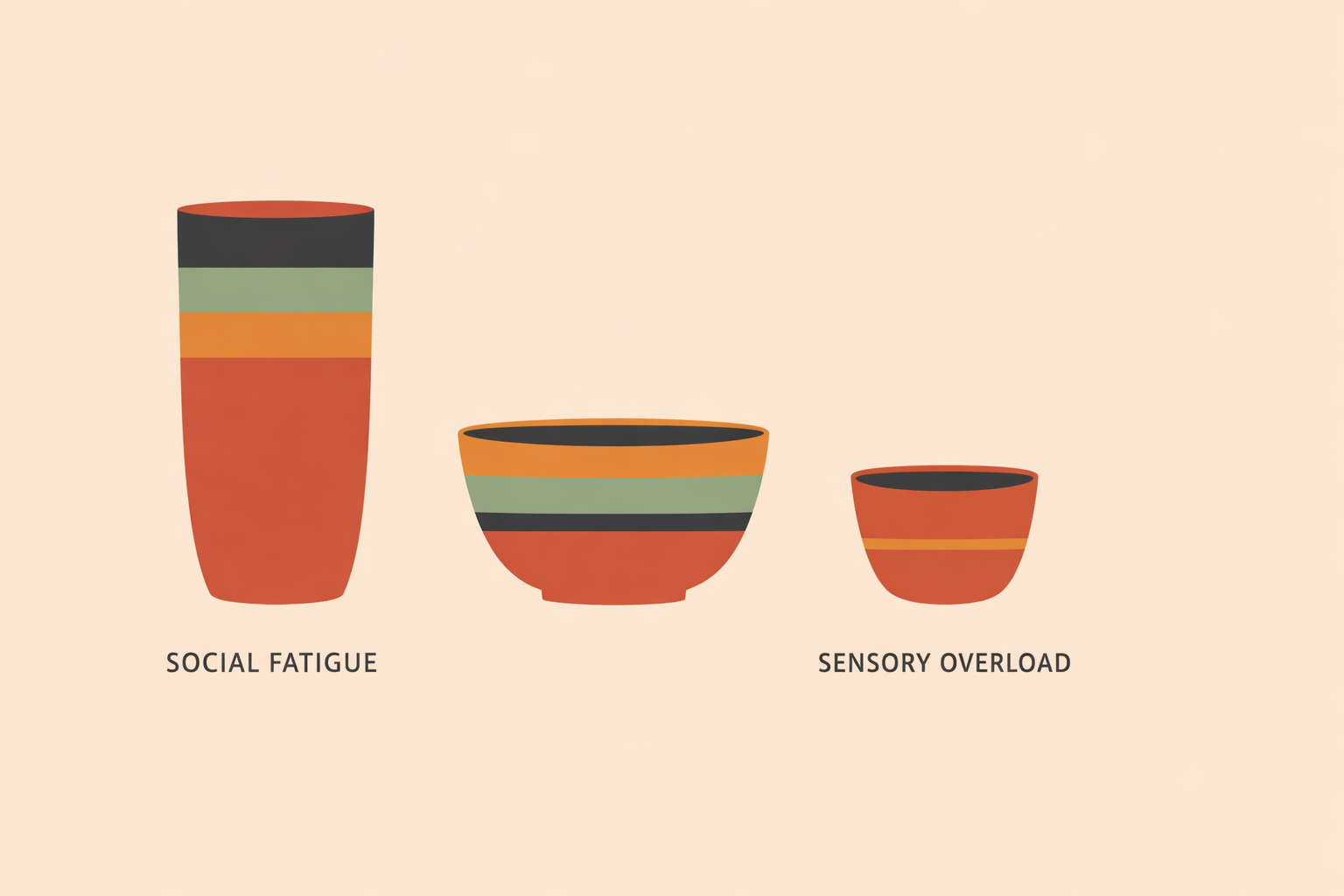
Run a masking audit. Research links prolonged masking with later burnout, so it’s wise to protect “unmasking” time—where stimming is welcome, communication can be nonverbal or text-based, and the person doesn’t have to perform. Think of it like letting the nervous system take off a heavy backpack before it cuts into the skin.
Design sustainable rhythms that include recovery as non-negotiable. Skipping rest and sensory breaks to meet external demands can push someone toward burnout over weeks and months—part of the broader autistic burnout picture. Look ahead for known pressure points: transitions can amplify stress and transition-related dysregulation, so build buffers and reduce stacked demands through those seasons.
- Masking audit prompts: Where do you feel safest unmasking? Which people or spaces cost the most? What one boundary would halve your weekly masking?
- Load check: If your week were a backpack, what stones would you take out? What one joy or sensory comfort could we add back in daily?
Many seasoned coaches notice the same shift: when you move from rigid outcome-chasing to meeting someone where they are, regulation improves—because the nervous system finally stops bracing for the next demand.
The first ten minutes of an autistic crisis
The early minutes set the tone. Aim for “low and slow”: reduce input, lower demands, and offer steady presence while you figure out what’s happening—shutdown, meltdown, or executive paralysis.
Start with the environment. For situational mutism and sensory overwhelm, allies are encouraged to reduce input—dim lights, cut background noise, and shift to calm side-by-side presence. Guidance also recommends gentle sliding-in approaches rather than rapid questions or spotlighting the silence.
Let the body give you information. Posture, pacing, and fidgeting often show up before words do, and research suggests these movement cues can be meaningful. Keep your own body language slow and predictable—no looming, no sudden gestures, no crowding.
Then differentiate what you’re seeing:
- Shutdown: quiet, still, minimal speech. Offer time, reduce stimuli, and stay nearby without pressure.
- Meltdown: visible intensity, often driven by sensory pain or cumulative stress. Prioritize safety and environmental change; skip lectures and “processing” in the moment.
- Executive paralysis: “I can’t” rather than “I won’t.” Offer one-step options and generous wait time; this responds better to recognizing paralysis than to pushing.
And don’t use eye contact as a test of respect. As John Elder Robison notes, many autistic people aren’t comfortable “staring at someone’s eyeballs.” Dropping that expectation removes unnecessary strain right when the system is overloaded.
Staying with the wave: co-regulation, sensory shifts, low-demand communication
Once you’re in the wave, your steadiness matters more than your words. Co-regulate, support the senses, and make language optional—because speech can be the hardest thing to access under stress.
Trauma-informed frameworks prioritize co-regulation over control. In real-world coaching, that often looks like reducing noise, dimming lights, and offering familiar sensory tools so the body can settle. For situational mutism, guidance recommends respecting non-speaking time as active processing, not something to force through.
Keep communication spacious and choice-based. Offer “pick one” cards, gestures, a notes app, or drawing—providing multiple channels so the person can stay in control without being pushed into speech. Many autistic-led resources emphasize that a slower pace supports genuine regulation, while rushing back to tasks often re-ignites the wave.
And don’t forget community wisdom. Across cultures, rhythm, humming, prayer, breath practices, and time on the land are longstanding traditional practices for settling the nervous system without demanding performance. When these supports come from the person’s own culture—and are requested or welcomed—they can be deeply effective co-regulating bridges.
- Simple scripts: “I’m here.” “We can go slower.” “Would dimmer lights help?” “Thumbs up for stay; hand wave for change.”
- Sensory menu: dim light, reduce visual clutter, white noise, weighted wrap, preferred scent (if soothing), cool water, fidget texture, movement break.
As one researcher wrote, autism can offer “an awe-filled vision of the world.” Meeting that vision with respect—even in crisis—builds trust that carries forward into everyday life.
After the surge: recovery, meaning-making, and redesign
After a crisis, the nervous system may still be tender for a while. The goal is steady recovery, less shame, and practical redesign so the same overload doesn’t keep repeating.
Autistic burnout accounts describe recovery that can take weeks or longer. Put simply: the body may need more time than outsiders expect. In the first days, co-create a soft schedule—sleep, low-demand nourishment, gentle movement, and sensory comforts—plus boundaries that protect this recovery time.
When reflection becomes possible, keep it collaborative rather than corrective. Trauma-informed approaches recommend collaborative reflection on what the system was trying to protect. Autistic trauma resources also highlight the burden of shame, especially for those with histories of being punished for distress—so name it gently and actively counter it.
Then turn the event into useful information. Patterns often show up in predictable places: environments, social expectations, time-of-year transitions, stacked demands. Research and lived experience both point to recurring patterns, and many adults use this insight to adjust workload, sensory settings, and social bandwidth—so crisis becomes feedback, not a personal failing.
- Gentle debrief questions: “What helped even a little?” “Where did the pressure come from?” “What was your body asking for that it didn’t get?” “What do we want to try next time?”
- System redesign: calendar (fewer stacked demands), space (lighting, noise, retreat), communication (preferred modes), relationships (who co-regulates, who drains), money/time (buffer for transitions).
As Stephen Shore envisions, the goal is a world where autistic flourishing is typical, not exceptional. You move toward that by listening to what the body is saying—especially after it has had to say it loudly.
Crisis in context: identity, safety, and community care
Crisis never happens in a vacuum. Racism, gender identity, economic stress, and cultural expectations shape both the experience of overload and the risks that can come with certain responses.
Cultural humility belongs at the foundation. Cultural safety guidance asks practitioners to account for colonisation, systemic inequities, and the real experiences many communities have with surveillance and coercion. Community-centered approaches also emphasize relational responsibility—support that respects family systems, culture, and place, rather than isolating the individual from their roots.
Co-create crisis plans that include identity and cultural resources: preferred language, names and pronouns, and spiritual or cultural supports that genuinely belong to the person. Indigenous cultural safety guidance supports integrating culturally grounded traditional practices when welcomed, and the ancestral wisdom shared by communities remains a vital source of guidance alongside contemporary research.
It’s also important to be realistic about intersectional risk. Autistic people facing multiple forms of marginalization may encounter added discrimination during crisis responses. For some, minimizing police involvement when possible is a safety strategy; a report on autistic experiences found 62% of autistic respondents were dissatisfied with police interactions.
- Community map: Who calms your body? Which spaces feel safe? What cultural or spiritual practices restore you? Who do we call first, second, third?
- Agreements: language to use/avoid, pronouns and names, preferred grounding practices, how to navigate public spaces safely.
“It takes a village to raise the consciousness of the village.” – Elaine Hall
Community care doesn’t replace individual skills—it makes regulation more possible in the first place.
Bringing safer crisis support into your autism coaching practice
Supporting autistic crisis is rarely about heroics. It’s about presence, consent, and better design. You’re meeting nervous-system overload, clarifying boundaries, and using plans built in calm. You coach upstream by reducing load and protecting recovery. You respond “low and slow,” co-regulate through the wave, and then support real restoration—using what happened as guidance for a kinder, more sustainable rhythm that fits the person and their culture.
Finally, hold caution wisely and without fear. Crisis planning should always include clear handoffs for imminent danger, and coaching should stay firmly within ethical scope. But don’t let those realities crowd out what’s equally true: when support is consent-based, culturally grounded, and shaped by lived experience and tradition, people often become safer by design—not by force. Keep learning in relationship—with autistic clients, families, elders, and the ancestral wisdom that has long held distress without shame.
Master Autism Coach Certification
Build consent-based, crisis-aware support skills with Naturalistico’s Autism Coach Certification.
Explore Autism Coach Certification →