Clients rarely arrive asking for neuroscience; they arrive worried they’re losing their edge. In menopause workshops and 1:1 sessions alike, the phrase “brain fog” can tighten the room—some people brace for bad news, others joke, and a few go quiet. The first minute matters: language can either spike alarm or create enough safety for practice.
The most useful shift is simple: name brain fog clearly, normalize it, and turn it into a workable signal. When clients feel understood (not judged), they’re far more willing to try small experiments that build steadier focus, memory, and momentum.
Key Takeaway: Menopause brain fog coaching works best when you frame fog as a normal executive-function shift and guide clients into small, repeatable experiments. Pair calming language with practical tools (sleep and rhythm anchors, focus sprints, memory supports) and use clear referral scripts when symptoms escalate or point to deeper strain.
A Simple Menopause Brain Fog Story You Can Reuse
A good teaching story does two jobs at once: it reassures and it orients. This short narrative blends hormone shifts, sleep, movement, and traditional rhythm wisdom—enough modern language to steady the mind, and enough lived, ancestral sense to ground the body.
Here’s the story I tell:
“During perimenopause and menopause, hormones that once helped keep brain networks steady start to fluctuate. Estradiol interacts with neurotransmitters and brain connectivity, so shifts here can make attention feel more ‘slippery’ at times. Practitioners also observe that calmer, more grounded states often return when overall rhythms are supported.”
What this means is: the system is sensitive right now, not failing. And sensitivity responds beautifully to steady inputs.
Sleep is often the first lever. Hot flashes and night sweats can disrupt sleep, and poor sleep can amplify fog the next day. Simple anchors help: consistent wake time, morning light, and a gentle wind-down. Educators also point to sleep support and dialing back late caffeine to ease brain fog.
Movement is the other steady ally. Regular aerobic activity has been linked to improved memory and problem-solving, so it’s often more helpful to coach consistency than intensity.
Traditional knowledge adds an important frame here: many cultures have long treated midlife as a wisdom phase, with more respect for rest cycles, simpler priorities, and roles that protect attention. That orientation can be deeply relieving for people carrying modern pressure to perform at full speed, all the time.
I often close with: “You’re not alone; many people navigate this. Your brain is responding to change, and together we can help it adapt—like forging new paths in a familiar forest.” It’s a gentle metaphor that makes patience feel practical.
Hormones, sleep, and “rewiring” in plain language
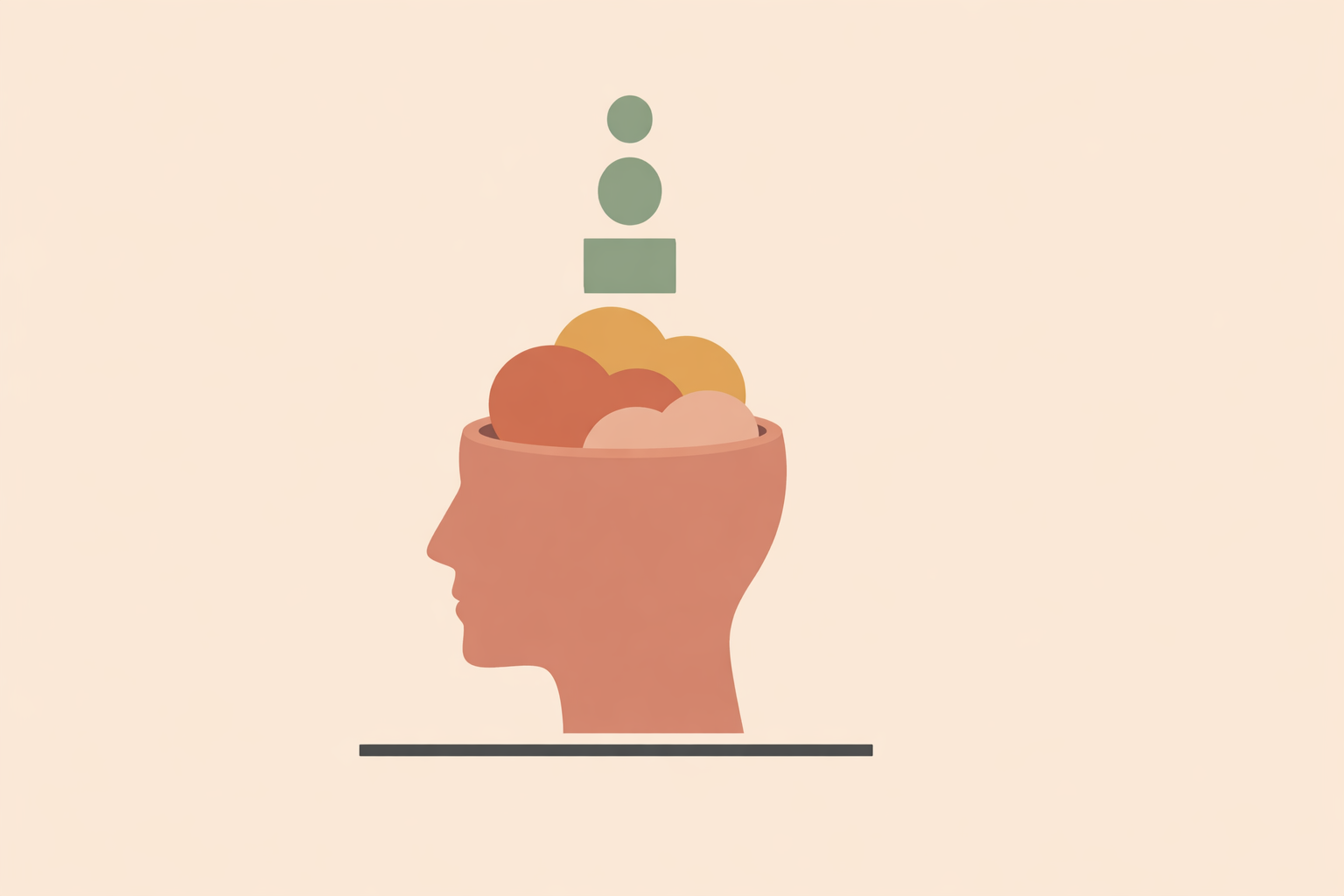
I summarise it as: “Fluctuating signals, stressed sleep, and a rewiring brain.” Then I add: “Stabilize rhythms, practice attention, and keep moving—those are the levers we’ll pull together.”
Opening Your Talk: Exact Phrases to Name Brain Fog Gently
A strong opening is calm, normalizing, and forward-moving. Stress and high cortisol have been described as worsening cognition during menopause, so lowering the room’s tension is not “extra”—it supports everything that comes next.
Share an immediate truth: many fog moments are attention glitches under load. Brain fog is often described as affecting executive functioning, including attention, processing speed, working memory, and time management. That framing validates the struggle without turning it into catastrophe.
Then, settle the system. Two minutes of extended exhales or simple 4‑7‑8 breathing is easy to teach without overpromising: “Let’s help your system know it’s safe to learn.” As a gentle baseline, 5–10 minutes of daily mindfulness is accessible, and early work notes improved memory and concentration when mindfulness and cognitive strategies are combined.
Keep your tone non-alarmist. It’s been noted that anxiety about brain health can heighten the perception of fog. If you want a cultural reference point that gives people permission to exhale, Clare Walsh’s story is a useful example of normalization through honest storytelling.
Sample opening lines you can adapt
- “If focus feels different lately, you’re in good company. Brain fog is a common navigation challenge during menopause. We’ll explore strategies that work with your strengths today.”
- “Think of this as attention retraining, not a verdict on your memory. We’re going to practice small clarity habits you can repeat anywhere.”
- “We’ll start by relaxing the nervous system for 90 seconds. Then we’ll talk about why fog happens and what you can do this week.”
Micro-practice to open a session:
- “Let’s try 4 rounds of 4‑7‑8. Inhale 4, hold 7, exhale 8. Notice the shoulders drop.”
- “Now, one focal question: What would ‘10% clearer’ feel like by Friday?”
From there, you’re ready to teach tools as experiments—flexible, human, and repeatable.
Scripts for Teaching Simple Clarity Tools (Attention, Memory, Focus Sprints)
Clients tend to stick with what feels doable. Present each tool as a two-week experiment: long enough to notice change, short enough to feel safe.
Start with focus sprints: “We’ll try two 25-minute work blocks with 5-minute movement breaks. That’s it.” Put simply, structure carries attention when willpower is tired.
Then teach memory supports: “When names and tasks scatter, we’ll help your brain file them faster.” Chunking, vivid visualization, and simple location-based recall are classic learning tools. Pair them with spaced retrieval—reviewing key items over increasing intervals—to strengthen long-term pathways.
Bring movement in as the bridge between learning and real life: “Clarity loves oxygen.” Moderate activity is associated with better thinking, memory, and problem-solving. If it fits, keep it playful with light “dual-task” practice—walking while counting backward, or recalling a short list while climbing stairs.
From “fixing” to experimenting with the brain you have today
- Script to introduce sprints: “It’s not about ‘fixing’ anything; it’s about building clarity through simple, evidence-informed habits like focus sprints: 25 minutes deep work + 5‑minute movement. We’ll practice twice today and debrief what you notice.”
- Script for memory tools: “Let’s turn your list into three vivid pictures. If you remember the images, you’ll remember the tasks. We’ll review again tomorrow and next week.”
- Script for active recall: “Close the notes. What are the three points you want to remember from this workshop? Write them from memory, then check.”
- Two-week experiment template: “For 14 days: 2 focus sprints + 10‑minute walk + 3‑item recall review. Rate clarity 1–10. We’ll adjust based on your notes.”
Small wins restore trust. Once confidence returns, consistency becomes much easier.
Using Ancestral Rhythms and Food Wisdom (Without Appropriation)
Rhythm is one of the oldest clarity tools we have. When you root practices in the client’s own culture and daily life, follow-through often rises—because it feels familiar, not forced.
I often frame midlife as a return to seasonal intelligence. Many communities have long honored this phase with more rest, fewer scattered demands, and clearer priorities. In coaching terms, that can look like theme days, intentional “pause weeks,” or regular tech sabbaths that let attention reset. The exact form matters less than the principle: less fragmentation, more rhythm.
Food can support steadier focus through the gut–brain conversation. Guidance on menopause and cognition suggests nutrient-dense eating may help people handle brain fog. In practical terms, many clients do well with a Mediterranean-style pattern (where it suits their culture and preferences) and a protein-forward breakfast to reduce energy swings.
The emerging gut–brain axis conversation also reminds us that food can influence mood and clarity. Some people find fermented foods—yogurt, kimchi, dosa, sourdough—feel supportive, though responses vary widely.
Rhythms, food, and metaphors your clients already understand
- Respect first: Ask, “What did your grandparents rely on for everyday focus and energy?” Start there. Avoid blending or renaming practices from living traditions without context or consent.
- Offer options, not prescriptions: “If your family staple is millet and legumes, let’s build around that. If it’s salmon and rye, we’ll use that.” The goal is steadiness, not perfection.
- Seasonal metaphors: “Winter your calendar for two weeks—fewer meetings, more deep work—and notice what changes.”
- Gentle anchor menu: One clear intention for the day; morning light and water; protein-forward breakfast; leafy greens at lunch; evening wind-down; Sunday batch of fermented or fiber-rich sides.
- Script you can use: “Hormonal shifts can make multitasking feel heavier—imagine adapting like our ancestors did to seasonal changes, prioritizing one clear intention at a time.”
When clients reconnect with their own lineage, clarity work often feels like homecoming—not homework.
What to Say When Brain Fog Points to Deeper Strain
Sometimes fog is straightforward—and sometimes it’s layered. Your steadiness matters most in complex stories, so it helps to have clear language that supports the client while encouraging them to widen their support network.
Listen for abrupt changes. After ovary removal, surgical menopause can bring a sudden intensity of fog, hot flashes, and sleep disruption. Reviews of surgically induced menopause note hormone shifts here can strongly affect cognition and sleep, so it’s useful to ask about surgical history when things escalate fast.
Also keep neurodiversity in mind. Writers and practitioners note that perimenopausal brain fog can mimic or unmask ADHD traits, and lower-estrogen phases may amplify attention challenges for those already living with ADHD. Essentially, the answer is often more compassionate structure—and, when the client wants it, coordinated support.
Finally, hold space for other contributors. Reviews highlight links between menopause-related fog and shifts in thyroid function, iron and B12, and post-viral inflammation including long COVID. Significant mood shifts matter too, and guidance encourages attention to worsening anxiety and fog after surgical menopause so clients can access broader support sooner.
Scripts for referrals, red flags, and complex stories
- When symptoms escalate fast: “Because this shifted so quickly, I recommend a check-in with your primary health provider to explore what might be contributing, while we continue your clarity tools. I’m happy to summarise what we’ve observed together.”
- When sleep collapses: “Sleep is a foundation for focus. Let’s continue our wind-down and light routines, and I encourage you to explore additional options with your health team. We’ll keep tracking your clarity score to see what helps.”
- When ADHD is in the mix: “Your brain tends to do best with structure. We’ll make shorter sprints and more frequent resets. If you’d like, I can help you prepare questions for your clinician so your support is aligned.”
- When nutrition flags appear: “Given your fatigue and other physical changes, it could be helpful to check iron and B12 status with your provider. Meanwhile, let’s keep meals steady and fiber-forward.”
- Scope clarity (coach lane): “I’m here to help you build habits, track changes, and reduce overwhelm. For anything that suggests a medical condition, I’ll always encourage you to loop in your healthcare provider so you’re fully supported.”
As one practitioner put it, “I specifically focus on helping women cut through the noise and misinformation about perimenopause and menopause online so they can find evidence-based care.” That client-centered, ethical, collaborative stance is a strong North Star.
Conclusion: Bring These Brain Fog Scripts into Your Own Voice
Scripts are scaffolding; your presence brings them to life. Take what fits, translate it into your natural tone, and refine it with client feedback and simple tracking.
Two practices make the work stick. First, track what you train: invite clients to rate daily clarity from 1–10 and jot a few basics (sleep, movement, focus sprints, nourishment). Patterns emerge quickly, and that visibility builds confidence.
Second, build community around practice. Shared logs, partner check-ins, or a supportive group space reduce isolation and keep habits alive. Community spaces are increasingly recognized as supportive for quality of life during menopause, and fog is often one of the first places people feel the benefit.
As you integrate these tools, you’ll naturally develop a flexible “clarity toolkit” for 1:1 work, groups, and workplace workshops: a calm opener, a respectful story, a handful of experiments, and clear referral language. Keep the close simple: “What’s one focus sprint you’ll try this week, and when?”
Master Menopause Brain Fog Coaching
Apply these scripts with deeper practice inside the Menopause Coaching Certification.
Explore Menopause Coaching Certification →