The 3am hour carries its own weather: shadows feel longer, time blurs, and simple questions can loop for hours. That’s exactly why night-time language needs to be lighter, simpler, and more attuned than during the day.
Many people living with dementia show evening-to-night patterns of confusion, pacing, calling out, and wakefulness—often called sundowning. When circadian rhythms are disrupted, alertness can drift into the early hours, and for some, restlessness peaks around 3am. When these shifts are understood as signals about needs and safety—not defiance—the first job becomes soothing the nervous system and reconnecting. That’s why communication skills matter so much at night.
With a strong nod to ancestral evening practices—steady voice, familiar rhythm, gentle repetition—simple phrases and small rituals can turn 3am from a battleground into a moment of grounding.
Key Takeaway: At 3am, focus less on correcting and more on calming: validate feelings, simplify choices, and use steady tone and familiar rituals. When night waking is treated as communication of unmet needs—and supported by daytime rhythm and a soothing environment—conversations become safer and more effective.
Shift 1: Reframe 3am ‘sundowning’ as a doorway for connection
When a 3am wake-up is treated as a chance to join, soothe, and guide—rather than a crisis to stop—the whole room softens. This reframe is often the biggest lever you have.
Evening-to-night restlessness can cluster into behaviours known as sundowning: heightened confusion, anxiety, and movement. In dementia, the brain’s internal timing can shift, and some people’s wakefulness peaks near 3am. In practice, that often maps to unmet needs—thirst, toileting, reassurance, discomfort, or sensory overload.
Once the pattern is recognised, small orientation cues can become powerful: a visible day–night clock, a calendar, and a soft reminder of the time. It also helps to hold the guiding idea that behaviour is communication—an approach echoed by connection-first guidance.
Why this reframing matters: If 3am is an “emergency,” voices tighten and arguments begin. If 3am is a “doorway,” you slow down, validate, and lead—without force.
Shift 2: Use daytime to make 3am conversations calmer
The quietest 3am conversations start in the morning. Daylight, gentle movement, predictable meals, and a consistent evening wind-down all “teach” the nervous system what night is for.
Natural daylight and unhurried movement—short walks, light gardening, chair stretches—help tune the body clock. Think of it like setting the tempo for the whole day: “We’re awake now, night will be for rest.” Dementia sleep support commonly highlights light and calmer nights as key aims.
Front-load stimulation. Try to place visits, errands, and engaging tasks earlier, because late-day busyness can fuel agitation—one reason many resources discuss preventing sundowning. Then keep the evening steps steady and familiar: dim lights, reduce noise, soften voices, repeat the same sequence. Advice around routine and environment is often linked with fewer awakenings.
Food and drink are messages, too. Many people do better with less caffeine later in the day, lighter evening meals, and hydration earlier rather than right before bed—timing cues reflected in sleep guidance. Traditional wind-downs—soft music, gentle hand massage with a calming oil, shared quiet—pair naturally with modern advice, forming a steady evening ritual.
- Day design for calmer 3am: morning light; short walk after lunch; meaningful hands-on task; lower stimulation after 4pm; consistent bedtime steps.
- Snack and sip: lighter dinner; warm herbal beverage early evening; hydrate earlier so night toileting is easier to plan.
Shift 3: At 3am, enter their reality instead of correcting it
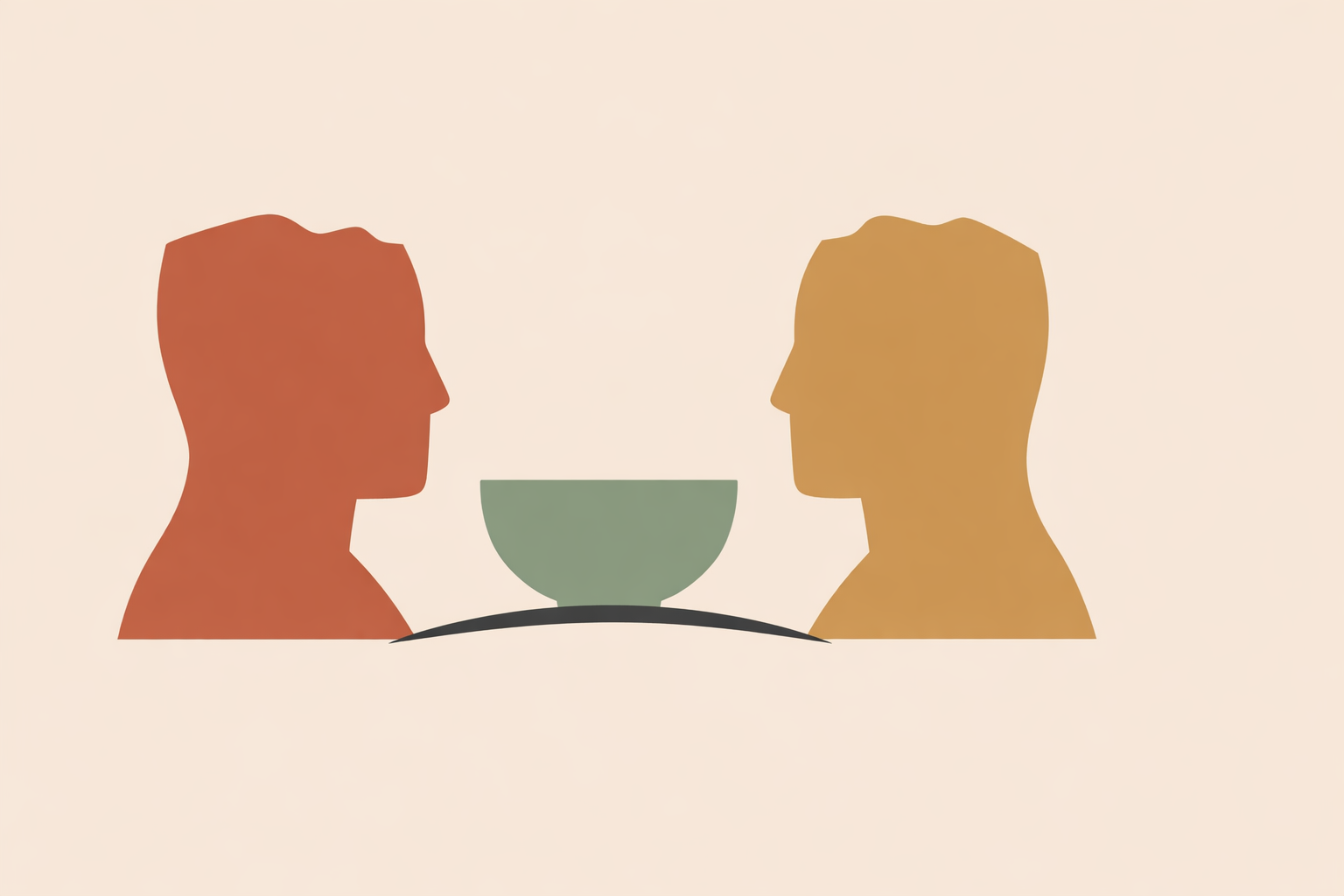
At 3am, “truth” rarely calms. Validation does. Correcting tends to escalate; joining and gently guiding invites safety.
Communication guidance often recommends acknowledging feelings instead of contradicting inaccuracies; validation can reduce distress and resistance when confusion is high. This aligns with a validation-first style of support. So instead of “You already slept,” try: “It feels like you haven’t slept much—no wonder this is hard.” Then guide toward one small next step.
Many organisations also advise you to “join the person’s reality”: accept their frame of reference, reflect the emotion underneath, and redirect without arguing—especially during sundowning. A practical de-escalation trick is taking mild blame to release tension—“Silly me, I mixed up the time; let me fix it”—a move encouraged in communication toolkits.
What matters most is listening beneath the words: fear, loneliness, needing purpose. Validate that first, then redirect. This relationship-first stance is frequently linked to reassurance and is a core part of coping with night-time agitation.
- Join, then guide: “You’re waiting for your train? Got it. Let me check the schedule while we rest our legs in this comfy chair.”
- Validate first: “It feels unsettled. I’m here. Let’s make this room cosy while we figure it out.”
Shift 4: Use tone, pace, and structure that actually land at 3am
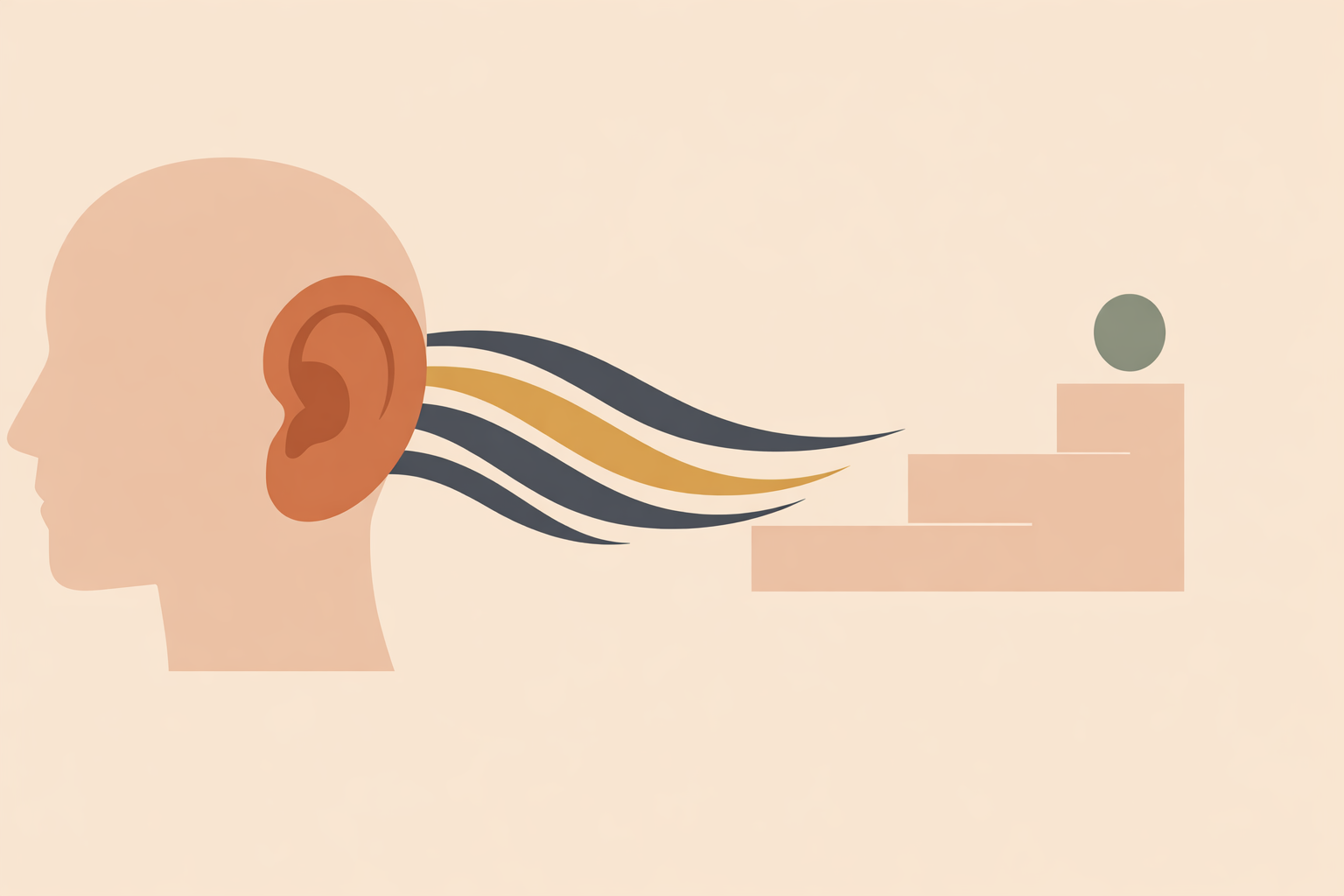
Your voice is nourishment for the nervous system. Keep it adult-to-adult, slow the pace, and make sentences simple without talking down.
Infantilising elderspeak has been associated with far more resistance to assistance compared with normal adult communication in long-term care. When elderspeak was reduced in a training programme, resistiveness also fell—showing how a tone shift can support more calm.
What tends to land at 3am is respectful simplicity: warm tone, short concrete sentences, fewer choices at once, and generous pauses. Essentially, you’re lowering the processing load while keeping dignity intact—steps repeated across dementia communication resources. Partnership phrases also help—“Let’s do this together”—as highlighted in communication strategies.
At 3am, prosody tells the story. A slow, low, steady voice signals safety even before the words fully register.
- Try this: “I’m here. One small sip of water, then we’ll tuck your blanket the cosy way.” (pause) “Ready for the soft music?”
- Skip this: “No, we already did that. Stop and go back to bed now.”
Shift 5: Exact phrases to use (and avoid) when they’re wide awake at 3am
When you’re exhausted, scripts help you stay kind and consistent. The goal is guided choice, soothing repetition, and gentle redirection—while preserving agency and dignity.
Many toolkits suggest swapping open-ended questions for either–or options: “Would you like water or tea?” rather than “What do you want?” This kind of simplification supports guided choices. Written cues can also help when speech gets slippery—for example, a small card that says “Night: water, toilet, bed, music,” a strategy aligned with using visual cues.
Night support guidance often favours low light, quiet presence, and repeating familiar bedtime signals like soft music—sensory inputs that support calmer nights. If pacing shows up, reassure safety, avoid restraint where possible, and allow short purposeful walking to release energy, consistent with approaches to agitation. When distress rises, first check needs—hunger, thirst, pain, toileting—before trying to “talk it through.” And if responses feel off-topic, acknowledge rather than dismiss; respectful acceptance is part of communication guidance.
- When they’re afraid: “This feels scary. I’ve got you. Hand in mine. Shall we sit here or by the window?”
- When they want to “go home”: “Home feels safest. Tell me about your favourite room while we make your blanket just right.”
- When questions repeat: “You’re wondering about the time. It’s night now. First a sip of water, then I’ll check the clock again.” (repeat the same warm wording each time)
- When pacing: “Your legs want to move. Let’s take five slow laps together, then rest in your chair.”
- When they insist on a task: “Yes, the meeting matters. We’ll jot a note for the morning.” (show a paper and write) “Now we’ll gather energy with a short rest.”
- Swap these: “You already asked that” → “You’re checking on that. Here’s the update.”
- “Calm down” → “You’re safe. I’m right here.”
- “That’s not true” → “It feels that way. Let’s look together.”
Shift 6: Let the environment and ritual do some of the talking at 3am
When the room communicates safety, you don’t need many words. Light, sound, familiar objects, and time-tested evening rituals can do half the work for you.
Reduce stimulation: turn off TVs and radios, minimise clutter, and keep pathways clear. A calmer space can help reduce overstimulation and agitation. Light is also a powerful cue—soft, warm lighting reduces harsh shadows and supports wind-down, a practical step in many care tips.
Anchor with familiarity: a favourite blanket, a well-loved chair, a framed photo. Familiar objects can support orientation and comfort through personalised surroundings. Offer soothing micro-activities—folding a few towels, brushing a soft scarf, paging through a photo album—to redirect restless energy, a common approach in night support tips.
Conversation often flows best through long-held identity: childhood songs, old recipes, beloved places—rather than recent events. This is why life story work is used to spark rich conversation and connection. Traditional practices—soft evening songs, gentle touch, simple blessings, shared quiet—fit naturally here, and consistent sensory cues can act as non-verbal sleep signals that help the body move toward rest.
- Environmental checklist: one lamp with warm bulb; clear, familiar path to bed/toilet; soft textile within reach; low-volume calming music; visible day–night clock.
- Ritual ladder: warm drink → bathroom → lotion or oil with hand massage → three favorite photos → breath together → lights dim → music on.
Shift 7: Protect your own energy so you can keep showing up at 3am
Consistency—night after night—requires a supported practitioner, not a lone hero. Boundaries, shared systems, and skill-building make your 3am presence sustainable.
Structured support helps. Family and informal supporter programmes have been linked with reduced strain and frustration, as seen in REACH approaches. Coaching that spots triggers and adjusts routines reflects person-centred principles described in practice frameworks, and reviews note multi-strategy approaches can reduce agitation and improve quality of life.
Language also adapts as the condition evolves. In later stages, it can help to introduce yourself each time, use the person’s name, lean more on nonverbal cues, and keep sentences short—stage-adapted steps many resources summarise. Continuing education supports this flexibility and confidence, reflecting the value of ongoing training in dementia-related work.
- Micro-boundaries that help: a 3am response plan; a “first five phrases” card; a 10-minute post-episode reset (stretch, water, one note in your log); regular light exposure and movement for yourself; scheduled skills practice with peers.
- Community matters: having access to supportive training, tools, and a modern community means you don’t have to improvise alone at 3am.
Conclusion: Turning 3am dementia dread into a practiced communication skill
3am can shift from dread to ritual. When you understand night-time patterns, set the day up well, enter the person’s reality, and let your tone, space, and familiar routines carry some of the load, you build a night language that works.
With practice, you’ll start noticing windows when the person is more receptive; that kind of timing is central to many communication strategies. Paired with stable routines, daytime movement, and calm responses, many people see less night distress, aligning with widely shared sleep guidance. Overall, multi-strategy, person-centred support—language, environment, and your own self-care—tends to work better than relying on one technique alone.
Explore Dementia Certification Course
Practice night-time validation, de-escalation language, and supportive routines in the Dementia Certification Course.
Explore Dementia Course →