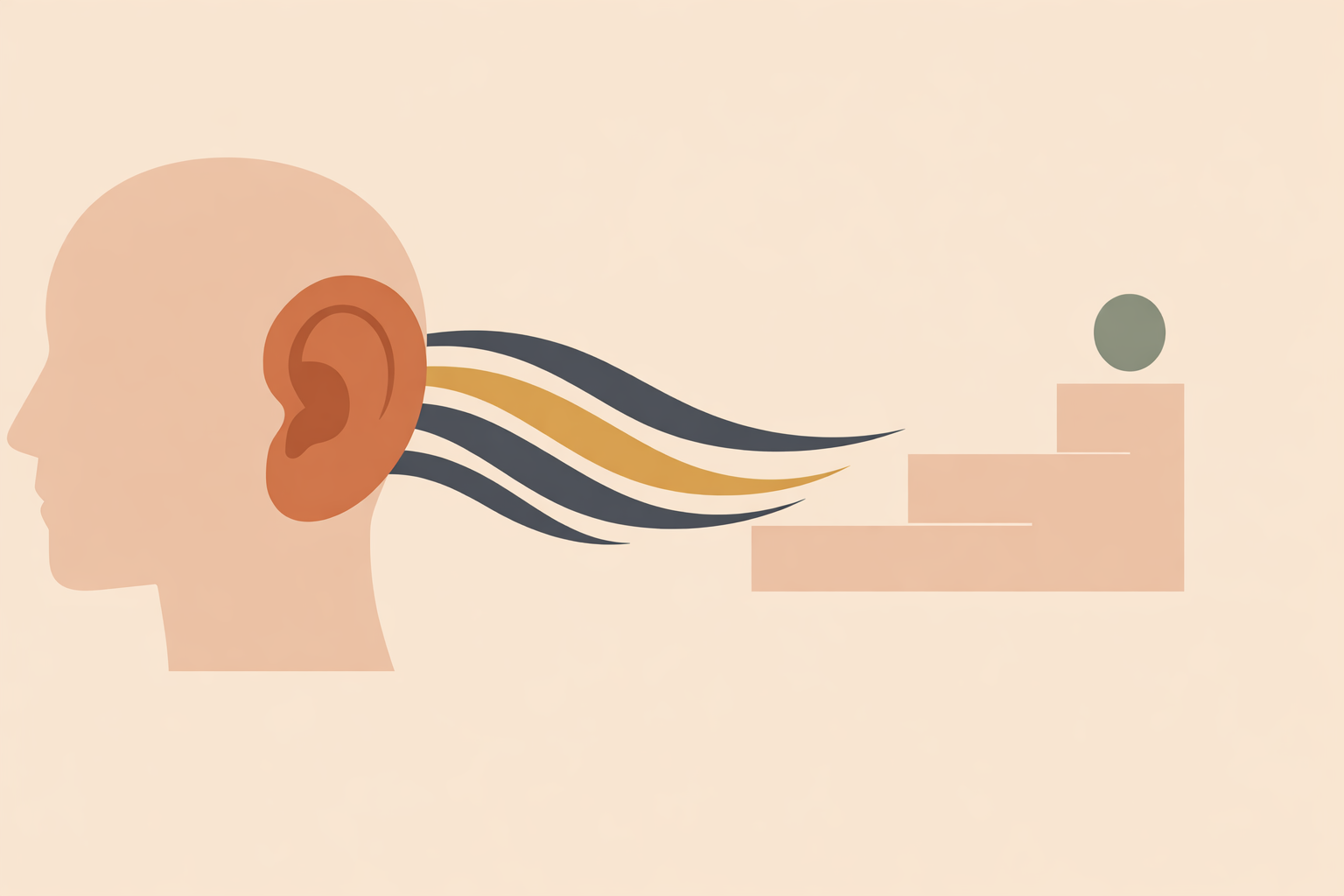
Escalations around dementia support can unfold in seconds. A parent insists they need to “go home,” someone refuses a shower, or sundowning turns a familiar routine into friction. In those tight moments, it’s tempting to explain, correct, or speed things up—yet those moves often raise the sense of threat and stall the task.
A steadier path is to lower danger first, then guide the next step without arguing facts or dignity. A shared set of short phrases helps families and teams respond consistently, reduce guesswork, and keep momentum without pushing.
This framework uses five phrases in a simple order. Each one pairs concise language with body-first skills—presence, validation, shared action, micro-choices, and rhythm—so you meet the nervous system where it is. The goal stays practical: protect autonomy, reduce cognitive load, and help everyday tasks move more smoothly.
Key Takeaway: Use a consistent five-phrase sequence to de-escalate: establish safety with presence, validate emotion, invite shared action, offer a simple either–or choice, and return to breath and rhythm when words stop landing. This lowers perceived threat, protects dignity, and helps everyday tasks move forward without arguing or rushing.
Phrase 1: "I'm here with you" — leading with presence, not logic
Start by bringing safety into the room. A steady “I’m here with you,” paired with calm body language, softens threat far more reliably than a well-meaning explanation.
Escalations often rise from a perfect storm: noise, crowding, harsh lighting, plus internal strain like discomfort, hunger, or sunset fatigue. Changes in behavior in dementia are tied to these complex causes, so the most effective first step is reducing what feels threatening. Dim the lights, switch off the TV, step into a quieter corner, loosen anything restrictive, and let your shoulders drop on the exhale. These small shifts support de-escalation by reducing agitation and signaling—through your body—that the moment is safer.
Presence is physical. Practical guidance encourages supporters to move to the person’s side, get at or below eye level, and, when welcomed, use gentle touch. Slow your breathing and voice, then keep words few: “I’m here with you.” Traditional carers often teach that position, pace, and presence do the heavy lifting long before problem-solving begins.
Regulation often flows from you to them. Let your exhale lengthen, soften your jaw, and only then offer reassurance. Community wisdom might call this being a lighthouse in a storm; research describes a similar settling effect as co-regulation.
From fixing the problem to anchoring the nervous system
- Step to the person’s side, lower to eye level, and offer your hand with warmth.
- Sync breath for a few cycles: slow in, longer out. Then, softly: “I’m here with you.”
- Trim stimulation: lights down, TV off, door closed. Prioritize environmental ease before explanations.
- Use fewer words, more presence. Let body calm lead mind calm.
Phrase 2: "That’s really upsetting" — naming emotion to lower the threat
Once presence is felt, name what the person seems to feel. “That’s really upsetting” validates their inner world without debating facts—and the intensity often softens.
Correcting, arguing, or telling someone to “calm down” can accidentally increase threat. Dementia communication resources consistently encourage supporters to validate feelings instead. Think of it like stepping into their weather for a moment, rather than insisting they come into yours. “That’s really upsetting,” followed by “I’m here—we’ll figure it out together,” helps the nervous system settle before any redirection.
Validation lands best when you reflect both words and body signals: “I hear you,” and “I can see your shoulders are tight.” Good practice is to mirror what you observe—“You look worried,” “Your hands are shaking”—without challenging accuracy. Dignity stays intact, and connection holds while the wave passes.
When fear is driving the moment, naming it clearly can help: “This feels scary.” Then anchor safety: “You’re safe now; I’m with you.” In traditional community care, this is the essence of witnessing—listening deeply, naming what’s present, and letting someone feel felt before moving to action.
Why validation calms the brain and protects dignity
- Lead with empathy, not evidence: “That’s really upsetting. I’m here.”
- Mirror what you see: “Your hands are tight; this is a lot.”
- For fear narratives, anchor safety: “You’re safe now; I’m staying with you.”
- Skip arguments; honor the emotion in front of you.
Phrase 3: "Let’s do this together" — inviting cooperation instead of control
After presence and validation, invite side-by-side action. “Let’s do this together” turns resistance into partnership and supports autonomy.
Gentle redirection works because it asks less of working memory while protecting dignity. Keep the invitation concrete and point to something familiar: a favorite mug, a well-worn cardigan, a simple note on the counter. “Let’s do this together,” paired with a small gesture—“I’ll hold the sleeve while you slide your arm”—often keeps things moving with much less friction.
Person-centered practice goes deeper by using life story. When you know someone’s roles, routines, and prides, you can invite cooperation through meaningful anchors: “Would you help me check the garden, like you always did after lunch?” Approaches that use life history and meaningful activity can enhance mood and engagement, especially alongside personalized behavioral strategies.
Across many traditions, elders are supported with rather than to. That “with, not to” stance protects belonging and status, which naturally reduces defensiveness. Training supporters in collaborative, respectful guidance is linked to better outcomes through caregiver training.
From resistance to side-by-side partnership
- Say, “Let’s do this together,” then show, don’t just tell—offer your hand, point to the next step.
- Pull from biography: “You always checked the accounts—want to help me sort the mail?”
- Use props and pictures to lighten recall work and support understanding.
- Keep steps tiny; praise effort, not outcome.
Phrase 4: "Tea or water?" — simplifying choices to reduce overload
Micro-choices calm the mind. Either–or options like “Tea or water?” keep momentum without overwhelming memory and attention.
Open-ended questions can be too big in a stressed moment. Instead of “What do you want to drink?” try “Tea or water?” or “Blue sweater or green?” Dementia-care resources recommend short sentences, one step at a time, plus simple choices that preserve decision-making without overload.
Structure and routine can lift mood and decrease disturbances; micro-choices are a practical way to bring that structure into daily life. Essentially, you keep autonomy while lowering cognitive load.
Make the environment help you. Aim for tougher tasks earlier in the day when possible, choose quieter spaces, and use photos or short lists where they’re needed. Environmental supports like cues and predictable routines can reduce agitation and make interactions smoother.
For many people raised in traditional households, this rhythm will feel familiar: customary tea at a usual time, a favorite chair, a predictable flow. That steady pattern reduces decision fatigue and helps people feel held by the day.
How micro-choices calm the mind and keep things moving
- Keep it binary: “Tea or water?” “Sit here or by the window?”
- One sentence, one step. Then wait. Don’t stack instructions.
- Use props, photos, and routines to anchor decisions.
- Echo the person’s own words to support continuity and comfort.
Phrase 5: "Breathe with me" — co-regulation when words aren’t landing
When language frays, let rhythm lead. “Breathe with me” invites nervous systems to synchronize—often a steady way through big waves of distress.
Non-verbal cues can be stronger than speech. Slow your movements, soften your face, and offer your hand. Many carers see this firsthand: calm is contagious. Relaxation approaches and non-verbal leadership can decrease anxiety when words aren’t getting through.
Sequence still matters. Settle yourself first—longer out-breath, shoulders down, voice low—then validate and reassure. After that, a gentle “Breathe with me” pulls attention into the body and away from racing thoughts.
Many lineages have always leaned on this: rhythmic breathing, a simple song, gentle rocking, hand-under-hand touch, quiet steady companionship. These ancestral practices echo what research groups under behavioral approaches that use non-pharmacologic techniques to ease agitation and support better interaction.
“Breathe with me” is simple, memorable, and kind—something an entire family or team can share and repeat in the same tone.
Letting body, rhythm, and ancestral wisdom lead
- Stand or sit to the person’s side, palm up. Inhale together gently, exhale a little longer. Repeat for several cycles.
- Whisper-count or hum a slow tune they love. Let rhythm do the work.
- Keep words sparse: “With me… in… out…” Then, after the wave passes, offer a tiny choice.
- Tend your own regulation throughout the day—your steadiness is part of the skill.
Conclusion: Weaving the 5 phrases into your everyday practice
Used together, these five phrases create a dependable arc you can return to under pressure:
- “I’m here with you” to anchor safety.
- “That’s really upsetting” to validate the feeling.
- “Let’s do this together” to invite partnership.
- “Tea or water?” to keep momentum through micro-choices.
- “Breathe with me” when language isn’t landing.
Hold it as a living framework, not a script. In real life, the phrases work best when paired with stance, breath, gesture, familiar objects, and environmental support—because integrated approaches tend to outperform single techniques. In the wider evidence, combining supporter skill-building and environmental adjustments is associated with reduced agitation and steadier well-being over time.
Common snags are predictable: questioning memory, rushing, taking behavior personally, or insisting on factual accuracy when the feeling is what needs attention. When those habits show up, simply return to the sequence—presence, validation, togetherness, micro-choice, rhythm.
A final caution: if distress is new, unusually intense, or paired with signs of physical discomfort, it’s wise to pause and consider what might be driving it (environment, overwhelm, unmet needs), and to follow your setting’s safeguarding and escalation protocols. Most of the time, though, your steadiness, patience, and shared language will carry the moment.
Train Dementia Communication Skills
Build steadier de-escalation habits with the Dementia Certification Course.
Explore Dementia Certification →