Both approaches use similar-looking, very thin needles, but they come from different lineages, follow different maps of the body, and aim for different kinds of results. The best choice depends on what your body and your goals are asking for right now.
It’s easy to see why people mix them up: both use solid, hair-fine filiform needles inserted into the body without injecting anything. That shared look is what drives most of the confusion. See: filiform needles.
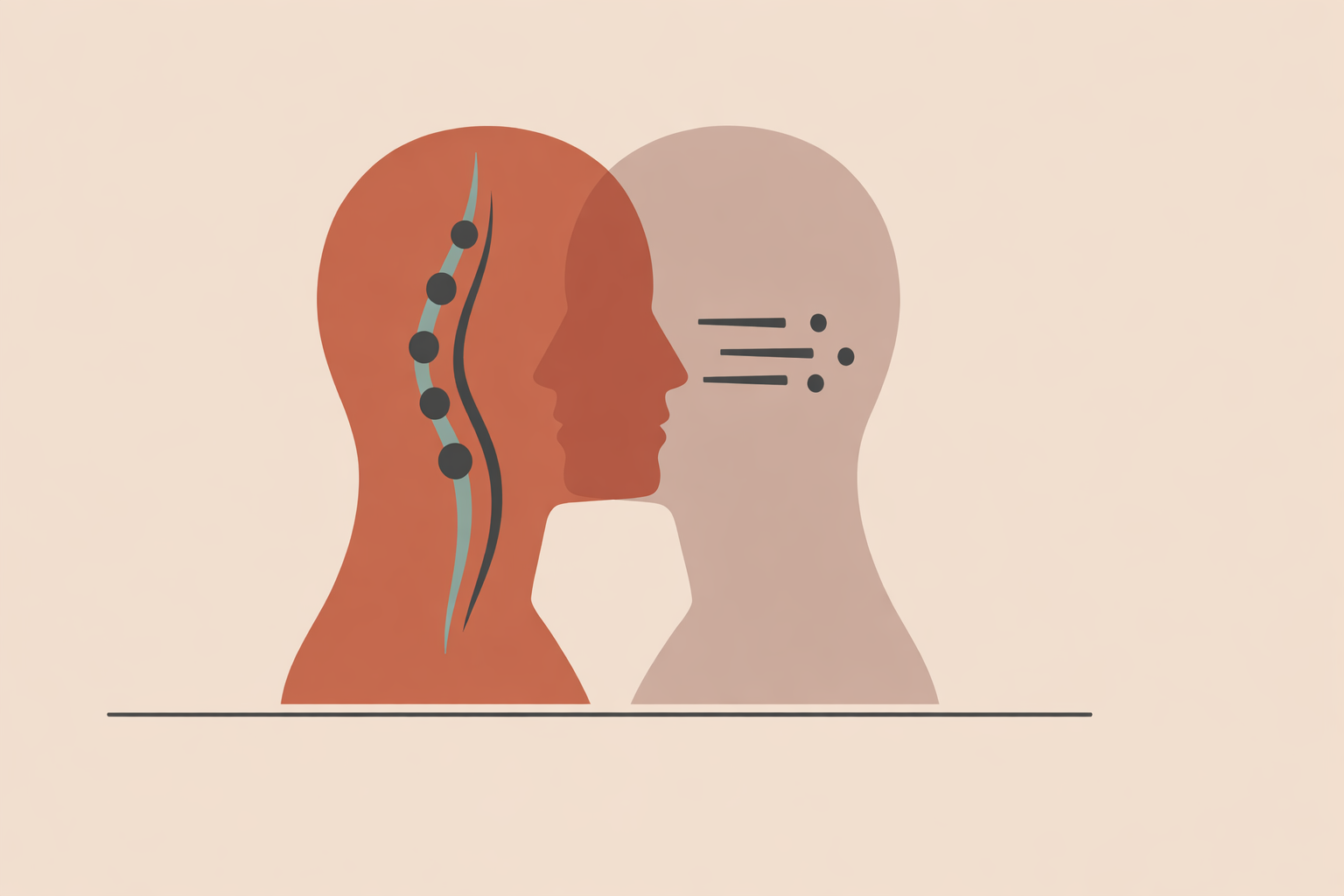
A clear, client-friendly distinction helps: acupuncture grows from the meridian-based tradition of TCM and is practiced as a complete, whole-person system, while dry needling developed through modern musculoskeletal science with an emphasis on trigger points and local dysfunction. For a concise public overview, see TCM meridians and musculoskeletal focus.
Once clients understand that, the energy in the room changes. The question becomes less “Which is better?” and more “Which one fits me right now?”
Key Takeaway: Acupuncture and dry needling may use similar needles, but they’re different systems with different goals: acupuncture supports whole-person patterns through meridian-based assessment, while dry needling targets local muscle and trigger-point dysfunction. Client clarity improves when you explain origins, sensations, outcomes, and safety in a simple, consent-forward way.
Shift 1: Honor the question before comparing methods
The first move isn’t to defend a method—it’s to honor the person asking. Slow the pace, clarify what they want support with, and invite a collaborative choice. That’s the heart of respectful informed consent. See: informed consent.
Most people arrive carrying a jumble of advice from friends, reels, and ads. A few simple questions usually bring instant clarity: Is this about a specific spot? A general sense of overload? Sleep, stress, or whole-body balance? Many public guides agree that clarifying intentions is the right first step.
It also helps to normalize the visual confusion—yes, the needles can look very similar. See: similar needles. From an ethical standpoint, the conversation works best when risks and benefits are weighed with integrity and respect for what the client values. See: risks and benefits.
As Paracelsus put it, the art of helping the body begins with an open mind.
Lead with curiosity, and the comparison tends to take care of itself.
Shift 2: Tell the two origin stories—meridians and muscles
People relax when jargon turns into story. Acupuncture and dry needling grew from different ways of understanding the body—qi and meridians on one side; muscles, nerves, and trigger points on the other. That worldview shapes how sessions feel and what outcomes clients typically notice.
Acupuncture as an energy-based lineage
In TCM, well-being is rooted in the harmonious movement of qi through channels called meridians, linking surface points with organ systems and whole-person balance. Historical overviews trace this lineage back roughly 2,500 years, evolving from early tools into the fine sterile needles used today.
Points are chosen not only for local effects, but for their role in regulating meridians and harmonizing patterns—think of it like tuning the whole instrument, not only adjusting one string.
In the words of Li Shizhen, the classical aim is to “regulate the qi and harmonize the blood,” a reminder that this approach is about rebalancing the whole, not just numbing a part.
Dry needling as an anatomy-focused tool
Dry needling took shape within Western anatomy and neurophysiology. Practitioners palpate for myofascial trigger points—tight, tender bands that can refer pain and disrupt function—and needle locally, guided by anatomy and movement science. See also: trigger points.
Rather than a complete traditional system, dry needling is usually one technique inside a broader movement-based plan. Knowing the origin story helps clients understand why the methods aren’t duplicates, even when the tools look alike.
Shift 3: Describe what each session actually feels like
Theory matters, but sensation is what most clients remember. Translating technique into a simple sensory preview helps people feel informed and steady about their choice.
Painting a sensory picture clients can relate to
In acupuncture, needles are placed at specific points and then left to rest for about 20–60 minutes. As the session settles, many people describe gentle heaviness, warmth, a dull-achy “opening,” or a calm, floaty stillness—often described as tingling warmth and flow.
Dry needling tends to be more immediate and intense. The practitioner often uses brief insertions—sometimes seconds to a few minutes—and may use a quick in-and-out technique called pistoning to provoke a short muscle twitch. Many clients describe a sudden cramp-like moment, then a workout-like soreness that can peak the next day. See: twitch response.
Essentially, acupuncture is more often experienced as calming and sleep-supportive with a whole-body afterglow, while dry needling is more stimulating and locally focused. See: sleep-supportive.
Because the environment shapes the experience too, it’s worth setting expectations around quiet, breathing cues, and simple aftercare—small choices that help the body integrate what the needles begin.
Shift 4: Explain outcomes—holistic balance vs targeted relief
Dry needling often shines for targeted, short-horizon change in specific muscles. Acupuncture often shines for pattern-level change that can ripple across systems. Both can be valuable—it’s a matter of matching the tool to the moment.
From local pain points to whole-person patterns
In sports and orthopedic contexts, dry needling is often used to ease local pain, reduce tension, and improve mobility—especially when paired with movement or strength work. See: local pain. Reviews of deeper, local needling approaches also report moderate improvements in spine-related discomfort compared with more superficial techniques.
Acupuncture’s lens is broader. Large meta-analyses show benefits for chronic pain that can persist after a course of sessions. Pain organizations also note it may be especially supportive when pain is complex or widespread, particularly when stress, sleep, or mood are part of the picture.
Think of dry needling as a precise spotlight on a knot, and acupuncture as a way of reading the wider landscape—energy, resilience, digestion, hormones, and mood included. Many public guides describe acupuncture’s place in these wider patterns alongside focused musculoskeletal work.
Classical texts remind us that the highest aim is harmony: as the Huangdi Neijing teaches, balance before imbalance is wise.
That spirit still guides how many practitioners use needles today.
Shift 5: Speak clearly about safety, training, and ethics
Clients deserve a steady, non-alarmist safety conversation. Needling is generally well-tolerated when performed by well-trained practitioners using clean technique, precise anatomy, and clear consent. In practice, training depth matters more than the label.
Why training depth matters more than the needle
Acupuncture education is typically a multi‑year pathway with extensive supervised practice, standardized exams, rigorous clean-needle technique, and whole-person assessment. In contrast, some dry needling trainings offered to other professionals are delivered as short post‑graduate courses—sometimes 27–54 hours—and many in the field advocate stronger standards, regardless of modality name.
Most reported adverse events for both methods are minor and short-lived, such as soreness or bruising, especially when hygiene and technique are sound. Rare but serious events can happen if needles are placed too deeply or near sensitive structures; a published case described a pneumothorax after upper-back needling.
That’s why clear, written consent matters for any invasive needling, including a straightforward discussion of benefits, risks, and alternatives, with extra care around the chest, neck, or recent surgical sites. See: written consent. Even needle manufacturers warn that improper use by inadequately trained providers can cause harm.
As Paracelsus reminded generations of healers, we do our best work when we start from nature with an open mind—and I’d add: with clear consent, clean technique, and humble respect for anatomy.
Shift 6: Help clients choose what fits them right now
Instead of “Which is better?” a more helpful question is: “Which suits your body and goals this season?” A simple framework supports a plan clients can feel confident in.
From “Which is better?” to “Which suits your body and goals?”
- If your main concern is a specific, localized issue—like a tight calf, a shoulder trigger point, or a recent sports strain—and you want quicker changes in movement and comfort, dry needling may be a fit. See: localized issue.
- If your picture includes chronic pain along with stress load, sleep disruption, digestive or hormonal patterns, or mood, acupuncture’s whole-person lens often serves well. See: chronic pain.
- For active clients, deeper local needling can support short-term gains in range and comfort—most durable when paired with movement retraining. See: short-term and combined care.
- For older adults, highly sensitive folks, or those navigating anxiety or sleep concerns, gentler acupuncture styles can be a steadier starting point; deep pistoning techniques may not be ideal immediately after acute injury or in very hypermobile bodies. See: gentler acupuncture styles.
And nothing here is forever. Many people do best with sequencing—one approach now, another later—guided by real-time feedback and how the body responds.
As Sun Simiao taught, selecting the right method for the moment is half the work done.
Shift 7: Weave both methods into one clear practice story
The most trustworthy practices don’t feel like a bag of tricks. They feel like one coherent story: support for function, resilience, and self-care, with needling as one tool used with clear intention.
Positioning acupuncture and dry needling in your wider toolkit
In rehab settings, dry needling is seldom used in isolation; it’s commonly paired with exercise, mobility work, and education. In the same spirit, acupuncture is often part of multimodal care, supported by breathwork, sleep routines, nourishment, and pacing strategies that help changes stick.
Evidence also suggests that deep, well-targeted needling—whether framed as dry needling or certain acupuncture styles—often provides stronger short-term relief than very superficial approaches, especially across several weeks. See: short-term relief. Pain organizations consistently recommend presenting needling as one tool, not a magic bullet.
For many practitioners, the sweet spot is honoring ancestral knowledge while staying engaged with current research. That blend keeps care adaptable and person-centered, and it reflects acupuncture’s long history of evolution and synthesis of ancestral knowledge.
As a famous line often attributed to Confucius suggests, the future of care leans into the human frame, daily habits, and prevention.
In modern practice, that often looks like combining coaching, movement, and lifestyle support with the right needling approach at the right time.
Conclusion: Keep the acupuncture vs dry needling conversation open
Clients don’t need anyone to “win” a debate. They need to feel heard, to get a simple explanation, and to receive a clear recommendation they can consent to confidently. When you honor the question, share the two origin stories, describe the felt experience, clarify likely outcomes, and speak plainly about safety and training, the next steps usually become obvious.
This field continues to evolve, including policy and scope discussions, so ongoing learning is part of responsible practice. See: evolving regulations. Evidence summaries also emphasize that both approaches are best grounded in strong training standards and consistent ethics.
For practitioners drawn to ancestral lineages, the research base supporting acupuncture’s role in chronic pain is robust enough to make it a core skill in a modern holistic toolkit. Done with respect, it’s also possible to honor cultural roots while staying open to new learning—an approach that tends to help clients feel both seen and well-supported.
Naturalistico holds that spirit close: strong community, thoughtful tools for real client work, and evolving learning pathways that keep your practice both grounded and growing.
Train in Chinese Medicine
Deepen your meridian-based assessment and needling conversations with the Chinese Medicine Practitioner course.
Explore Chinese Medicine Practitioner →