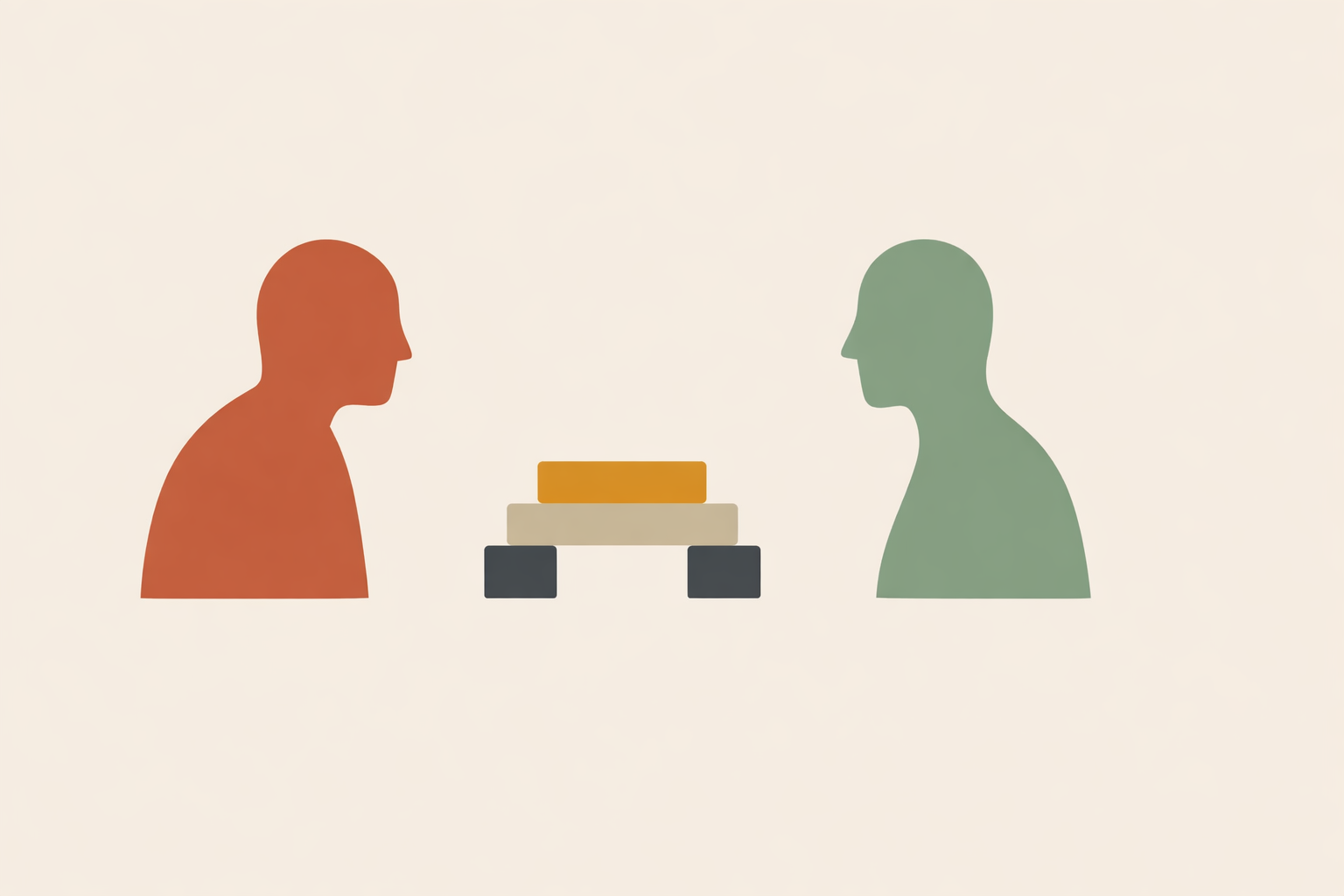
You introduce a new workflow, policy, or priority—and the room goes tight. Timelines start slipping, “yes, but…” shows up in every reply, the same worries keep reappearing in different outfits, and follow-through quietly stalls. In moments like this, pushing harder rarely creates movement. More often, resistance is information.
An NLP-informed approach starts with curiosity rather than force. When people feel a sense of safety, agency, and meaning, they’re far more likely to engage. The language you choose can either increase pressure—or create enough room for honesty, reflection, and practical next steps.
Key Takeaway: Resistance to change is often a protective response to threat, uncertainty, or loss of control—not defiance. When you pace and validate first, ask precise questions, and offer meaningful choices through small experiments, you lower defensiveness and turn “no” into clear information you can work with.
How Resistance to Change Actually Shows Up
Resistance rarely arrives as a direct “no.” More often, it shows up as delays, repeated clarifying questions, “yes-but” responses, or quiet non-action. When you read these patterns as protection rather than defiance, it’s easier to stay steady and constructive.
In live conversations, it can also sound like shorter answers, sudden “you always” or “you never” statements, or a rising urge (in you or them) to argue. In practitioner experience, those are common signs someone is bracing.
Under that bracing is often a natural response to loss of control, uncertainty, threat to status, or fear of exclusion. Resistance also rises when the “why” or “how” feels unclear—especially if people can’t see where their voice fits.
Just as importantly, many people aren’t resisting change itself—they’re resisting being rushed, excluded, or spoken to as if their concerns don’t matter. Bringing people into the process early can ease pressure and strengthen buy-in.
As one classic voice in the field put it, NLP is a “powerful model” of human experience and communication. That “power” often begins with a simple reframe: something important is speaking here.
Reframing Resistance as Protection, Not Defiance
One of the most useful NLP premises in change work is that a “no” is often protecting a deeper “yes.” That yes might be safety, fairness, identity, stability, belonging, or quality. When you assume something meaningful is being protected, the conversation naturally becomes less combative.
NLP also emphasizes that people respond to their inner map of reality, not to events as some neutral “truth.” Two people can hear the same proposal and experience it in completely different ways. From that stance, resistance becomes feedback about meaning—not a flaw in someone’s character.
This perspective fits many traditional ways of working with people, where caution isn’t dismissed—it’s listened to. Across many lineages, story and ritual have been used to shape belonging and shared direction within a group. Anthropological work has described how story and ritual organize identity and meaning across cultures.
“NLP is an attitude that has to do with curiosity… and influence in a way that’s worthwhile.”
That attitude is the turning point. When you meet resistance with “What is this protecting?” you stop trying to win—and start trying to understand.
Why Your Words Matter Under Pressure
Under pressure, wording can either harden a tense moment or open it. Skilled practitioners pay close attention to tone, pacing, and phrasing because small shifts often decide whether a conversation stays workable.
Identity-threatening language tends to trigger arguing, shutdown, or passive delay. Shaming labels are especially costly: research links humiliation with disengagement and withdrawal.
By contrast, reflective and respectful language helps people stay engaged long enough to think clearly. Over time, consistent tone and wording patterns shape how messages are received—so these “small” choices add up.
And behind every phrase sits your own state. As John Seymour observed, we generate our own feelings and responses; we are responsible for the stance we bring. Before technique, there is presence.
Pacing and Validation Phrases That Lower Defensiveness
Your first move is rarely persuasion. It’s joining the person’s experience well enough that they no longer have to fight to be understood.
Reflective listening supports that. Research on motivational interviewing suggests reflective listening can reduce defensiveness and encourage fuller sharing. In real conversations, when people feel heard, they often relax, give better information, and soften their stance.
Emotion naming can help too. Experimental findings suggest labeling emotions supports regulation and alignment before you try to steer anything.
Helpful phrases include:
- “You’re saying the timeline feels rushed and you don’t want quality to slip.”
- “It makes sense that you’d be cautious after what happened last quarter.”
- “You want more clarity before you commit.”
- “I noticed the report isn’t complete yet. What’s getting in the way?”
- “It sounds like part of this is about trust.”
When pacing lands, you can usually feel it: speech slows, the tone becomes less global, and specific concerns start to emerge. That’s the moment to explore.
Questions That Reveal the Meaning Behind the “No”
Once someone feels seen, precise questions become useful. The aim is to move from a broad objection to the real values, fears, thresholds, and conditions underneath.
Future-oriented and values-based prompts are especially effective. Motivational interviewing research suggests these questions can bring out change talk—language that’s often more reflective, specific, and workable.
Useful questions include:
- “When you say this won’t work, which part concerns you most?”
- “What are you most wanting to protect here?”
- “What would you need to see to feel more at ease?”
- “How do you imagine this affecting your day to day?”
- “If this went well, what would be different that matters to you?”
- “What would make this feel more workable?”
These questions don’t demand agreement. They turn resistance into something clear enough to work with.
Reframes, “As-If” Language, and Small Experiments
Once the map is clearer, you can widen choice. This is where reframes and low-pressure experiments become powerful—because they keep dignity intact while making movement possible.
A reframe offers a different meaning without dismissing the concern. If someone says, “I’m just being negative,” you might respond, “I hear discernment—you’re protecting quality.” It’s a subtle shift that keeps self-respect in the room.
“As-if” language also reduces pressure. Questions like “If this were easier than expected, what would you notice first?” invite exploration without forcing commitment.
Then come small experiments:
- “What’s a two-week pilot that would test your biggest concern?”
- “Would you prefer weekly check-ins or support as needed?”
- “What would make this 10% lighter?”
- “What is the smallest next step that still feels real?”
Restoring autonomy matters here. Research on reactance suggests meaningful choice can reduce resistance that arises when people feel controlled.
Think of change like steering a boat: small course corrections are often more effective than trying to drag it in one pull. You’re not asking for total agreement—you’re inviting a workable next step.
Working with Inner Conflict and Mixed Feelings
Sometimes resistance isn’t mainly interpersonal—it’s internal. One part of someone is interested, another part is cautious. Naming that gently often reduces struggle and brings clarity.
Simple “parts” language is often effective in practice:
- “One part of you seems ready, and another part wants more certainty.”
- “Which part feels strongest right now?”
- “What would the cautious part need for this to feel safe enough?”
- “How can the interested part stay present without overriding the rest?”
This style of language helps people feel less judged and less forced into a premature answer. It also creates room for consent that’s real—not performative.
After pushy experiences with authority, people are often more wary. In those cases, explicit choice and transparency help rebuild trust: less pressure, more clarity, and genuine permission to say no.
Culture, History, and Power Still Shape the Conversation
Language never lands in a vacuum. It lands in culture, history, roles, and power dynamics.
In some settings, direct challenge is welcomed; in others, preserving harmony is a form of respect. Cross-cultural guidance consistently recommends adapting pacing and phrasing to fit cultural norms instead of assuming one style works everywhere.
That means ethical influence can sound like:
- “Are you open to exploring this?”
- “What would work better for you?”
- “What feels missing from this plan?”
- “What would make this feel respectful?”
It also means avoiding labels that flatten a person into a stereotype or a role failure. “You’re not a team player” doesn’t create openness—it creates distance.
The deeper standard is integrity: curiosity without manipulation, influence without coercion, and respect for a person’s real right to decline.
From Script to Presence
Scripts can help at first. Presence is what makes them land.
Centering practices—breath, posture, or a brief personal ritual—can change your tone and timing before you speak. Research suggests slow breathing can reduce stress arousal, which affects how your words are received.
Reflective practice matters too. Skill grows when you review conversations and notice what reduced resistance, what increased it, and what you want to try next time. Professional development literature suggests reflective practice strengthens communication over time.
Useful habits include:
- Rehearse pacing statements aloud until they sound natural in your own voice.
- Build a small phrase bank for validation, inquiry, and reframing.
- Role-play real scenarios so your tone stays warm under pressure.
- Keep simple notes on which wording patterns lead to movement or pushback.
If you enjoy pattern-spotting, some organizations use AI tools to track language patterns and engagement over time. It’s also fair to say that evidence for classic NLP is mixed; reviews report varied support. What matters in practice is discernment: keep what reliably improves connection and outcomes, and let real-world results guide what you use.
In the end, the compass stays simple: be kind, be clear, and widen choice. Resistance is often the doorway to the real conversation.
Train NLP Practitioner Skills
Go deeper into these change conversations with the NLP Practitioner Certification.
Explore NLP Practitioner →