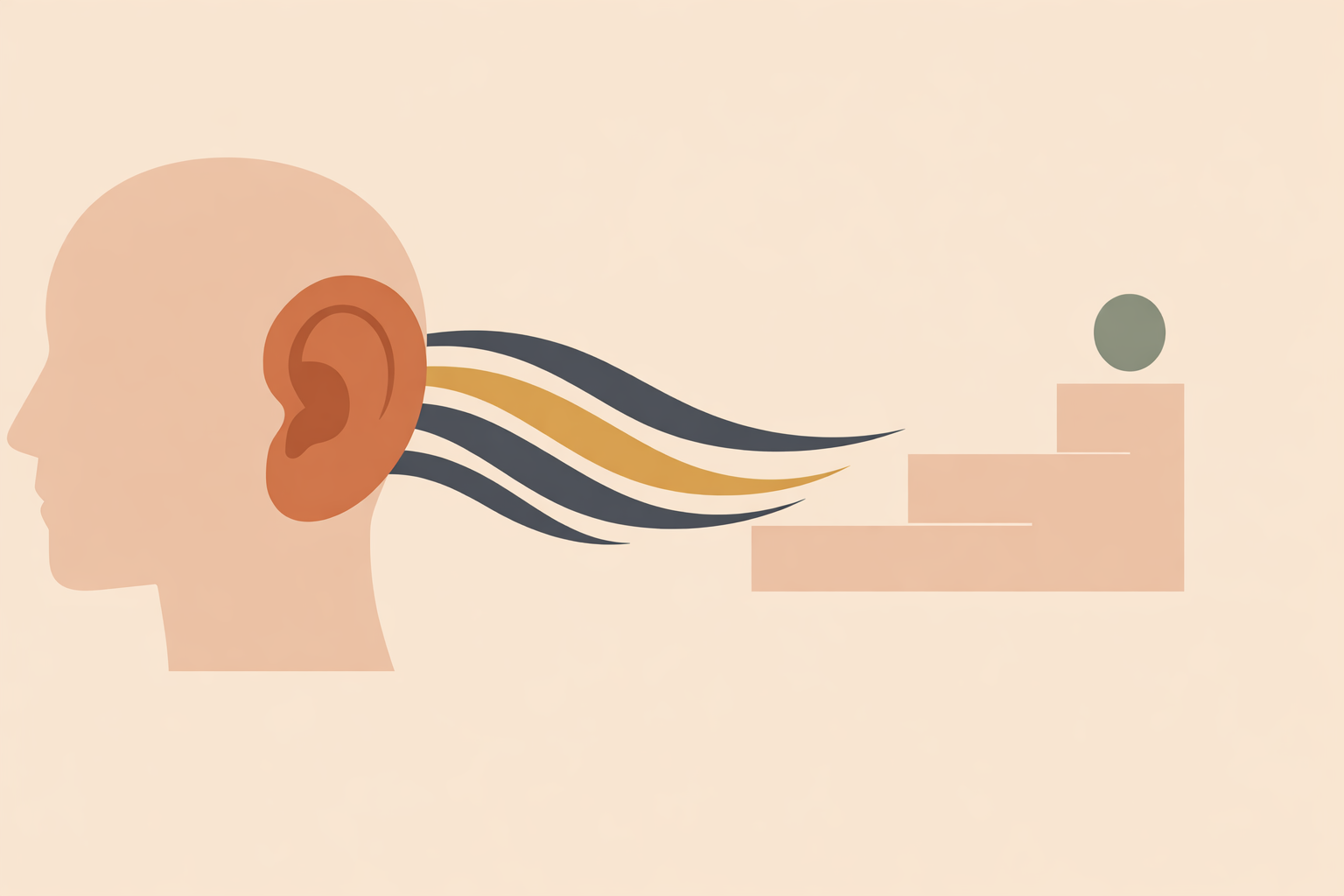
When an autistic adult is in burnout, language can either soften the moment or make it feel heavier. The most supportive words reduce pressure, protect dignity, and help someone find their footing again—at their pace, not yours.
Autistic burnout is more than fatigue. Many adults describe profound exhaustion, a noticeable drop in skills, and a reduced tolerance for everyday demands—often after extended masking and adapting, which is commonly linked with emotional depletion. Many autistic-led perspectives describe it as systemic overload, not a personal flaw—and that one shift changes everything about how a session feels.
Burnout can also be cyclical, like seasons: collapse, rest, renewal. Traditional knowledge has long respected these natural rhythms in the body and the wider world; good coaching language mirrors that wisdom by slowing down without shame. As attorney and advocate Haley Moss reminds us, “I might hit developmental and social milestones in a different order than my peers, but I am able to accomplish these small victories on my own time.”
Key Takeaway: The most helpful coaching language during autistic burnout reduces demand and shame by naming burnout as nervous-system overload, validating capacity, and offering consent-led, low-effort ways to communicate. When rest, boundaries, and unmasking are framed as wise protection, micro-steps and environmental supports become possible.
Step 1: Name Autistic Burnout as System Overload, Not Personal Failure
Start by naming burnout accurately: a nervous system pushed beyond capacity, not a character defect. That framing quickly reduces shame and makes space for steadier thinking.
Autistic burnout is often connected to a long-term mismatch between someone’s needs and the sensory, social, and systemic demands around them. When you name it as systemic overload, many people visibly relax: they’re not “broken”—they’re overextended. From there, the session naturally shifts from “fix me” to “let’s adjust what’s asking too much of you.”
It also helps to normalize patterns. Burnout is frequently cyclical, with steadier stretches and sudden drops. In the lows, communication and decisions may feel impossible, which fits the fatigue many people report and the masking-linked loss of motivation that can show up when reserves are empty.
Then bring permission into the room. Rest—even shutdown—can be a protective, intelligent response, consistent with guidance that frames rest as protective. As Temple Grandin reminds us, “I am different, not less.” Your language should reflect that respect.
Gently naming burnout in the first minutes together
- “I’m hearing signs of system overload, not a personal failure. We can slow everything down together.”
- “Burnout tends to come in waves. If this is a low tide, we’ll plan for low tide.”
- “Rest and reduced demands are wise choices here. Your system is asking for protection.”
Step 2: Open the Session With Validation, Not Demands
In burnout, the nervous system often needs “less” before it can do “more.” Open with validation and low-demand presence rather than a stack of questions.
Even a caring “What do you need?” can feel too big when mental resources are depleted. A simple way to support recovery is to reduce the decision load early in the session. Think of it like offering a handrail: scales, prompts, and small choices are often easier than open-ended explanations—especially during burnout. This also aligns with guidance to trim nonessential questions during intake.
Many autistic adults don’t experience small talk as “light”—it’s extra processing. In burnout, it can add to social strain and intensify masking, which may increase exhaustion. Closed prompts can be more supportive here, including closed questions that allow a yes/no or one-word answer. As behavior analyst Lana David puts it, “Behavior is communication. Change the environment and behaviors will change.” Your language is part of that environment.
Low-pressure opening phrases that lower the nervous system
- “Would ‘listening only’ feel best today? I can keep questions minimal.”
- “If I ask anything that feels like too much, a simple ‘pause’ is enough.”
- “Do you want a few yes/no check-ins, or prefer silence with notes from me?”
- “We can skip small talk entirely and get practical when you’re ready.”
- “Would you like me to offer options, and you can nod or say yes/no?”
Step 3: When Words Run Out, Use Low-Demand Communication
When speech is expensive, keep connection without forcing output. Low-demand tools—scales, colors, and tiny choices—let someone communicate while protecting energy.
Many coaches keep a few visual supports ready: a 0–10 scale, traffic-light colors, or simple icons. A point, nod, or chat message can carry the whole update. In practice, visual scales often help people express internal states quickly and safely.
Put simply: shrink the menu. Two options is kinder than twenty. That approach mirrors guidance to reduce cognitive load during burnout. It also helps to name that long-term masking can make honest answers harder in a crash; that gentle acknowledgment can reduce shame around “I can’t talk today,” which resonates with masking-linked withdrawal.
Before moving into heavier topics, ask for consent. Autistic-led guidance emphasizes checking if a topic is wanted at all. As Dr. Stephen Shore says, “If you’ve met one person with autism, you’ve met one person with autism.” Tools should follow the person—never the other way around.
Scales, colours, and simple choices instead of long explanations
- Energy scale: “On 0–10, where are you now? Hand signal is fine.”
- Color code: “Red = stop, Amber = gentle only, Green = okay for planning.”
- Two-choice prompts: “Would you like a 5-minute pause or end early?”
- Consent check: “Talk about work today—yes/no?”
- Nonverbal cues: “Thumbs up/down for each option; you don’t need to speak.”
Step 4: Speak Rest, Boundaries, and Unmasking as Acts of Courage
In burnout, people often need explicit permission: to slow down, to simplify, to be fully themselves. Words that frame rest and boundaries as wise choices can support recovery.
Many ancestral traditions honored retreat and regeneration as part of staying well. You can bring that same respect into coaching: rest isn’t “doing nothing”—it’s replenishing. Autistic-led organizations also prioritize rest as central to recovery. And boundaries aren’t selfish; they’re protection, echoed in guidance on boundaries during burnout.
Permission-giving language can be profoundly regulating: short, clear statements that remove the need to justify. Resources also describe compassionate permission as powerful. Unmasking—stimming, less eye contact, fewer words—often reduces strain, aligning with advocacy that highlights unmasking and safe authenticity. As Dani Bowman says, “English is my 2nd language. Autism is my first.” Let the session welcome that first language.
Language that gives explicit permission to slow down and be fully autistic
- “Your rest plan is not avoidance; it’s strategy.”
- “Saying ‘no’ is you protecting your energy budget, not letting anyone down.”
- “You never need to mask here—stims, quiet, cameras off are all welcome.”
- “We’ll match your current capacity, not an imaginary timeline.”
- “If your body says ‘stop,’ we stop. That’s wisdom.”
Step 5: Move Gently Into Problem-Solving, One Tiny Decision at a Time
Once the person feels safer and steadier, move into planning in “micro-steps.” One decision at a time, one day at a time—and only with consent.
When burnout is high, “solutions” can feel like a mountain. Instead of handing the mountain back to the client, offer to co-create options. Many practitioners ask permission to suggest choices during burnout, then break the next step into small steps that are actually doable. Essentially, you’re borrowing your executive function so they don’t have to.
It also helps to hold the wider context. Neurodivergent adults may be navigating overlapping stressors; for example, one review notes ADHD–PTSD co-occurrence of 28–36%, and adults with ADHD experience anxiety at about 47.1%. That’s another reason tiny experiments matter: they build stability without overwhelming the system. As John Elder Robison points out, aligning with a person’s interests can make progress easier—especially when energy is scarce.
From “everything is too much” to one practical next step
- Consent to plan: “Ready for a 5-minute micro-plan, or prefer pure rest today?”
- Define a micro-goal: “For the next 24 hours, is the goal ‘stability only’ or ‘one small task’?”
- Offer two paths: “Two options—email your boss a ‘sick day’ template, or set an out-of-office?”
- Design the smallest step: “If we choose out-of-office, would you like me to draft the sentence?”
- Externalize supports: “Would checkboxes or a 2-item list help? I can send a one-screen plan.”
- Energy budgeting: “On a 0–10 scale, what can we spend tomorrow? We can pre-allocate 2 points for meals and 1 for a shower.”
Step 6: Use Your Words to Shape Environment, Ritual, and Community
Burnout recovery becomes more possible when language helps reshape the person’s environment and rhythm. Think of it as building a small sanctuary: space, routine, and people who feel safe.
Start with the immediate environment. Suggest softening lights, reducing strong scents, and creating quiet corners—practical steps aligned with guidance on sensory support. Then help build gentle anchors in the day. Familiar, predictable rhythms can reduce load and support recovery.
Support natural self-regulation. Encourage stimming and “stim-friendly” setups (fidgets, rocking, headphones). That can reduce masking pressure, echoing advocacy that normalizes stimming as authentic. And when planning is possible, simple visual supports can make rest non-negotiable, consistent with autistic-led guidance on visual schedules.
Finally, widen the circle with care. Many adults describe peer connection as central to recovery—less explaining, more belonging—reflected in resources highlighting affirming community. As Sue Abramowski says, “The world needs all kinds of minds, we’re not all meant to be cookie cutters.”
Designing sensory-safe, predictable, and community-rooted support
- Environment: “What’s one sensory tweak we can make today—light, sound, or scent?”
- Ritual: “Let’s anchor your morning: water, anything you usually take, and a 2-minute stretch.”
- Stimming: “Which stims help most? Let’s bring them into your workspace openly.”
- Schedule: “We’ll block 2 planned rests into your calendar before any other tasks.”
- Community: “Would a peer group or one autistic friend to text be resourcing this week?”
Conclusion: From Scripts to Confident Autism Coaching With Burned-Out Adults
These phrases aren’t meant to sound perfect; they’re meant to communicate a stance: partnership over pressure. The aim is to support someone in shaping environments and rhythms that fit their nervous system—an approach emphasized in neurodiversity-informed coaching.
Frameworks can still help, as long as they’re slowed down and adapted. Guidance on structured models highlights how structure can be inclusive when it remains consent-led and person-centered. What’s worth avoiding is any approach that pressures masking or compliance, a caution echoed in critiques of masking-focused social skills approaches. Keep the focus on recalibration rather than rushing a “return to normal,” in line with a systems view of overload.
Traditional wisdom reminds us that rest and renewal aren’t detours; they’re part of the cycle. When you center consent, simplify decisions, and respect timing, your language becomes a kind of steady shelter. As Gyasi Burks-Abbott reminds us, success is a spectrum—and your words can make that spectrum feel like home.
Ready to Go Deeper?
Take the next step with a Naturalistico certification — designed for practitioners ready to deepen their expertise.
Explore the Course →