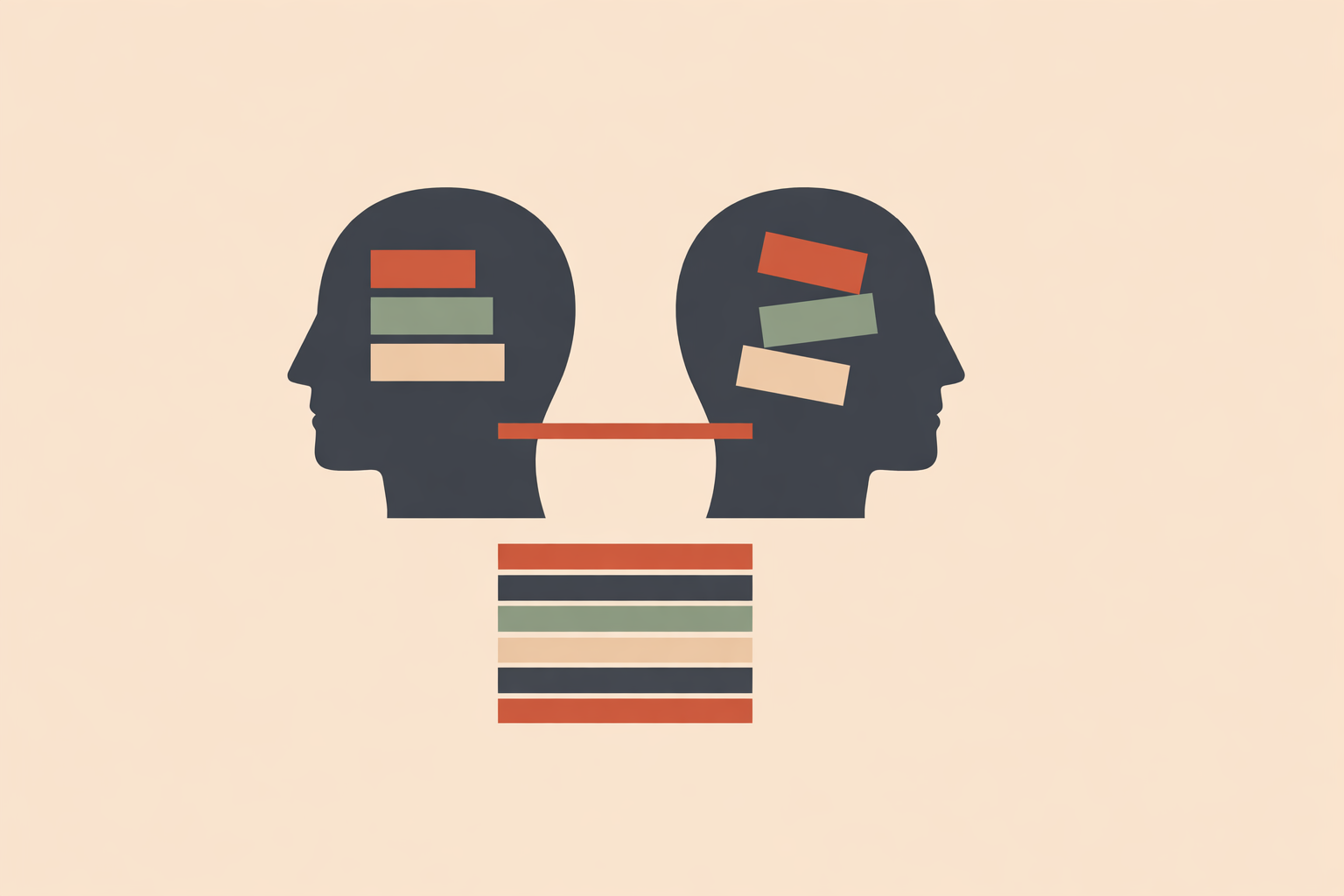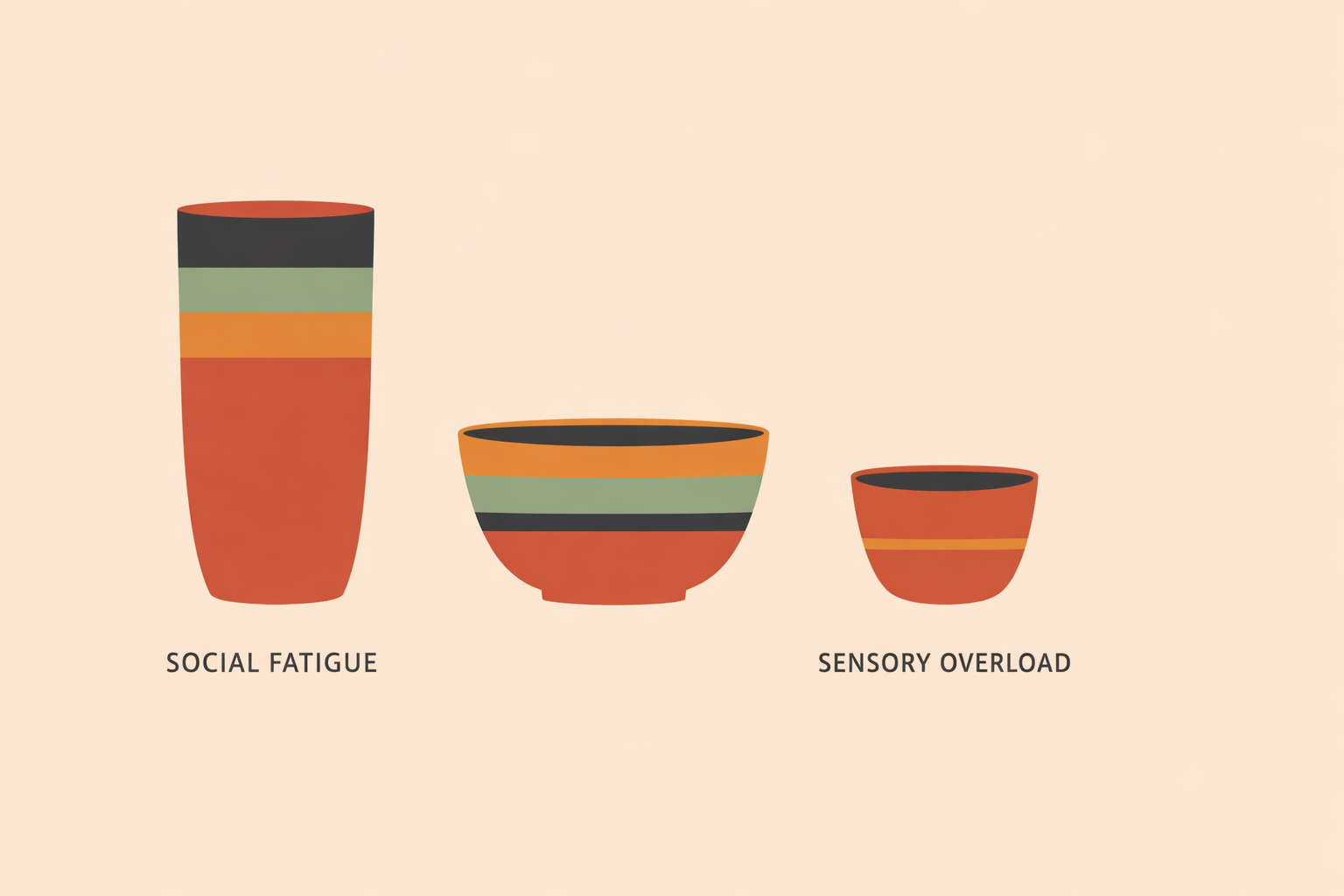
Many ADHD coaches run into the same wall: a client can clearly name their goals, but everyday life keeps shredding the plan. New apps, color-coded bins, and ambitious routines often spark a week of progress—then collapse under late starts, lost items, and shifting energy. Sessions can turn into post-mortems on missed appointments and derailed transitions, and the client walks away thinking they simply need to try harder. Usually, it’s a design issue, not a motivation issue—and the real question becomes what to build first so it actually lasts.
In practice, ADHD organization “works” best when success is measured by reduced friction: fewer mix-ups, smoother transitions, and routines that hold up on ordinary weeks. This also matches what many adults experience—early gains are common, but it’s harder sustaining behavior change without the right supports.
The most durable moves tend to do four things: make time visible, shrink the next step, let the environment carry memory, and add social rhythm. Those principles also align beautifully with long-standing communal traditions—where shared routines, visible cues, and predictable cycles supported attention and follow-through as a normal part of life.
Key Takeaway: Durable ADHD organization systems reduce friction by externalizing time, shrinking the next step, and shifting memory into the environment and social rhythm. Start with one calendar and behavior-based cues, pair micro-steps with simple zones or launch pads, and iterate in small two-tool combinations until the setup survives ordinary weeks.
2. Make Time Visible: Calendars, Reminders, and Time Anchors That Stick
The fastest relief for time-related ADHD challenges often comes from making time visible and actionable. One master calendar, behavior-based reminders, and routine anchors tend to beat complex tools that scatter attention.
When the challenge is time blindness. Many clients live with real time blindness—time doesn’t “feel” accurate unless it’s externalized. A central calendar reduces working-memory strain and makes commitments easier to trust. Practical ADHD guidance describes calendars as “external memory” to track appointments and key tasks.
Keep it to one master calendar. Placement matters, too: the best calendar is the one the client naturally sees—phone lock screen, kitchen wall, entryway, or desk—so the day’s shape stays “in the room,” not hidden in an app folder.
Also make the invisible parts visible. Add prep, travel, and recovery blocks so an appointment becomes a sequence the body can follow—an approach emphasized in ADHD-friendly planning guides.
Reminders work best when they cue behavior, not just information. “Meeting at 4” becomes “Pack bag 3:15,” “Leave 3:30,” “Join link 3:55.” Studies on implementation intentions show that specific action cues improve follow-through because they reduce in-the-moment deciding.
Finally, anchor tasks to what’s already happening: “after breakfast,” “after school drop-off,” “before dinner.” Linking a new behavior to an existing routine cue improves automaticity—think of it like hitching a small wagon to a train that already runs every day.
- Quick start: one weekly view, one daily card, three behavior-based reminders per key event.
- Block prep, travel, and a small recovery window.
- Anchor 1–2 recurring tasks to daily rituals that already exist.
3. Make Steps Tiny and Obvious: Checklists, Micro-Steps, and Short Routines
When initiation stalls, the most reliable fix is to shrink the first move and make the sequence unmistakable. Micro-steps, brief checklists, and short routines help clients start—even when energy is low.
When the problem is getting started or remembering what comes next. Avoidance often shows up when the first step is unclear. Research on procrastination links ambiguity and aversiveness to avoidance, while clearer next steps reduce procrastination. ADHD supports commonly emphasize small, concrete steps and checklists for exactly this reason.
Put simply: replace “clean the room” with a three-minute entry point—“put laundry in basket,” “collect dishes,” “trash obvious trash.” Creating specific plans increases task completion because it removes negotiation in the moment.
Short routines act like daily re-centering. Structured morning routines are often especially helpful for reducing first-hour chaos and preventing a day-long domino effect.
Keep lists short so they get used. Working memory tends to handle about 4–7 items comfortably, so a tiny checklist becomes a “low-brain script” that still works on hard days.
- Evening “decide once” habits: set out clothes, pack bag, prep breakfast—classic ways to keep steps small and concrete.
- Sample morning list (5 items): meds/supplements, wash, dress, breakfast, pack/launch pad check.
- Sample work-start list (4 items): open calendar, choose top 1–2, start timer, mute alerts.
4. Let the Space Do the Remembering: Launch Pads, Zones, and Simple Paper/Digital Flows
The most sustainable systems let the environment do more of the remembering. Visible homes for essentials, a door-side launch pad, and simple paper/digital flows prevent the “Where did it go?” spiral before it starts.
When clutter and lost items keep derailing good intentions. Environmental design reduces the need to rely on working memory and willpower alone. ADHD guidance explicitly recommends modifying the environment with designated places and simplified systems.
For many clients, “out of sight, out of mind” is not a metaphor—it’s daily life. That’s why ADHD organizing advice often favors visible storage, since hidden items are more easily forgotten or unused. Clear bins, open shelves, and simple labels reduce rummaging and re-buying.
A door-side launch pad (keys, wallet, phone, bags, forms) is one of the highest-yield changes you can make. ADHD home-organization guidance often recommends an exit station to reduce last-minute searching and lateness. The rule is simple: if it leaves the house, it gets a visible home you pass on the way out.
For paper, fewer categories win. “Inbox, action, archive, discard” tends to survive better than complex filing, which many ADHD clients find hard to maintain.
Digital clutter matters, too. High message volume and frequent notifications correlate with stress and distraction, and limiting email checks to set times has been shown to reduced stress. Batching notifications and using a consistent folder structure can quickly lighten the mental load.
Essentially, aim for retrieval speed and calmer days—not showroom neatness. Put frequently used items in “prime real estate” near where they’re used, a placement approach tied to better retrieval speed and less daily friction.
- Space quick-start: hooks by doors, a tray on the desk, a labeled bin for each household member.
- Paper quick-start: one inbox, one action folder, one archive, one shred/recycle bin.
- Digital quick-start: one notes app, three core folders, uniform file names with dates, batched notifications.
5. Use People and Rhythm: Body Doubling, Weekly Resets, and Communal Support
Many systems hold best when social support and predictable rhythm are added. A steady weekly reset, shared responsibility, and simple “togetherness” can keep momentum from fading.
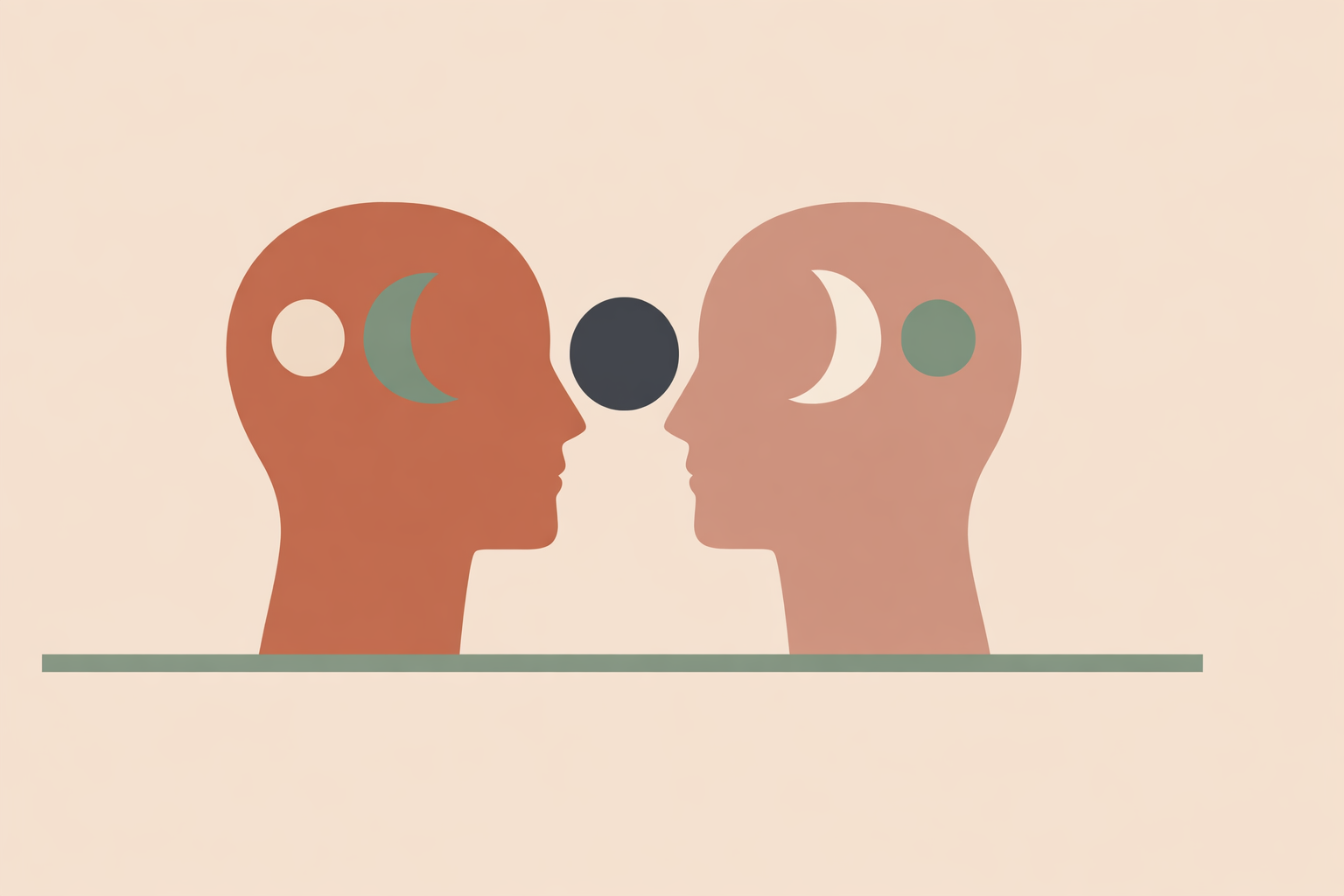
When starting and maintaining systems is easier together. Body doubling—having another person present while you work—is widely used in the ADHD community. ADHD organizations describe body doubling as a common strategy that helps with initiation and persistence, even if the other person is quietly doing their own work.
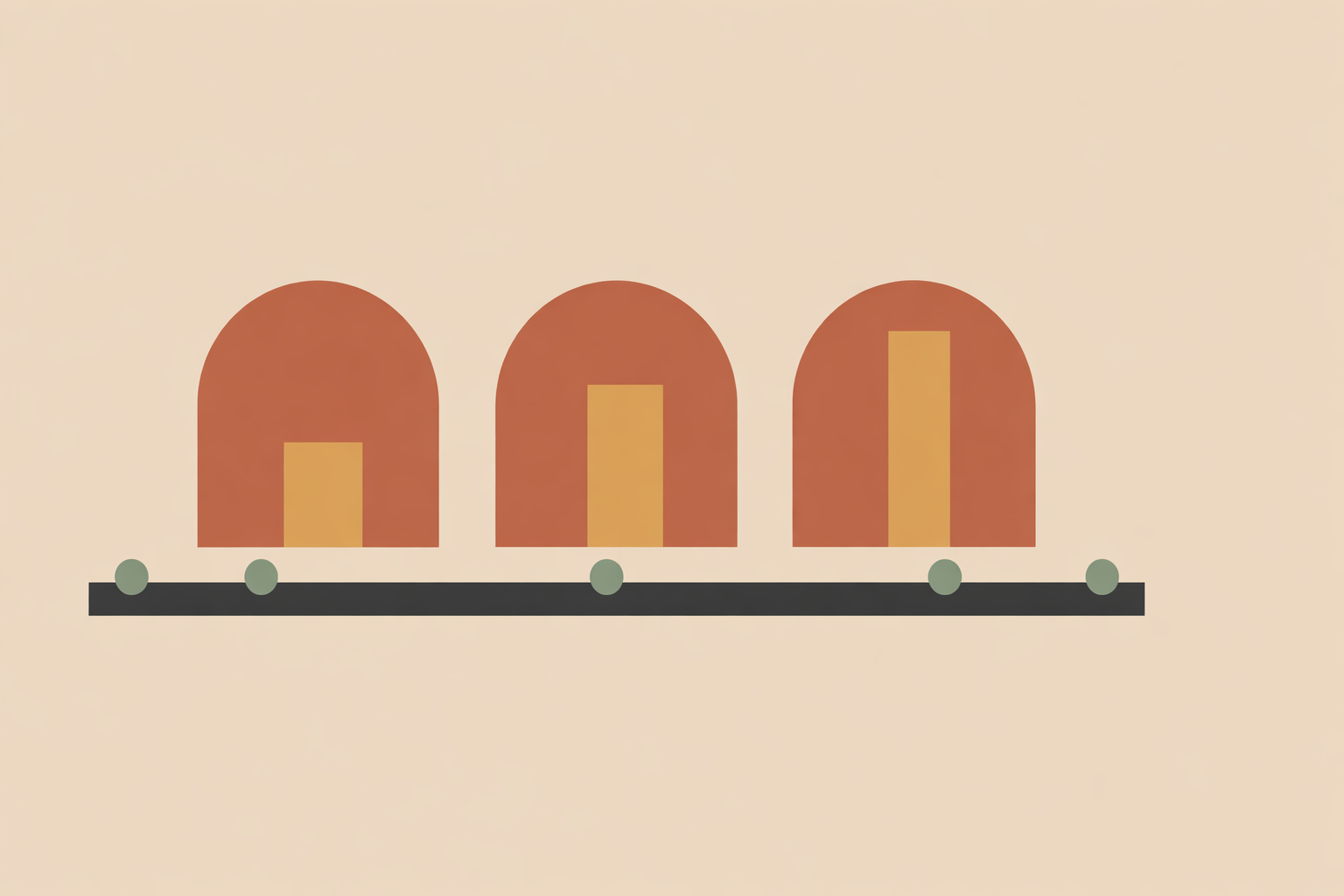
A weekly reset is the other stabilizer. A brief weekly review/reset helps systems stay current: scan the calendar, clear an inbox, restock the launch pad, and preview meals or errands so small pileups don’t become overwhelming.
Remote work can intensify the need for structure. Telework research highlights increased loneliness and blurred boundaries without intentional routines. Policy guidance recommends co-working sessions, check-ins, and bookend routines to support structure and productivity—highly compatible with ADHD-friendly planning.
Shared responsibility multiplies gains. Family-based ADHD work emphasizes collaborative problem-solving and distributing tasks, noting that shared responsibility supports sustainability. Keep roles visible—who does the bag check, who handles forms, when prep happens—so the system supports everyone, not just the most organized person.
For many people rooted in ancestral ways of living, this kind of support is familiar. Historically, communal work patterns and seasonal resets offered structure for attention and energy: predictable cycles, collective effort, and “done together” tasks that felt lighter. Modern life can still hold that spirit through small circles, reliable rituals, and shared rhythms.
- Body doubling scripts: “Sit with me while I start,” “Ping me at 15 to switch,” “We’ll both do 25 on mute.”
- Weekly reset checklist: calendar sync, launch pad restock, inbox to zero-or-close, meal sketch, trash/recycling run, floors/light tidy.
- Shared boards: one visible plan everyone can see, with names on roles and days.
6. Tailor and Sequence ADHD Strategies to Real Lives, Cultures, and Energy Patterns
Match tools to the person in front of you—their age, setting, culture, household realities, and energy patterns. Then sequence two small moves that relieve the most frequent friction first.
Individualization is central to ethical, effective support. Guidelines emphasize individualized, developmentally and culturally appropriate planning, because what fits a child with family scaffolding won’t look the same for a college student, remote worker, or business owner.
A practical sequencing rule: go where the pain is hottest and most frequent. If lateness dominates, begin with a master calendar plus anchors. If lost items dominate, start with a launch pad plus a tiny exit routine. If overwhelm is the pattern, combine micro-steps with social presence. This aligns with findings that systems last better when support and routines help sustain behavior changes over time.
For autistic clients, more structure and sensory-aware pacing can be especially supportive. Guidance recommends clear structure, written supports, adapted pace, and attention to sensory sensitivities—a natural fit with ADHD-friendly tools like predictable sequences and concrete steps.
Keep a neurodiversity-affirming center: reduce shame, honor strengths, adapt environments, and build skills the person actually wants. Collaborative approaches that reduce shame tend to make change feel possible and sustainable.
Two-tool combinations often outperform single tactics because they support timing and initiation together. Broader ADHD reviews note better outcomes with single-modality approaches; in coaching terms, pair a time or space tool with an initiation or rhythm tool so the system has more than one “engine.”
High-integrity coaches also place their work within professional standards. As the ADHD Coaches Organization notes, “In order to be recognized as a Professional ADHD Coach, one must either have completed a fully integrated ADHD Coach Training Program, or completed at least 60 hours of ICF-compliant life coach training plus at least 35 hours of ADHD coach training from recognized sources.” Pathways vary, but the principle is steady: be transparent about training, scope, and methods.
- Choosing your client’s first two moves:
- Identify the top friction (time, steps, space, or sustainment).
- Pick one time tool or one space tool, plus one initiation or rhythm tool.
- Pilot for two weeks, then keep what worked and prune what didn’t.
- Translate wins into visible cues so the environment carries more of the load.
Conclusion: Choose Two ADHD Organization Strategies That Actually Work Now
Start small and practical: one tool that makes time visible, plus one tool that shapes steps, space, or rhythm. This “two-move” approach mirrors broader findings that combined approaches often lead to stronger day-to-day outcomes than relying on a single tactic.
A classic high-yield pairing is evening preparation plus a short morning checklist, backed by a door-side launch pad. It pre-decides and pre-packs, then runs a tiny script—turning decision-heavy moments into smoother handoffs. Practical resources highlight the value of a brief evening reset and simple morning routines, which many coaches naturally adapt into visible launch pads and five-step lists.
Keep designs humble enough to survive low-energy weeks. Simple systems are easier to maintain than elaborate ones, and ADHD organizing guidance consistently favors simple, low-effort systems when life is full and capacity fluctuates.
As you iterate with clients, honor both modern evidence and traditional rhythm: predictable cycles, communal presence, and environments that “remember” on our behalf. Choose two moves, test them briefly, and let real-life results guide the next step. If a tool fails, it’s information—not a personal flaw.
Master ADHD Coach certification
Apply these friction-reducing systems with clients through the Naturalistico ADHD Coach certification.
Explore ADHD Coach certification →