Many dementia-care teams hit the same wall: anxiety rises, a supporter reaches for the “right line,” and the moment still escalates. Scripts can help in training, but in real life they can sound like correction—adding pressure, stretching simple tasks, and thinning trust. The issue usually isn’t effort; it’s practicing communication as a living, moment-by-moment skill.
Real competence is less about memorized phrasing and more about attunement anchored in identity. When supporters blend respect, lighter language, and environmental cues—and meet feelings before facts—they reduce cognitive load and protect dignity. Research on person‑centered care links this approach with reduced agitation and greater cooperation. These principles also echo long-standing traditional ways of honoring elders: slowing down, listening for meaning, and keeping the person’s place in the community intact.
What follows is a practical path: first, a clearer picture of what “skill” really looks like; then six techniques you can teach, observe, and coach across shifts and family dynamics.
Key Takeaway: The most reliable dementia communication isn’t perfect wording—it’s person-centered attunement that protects identity and lowers cognitive load. When teams consistently validate feelings first, simplify language and choices, use nonverbal and sensory anchors, shape the environment, and keep an adult-to-adult tone, distress often drops and cooperation rises.
Technique 1: Responding to Feelings, Not Facts
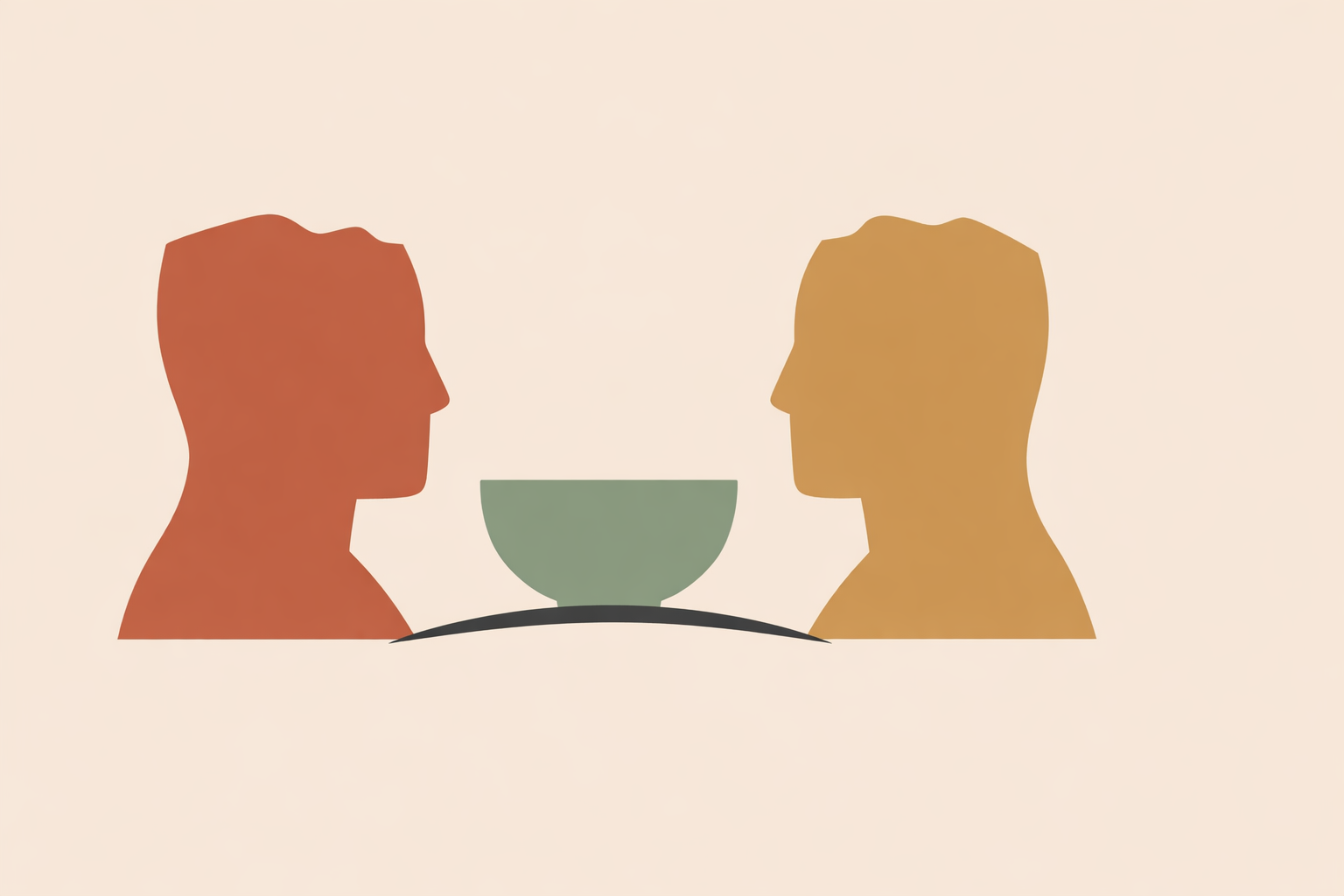
When memory or logic wobbles, feelings often stay crystal clear. Skilled supporters validate the emotional truth first, rather than debating details. That simple re-ordering can quickly lower distress and make cooperation more possible.
Many organizations teach this stance because it works in day-to-day moments. Alzheimer’s San Diego distills it to a simple rule: “Respond to feelings over facts.” They also encourage you to practice 100% forgiveness, which helps you stay calm and present. Harvard Health highlights active listening, while the National Institute on Aging advises supporters to avoid quizzing or “testing” recent memory.
Here’s what this can sound like:
- “You’re worried about your mother. That sounds hard. Let’s sit by the window for a minute and see what would help.”
- “You’re ready to go home. I hear that. Let’s get your favorite cardigan first—then we’ll look at the plan together.”
- “You’re upset that the keys are missing. It’s frustrating when things move. I’ll help you look after we have some tea.”
Notice the pattern: name the feeling, match the tone, then offer a next step that protects dignity. If a story is inaccurate, you don’t need to correct it to create safety. You can align with the emotion and gently redirect toward comfort or practical next actions. This person-centered stance has been linked with better quality of life and reduced distress.
Naturalistico’s training reinforces these validation techniques—acknowledging even off-topic responses, reflecting meaning, and inviting more sharing so the person feels genuinely met.
Why correcting memories often backfires—and what skilled supporters do instead
Correction can trigger shame or defensiveness, especially when someone already feels off-balance. Validation reduces perceived threat. What this means is you’re not “giving in”; you’re choosing emotional safety first so the rest of the interaction can move with less friction.
Technique 2: Lighter Language and Longer Pauses
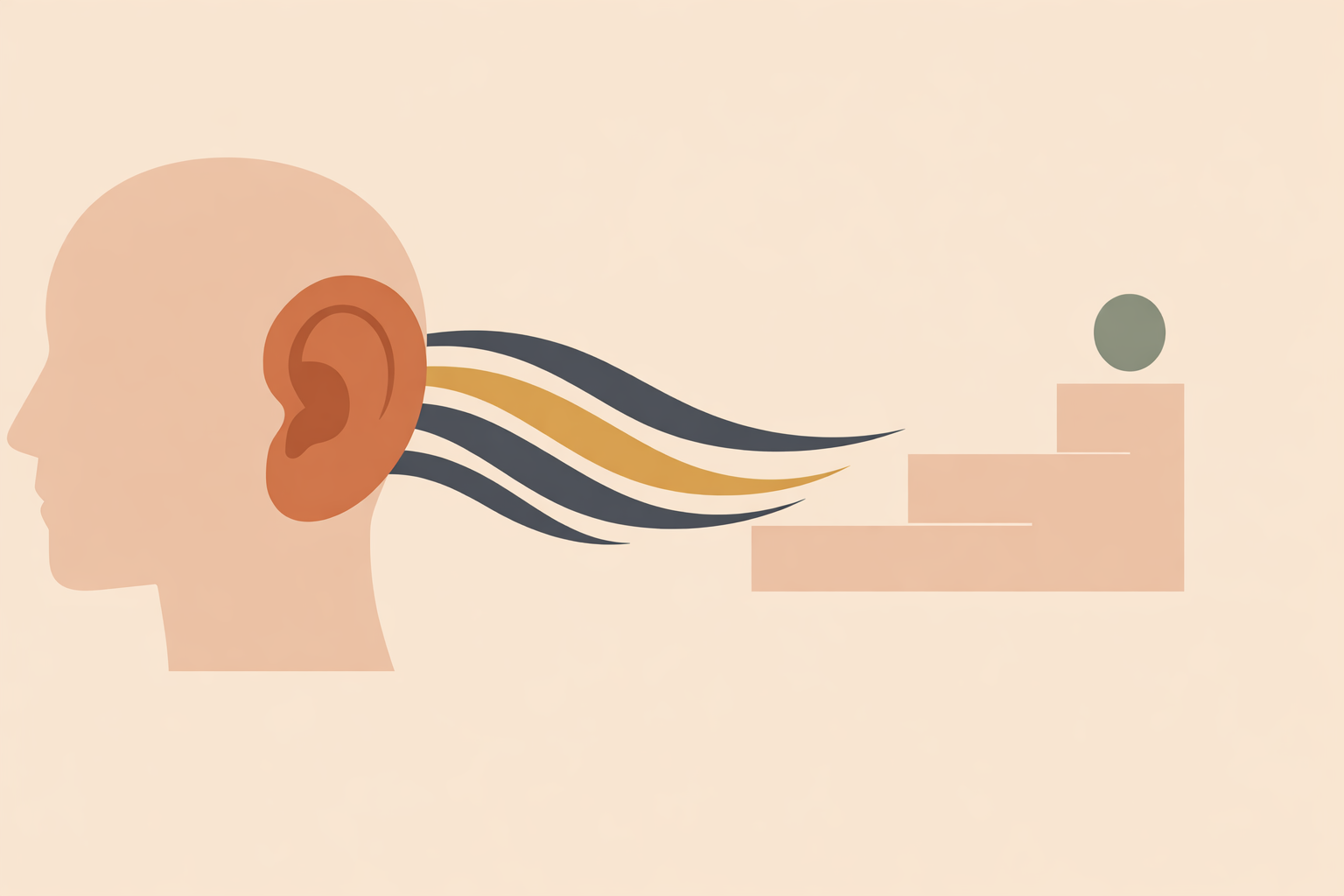
Fewer words, simpler choices, and generous silence make conversations easier to follow. Put simply: calm pacing helps the brain succeed.
Guides consistently recommend one idea at a time, because long explanations can overload comprehension. Harvard Health suggests short, simple sentences. The NHS recommends breaking tasks into single steps and pairing them with gestures, and the NIA encourages yes‑or‑no or two-option questions to keep participation doable.
Timing matters just as much as wording. Dementia communication guides encourage you to allow time—often longer than feels natural—so the person can process and respond. If you repeat a question, keep the wording steady. Written aids can also reduce strain; Harvard Health points to written reminders as a practical support for everyday tasks.
Two small tools that often help immediately:
- Three-beat instructions: “Stand up.” (pause) “Pick up your scarf.” (pause) “We’ll go to the porch.”
- Choice ladder: Start with yes/no (“Ready for tea?”). Then two options (“Black or herbal?”). If needed, offer a respectful default (“I’ll pour the herbal we like.”).
Short sentences, simple choices, and unhurried silence
Think of your words like stepping stones across a stream: simple, steady, and spaced so each one can be reached. That’s not “talking down”—it’s skilled support.
Technique 3: Let the Body and Senses Speak
As words become harder work, connection often lives in the body—eyes, face, hands—and in songs or objects that carry memory. Experienced practitioners lean into these channels with warmth and precision.
Dementia organizations encourage non-verbal attunement—eye contact, nods, gentle mirroring—and naming visible emotion without judgment. This kind of emotion mirroring can help someone feel understood even when speech is limited.
Research also highlights how personalised objects, photos, and familiar visuals can spark interaction even in later stages. Naturalistico’s training builds these into everyday rituals—music during washing, a cherished scarf before going outside, a familiar greeting—practical sensory approaches that lower effort and help preserve selfhood.
One of the course mantras captures it well: “Leverage body language, facial expressions, and personalized objects or photos as verbal skills decline.”
In many ancestral settings, singing while preparing tea, a steady hand-on-shoulder, or a familiar blessing was never considered a “technique”—it was simply how elders were met with care and belonging. Modern practice names these supports so teams can apply them consistently and respectfully.
Try this quick checklist:
- Eyes first: Approach within sightline, soften your face, and wait for a glance before speaking.
- Hands visible: Gesture the action you’re inviting so words have a picture.
- Memory anchors: Offer one relevant object to orient the moment (mug, hat, photo).
- Familiar sound: Hum a line of a known song and let the body find the rhythm.
Non-verbal attunement, reminiscence, and sensory anchors
When language is tiring, the senses carry the story. Let them.
Technique 4: Let the Environment Do Half the Work
The room speaks before you do. Light, noise, layout, and timing can make an interaction feel safe—or subtly threatening. Skilled supporters shape these elements so cooperation becomes the natural next step.
Start with the basics: quieter, well‑lit spaces, less competing sound, and sitting at eye level so faces are easy to read. Many practitioners use a brief “reset” ritual before something challenging: clear the table, soften the light, offer a drink, slow the pace together. Practice-based guidance often recommends creating a calm environment first, then speaking slowly and simply.
Person-centered research suggests environmental enhancements—meaningful objects, plants, gentle animals—can be part of supportive care and are associated with reduced agitation. Essentially, when surroundings feel familiar and non-threatening, many “behavior” challenges soften without a battle.
When tension rises, it’s often wiser to step sideways than push forward. Use cheerful reassurance and revisit the task later. In everyday practice, small environmental tweaks—softer light, fewer decisions, scented hand cream before washing, a warm blanket before standing—signal, “You’re safe here.”
A repeatable “room reset”:
- Noise: Off unless it’s familiar and soothing.
- Light: Even and gentle, with faces clearly lit and fewer shadows.
- Layout: Sit angled side‑by‑side for collaboration rather than face-to-face pressure.
- Rhythm: Anchor with a small ritual—tea poured, a favorite object placed, a slow breath together.
Using space, light, and rhythm to communicate safety
Think of yourself as a stagehand for calm. When the set is right, the scene often unfolds with far less effort.
Technique 5: Let Your Tone Carry Their Dignity
How you sound often lands more strongly than what you say. Mastery shows up as an adult-to-adult tone: clear, warm, and never sing-song or patronizing.
Harvard Health recommends speaking clearly and calmly at a slower pace while avoiding exaggerated pitch or “baby talk.” The Gerontological Society of America also advises avoiding elderspeak to support dignity and independence. The NHS suggests allowing time for word-finding and using gentle checking of understanding (“Is this what you mean?”) rather than taking over.
It also helps to keep the person included in group conversations, inviting them to answer whenever possible. Person-centered approaches that support engagement are associated with increased social interaction and better emotional well-being.
Consistency is easier when supporters have reflective habits and peer support. Naturalistico highlights reflective practice as a way to keep kindness steady, even when work is demanding.
A few tone-forward scripts:
- Adult-to-adult ask: “Would now be a good time to stretch our legs?”
- Respectful boundary: “I hear that you’re not up for it. Let’s revisit it after we rest a bit.”
- Double-check meaning: “I want to be sure I’ve got you—are you wanting the blue sweater?”
Avoiding elderspeak and keeping conversations adult-to-adult
Honor in your voice builds trust in their body. With trust, most doors open.
Technique 6: Turning Techniques into a Coherent, Ancestral-Informed Practice
Techniques become real skill when they’re woven into your daily rhythm—how you begin an interaction, note what works, and collaborate with families and colleagues. People often sense that steadiness before you even speak.
Start with identity and meaning. Build routines around life history, preferences, and familiar activities so communication stays anchored in who the person is. Person-centered frameworks show that when identity remains central, benefits can be sustained and quality of life can improve over time.
Then make the approach shareable. Comfort-focused practices that emphasize choice-honoring and micro-validations are especially easy to pass across shifts, because they’re small, observable, and repeatable. Sharing patterns with the wider circle supports ongoing collaboration so helpful changes stick.
In Naturalistico’s pathway, the communication module “covers verbal and nonverbal techniques, validation, and misunderstanding reduction as core skill-building,” helping supporters translate principles into dependable habits. This overall focus aligns with evidence that person-centered approaches can support quality of life and everyday well-being.
A simple daily practice loop:
- Start with centering: Two slow breaths; set an intention (“Dignity and ease”).
- Open with identity: Greet by name and offer one anchor (photo, mug, music).
- Speak in steps: One short sentence, pause; reflect feelings; offer one manageable choice.
- Shape the room: Lower noise, soften light, sit angled side-by-side.
- Close with notes: Record what worked (timing, objects, phrases) and share with the support circle.
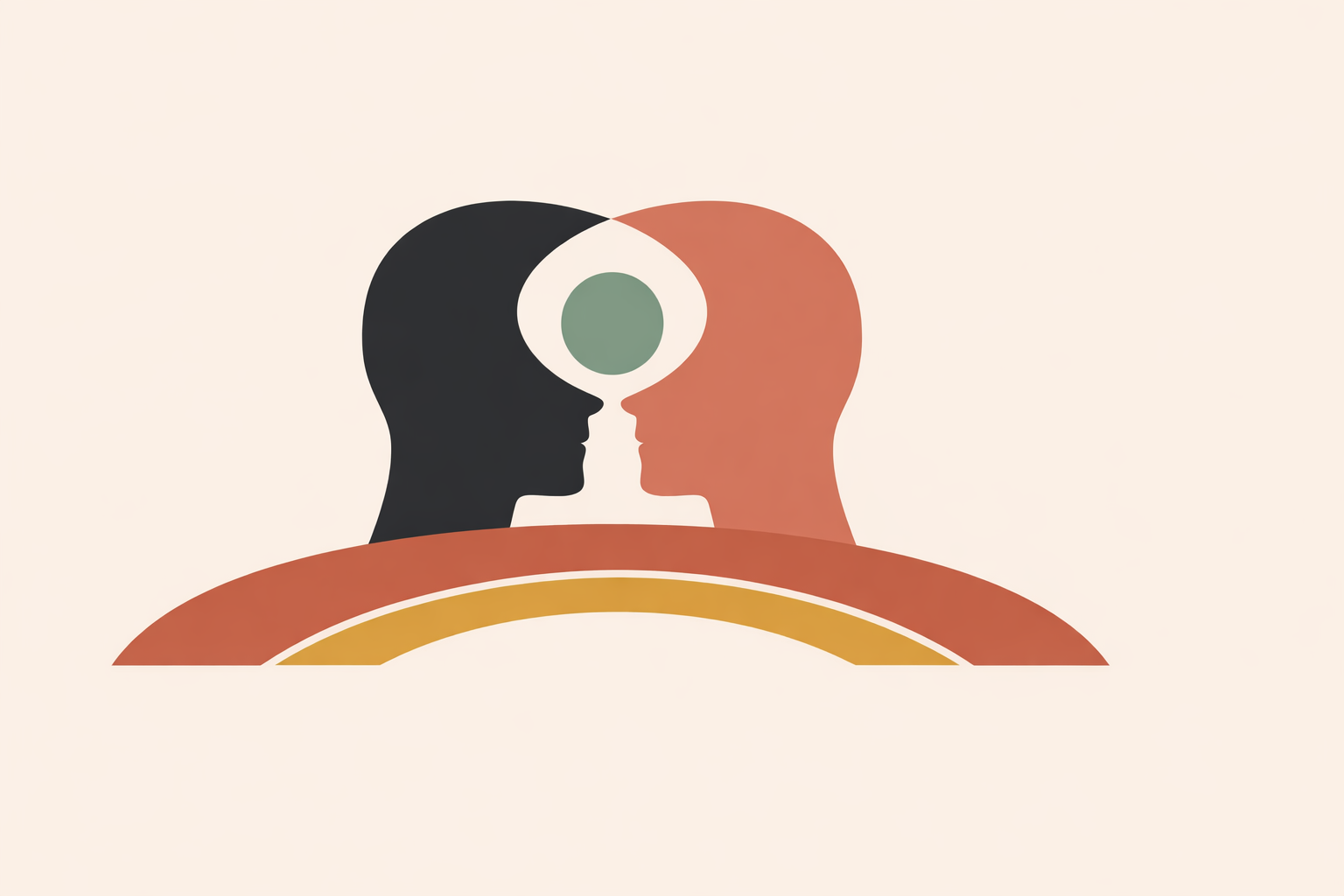
From isolated tips to a recognisable professional approach
When these pieces align, your presence becomes a dependable throughline—predictable, kind, and respectful of both ancestral wisdom and contemporary research. Over time, consistent person-centered communication and identity-based routines can support better day‑to‑day experiences.
Conclusion: Dementia Communication Techniques That Signal Real Skill
Mastery shows up in small moments: validate feelings before facts, use lighter language with longer pauses, let your eyes and hands communicate safety, shape the room, and keep an adult-to-adult tone. Done consistently, these choices support daily well-being hour by hour.
Traditional wisdom offers a strong compass here—cherished songs, respectful pacing, shared rituals, and storytelling that keeps elders connected to who they are. Blended with person-centered frameworks, these practices form a grounded approach that can evolve with each person and each setting.
Over time, refine what works: note what settles the nervous system, compare observations across the support circle, and protect your own capacity so warmth stays available even on hard days.
Train Dementia Communication Skills
Build consistent, person-centered dementia communication habits with the Dementia Certification Course.
Explore the Course →