Many new wellness coaches inherit the same intake routine: a packet of forms, a lifestyle recall, and a list of goals to make SMART. It looks thorough, but it often breaks a client’s story into pieces. Early sessions can start to feel like an audit, and you’re left wondering which lever will actually help this week.
A cleaner flow tends to work better: one visual map, one short values conversation, and one light check-in rhythm. Together, these tools help you see the whole person, connect priorities to meaning, and keep progress visible without over-collecting information.
Key Takeaway: Faster client profiling comes from one integrated arc: see the whole, link it to values, and track change lightly. Start with a 6–8 domain wellness wheel for an instant snapshot, add a 10-minute values and motivation mini-interview to connect low areas to a meaningful “why,” and use ORS-style micro check-ins with a living tracker to notice change over time.
1. Use a 6–8 Domain Wellness Wheel for Instant Clarity
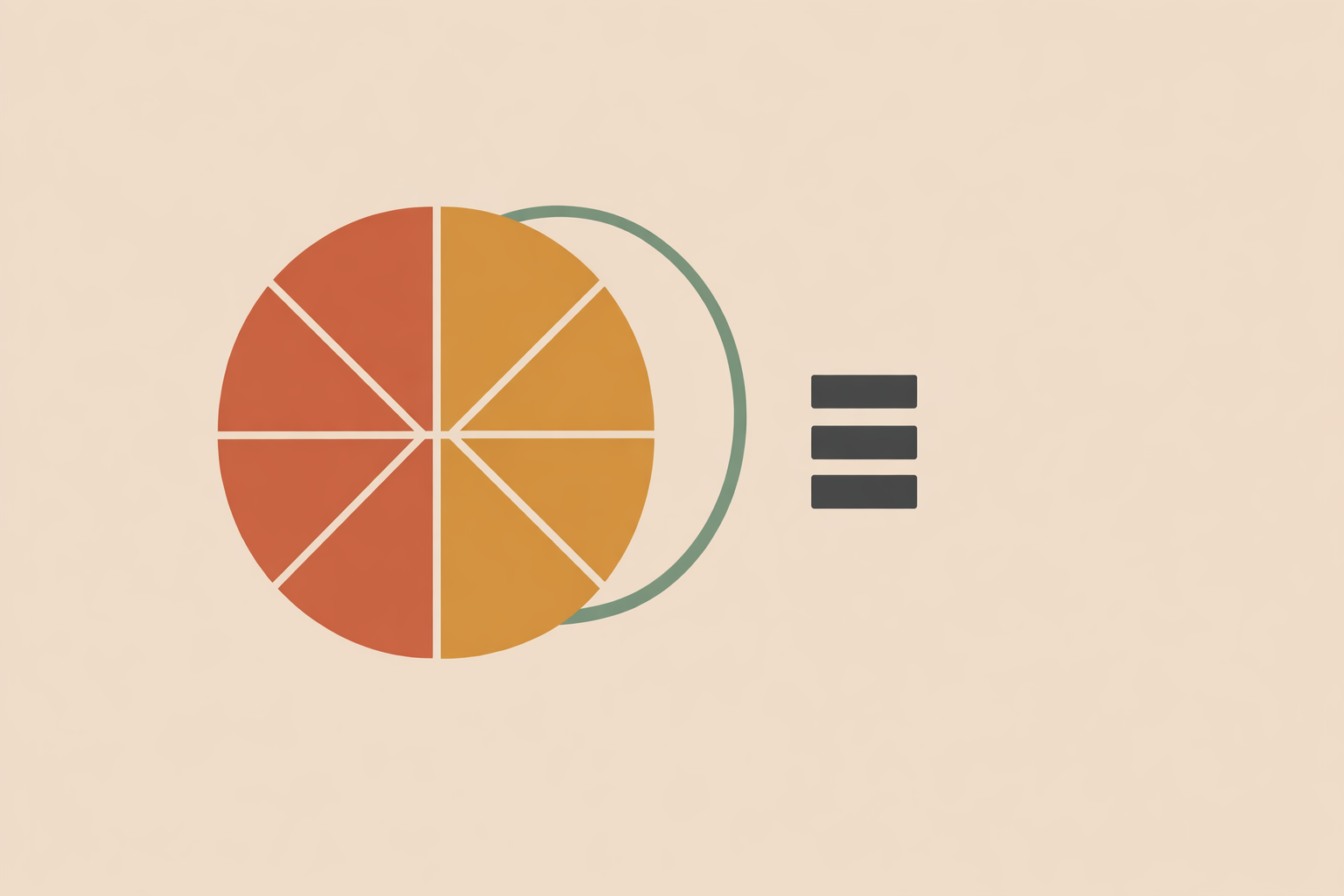
A wellness wheel is one of the fastest ways to turn a wide-ranging first conversation into a clear picture. Instead of treating sleep, stress, relationships, purpose, and daily habits as separate issues, the wheel shows how life areas influence each other.
Circle-based maps have guided whole-life conversations in many ancestral traditions. In modern whole-person practice, a circular view can also reveal interconnections between body, heart, mind, relationships, and place, which often gives a truer starting point than a stack of disconnected forms.
Keep it simple. Six to eight slices are enough for a useful first snapshot without turning your session into data collection.
Choose 6–8 life domains
A practical wheel might include:
- Body and energy
- Emotional balance
- Mind and learning
- Relationships and support
- Work and contribution
- Spirituality and meaning
- Money and resources
- Home and surroundings
Draw a circle, divide it into wedges, label each domain, and invite the client to shade each slice from center to edge based on how that area feels this week. The goal is orientation, not precision.
For example, Maya may shade body and energy halfway, work and contribution very low, and relationships mid-high. In a minute or two, both of you can see where life feels pinched and where strengths already exist.
Label each slice: at-risk, stabilizing, or thriving
Once the wheel is shaded, turn it into a working map with a simple label for each slice:
- At-risk
- Stabilizing
- Thriving
Add a one-line note and a date beside each domain.
- Sleep — at-risk — waking at 3 a.m. most nights; phone in bed
- Work — at-risk — unclear role; Sunday dread
- Relationships — stabilizing — sister checks in; feels seen
- Spirituality — thriving — morning nature walk feels restoring
This small step makes the wheel easy to revisit. It becomes a living profile you can update and compare over time, rather than a one-session artifact.
From here, choose one or two slices that feel meaningful and workable. A question like “If one area improved in the next two weeks, which shift would ripple furthest?” often brings the next step into focus.
2. Add a 10-Minute Values and Motivation Mini-Interview
Right after the wheel, a short values conversation turns a visual snapshot into direction. This is where the client’s “what” reconnects to their “why.”
A brief, structured interview can improve direction by linking low-scoring domains to the client’s own reasons for change. In day-to-day practice, that saves you from chasing goals that sound sensible but don’t have much inner fuel.
In many traditions, purpose, belonging, and connection to something larger act as a compass. That wisdom translates beautifully into coaching: when a client names what truly matters, their first experiment becomes clearer and easier to sustain.
Link low domains to a deeper “why”
Use the wheel as your anchor:
- “You marked work as at-risk. What would improving that make possible?”
- “When has this area felt a little better before?”
- “What value feels squeezed here: freedom, service, family, creativity, steadiness?”
- “If this shifted slightly, who would you be able to be more fully?”
Imagine Maya says, “If I had more energy by bedtime, I would feel like the parent I want to be.” Now your first focus isn’t “balance” in the abstract; it’s presence and alignment with her values.
When meaning and purpose are brought forward, coaching is often linked with renewed hope. Even a brief exchange can shift the work from managing problems to moving toward something that matters.
Keep the structure light and conversational
You only need a few minutes when the questions are clear:
- 1 minute — orient the client to the exercise
- 3 minutes — explore meaning and what matters most
- 3 minutes — imagine what a small improvement would look like
- 2 minutes — ask about readiness for a first step
- 1 minute — choose one experiment for the coming week
You might say, “If being a present parent is the value here, what small act would let you live that value this week?”
Hold it as a respectful conversation, not a quiz. The structure keeps you focused, and the tone keeps it human.
3. Use ORS-Style Micro Check-Ins to Track What Is Changing
Many practitioners begin each session by diving straight back into the story. A steadier rhythm is to start with a two-minute check-in, then let the conversation follow what the ratings reveal.
Because well-being is dynamic, repeated self-ratings often show change more reliably than a one-time intake. They help you notice what’s improving, what’s stalled, and what needs attention today.
Start each session with four simple ratings
Invite the client to rate:
- Self today: 0–10
- Close relationships today: 0–10
- Work, school, or contribution today: 0–10
- Overall life today: 0–10
For example:
- Week 1 — 4, 6, 3, 4
- Week 2 — 5, 6, 4, 5
- Week 3 — 5, 7, 4, 6
- Week 4 — 6, 7, 5, 6
These numbers create an easy gateway into the session. If work rises from 3 to 5 over a month, you can ask, “What helped create that lift?” If overall life drops, you can explore what shifted that week and what support feels realistic now.
Emotional states and daily functioning are often seen more clearly through short, repeated touchpoints than through one broad question.
Keep a living status tracker
After each session, log the four numbers and one line of context. Keep it minimal.
- Wk1 — Self 4; Rel 6; Work 3; Overall 4 — agreed on a 9 p.m. phone-off boundary and a 10-minute bedtime buffer
- Wk2 — Self 5; Rel 6; Work 4; Overall 5 — tried one meeting-free block; more energy in the evening
- Wk3 — Self 5; Rel 7; Work 4; Overall 6 — kept the block; added a Friday walk
- Wk4 — Self 6; Rel 7; Work 5; Overall 6 — priorities at work feel clearer; Sunday dread easing
This gives you a story of change without an administrative burden, and it makes later review much easier when you revisit the wheel.
If a rating falls, stay curious rather than reactive: “What pulled work down this week, and what might lift it by half a point?” That question keeps the process practical and compassionate.
With consent and transparency, small ongoing data points can improve ethical practice by making support more intentional and less guess-based.
How the Three Tools Work Together
Used together, these tools create a flow clients remember:
- The wheel shows the whole picture.
- The values interview names what matters most.
- The micro check-ins keep the work grounded in real life.
This matters because practical habit shifts and deeper questions of purpose often move together. As clients reconnect with what matters, day-to-day choices typically become easier to prioritize.
You can use the three tools across an 11-week rhythm like this:
- Week 1 — complete the wheel, run the 10-minute values interview, agree on one or two focus areas
- Weeks 2–4 — begin each session with four micro-ratings and adjust weekly experiments
- Week 5 — revisit the wheel and update each slice to at-risk, stabilizing, or thriving
- Weeks 6–9 — continue check-ins and refresh the values conversation as needed
- Week 10 — re-shade the wheel and compare the visual pattern with earlier weeks
- Week 11 — gather learning, name what sustains momentum, and shape a simple continuation plan
Keep the Process Ethical and Human
The strength of this approach is clarity and rhythm. It respects the client’s time while giving you enough structure to work skillfully in health and wellness coaching.
Use plain-language consent, collect only what you’ll genuinely use, and let the client’s own words lead. Treat each profile as a flexible working picture, and revisit it together as life changes.
Close with the spirit behind the tools: the wheel honors the whole person, the mini-interview honors meaning, and the micro check-ins honor the small visible shifts that build confidence. Keep your touch light, your listening deep, and your cautions simple: ratings are guides, not verdicts, and when something feels beyond coaching scope, it’s wise to encourage the client to seek the appropriate professional support, especially within broader mental health frameworks.
Train as a Wellness Coach
Apply these intake and tracking tools with confidence in the Health and Wellness Coach Certification.
Explore the Certification →