Clients rarely arrive with neutral curiosity about genetics. More often, someone says, “My DNA is my destiny,” flashes a report, and asks for a definitive supplement plan. In that moment, you need an easy way to separate sequence from regulation, replace on/off myths with “how much,” and place risk markers in context without drowning anyone in jargon.
Key Takeaway: Genetics-informed coaching works best when clients understand DNA as relatively stable code shaped by changing context. These five visuals help you explain the difference between sequence and regulation, replace all-or-nothing thinking with a spectrum, and place SNPs inside the wider picture of sleep, food, movement, stress, environment, and lived experience. Together, they support clear, ethical, behavior-focused conversations.
Visual 1: Blueprint vs Settings
When a client says, “My DNA is my destiny,” start with a blueprint and a set of dials. The blueprint is the relatively stable DNA sequence. The settings are the daily and seasonal influences that shape how that blueprint shows up in lived experience.
Genetics is the letters on the page, while epigenetics is the set of signals that affect how the page gets read. At the cellular level, epigenetics includes chemical modifications to DNA and DNA-associated proteins that can make a gene’s instructions easier or harder to access.
A helpful line in session: genetics asks what sequence is present, while epigenetics asks how that sequence is being regulated in this cell, at this time, under these conditions. That reframing often softens fatalism and brings the focus back to meaningful choices.
Here is what that can sound like in practice: “Your DNA is the architectural plan. But the thermostat, lighting, and how the rooms are used are the settings. Our work is mostly with the settings.”
Concrete example: A client, Leila, arrives convinced that family patterns around blood sugar define her future. You sketch a house: blueprint on the left, sliders on the right labeled meal timing, fiber, evening light, and daily walk. You adjust the daily walk and fiber sliders first. Leila writes down: “My blueprint offers tendencies; my settings offer choices.”
Many traditional systems have long recognized inherited tendencies while emphasizing foodways, rhythm, movement, and community practice. This visual lets you honor that wisdom and translate it into language clients can use immediately.
- Try-this line: “Our work is to give your genes a better context.”
- Sticky note for your slide: “Blueprint = stable. Settings = adjustable.”
Visual 2: Spelling Change vs Highlighting
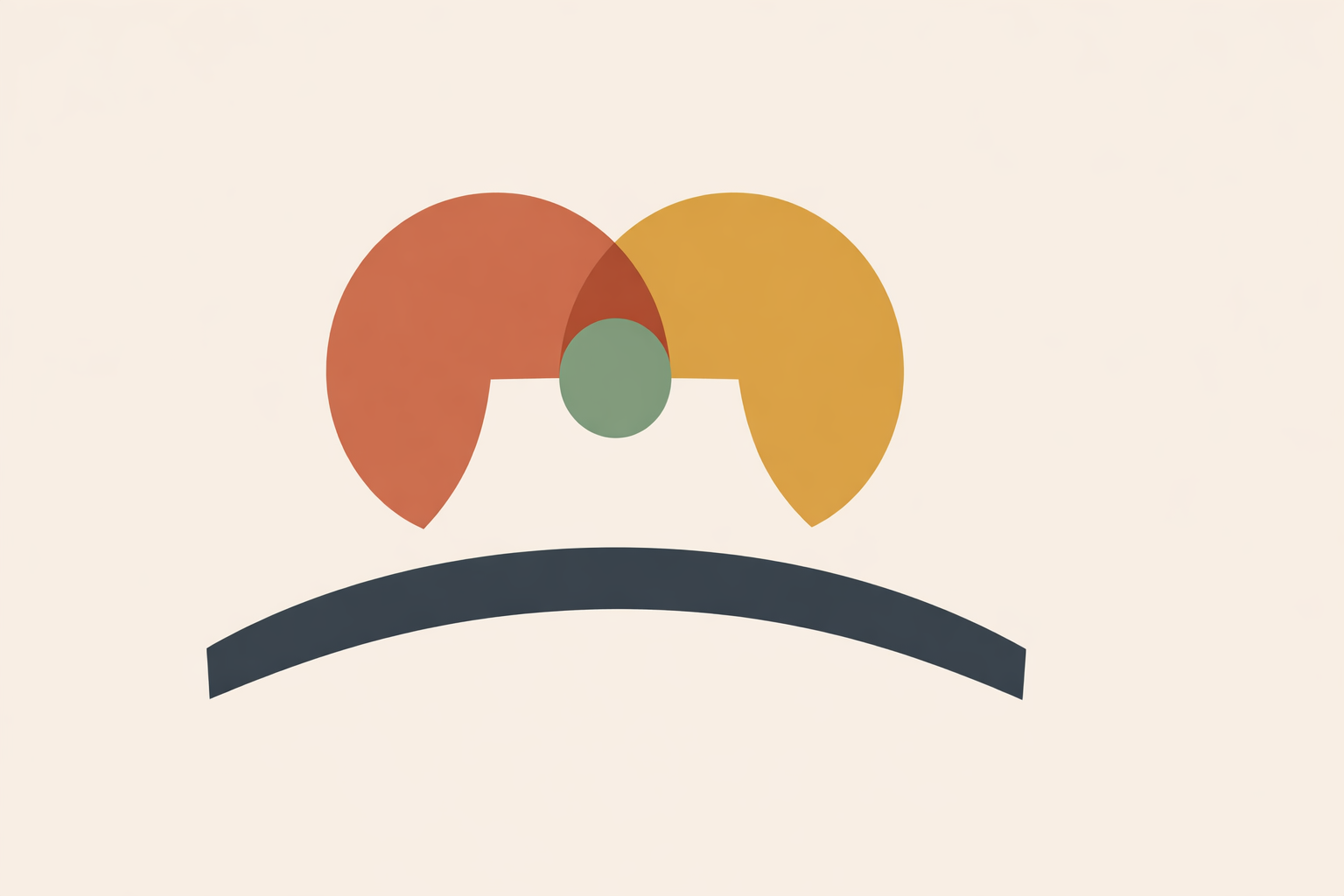
This visual separates “sequence” from “access.” Draw two sentences side by side: one with a single letter changed, and one where the sentence stays the same but certain parts are highlighted or muted. That’s often enough to show the difference between a DNA variant and an epigenetic shift.
Then add an “open vs closed book” layer. When DNA is in a more open packing state, the genetic information is easier to access; when it is more compact, access is more limited. In short, open chromatin is easier to read, while compact chromatin is harder to read.
Accessibility is shaped by multiple regulatory signals, including DNA methylation and histone changes. These signals work in relationship with location, timing, tissue, and other regulatory inputs.
This is also where you can cleanly retire a common myth: methylation is context-dependent, and its effects vary by where it appears in the genome and what else is happening nearby. Methylation is part of regulation, not a “good vs bad” label.
Concrete example: You show a client two cards. Card A shows the word “folate” with one letter changed. Card B shows the original word intact, but highlighted across the sentence. You say, “Card A is a stable letter change. Card B is highlighting. Your practices influence what gets emphasized.” The client responds, “So the variant is the letter, and my habits are the highlighter.”
From there, the coaching implication stays grounded. If someone seems to respond better to a different timing, dose, or form of a stimulus (like caffeine), you can explore low-risk experiments without turning the conversation into a verdict about their genes.
Visual 3: Light Switch vs Dimmer
Most clients imagine genes as on/off switches. A dimmer is usually the better picture. Gene expression often varies by degree, timing, and location rather than functioning as a simple binary.
You can sketch this quickly: DNA, then a copied message, then the downstream product. The aim isn’t a biology lesson; it’s a felt sense that gene activity behaves like a volume control, with variation in gene expression across cells and contexts.
Clients often find this encouraging. Small, repeated actions can matter because they influence the environment where regulation happens, and lifestyle signals can interact with epigenetic machinery.
In day-to-day life, that includes activity patterns, food rhythms, stress load, sleep consistency, and shift work. Seasoned practitioners see the same theme in traditional practices too: steady routines often outperform dramatic bursts, which is why epigenetics and lifestyle can be such a practical frame for habit change.
Concrete example: You sketch a dimmer labeled “inflammation tone.” The client chooses three weekly levers for eight weeks: morning light, two strength sessions, and an extra serving of leafy greens at lunch. In your follow-up note, you write, “We are testing three dimmer nudges, then watching sleep quality, energy, and HRV for trends.”
Traditional approaches fit naturally here. Seasonal foodways, breath practices, communal movement, and contemplative routines have long supported resilience and steadiness. The dimmer image helps clients understand why gentle consistency is so effective.
Visual 4: Fixed Variant vs Changing Context
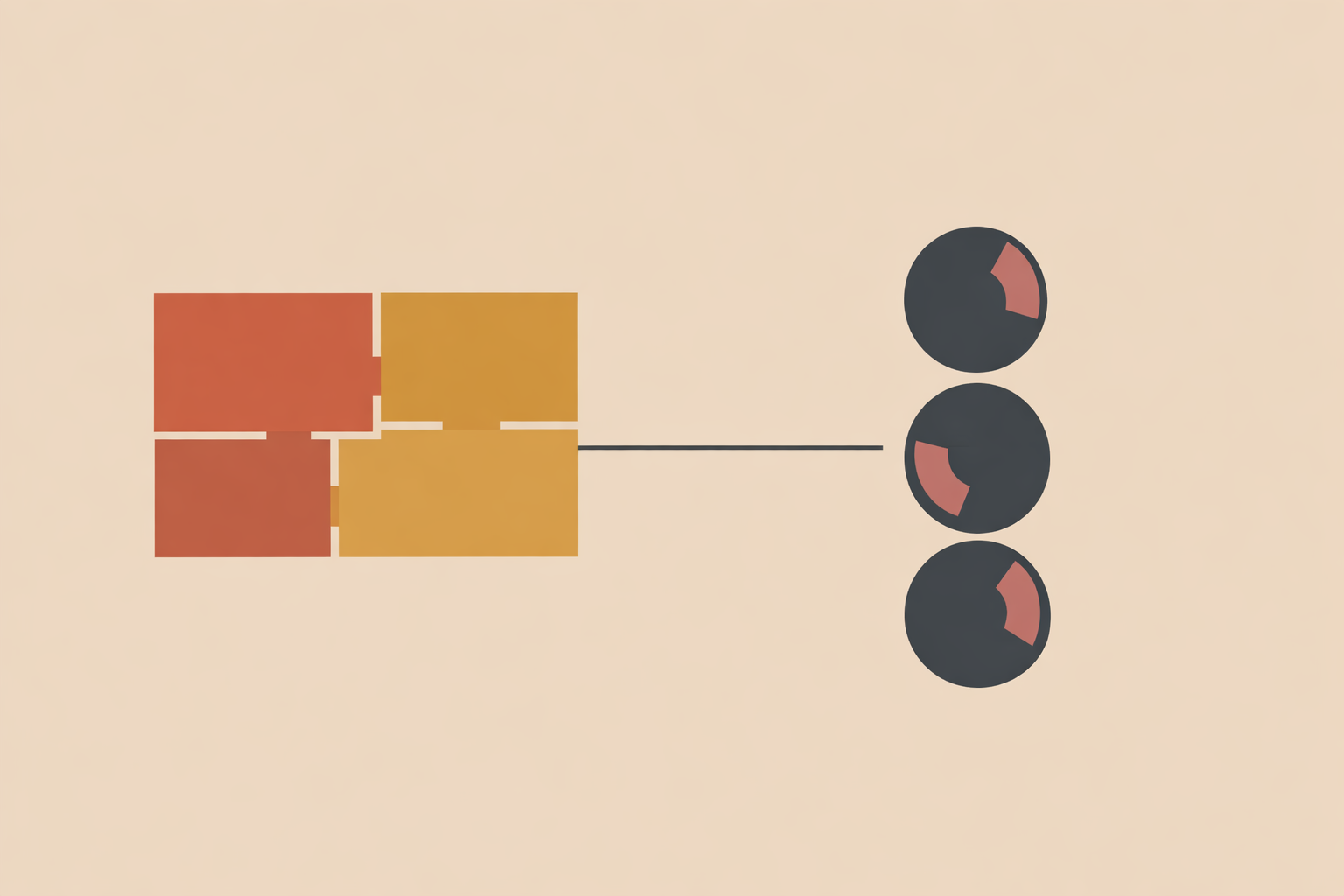
Picture each SNP as a colored tile on a board: stable, informative, and never the whole game. Around the tiles, sketch shifting “weather”: sleep, food, stress, movement, environment, microbiome, and season. It immediately lands the core message that variants are influences, not destiny.
A SNP is a single-position DNA sequence difference shared by many people. For complex traits, one variant usually has a modest effect, and the path from genotype to phenotype is rarely linear. This visual keeps interpretation proportional and practical.
Use genotype and phenotype only if they help the conversation. Genotype is the pattern of variants a person carries. Phenotype is what shows up in lived experience: energy, preferences, recovery patterns, focus, and more. Context is the bridge between them.
Some variants can nudge slower clearance of a stimulus like caffeine. Others can be relevant to folate-related biology, lipid handling, or the breakdown of certain catecholamines. These aren’t scripts; they’re clues that guide observation.
Concrete example: Create a three-column worksheet: 1) Genetic note, 2) Modifiable context, 3) Low-risk experiment.
- Genetic note: “COMT pattern associated with slower breakdown of certain catecholamines.”
- Modifiable context: Afternoon coffee, late-night email, irregular bedtime.
- Low-risk experiment: Move the last caffeine earlier, add 10 minutes of afternoon breath practice, and set a wind-down alarm for two weeks. Track evening calm and sleep onset.
In another case, a client with a common MTHFR pattern might focus on food-first folate sources such as leafy greens and legumes while noticing energy and steadiness. A client with an APOE-related pattern may explore whole-food fat sources, fiber, and movement rhythm. The principle stays the same: stable tiles, changing weather.
This is also a natural place to include heritage with care. Traditional foodways, sleep-wake rhythms, and land-based routines often create exactly the kind of supportive “weather” clients are looking for. Rather than treating them as side notes, you can frame them as meaningful environmental inputs.
Visual 5: Single Gene Result vs Whole-Person Pattern
When a report spotlights one variant, widen the frame. Place that SNP card inside a larger circle that includes sleep, food, movement, stress, environment, microbiome, ancestry, goals, and time. Clients relax when they see genes as one layer in a living system.
This is also the moment to explain data limits. Many direct-to-consumer tests focus on selected markers rather than the full genome, and raw genotype files can include technical errors. The most helpful stance is curiosity rather than certainty.
The gut ecosystem works well as a parallel: focus on diversity, adaptability, and pattern rather than “good vs bad.” In lived practice, microbiome patterns often respond to fiber variety, fermented foods, stress, sleep consistency, and movement. That whole-person lens keeps the work supportive and realistic.
To keep boundaries clear, add a simple legend beside the circle:
- Green zone: Educate, explore reports, connect patterns with goals, co-create experiments, and monitor trends.
- Amber zone: Ambiguous findings, emotionally charged results, or high-stakes interpretation. Slow down and contextualize.
- Red boundary: Definitive claims, promises, or directives beyond training. Pause and refer appropriately.
Concrete example: A client uploads raw data and asks for “the best supplement for my MTHFR.” You place the SNP card inside the larger circle and say, “Let’s begin with the bigger picture: sleep consistency, leafy greens, stress rhythm, digestion, and what you are actually noticing day to day. Then we can decide whether a simple food-first experiment makes sense.”
Consent and privacy belong here too. Clarify what you will access, how you will store it, and how the client can change their mind at any point.
- “With your permission, I will only view the sections relevant to today’s goals.”
- “You control your file. I store only what is necessary and remove it on request.”
- “We will treat this data as a conversation starter, not a directive.”
You can also bring rhythm back into the circle. Chronotype and stress-recovery patterns interact with light exposure, meal timing, and movement timing. One client may thrive with earlier training and earlier dinners; another feels steadier with a later cadence.
Using These Visuals in Everyday Coaching
Together, these five visuals tell one story: the DNA blueprint is relatively stable, regulation changes accessibility, expression moves by degrees, variants interact with context, and no single result makes sense outside the whole person.
In session, they help you answer three steady client questions: What is stable? What can change? What can I do with this information right now? When your handouts and language return to those prompts, genetics-informed coaching stays clear, humane, and free from fear-based framing.
It also helps to keep language aligned with scope. Use verbs such as educate, explore, personalize, support, experiment, monitor, reflect, and refer. When something is uncertain, state that plainly and move back to what the client can do this week.
Finally, let these frameworks make room for tradition rather than pushing it aside. Many clients already carry supportive practices in their lineage: foodways, movement, song, rest rhythms, craft, and ceremony. A functional genomics lens can sit alongside those roots and offer another way to understand why they help, and it sits naturally within broader nutrition and diet work. Save the heavier cautions for the close, and lead with what’s most useful: clear translation, solid boundaries, and experiments that fit real life.
Start simple: blueprint vs settings in the first conversation, the dimmer when you shape routines, the weather map when you discuss SNPs, and the whole-person circle whenever one result starts to feel too big. Used this way, the visuals keep the work steady, practical, and deeply supportive.
Master Functional Genomics Coaching
Apply these visuals with deeper skill in Functional Genomics & Nutrition Coach.
Explore Functional Genomics →