Persistent discomfort support often gets narrowed to one question: “What number is it today?” When that becomes the whole focus, progress can stall. People push through on better days, pull back on harder ones, sleep gets choppy, worry grows, and the same loop repeats. A function-first, skills-based approach works better: understand the pattern, strengthen regulation, and build a more workable relationship with sensation.
Key Takeaway: Preventing a pain-relapse cycle is less about chasing zero sensation and more about changing the conditions that keep the cycle going. In practice, that means five connected moves: reframe discomfort as a whole-person experience, map the client’s loop, teach repeatable self-hypnosis and relaxation, use imagery to change how sensation is experienced, rebuild movement with pacing, and strengthen follow-through by working with beliefs and emotions.
Plan 1: Reframe Discomfort and Map the Relapse Cycle
A strong starting point is widening the frame beyond tissues alone. Persistent discomfort is shaped by attention, expectation, emotion, memory, and perceived safety, with brain processing playing an important role over time. This doesn’t invalidate what someone feels; it gives you more levers to work with.
Next, make the pattern visible. A simple paper map is often enough:
- Trigger
- Alarm spike
- Tension or withdrawal
- Less sleep or more worry
- Lowered threshold
- Next flare
As clients add personal details—long drives, conflict, rushing, skipped meals, poor sleep—they usually spot where influence is possible. That shift from “this just happens to me” to “I can change parts of this” is where momentum begins.
Teach a Flexible Story, Not a Frightening One
Offer an explanation that feels steady and respectful: discomfort has many contributors, and small shifts add up. The aim is agency without blame. Protection and guarding are understandable responses, and practice can soften them.
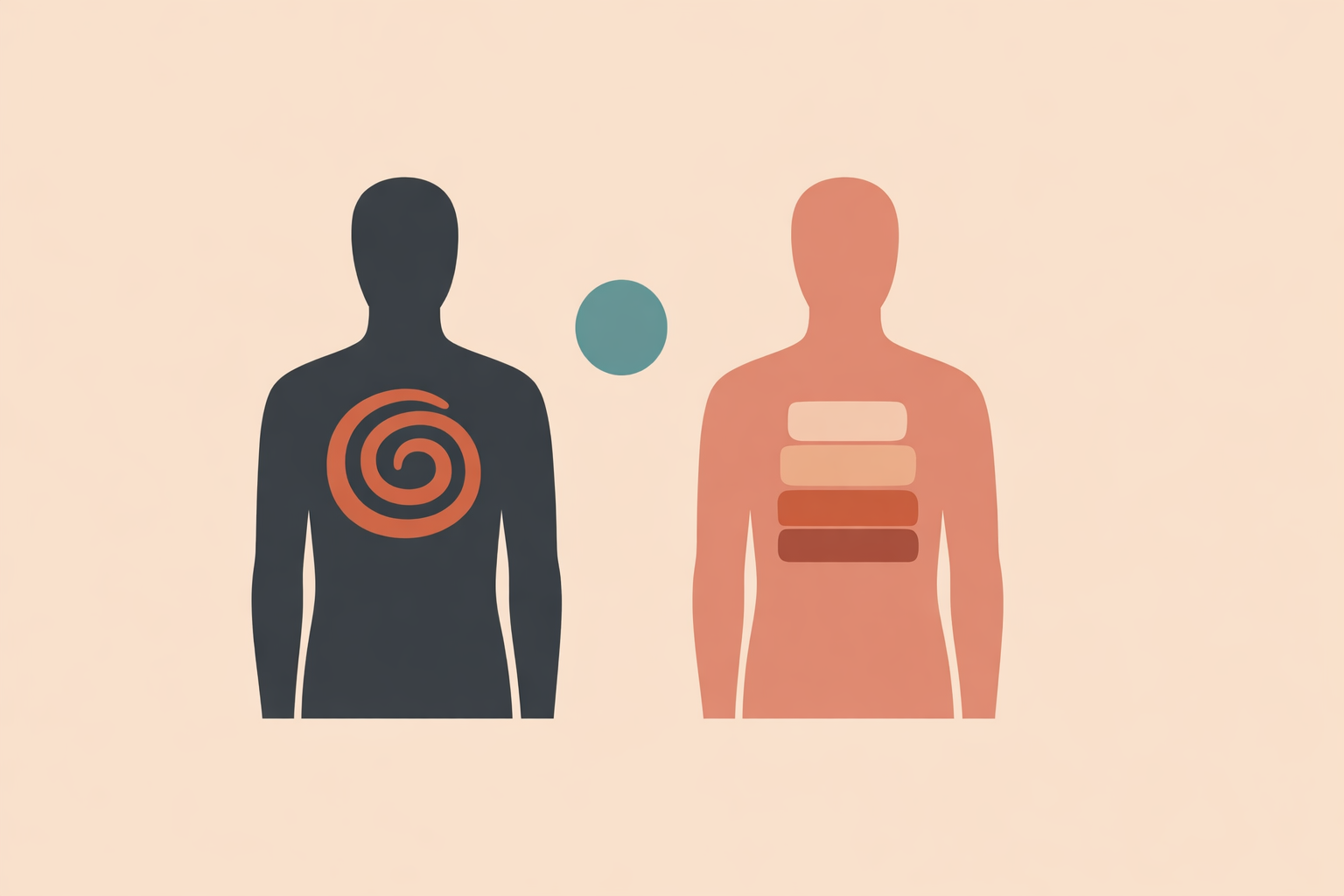
One of the most useful teaching tools is separating sensation from suffering. Draw two scales: one for raw sensation, and one for how disruptive it feels. Then explore what moves the second scale:
- Breath
- Posture
- Meaning
- Attention
- Pacing
- Sense of safety
This naturally frames hypnosis as an attention skill—practical, learnable, and part of a wider hypnotherapy and NLP toolkit.
Track Function, Context, and Momentum
Tracking works when it’s brief enough to sustain. Instead of recording only a 0–10 intensity score, invite clients to track function and context too. It often shows progress sooner, with functional status sometimes improving even when pain reports take longer to shift.
- What I did
- Sleep and energy
- Stress or emotional tone
- Recovery time
- Helpful responses I used
A real win might be cooking dinner, walking a little farther, or bouncing back faster after a demanding day. Those “life markers” build confidence long before the number scale budges.
Plan 2: Calm the System with Relaxation and Self-Hypnosis
Once the loop is mapped, the work becomes more practical: interrupt escalation early and often. A short regulation sequence gives clients something they can use at home, at work, or mid-flare.
Build a Reliable Relaxation Sequence
A consistent structure helps people practice without overthinking:
- Consent and choice: eyes open or closed, stop any time
- Supported posture
- Three slower breaths, with a longer exhale
- A gentle scan for places that can soften
- Permissive suggestions for steadiness and ease
- A cue to reuse later, such as thumb touching finger
Keep the language grounded. The goal is not a dramatic shift on demand; it’s building trust that state can change.
A phrase like “As you breathe out, let your shoulders soften by five percent” is often enough. Small shifts are easy to repeat, and repetition is what makes the skill reliable.
Research on relaxation-related approaches suggests possible benefits for well-being, even when outcomes vary across persistent pain patterns. In day-to-day practice, that’s why consistency and usability matter so much.
Teach Portable Self-Hypnosis for Daily Use
Self-hypnosis becomes most helpful when it’s simple enough to use anywhere. A three-part version is easy to teach and easy to keep:
- One cue word, such as “soften” or “steady”
- One anchor, such as the feet, palms, or breath
- One suggestion, such as “a little more ease is available now”
With steady use, clients respond earlier—before the spiral builds speed. Over time, the deeper lesson lands: they’re building skill, not waiting passively for a “good day.”
Plan 3: Change How Sensation Is Experienced with Imagery
Relaxation settles the system; imagery helps reshape the experience itself. Many clients do well when you work with the felt qualities of sensation: shape, temperature, weight, movement, distance, and meaning. This is where hypnosis often becomes very practical, especially in physical pain hypnosis.
Use Client-Led Symbols and Sensory Shifts
Keep imagery collaborative and client-led. Ask what the sensation is like for them, then follow their language:
- If it has a color, can it fade or cool?
- If it feels sharp, can the edges soften?
- If it feels close and intrusive, can it move farther away?
- If it feels heavy, can some of that weight drain out?
Common, accessible options include:
- Turning a dial down to a more workable level
- Changing hot colors to cooler ones
- Placing the sensation in a container for a short period
- Shifting attention to a neutral sensory anchor, like warmth in the hands or contact with the floor
This work lands best when it stays personally meaningful and culturally respectful. Some people connect with nature imagery from their own background; others prefer neutral language. Both approaches can be equally effective.
Use Desensitization Carefully and Practically
For sharper spikes, brief “distance” or “numbing” imagery can be useful. The aim is not forcing a big effect; it’s learning that sensation can become less dominant and less alarming.
A simple drill is to practice first in a neutral area, such as the back of the hand, and imagine coolness, spaciousness, or fading sensation for thirty seconds. This is well-established in practitioner work even without a strong research source for that exact drill. It gives clients a clear felt sense of changing sensory representation before applying the skill in more charged moments.
For anticipatory stress around procedures or difficult situations, slow rehearsal can also help: imagine the scene, add steadier breathing, introduce an on/off cue, and include a clear stop signal. Choice stays central throughout.
Plan 4: Rebuild Movement and Daily Life with Pacing
Many clients get caught in a push-crash rhythm: do too much on a better day, pay for it later, then trust movement less next time. Pacing replaces that cycle with steadier progress.
Shift from Boom-and-Bust to Sustainable Activity
The core pacing principles are straightforward:
- Break tasks into smaller chunks
- Alternate effort and recovery before overload
- Stop at “enough for now,” not at total depletion
- Increase gradually once the baseline feels stable
Many practitioners use simple guides such as a “60% rule” or small weekly increases. Conservative progression builds confidence, and confidence helps people stay engaged.
A walking plan might start below a client’s best-day maximum, with regulation cues folded in: feel the feet, lengthen the exhale, soften the jaw, release the shoulders. Many people notice they can go farther with less after-effect when movement is paired with these cues.
Gentle mind-body movement can fit naturally here too. Practices such as yoga, tai chi, or qigong often support function and body awareness as multifactorial patterns are addressed through a broader lens that includes sleep, fatigue, mood, sensitivity, activity, and beliefs.
Keep the Lens Broad in Persistent Conditions
In longer-standing patterns such as fibromyalgia, explaining every sensation one-by-one rarely helps. A wider map usually leads to better choices:
- Sleep quality
- Stress load
- Fatigue
- Mood
- Sensitivity
- Activity rhythm
- Beliefs about setbacks
This broader view helps clients stop reading every flare as failure. It also helps practitioners prioritize what will create the biggest, most sustainable shift first.
Plan 5: Work with Beliefs and Emotions to Reduce Relapse
Beliefs and emotions shape attention and behavior. Fear, shame, helplessness, anger, or grief don’t need to run the process, but they do need space and skillful support. Reviews on persistent pain consistently highlight emotion and beliefs as important influences on experience and day-to-day choices.
Audit Beliefs and Build Self-Efficacy
A belief audit often brings up familiar themes:
- Activity is dangerous
- A flare means I have failed
- Nothing helps
- I must get rid of all sensation before I can live normally
Then you build more workable alternatives:
- I can respond in smaller steps
- A flare is information, not a verdict
- I have tools that may help in this moment
- Function and steadiness count as real progress
Pair this with short regulation practices such as grounding, compassionate self-talk, or containment imagery. These approaches restore choice, and choice is often what unlocks forward movement.
Create a Practical Relapse-Prevention Plan
Relapse-prevention works best when it’s simple enough to use under stress. A recipe-card format keeps it realistic:
- Early signs: shallow breathing, clenching, late-night scrolling, irritability
- First response: longer exhale, hand on belly, ninety-second self-hypnosis
- Movement option: choose the lower-demand version of the task
- Support step: text a friend, listen to a short audio, note one line in the log
- Review point: check the week and adjust the next step
If the plan isn’t used, treat that as feedback, not failure. Ask what blocked it, then make the next step smaller, better timed, or more personally relevant.
Bringing the Five Plans Together
These five plans work best as one integrated process. Reframing creates context, mapping reveals the loop, regulation skills interrupt escalation, imagery reshapes experience, pacing rebuilds daily participation, and belief/emotion work strengthens follow-through.
The result isn’t a rigid script. It’s a flexible, ethical way of supporting people as they build steady skills and more confidence in their own responses.
Keep the work grounded in consent, cultural respect, and clear scope. Avoid promises, dramatic claims, or pressure. When results vary from person to person, return to what’s dependable: the smallest step a client will actually use, practiced often enough to become automatic.
That is where hypnosis-informed support is often at its best: a calm, teachable practice that helps people reclaim space in their lives.
Train Pain Hypnosis Skills
Go deeper into these strategies with Treating Physical Pain with Hypnosis for structured, practical hypnosis-informed support.
Explore Treating Physical Pain →