Most autism parenting coaches hit similar friction points: sessions slide into quick behavior tips, families need urgent support for mornings or school handoffs, your resources become hard to navigate, and boundaries can blur when home life is intense. This work is never abstract—it lives in nervous systems, environment fit, co-regulation, and daily rhythms. The real challenge is turning that understanding into a coaching practice that stays clear, ethical, and sustainable.
Key Takeaway: Sustainable autism parenting coaching comes from aligning your worldview, language, and offers with real family routines and nervous-system needs. When you pair neurodiversity-affirming support with clear boundaries, practical tools, and scalable group systems, you can expand access without losing dignity, consent, or individualized fit.
Step 1: Build from a neurodiversity-affirming foundation
Begin with the frame that quietly guides every decision: autism is human variation, not a problem to solve. When you lead with identity and dignity, your coaching naturally becomes kinder, clearer, and more practical.
A neurodiversity-affirming lens shifts the focus from “stopping behaviors” to understanding what a child’s system may be communicating—sensory load, co-regulation needs, communication mismatch, and environment fit. It helps parents move from “How do I stop this?” to “What is this showing us, and what does my child need?”
Practically, you’ll often notice patterns like gaze aversion, retreat, fidgeting, shutdown, or rising overwhelm. Instead of pushing through, you help families adjust pace, expectations, and surroundings. Small changes—light, sound, texture, timing—can open the door to steadier connection and real skills emerging over time.
Traditional caregiving wisdom belongs here, too. Many cultures have long emphasized shared community support, steady daily rhythms, and storytelling to ease transitions. Used respectfully, these time-tested patterns sit well alongside modern insights—without turning either into rigid rules.
“I think autism is a difference, not a disease.”
Judy Singer’s reminder captures the heart of the work: honor identity first, then build support around fit, capacity, and connection.
Stephen Shore notes that autistic people “share a common name… but are different in many ways,” which is exactly why coaching must stay individualized (Stephen Shore).
Step 2: Refine your coaching style, language, and ethics
With your foundation in place, your coaching style becomes the bridge between values and day-to-day change. Families don’t only respond to ideas—they respond to how safe, respected, and understood they feel in your space.
Neurodiversity-affirming coaching uses language that describes patterns and needs without shaming traits. It leans on reflective listening, sensory nuance, and collaborative problem-solving (rather than correction-heavy advice). When parents feel genuinely heard, they’re more able to experiment, reflect honestly, and keep going.
Warmth works best when it’s held by clear structure. Written agreements, role clarity, and consent-based information sharing prevent overreach and protect trust. Think of boundaries like the banks of a river: they don’t reduce depth—they help the work flow.
Anti-oppressive practice strengthens your results, too, because it keeps support realistic. The goal isn’t the “perfect” strategy; it’s helping a family find approaches that match their resources, culture, energy, and actual daily life.
Language and session practices that create safer coaching space
Safer sessions usually come from simple, repeatable habits:
- Name the frame: “Today we’re focusing on regulation and connection, not compliance.”
- Offer choice: chat, voice, cameras-off, breaks, or slower pacing.
- Reflect before advising: help parents feel understood before suggesting options.
- Use visuals: sketch routines, maps, scales, or check-ins when words feel overloaded.
- Ask for consent: before note-taking, role-play, sharing examples, or offering a new tool.
These small moves increase felt safety, reduce overwhelm, and give parents more room to think clearly and act with confidence.
“I am different, not less.”
Temple Grandin’s words make an excellent compass: parents should leave sessions feeling more capable, not corrected.
Step 3: Shape offers around real family life
Families usually seek coaching for lived outcomes: calmer mornings, smoother transitions, less strain around bedtime, and more connection after school. So the most trusted offers are built around routines, not abstract promises.
A focused arc of 8 to 12 sessions is often a workable container. It gives enough time to map patterns, test small changes, review what happened, and adjust—without the process feeling endless.
When tracking progress, stay close to real life: parent stress, connection, and how smoothly routines run often tell the truest story, even if a child’s visible behaviors vary week to week.
You might shape a 1:1 package or group offer like this:
- Weeks 1-2: nervous system mapping and sensory audit of key routines
- Weeks 3-4: co-regulation plans, transition supports, and communication scripts
- Weeks 5-6: distinguishing meltdown from shutdown, plus repair and regroup practices
- Weeks 7-8: sustainable rhythms, sibling dynamics, and family-specific adjustments
Group formats can be especially powerful because parents learn they’re not alone. Research suggests group interventions can support parent and child outcomes while also offering normalization, peer perspective, and community.
Tele-coaching can also be a strong fit, especially when video lets you see routines where they actually happen. In-context observation can make home routines easier to understand and support.
When describing your offer, lead with what parents can picture and feel: “easier bedtimes,” “less frantic mornings,” “more regulated school transitions,” “more repair after rupture.” Clear, concrete language builds trust faster than coaching jargon.
“If you’ve met one person with autism, you’ve met one person with autism.”
Let that line guide your structures: standardize the pathway, personalize the supports.
Step 4: Create useful content parents will actually return to
Your content works best when it feels like an extension of your coaching—steadying, practical, and usable in the moment. Many parents don’t need more theory; they need something that helps tonight.
That’s why scripts, checklists, visual frameworks, and tiny next steps land so well. They reduce overwhelm and quietly demonstrate how you think.
Strong content themes for autism parenting coaching often include:
- Sensory overload: early signs, how to lower input, and what co-regulation can look like
- Meltdowns and shutdowns: how to tell the difference and support each one differently
- School communication: respectful scripts for meetings and transitions
- Identity-affirming language: how to talk about autism with dignity and clarity
- PDA-friendly support: autonomy-aware routines and lower-demand approaches
A sustainable approach is to create one strong long-form piece each month, then reshape it into shorter posts, emails, videos, or one-page tools. Essentially, you’re building a small library families can actually find and use—without reinventing your message every week.
Just as importantly, your content should reflect affirming identity language.
John Elder Robison says, “Autism is part of who I am.”
Stephen Wiltshire echoes, “Being autistic is part of my identity.”
Let that shape your voice: strengths-aware, respectful, and grounded in dignity. A simple way to end most pieces is with one immediate next step—like a two-minute transition preview, one sensory adjustment, or one repair phrase after a hard moment.
Step 5: Scale through groups, partnerships, and simple systems
As your work grows, the aim isn’t “bigger at any cost.” It’s wider access with the same care and integrity.
Groups are often the most natural next step. Parent circles, themed cohorts, or short workshops can hold real depth when they come with clear agreements and multiple ways to participate (chat, voice, cameras-off, breaks, flexible pacing). Inclusion often comes down to these practical choices.
For groups to work well, prioritize psychological and sensory safety, confidentiality, and a genuinely non-judgmental tone. When those elements are present, parents engage more fully—and they start learning from each other, not only from you.
Light structure keeps momentum without pressure: clear session themes, simple action plans, and gentle accountability.
Growth can also be relationship-based, not algorithm-based. Collaborating with schools, community centers, and autistic-led organizations often creates stronger local trust and better cultural fit than online visibility alone.
Behind the scenes, keep systems human and simple:
- welcoming onboarding
- plain-language agreements and consent
- weekly reflection prompts
- clear scope reminders
- easy-to-find resources for families
Ongoing learning supports quality as you scale. Evidence suggests ongoing coaching and feedback help people implement skills more consistently—one reason reflective development can keep practitioners aligned and reduce avoidable harm.
“The world needs all kinds of minds.”
Temple Grandin’s line fits especially well here: scaling well means creating more places where those minds—and the families who love them—are respected.
Grow your impact step by step
The strongest autism parenting coaching practices are cohesive end to end. The worldview, language, offers, content, and systems all point in the same direction: dignity, fit, connection, and sustainable change in everyday life.
If you do just one thing next, make it small and real: choose one routine, map the sensory load, and support a parent to try one adjustment this week. Put simply, momentum usually starts with one doable experiment.
As a final note, keep your scope clear, stay consent-led, and build in your own support and recovery time—this work asks a lot of the helper’s nervous system, too. Done well, it can remain deeply sustainable.
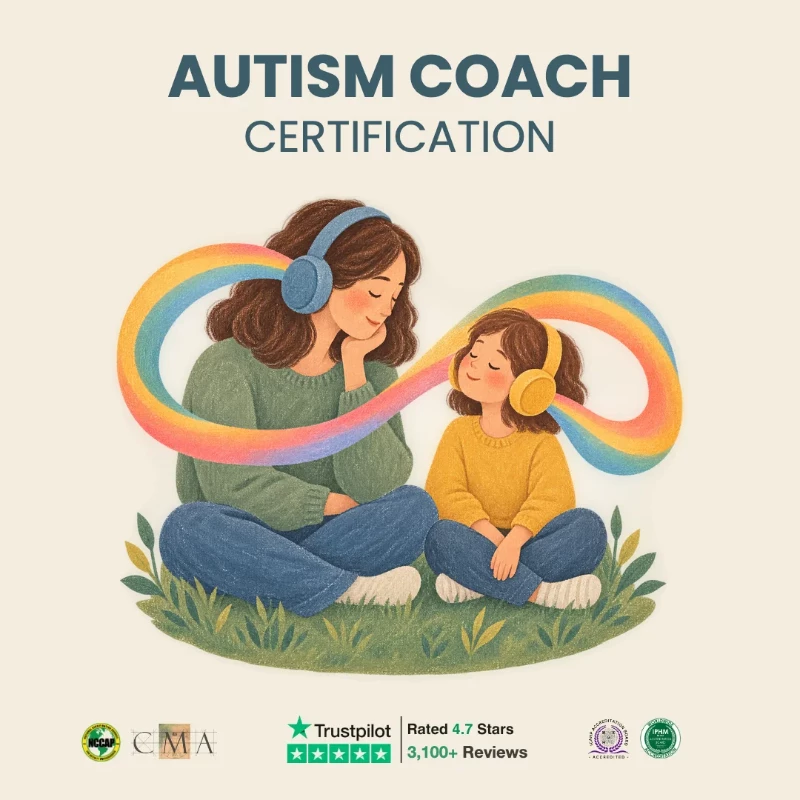
Explore Autism Coach Certification
Deepen your affirming coaching framework with the Autism Coach Certification.
Explore Autism Coach →