Most coaches working with midlife women recognize the pattern: a motivated client starts strong, the default plan pushes load and frequency, and then sleep swings, hot flashes, or joint grumbles turn linear progress into stop-start training. Deloads get skipped, technique slips under fatigue, and normal signals get interpreted as failure. The result is boom-and-bust consistency and flat results despite good intentions.
What tends to change everything is sequencing. For many women, strength work becomes steadier when coaching starts with rhythm, movement quality, and realistic recovery, then layers in heavier loading, power, and long-term maintenance.
Key Takeaway: Strength coaching for aging women works best as a phased progression that prioritizes safety, skill, muscle, power, and sustainability. Phase 1 establishes re-entry with short, repeatable sessions anchored to breath, balance, and the six functional patterns, supported by mind-body modalities and minimal effective doses; Phase 2 builds movement literacy with tempo control, single-leg balance, and bracing, advancing conservatively to respect variable recovery; Phase 3 develops muscle and strength via weekly volume targets, 70–85% 1RM loading, and pragmatic protein goals; Phase 4 adds power through fast intent at moderate loads and site-specific bone loading with compound lifts and carries; Phase 5 maintains gains with two efficient sessions, combined aerobic work, seasonal deloads, and quick check-ins. The conclusion clarifies expectations and individualization across menopause stages.
Phase 1: Re-Entry, Safety, and Nervous System Ease
Start smaller than you think you need. In Phase 1, the real win is a calm, repeatable practice that the body trusts. When the system feels settled, strength work becomes something a client returns to, not something she has to push through.
Build sessions around six functional patterns: squat, hinge, push, pull, carry, and brace. Taught with gentle progressions and talkable effort, these patterns become the foundation for every later phase and for everyday capability.
Traditional calming practices fit beautifully here. Yoga, breath-led mobility, tai chi, and qigong support rhythm, confidence, and body awareness. In older adults, tai chi and qigong have been linked to better balance, which makes them especially helpful during re-entry.
For many women, bodyweight and bands are plenty to begin. Two brief sessions per week can build momentum fast, especially when fatigue is high or routines have been inconsistent.
Coaching Focus in Phase 1
- Week 1 example: two 20- to 30-minute sessions with a box squat to a chair, banded row, countertop push-up, dead bug, and a 30- to 60-second farmer carry.
- Keep effort conversational. A simple cue is: “That set should feel steady, not draining.”
- Celebrate functional wins early. Getting off the floor more easily or carrying groceries with more confidence matters as much as numbers on a bar.
Case example: Lila, 54, returned after a long break with two 25-minute sessions each week and one short evening mobility practice. By week three she was sleeping more deeply, and only then did we add more work to each session.
Phase 2: Skill, Balance, and Tolerance
Once consistency is steady, Phase 2 turns attendance into movement literacy. This is where hinges and squats get cleaner, single-leg work gets steadier, and bracing becomes reliable. Positions come first; numbers follow.
Moderate reps, controlled tempo, and conservative load increases work well here. The standard is straightforward: rep eight should look like rep one.
This phase often deserves more time than expected. In peri- and postmenopausal women, recovery can feel less predictable as sleep, stress, and energy shift. Research in this group shows improved functional fitness with resistance training, and strong coaching keeps the pace aligned with the person in front of you.
Even when visible muscle changes come slowly, function can climb. A recent review linked resistance training to better gait speed, stronger knee extension, and improved chair-stand performance in older women.
Traditional slow practices remain a strong companion. Tai chi and qigong cultivate deliberate control, body awareness, and quiet focus, which reinforces the skill priorities of this phase.
Coaching Focus in Phase 2
- Use a skill ladder for hinges: dowel hinge, then elevated deadlift, then floor deadlift only when position stays consistent.
- Add balance work such as a 20- to 30-second single-leg stance, progressing to split-stance loading.
- Practice bracing with controlled anti-rotation or half-kneeling press variations.
Case example: Ana, 49, with erratic sleep, stayed in Phase 2 for ten weeks. We used slow-tempo goblet squats, split-stance rows, and carries, progressing little by little. Her movement became more confident because the plan respected recovery instead of fighting it.
Phase 3: Building Muscle, Strength, and Staying Power
Phase 3 is the build. Muscle becomes a practical reserve for midlife and later years, and loading gets heavy enough to matter while staying recoverable. Across the lifespan, resistance training in women is associated with greater strength, even when changes in muscle mass are more modest.
Weekly volume becomes a key lever here. Many women do best when the work is spread across two or three sessions, creating a clear training signal without the “one hard day, then chaos” pattern.
Intensity matters, too, but quality matters more. Choose loads that are challenging while technique stays clean, and let daily readiness guide the final call. The aim is consistent, repeatable progress.
Nutrition supports the build. A menopause nutrition approach and food-first, practical protein target help reinforce training without turning eating into a complicated project.
Coaching Focus in Phase 3
- Use two to three full-body sessions per week.
- Keep main lifts challenging but clean, with a little left in the tank rather than repeated all-out efforts.
- Spread volume across the week so effort is sustainable.
- Support training with consistent meals and adequate protein intake.
Case example: Meera, 57, gradually increased her weekly training volume over ten weeks while keeping sessions controlled. Her front squat improved steadily, but the bigger win was that her energy stayed even. The guiding cue was simple: strong, not spent.
Phase 4: Power, Bone Loading, and Everyday Resilience
With a strength base in place, power work brings back quickness. That shows up as better balance reactions, more spring in daily movement, and a stronger sense of responsiveness. Often it’s as simple as moving a moderate load with crisp intent and full attention.
Bone also responds to thoughtful loading. In practice, that means keeping compound patterns central so the hips, legs, and spine do meaningful work: squats, hinges, lunges, presses, rows, and carries.
This is where many women start to feel especially capable again, because strength shows up as ease and confidence in real life.
Coaching Focus in Phase 4
- Use low-rep power work with moderate loads and full rest.
- Choose crisp, controlled variations such as kettlebell deadlifts moved fast on the way up and soft on the way down.
- Keep bone-focused work centered on compound lifts and loaded carries.
- Finish with practical movement, such as brisk carries or step-up variations.
Case example: Noor, 60, alternated one power-biased session with one bone-biased session each week. After eight weeks, her step-ups were higher and more confident, and she described feeling less panic when catching herself during a trip on the porch.
Phase 5: Maintenance, Minimum Dose, and Seasonal Rhythm
Maintenance is the art of protecting gains with the least friction. For many older women, two well-designed sessions per week are enough to hold meaningful strength and everyday capability.
Rhythm matters here. Walking, cycling, swimming, restorative mobility, and slower mind-body practices pair well with strength work. In postmenopausal women, combined approaches have been linked to better body composition and stronger physical function.
Seasonal planning helps many clients stay steady. Some parts of the year invite building; others call for simplifying and restoring. Seen this way, “lighter seasons” become intelligent pacing, not loss of progress.
Coaching Focus in Phase 5
- Use two weekly sessions built around three compound lifts, one carry, and one balance drill.
- Add easy aerobic movement on separate days when energy allows.
- Plan lighter weeks before burnout appears.
- Check in on sleep, joints, and overall bandwidth before deciding how hard to push.
Case example: Jia, 65, kept two 35-minute lifting sessions through the year and added short pre-bed stretches during busier months. She maintained her strength and kept daily tasks feeling easy, which is exactly what this phase is for.
Conclusion: Coaching the Full Arc of Strength in Aging Women
Zooming out, the need is clear: aging women thrive with better pacing, better listening, and better sequencing. Strength work remains one of the most valuable ways to support confidence, function, and long-term independence within broader women's health coaching.
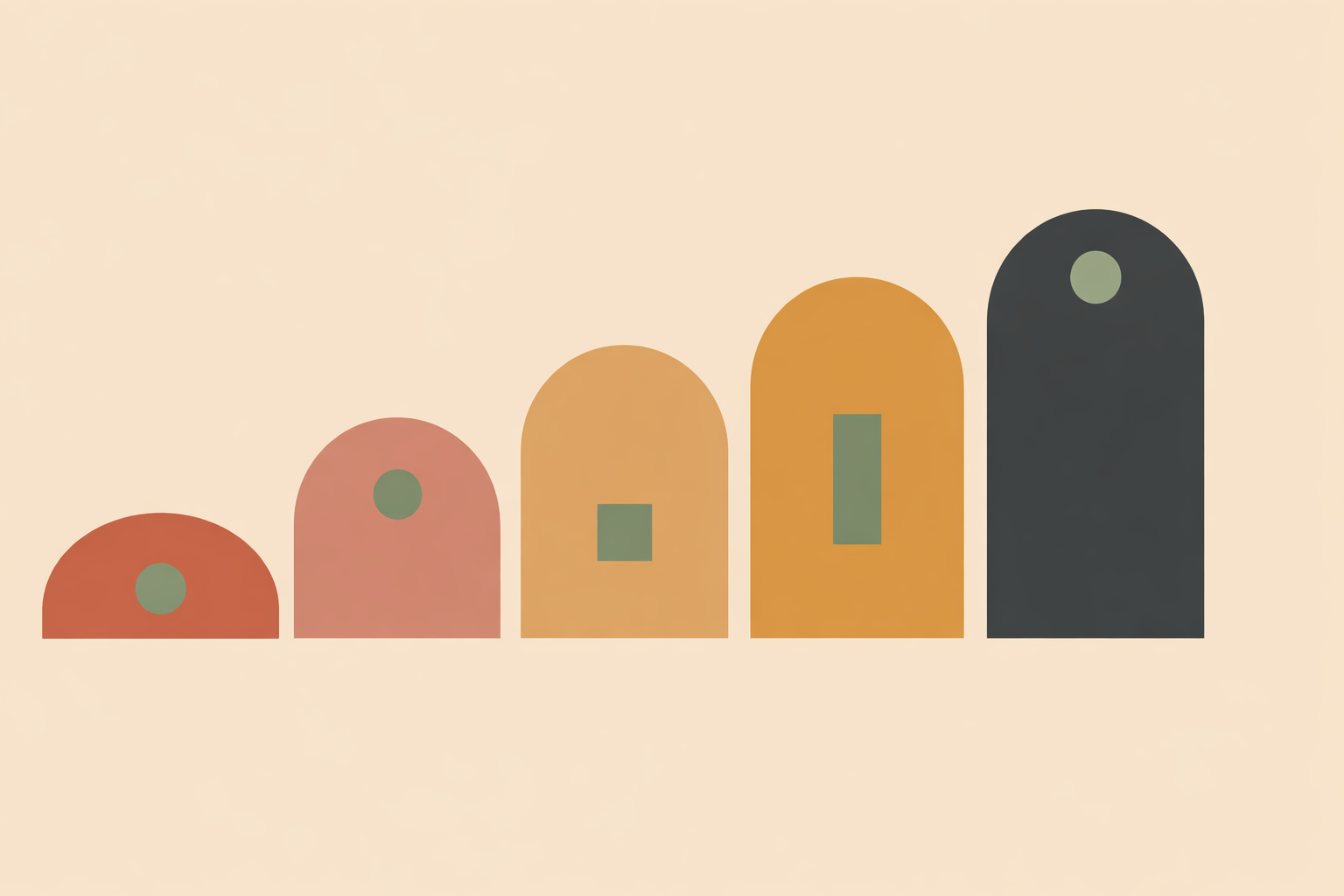
The five-phase arc works as a practical map. Create steadiness first. Then develop skill. Build muscle and strength next. Add power and bone-focused loading when the base is ready. Protect gains with a lighter rhythm that fits real life.
The path also doesn’t have to be gym-only. Traditional slow practices, walking, mobility work, and restorative sessions belong in the plan when used respectfully and consistently, because they keep women connected to training for the long haul.
Use the framework as living guidance, not a rigid script. Some women will stay longer in adaptation, others will enjoy power work earlier, and many will move forward, circle back, and move forward again. The coach’s job is to match the plan to the season of life so strength remains something sustainable and empowering in anti-aging specialist for women certification practice.
Advance Women’s Strength Coaching
Deepen this phased approach with the Anti-Aging Specialist for Women Certification.
Explore Anti-Aging Specialist →