Most facial-sculpting practitioners run into the same challenge: a diary full of one-off “glow” appointments, unpredictable rebooking, and clients quietly hoping for jawline miracles you don’t want to promise. The steadier path is to package facial sculpting around believable outcomes people can feel and notice: less puffiness, softer tension, a fresher look, and gradual refinement over time.
Key Takeaway: Facial sculpting tends to convert best when you package it around modest, repeatable outcomes rather than dramatic promises. A short de-puff series can introduce clients to visible change, an 8-week contour program can support cumulative refinement, and maintenance options help people keep momentum through everyday life, screen-heavy weeks, travel, and cyclical puffiness.
1. Glow & De-Puff Facial Sculpting Series
For an easy entry offer, a short de-puff series works beautifully. It showcases what facial sculpting does well right away: supporting a fresher look, a lighter feeling through the face, and less visible congestion for the day.
Keep it simple: three 45–60 minute sessions across two weeks. Repeat the same core sequence each time so clients recognize the ritual and spot subtle shifts more easily.
A reliable flow might include:
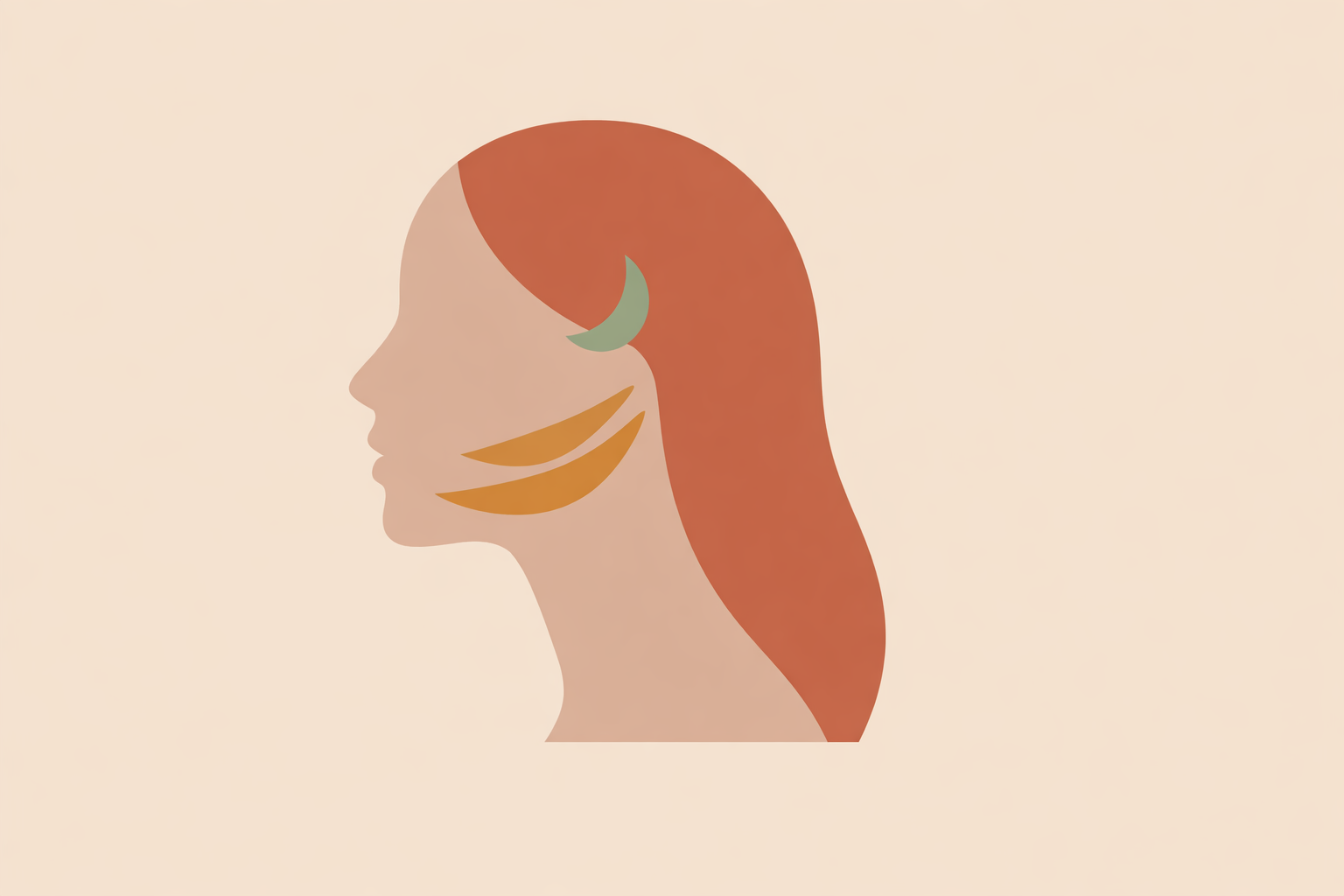
- neck opening and collarbone clearing
- gentle ear-to-collarbone guiding strokes
- light sculpting passes along the jaw and cheekbones
- soft temple holds to finish
Set expectations with calm, honest language: “You’ll likely notice a fresher, lighter look after each session. The goal isn’t to force change. It’s to help your features look less held and more awake.”
For tracking, use the same chair, lighting, and photo angle before and after each visit. Consistency helps clients notice patterns, even when the changes are gentle.
Between sessions, keep home support minimal: five feather-light sweeps from ear to collarbone after evening cleansing is enough for most beginners.
2. 8-Week Facial Sculpting Program for Contour and Firmness
When someone wants more than a quick glow, an 8-week program gives the work the continuity it needs. This is where gradual refinement becomes easier to see in photos, and easier to trust in the mirror.
Research suggests that contour changes and skin elasticity can improve with consistent facial tool use over eight weeks. That aligns with long-standing practitioner experience: steady, skillful repetition tends to look more natural than scattered appointments.
A practical structure is one weekly session plus short home practice five days a week. That rhythm keeps the program doable while still building momentum.
At the first session, take baseline photos and choose two or three repeatable check-points you’ll use the whole way through. Simple, consistent re-checks help clients stay oriented to progress.
Useful points include:
- tragus to mandibular angle
- mid-cheek fullness across the face
- jaw width near the masseter area
Tool choice can be intentional, too. Comparative reporting suggests gua sha is especially useful for sculpting focus, while rollers may be better for skin elasticity. In practice, it’s an easy split: gua sha for shaping emphasis, then roller work for a softer finish.
A weekly 50–60 minute session might look like this:
- 5 minutes of grounding and neck release
- 20 minutes of gua sha along jaw, cheek, and brow
- 10 minutes of roller glide
- 10 minutes of targeted holds around the masseter and surrounding facial muscles
- 5 minutes of feather-light finishing strokes
Expectation script: “We’re looking for gentle refinement, not instant reshaping. Over several weeks, you may notice a softer outline, better balance in photos, and skin that looks a little more alive.”
3. Facial Sculpting Maintenance Membership
After a client completes a series or program, the next question is usually straightforward: how do they keep that feeling going? A maintenance option answers it naturally.
This offer works best when it feels light and predictable. Short, regular sessions often suit facial sculpting because clients respond well to rhythm.
You might offer:
- Glow Drop-In (15 min): neck opening, under-eye sweeps, roller finish
- Monthly Sculpt & Soothe (30 min): jaw and cheek sculpting with soft de-puffing
- Every-Other-Week Reset (40 min): fuller support for people who tend to hold fluid more easily
Brief regular sessions often support a visible sense of lightness and glow, and they keep clients connected to the ease that made them book in the first place.
Keep the promise simple: “We’ll help your face stay less puffy, less tense, and more awake.”
To support renewals, make the logistics effortless: fixed rhythms, gentle reminders, and a familiar opening ritual matter as much as the hands-on work.
4. Jaw, Neck & Tension-Release Sculpt
This package is easy to position because many people already recognize jaw and neck tension in their day-to-day life. Lead with relief, and any softening in the lower-face appearance becomes a welcome side effect.
Research indicates that reduced muscle tone can accompany modest contour improvement with gua sha-based facial work. That fits a tension-first approach well: when the jaw area feels less held, the lower face often looks lighter.
In session, focus on slow, steady work along the sternocleidomastoid, scalenes, and masseter pathway. These are central areas in everyday practice when someone presents with clenching, gripping, or a dense feeling through the neck.
A 45-minute session could include:
- breath-led settling and neck mapping
- warming and softening through the masseter area
- gentle submandibular sweeps
- short sculpting lifts along the jaw angle and cheek
- temple and brow holds to close
Many clients notice a softer lower-face outline as soon as the jaw lets go. Frame this as visible easing rather than dramatic reshaping.
If you are trained and locally permitted for intraoral work, you may include it with clear consent. If not, external techniques alone can still make this a strong, high-value package.
5. Bright Eyes & Screen-Fatigue Relief
Screen-heavy routines often show up first around the eyes, brows, and temples. A focused eye-area ritual makes a practical add-on because clients immediately understand the need it serves.
Keep this offer gentle. Around the eyes, barely-there pressure is usually enough to support ease and reduce the look of congestion, helping the upper face appear brighter.
A short sequence might include:
- temple holds
- inner-corner to temple guiding strokes
- ear-to-collarbone clearing sweeps
- light brow lifts
- bridge-of-nose release
Edited beauty coverage with practitioner input notes that lymphatic-style facial work can visibly reduce puffiness around the eyes. The same source also notes that fluid-related darkness may appear less noticeable through dark circles becoming less pronounced when swelling eases.
That gives you an easy, grounded way to describe the outcome: “We’re not trying to erase the eye area. We’re helping it look less burdened.”
Offer it as a 25–30 minute add-on, a 40-minute standalone, or a three-session mini-series over two weeks with simple before-and-after photos.
6. Travel & Event Reset Sculpt
This package is all about timing. It suits travel, celebrations, performances, shoots, and any moment when someone wants to look fresher without overdoing it.
Position it as a short-term reset, not a major transformation. A session 24–48 hours before an event often lands well, and some clients also enjoy same-day support if their skin responds comfortably.
A 35–45 minute structure works well:
- cooling compress and neck opening
- de-puffing sweeps along jaw, cheek, and under-eye area
- brief gua sha accents at the jaw angle and cheekbone
- roller finish
- optional chilled eye stone at the end
Use language clients immediately understand: “This is for a fresher, lighter look before the moment that matters.”
Because there is no strong formal evidence for ideal pre-event timing, lead with practitioner-led support shaped by observation and client preference. This kind of clarity builds trust.
7. Seasonal & Cyclical Puffiness Support
Some faces change noticeably with stress, travel, weather, and monthly rhythm. When that pattern is present, a fixed schedule can be less helpful than a responsive one.
It’s worth respecting these fluctuations. Coverage notes a link between menstruation and facial puffiness, and many clients also recognize seasonal or stress-related shifts in how they hold fluid.
Build a 12-week plan that flexes around higher-puff periods. That can mean more frequent sessions around travel, late-cycle weeks, or other predictable times when a client feels heavier through the face.
A simple structure could be:
- Weeks 1–4: weekly 40-minute sessions
- Weeks 5–8: biweekly 35-minute sessions
- Weeks 9–12: monthly 45-minute sessions
You can also invite clients to track a weekly morning puffiness score from 0–10 and pair it with a consistent selfie. Self-observation helps people notice patterns they would otherwise miss.
This package often feels deeply supportive because it meets real life as it is, rather than forcing the same cadence all year.
Bringing These Facial Sculpting Packages Together
The strongest facial sculpting offers are usually the clearest ones. When clients understand the purpose of a package, the pace, and the kind of change they’re aiming for, rebooking becomes far easier.
Across these seven formats, the thread stays consistent: honest outcomes, repeatable structure, and a sensory experience clients want to return to. A de-puff series introduces the work, an 8-week program supports gradual refinement, and maintenance keeps it feeling effortless. Targeted options for jaw tension, eye-area fatigue, travel, and cyclical puffiness keep your menu aligned with real routines.
Traditional tools such as gua sha carry centuries of use, and modern research is beginning to explore results such as contour change and skin elasticity more closely. Present the work with integrity by honoring both: lineage and observation alongside careful evidence.
Save the biggest cautions for your closing message to clients: avoid dramatic promises, keep pressure appropriate, and refer out when something looks outside your scope. When people leave feeling lighter and looking a touch more sculpted, they rarely need convincing. They can feel the difference, and that’s what brings them back.
Master Facial Sculpting Skills
Build confident, repeatable protocols with the Facial Sculpting Therapist Certification.
Explore Facial Sculpting Certification →