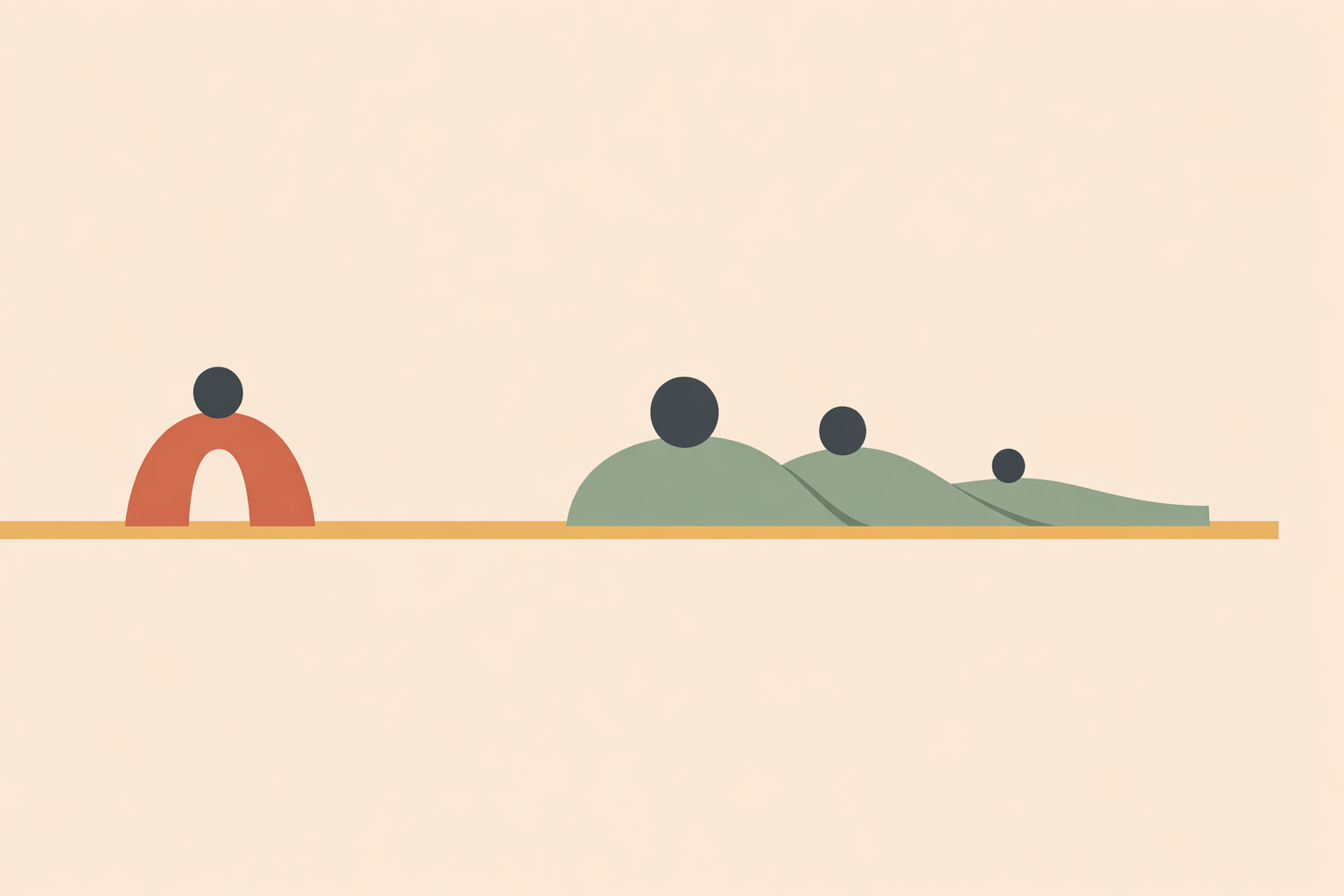
Pain-focused hypnosis asks for different skills depending on the timeline. A client preparing for tomorrow’s dental extraction needs steadiness for a brief, predictable event. A client living with fibromyalgia or back pain for months needs a gradual shift in how they relate to sensation, anticipation, sleep, movement, and daily life. When those two situations are approached with the same script, expectations blur and the work loses impact.
The practical distinction is straightforward. Acute pain work aims for immediate sensory modulation and event rehearsal. Chronic pain work aims for change over time: more flexibility with attention, less distress around flares, stronger self-hypnosis habits, and more confidence in ordinary activities. Good session design follows that difference.
Key Takeaway: Hypnosis for pain works best when the session matches the timeline. Acute work is brief, targeted, and built around immediate comfort cues and rehearsal for a specific event. Chronic pain work is broader and slower, focusing on relationship change, self-hypnosis, sleep, movement confidence, and meaningful daily-function gains. The most skillful practitioners know when to use direct sensory suggestion, when to build longer learning arcs, and how to stay clear and supportive in mixed cases and flare-ups.
How Pain Changes Over Time
Early on, pain is often experienced as an immediate alarm: something is happening right now. In that moment, hypnosis can support calm focus and a different experience of sensation. Experimental research suggests hypnotic suggestions can reduce pain, which matches what many practitioners see in short, focused work.
For acute work, that means simple sensory language. You might guide attention to a slower exhale while a sharp sensation becomes duller, cooler, or more distant. The aim is modulation, not denial.
Over months or years, pain often gathers extra layers: vigilance, frustration, fear of the next flare, interrupted sleep, reduced movement, and a narrowing sense of what’s possible. At that stage, the challenge is the pattern around the sensation as much as the sensation itself.
That’s why chronic pain hypnosis often works best as a learning process. The focus becomes building space and steadiness around the experience so the client has more choice in how they respond over time.
Acute Pain Hypnosis: Supporting a Single Event
For short, intense windows, brevity helps. The session should be clear, specific, and easy to use under pressure.
A strong acute session often includes:
- a single immediate goal
- a rapid induction using breath or eye focus
- a physical cue the client can trigger easily
- direct sensory language such as cool, numb, distant, or dull
- a brief test of change
- step-by-step rehearsal of the actual event
Before an IV start, for example, you might guide rapid eye fixation, three slower exhales, and a short “glove anesthesia” sequence in the opposite hand. Once the hand feels numb, cool, or tingly, the client transfers that quality to the forearm, links it to a thumb-and-finger cue, and mentally rehearses the moment the tourniquet or needle appears.
This style of work suits acute procedures because it is direct and easy to repeat. Evidence from procedural settings suggests hypnosis can support pain reduction during acute pain experiences. In practice, the session succeeds when the suggestion is believable, brief, and tied to what the client will actually encounter.
Chronic Pain Hypnosis: Building a Different Relationship Over Time
With longstanding pain, the work becomes broader and more habit-based. Rather than chasing a one-session breakthrough, many practitioners focus on steady, repeatable gains that improve daily life.
That can include:
- greater flexibility with attention
- less distress during flares
- more settled sleep
- more confidence with movement
- a self-hypnosis routine that continues between sessions
This is where guided imagery, reframing, and gentle repetition shine. Many clients do better with imagery that changes the sensation by degrees: a volume dial turning down, a weather pattern passing through, or a knot loosening a little at a time. These are practical ways to create influence without forcing an all-or-nothing outcome.
Even small reductions in intensity can align with improved sleep and improved mood. Clinically, that combination often unlocks the next steps because better rest and steadier emotions make skills easier to use.
A simple progression across several sessions might look like this:
- Session 1: breath settling and a safe-place image
- Session 2: a sensory metaphor such as a dial or dimmer
- Session 3: reframing flares as waves that rise and fall
- Session 4: linking imagery with movement confidence
- Session 5 onward: strengthening self-hypnosis, sleep anchors, and daily integration
The tone matters. Chronic pain work tends to land best when it stays believable, collaborative, and built for real life, not for a dramatic moment in the chair.
Setting Expectations Before the Session
Pre-talks matter in pain work because they protect trust and keep the process grounded.
For acute pain, keep the frame clean and brief. You might say:
- You stay in charge.
- I will offer suggestions and you will use what helps.
- Our focus today is steadiness during a specific event.
- You will leave with a cue you can use in the moment.
For chronic pain, frame the work as skill-building. Many people notice better sleep, less distress, or more flexibility in how they respond to flares, while results vary. That combination supports hope and keeps expectations realistic.
Useful language for chronic work includes:
- “Let’s explore what changes first.”
- “Even a small shift can matter.”
- “We’re building a skill, not chasing perfection.”
Choosing Techniques for Acute vs. Chronic Pain
Once the timeline is clear, technique choice becomes simpler.
For acute pain, direct suggestion is usually the best fit. Keep sensory language short and concrete: less sharp, more dull; less hot, more cool; farther away, more in the background. Hypnotic anesthesia, cue installation, and brief desensitization work well because they can be rehearsed quickly and used on demand.
For chronic pain, symbolism and guided imagery often create more room for change. Some clients resist being told the sensation must vanish, yet respond strongly to shifting its colour, shape, distance, or intensity by one step. That style keeps the process respectful and empowers the client as an active participant.
Reframing matters more here too. A steady, supportive suggestion is: “you are more than this sensation, and you can influence how much space it occupies.” Over time, that shift often strengthens self-trust and reduces fear around difficult days.
Working in the Grey Zone: Flares, Mixed Timelines, and Procedures
Real practice is rarely tidy. A client with longstanding pain may face a sharp flare or an invasive procedure. In those moments, blending acute and chronic strategies works best when you keep the aim simple.
When chronic pain flares sharply, start with stabilization. Orient the client to the room, slow the breath, and choose one reachable goal such as moving intensity down a notch. Short suggestions like cool, distant, softer, or slower often restore steadiness quickly.
A simple flare protocol may include:
- touch thumb to finger
- take six slow exhales
- picture a dimmer lowering one step
- repeat after two minutes if needed
With consistent practice, self-hypnosis becomes a familiar first response rather than something saved for “bad days.”
Procedures add another layer. A client can be calm and comfortable while still staying appropriately alert to anything unfamiliar or unusually intense. In those cases, keep language precise and supportive, with comfort cues that don’t encourage ignoring important signals.
Simple take-home cues are often enough:
- a short phrase such as “steady now”
- a thumb-to-forefinger anchor
- a longer exhale
- an image of a dimmer lowering with each breath
Tracking Meaningful Progress
In pain-focused hypnosis, progress is bigger than intensity alone. Especially in chronic work, the most useful tracking includes distress, sleep, movement confidence, and how quickly the client recovers after a flare.
A practical record might look like this:
- average pain 6 to 5
- distress 7 to 4
- two short walks completed
- less bedtime rumination
- used self-hypnosis early in one flare
This keeps sessions anchored in lived experience rather than a single number.
Conclusion
The heart of pain-focused hypnosis is matching the session to the timeline. For acute pain, work simply and directly: calm the alarm, shape the sensation, and rehearse the event. For chronic pain, work patiently and broadly: attention, meaning, sleep, movement confidence, emotional steadiness, and self-hypnosis that carries into everyday life.
Done well, this approach gives clients something dignifying and practical. It respects what they feel while training skills that influence how sensation is held, how attention is used, and how quickly steadiness returns. A few cautions belong here at the end: keep goals realistic, encourage clients to seek appropriate support for new or rapidly changing pain, and stay within a coaching scope that prioritizes safety, consent, and the client’s autonomy.
Go Further with Pain Hypnosis
Build practical session strategies with Treating Physical Pain with Hypnosis for acute procedures, flares, and long-term pain patterns.
Explore Treating Physical Pain →