Clients aren’t only asking for “sound baths” anymore. Many now arrive with apps, playlists, and a clear question: should they use binaural beats or isochronic tones? In practice, that choice genuinely changes how a session lands. Headphone-only listening can be perfect for one person and awkward for a group, while a strong pulse can feel organizing to one listener and abrasive to another.
It helps to treat this as a design decision. Both formats draw on the same basic idea that rhythmic sound can help organize state, yet they differ in texture, delivery, and the kinds of settings they naturally serve.
Key Takeaway: Binaural beats and isochronic tones are not interchangeable in practice. Binaural beats tend to suit private, headphone-based listening with a subtle internal pulse. Isochronic tones tend to suit speaker use, stronger rhythmic structure, and shared settings. The most useful choice depends less on trend and more on the person, the environment, and the outcome you want to support.
Why binaural beats vs isochronic tones is a practical choice
This question sits right at the meeting point of traditional rhythm work and modern audio tools. Long before digital tracks, drums, rattles, mantra, and cyclical song were used to steady attention, soften stress, and build connection in groups. Today’s entrainment-style audio is a newer way to shape rhythm for similar coaching and well-being aims within energy healing.
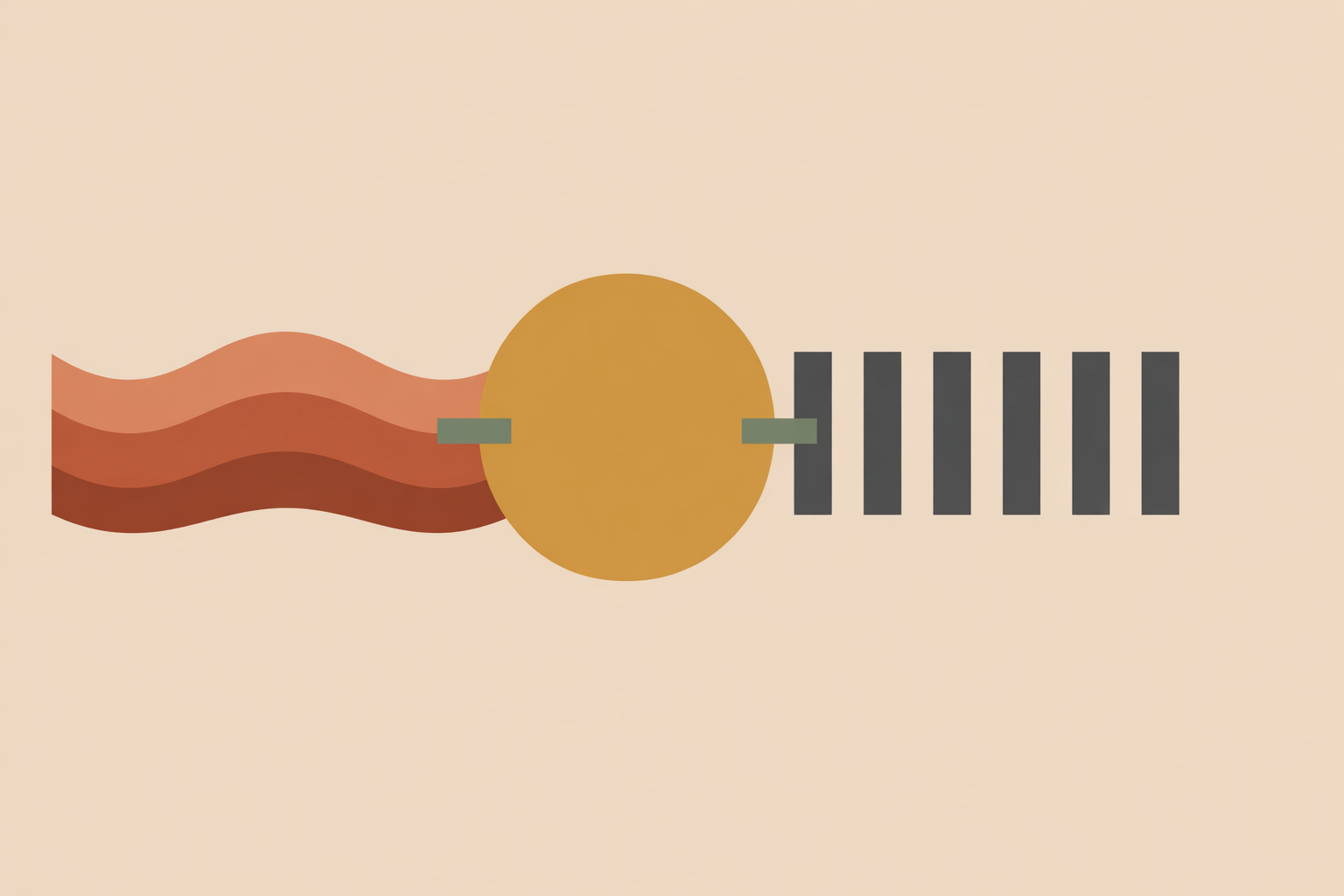
Binaural beats happen when two slightly different tones are played separately to each ear, creating a perceived inner pulse. Isochronic tones use one tone that switches on and off at regular intervals, producing a more obvious external pulse.
Because both are easy to use at home and in sessions, people naturally compare them. The comparison becomes most useful when you start with real-world context: who is listening, where, and for what purpose.
Binaural beats for subtle, headphone-based listening
Binaural beats tend to fit best when the aim is private, inward listening with a low-profile feel. They often suit people who enjoy headphones, prefer gentle ambient sound, and respond better to subtle rhythm than to a strong pulse.
Because binaural beats rely on each ear receiving a different tone, headphones are usually necessary for the effect to work as intended. That makes them less practical for shared rooms, and very practical for solo rituals, quiet integration, and personal listening routines.
In sessions, binaural beats often blend smoothly with breath awareness, guided rest, visualization, or reflective journaling. The rhythm usually feels like an undercurrent rather than a metronome, which can help some listeners settle without feeling driven.
A common use is an evening downshift: a low-volume track layered under warm pads for a short wind-down after a busy day. Many practitioners also like this format for clients who want something discreet they can use while traveling or in a full household.
Not everyone enjoys the internally perceived pulsing, and some people relax more easily with a clearer external anchor. When that’s the case, switching formats is often the simplest solution.
Isochronic tones for structure, speakers, and group work
Isochronic tones are often the easier choice when you want a pulse the whole room can share. Their on-off rhythm is pronounced, which can support paced breathing, movement, and focused group sessions.
They don’t depend on a separate signal to each ear. You hear one pulsed tone, so they work naturally over speakers. In group settings, that shared structure matters: everyone can lock onto the same rhythmic frame.
This is why many facilitators reach for isochronic tones for classes, breath-led sessions, co-working blocks, and any practice where an external scaffold keeps things steady. They can also suit listeners who find softer headphone-based tracks too vague and want something more concrete to follow.
On the research side, compared with binaural beats, isochronic tones have been studied less often. In practice, that simply elevates the value of careful observation, skilled pacing, and clear expectation-setting.
Sensitivity is worth respecting. Because the pulse is explicit, some people find it clarifying while others experience it as too sharp. One review noted that adverse effects across auditory entrainment approaches remain insufficiently characterized, so starting gently and following comfort is a sensible standard.
When the pulse feels too forward, small craft choices can help: lower volume, a warmer carrier tone, and layering the rhythm under natural ambience or steady drones, much like using ocean sound to soften the edge of a session.
What research and practice suggest about outcomes
With both formats, outcomes usually hinge less on the file type and more on fit. Preferences, setting, pacing, and the listener’s sense of ease shape results in a very practical way.
A broad review suggests context and individual factors influence outcomes, including auditory processing, engagement, expectancy, and differences in protocol. That aligns with long-standing practitioner experience: one person thrives on a barely-there internal pulse, while another settles only when the rhythm is clear and external.
Traditional rhythm practice offers dependable pattern recognition here. Slow, even pulses often support settling. Moderate rhythmic pacing often supports attention. Shared rhythmic fields can strengthen group coherence and participation.
Modern frequency language can be used as a light guide rather than a strict rulebook. One review links theta with meditative states and alpha with relaxed alertness, but in day-to-day work the listener’s felt response remains the most trustworthy compass.
Consistent, tolerable practice tends to outperform technical debate. Rhythm, comfort, and regular use create the conditions where benefits are most likely to show up.
How to choose between binaural beats and isochronic tones
Start with the listening context.
- If the person enjoys headphones and wants a private, subtle practice, begin with binaural beats.
- If the person prefers speakers or needs stronger pacing, begin with isochronic tones.
- If you are holding a group, isochronic tones are often the easiest shared format.
- If the listener is very sound-sensitive, start with gentler acoustic or minimally modulated sound and build slowly.
Then match the rhythm to the aim.
- For settling: choose slower, softer pulsing and keep the overall volume low.
- For focus: choose a clearer rhythmic shape with enough definition to support single-task attention.
- For group coherence: use a shared pulse that can be heard comfortably by everyone in the room.
Finally, choose based on how it feels. Binaural beats commonly register as a private undercurrent, while isochronic tones feel more like an external metronome. That lived difference is often what decides the best fit.
Good practice: expectation-setting, consent, and tracking
Clear, grounded language improves the experience. Rather than promising dramatic change, frame the audio as support for attention, grounding, or rest. You might say: “We’ll try a gentle rhythmic track and notice how your system responds,” or “If the pulse feels too sharp, we can soften it or switch to a different sound,” using the kind of consent language that keeps the experience choice-led.
Track what you do in a simple, consistent way: the format, approximate pulse range, volume, duration, setting, and the person’s after-response. Over time, this becomes a practical map of what tends to work for different people.
Keep pacing humane: low volume, gradual fade-ins, and full permission to pause. Many people respond best after a few exposures, so steady observation beats snap conclusions.
Closing perspective
Binaural beats and isochronic tones are modern expressions of an older truth: rhythm can shape attention, presence, and well-being. Binaural beats often shine for personal, inward, headphone-based use. Isochronic tones often shine when you want a clear pulse in open space or with a group.
The real skill is choosing what fits the person in front of you, the space you’re holding, and the kind of support you want the sound to offer. When the fit is right, the method becomes effortless to follow—and easy to return to, whether through personal practice or more formal sound therapy certification.
Explore Sound Therapy Certification
Deepen your entrainment skills with the Sound Therapy Certification for safer, better-matched sessions using rhythm and tone.
Explore Sound Therapy →