When a client says their throat chakra feels blocked, the most helpful move is to translate a big idea into something you can actually observe. Map how stress changes their voice, breath, and communication habits, then choose one small practice they can carry into daily life.
This keeps Vishuddha work grounded. It honors the traditional themes of truth, sound, and expression while giving you something consistent to track from session to session in energy healing practice.
Key Takeaway: A fast, behavior-led intake can turn a vague “blocked throat chakra” into a practical, measurable support plan. Start by identifying whether the person tends to shut down, people-please, or overtalk under stress. Then link that pattern to body sensation, recent communication habits, a brief live voice check, and one small daily practice paired with one real-life use.
Step 1: Map the communication pattern quickly
Start with one clear question: “When a conversation gets tense, what do you do most often: go quiet and pull back, smooth things over and agree, or talk fast and over-explain?”
That single answer gives you an immediate working map. Instead of staying in concept, you now have a pattern you can notice and support.
In day-to-day practice, these three styles often look like:
- Shutdown: going silent, freezing, or struggling to say what matters
- People-pleasing: agreeing too quickly, softening needs, or avoiding directness
- Overtalking: rushing, over-explaining, or filling space before listening
All three can reflect Vishuddha imbalance. Some people hold back because speaking feels risky; others speak a lot yet still don’t feel truly expressed. The shared thread is strain around honesty, timing, and self-expression.
Once they choose a pattern, ask for one recent example and capture it in a simple note: pattern, context, emotion, and after-effect.
For example: “People-pleasing. Work. Anxious. Said yes, felt resentful later.”
Now the session has a clear direction.
Step 2: Link the story to the body
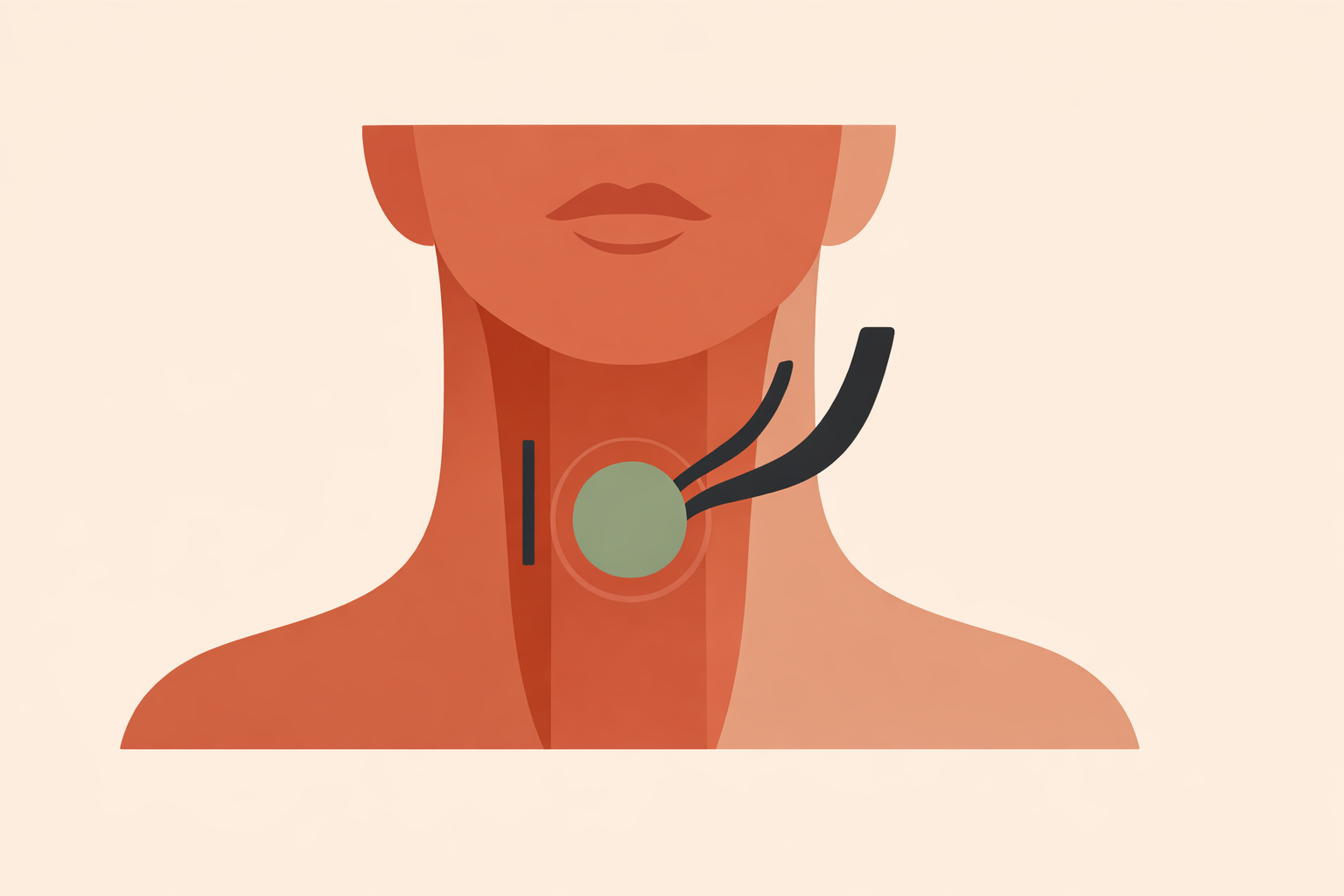
Next, bring attention to sensation. A brief scan helps clients notice where they brace when they’re about to speak, especially in the throat, jaw, tongue, neck, shoulders, and breath.
Use plain prompts such as:
- “What happens in your throat when you imagine saying the hard thing?”
- “Does your jaw tighten?”
- “Do your shoulders lift?”
- “Do you hold your breath?”
Traditional chakra work has long linked blocked expression with tightness in this region, and it matches what many people report: pinched, held back, or stuck.
There’s also a practical voice piece here: stress-related muscle bracing can contribute to that tight throat or jaw feeling.
Keep the check-in brief. You’re not trying to interpret every sensation. You’re locating where their communication pattern shows up in the body right now.
A one-minute in-session reset can help:
- Inhale gently and notice the back of the tongue and base of the skull.
- Exhale with a soft sigh and let the jaw unclench.
- Roll the shoulders once.
- Swallow and notice whether the area feels easier, the same, or tighter.
This builds a bridge between Vishuddha language and lived experience.
Step 3: Identify truth habits
Once the body is involved, communication habits become easier to name. Now look directly at how truth gets edited in everyday moments.
Invite the client to complete three prompts based on the past two weeks:
- “I avoided saying what I really meant when…”
- “I said yes when I meant no when…”
- “I over-explained because I was afraid of being misunderstood when…”
This is where Vishuddha work becomes real. It’s about contact with personal truth, and the ability to let that truth take form in words.
Listen for repetition. The repeating situations matter more than dramatic stories: quiet with authority figures, agreeable in family dynamics, or talkative when feeling exposed.
Then distill their pattern into one low-stakes sentence they can practice:
- “I need a day to think about that.”
- “I can’t take that on this week.”
- “What I mean is…”
The smaller and truer the sentence, the more likely it gets used.
Step 4: Use a live voice check
Now turn insight into direct experience. Ask the client to say one honest sentence out loud, such as: “What I haven’t said is…” and let them finish it in their own words.
As they speak, notice:
- breath flow
- volume
- pace
- jaw tension
- posture
- their own sense of ease
Ask them to rate the ease of saying it from 0 to 10. That number becomes your baseline.
Before repeating the sentence, support the throat area with brief sound. In many lineages, chanting “HAM” is part of Vishuddha practice. Soft humming is also widely used because it invites sound gently, without forcing expression.
A simple sequence works well:
- Take a few unhurried breaths.
- Hum softly six to eight times with the jaw relaxed.
- Say the sentence again.
- Rate ease again.
This is about lived access to voice: a bit more room, steadiness, and honesty in the act of speaking.
Over time, this step often becomes one of the clearest markers of progress. A repeated weekly check-in can track change in a meaningful way.
Step 5: Choose one small practice that matches the pattern
Once the pattern is clear, keep the plan small. One repeatable practice usually beats a long list.
Traditional Vishuddha work often weaves together breath, sound, reflection, and posture. You can keep that spirit while choosing something that fits ordinary life, especially within broader energy healing work.
Here is a simple matching menu:
- If they shut down: two minutes of soft humming, then say one truthful sentence to themselves in the mirror. Later, use that same sentence with one safe person.
- If they people-please: write for a few minutes on “What I mean but don’t say is…” then practice one respectful boundary sentence in a low-stakes setting.
- If they overtalk: use a two-breath pause before speaking in one conversation a day, with attention on listening more fully before replying.
Short practices tend to land well here. They’re easier to remember, easier to repeat, and easier to track.
Make it even more concrete by pairing it with one real-life use:
- Daily practice: two minutes of humming after brushing teeth
- Real-life use: say “I can’t take on more this week” once at work
That pairing keeps the work alive between sessions.
Make the process repeatable
These five steps can become a compact template you return to each time:
- Pattern: shutdown, people-pleasing, or overtalking
- Body map: throat, jaw, tongue, neck, shoulders, breath
- Truth habit: what they do not say, over-say, or soften
- Live voice check: one honest sentence plus an ease rating
- Practice: one daily micro-practice and one real-life use
Used consistently, it gives you a clean way to observe change without overcomplicating the process. Over a month, many people notice clearer patterns, less holding in the body, and a more natural voice in everyday conversations.
It also helps to stay culturally aware. Direct speech doesn’t look the same in every family, workplace, or tradition. A respectful question like “What does speaking honestly look like in your world?” keeps the work inclusive and grounded.
Hold the process with kindness. Silence, appeasing, and over-explaining are often protective strategies, not flaws. The aim isn’t to force expression; it’s to support a steadier relationship with truth, voice, and self-expression.
At its best, Vishuddha work is simple: notice the pattern, soften the holding, speak one true sentence, and build from there. If you want a client-facing way to frame expectations around this process, see throat chakra healing guarantees.
Explore Chakra Energy Healing
Deepen your Vishuddha support skills with the Chakra Energy Healing Certification.
Explore Chakra Certification →