Longevity plans are easy to imagine and much harder to live. A client might want more movement, steadier energy, and better meals, but then real life arrives: shift work, family duties, limited food access, poor sleep, or a neighborhood that makes “healthy habits” feel like a project.
A Blue Zones-inspired approach works best when it starts with the client’s actual day. Instead of chasing perfect routines, you help them shape supportive patterns around what matters: staying mobile, joining in with family life, sharing meals, feeling purposeful, and protecting energy over time.
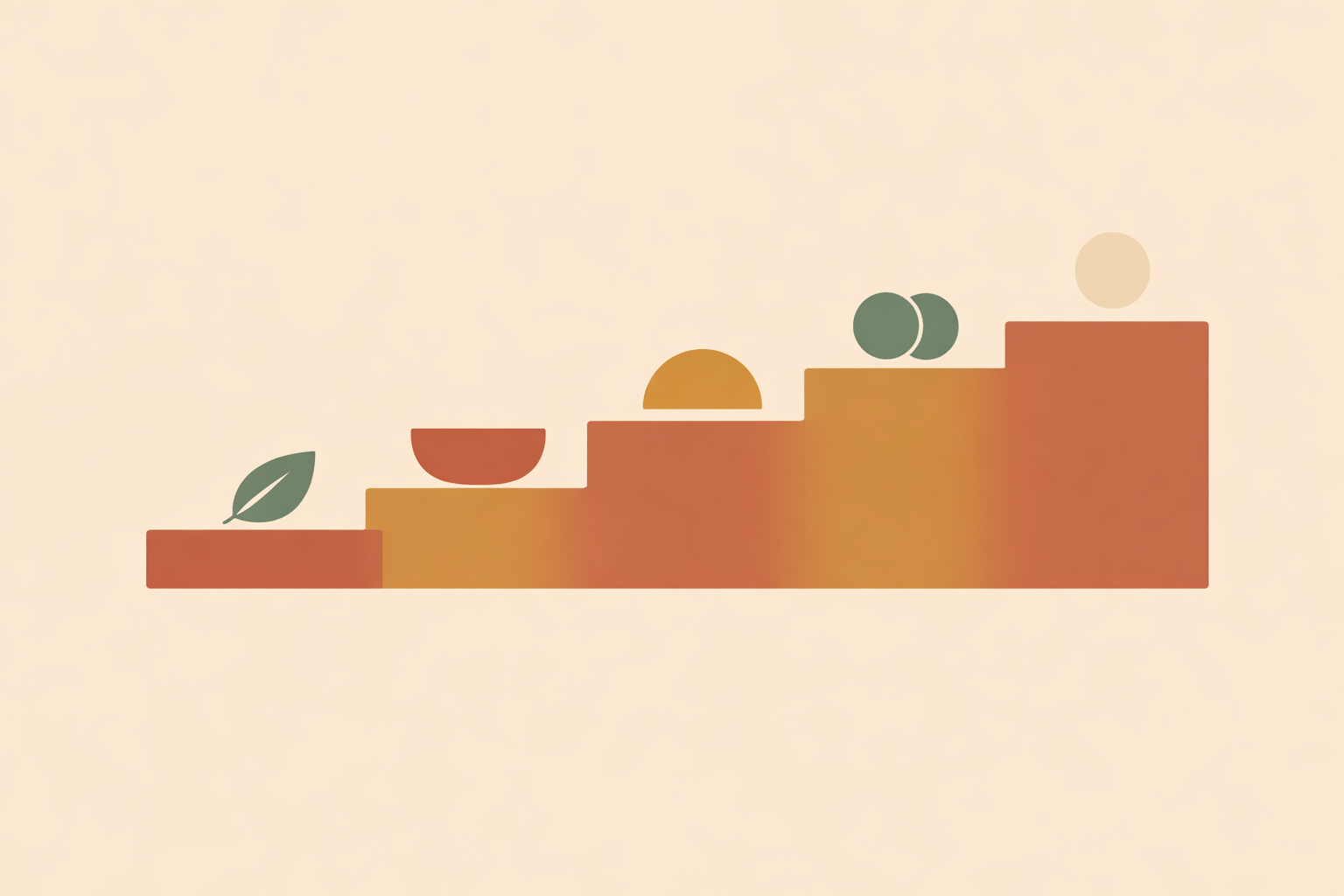
Key Takeaway: A practical Blue Zones-inspired client journey starts with the person’s real environment and current abilities. First, explore how they live, move, eat, rest, and connect. Next, turn broad hopes into measurable functional aims. Then build small, culturally familiar habits around movement, meals, rest, and relationships. Track abilities and consistency rather than perfection, and review often so the plan can evolve with life.
Step 1: Discover the Client’s Real Daily World
Start with story before strategy. A person’s routines, relationships, surroundings, and traditions will tell you more than any polished goal statement.
Explore how they live, move, eat, rest, connect, and belong. A Blue Zones lens can guide your curiosity, but the focus stays on their life, not an imported template. In healthy ageing frameworks, functional ability reflects both a person’s capacities and the environment around them.
So look at the full picture: movement, vitality, senses, mood, and cognition alongside work schedules, housing, transport, caregiving load, neighborhood design, and cultural rhythms. What looks like “low motivation” is often a practical barrier like time, money, privacy, safety, or support.
A warm first session might include questions like:
- “Tell me about a day when you feel most like yourself.”
- “What traditions or routines help you feel steady or connected?”
- “What do you want daily life to feel easier for right now?”
- “What tends to get in the way during an ordinary week?”
This is also the right moment to ask about food access, shift patterns, walking conditions, social contact, and household routines. These details often determine whether a plan feels natural or impossible.
Motivational interviewing can keep the process collaborative, using open questions, affirmations, reflections, and summaries to find what already works and where friction shows up.
Also watch for “environmental nudges.” A chair near the counter, beans already cooked in the fridge, a standing phone call with a sibling, or a safer walking route can carry a habit further than a long set of instructions.
Concrete specific: Add a one-page “Day in My Life” sheet to intake. Include meal windows, energy highs and dips, common walking routes, three affordable foods they buy most often, and who they usually see during the week.
Step 2: Turn “Age Well” Into a Functional Direction
Broad hopes are a fine starting point, but they rarely guide day-to-day choices. “Feel better” needs translating into something visible and lived.
A helpful frame is function: what do they want to keep doing with ease and confidence? That might mean walking to the market, getting up from the floor, cooking for family, keeping up with grandchildren, joining community gatherings, or staying mentally sharp for creative work.
The idea of intrinsic capacity supports this conversation. It includes areas like locomotion, vitality, sensory function, cognition, and psychological well-being, which together shape what a person can do in daily life over time.
Purpose matters here, too. When a goal connects to a role, value, or relationship, it usually holds steady through busy weeks.
Then turn the direction into something measurable and adaptable:
- Climb one flight of stairs without stopping.
- Prepare three home-cooked plant-forward meals each week.
- Walk comfortably for 20 minutes most days.
- Sleep within a consistent window on five nights each week.
- Reconnect with friends or family twice each week.
Lifestyle patterns influence how people feel and function over time. The aim is not perfection; it’s a direction that’s meaningful enough to matter and simple enough to live.
Concrete specific: Write one “North Star” sentence together: “Because I want to keep playing on the floor with my grandchild, I will walk most days and practice sit-to-stands after breakfast.” Read it aloud and adjust until it feels realistic.
Step 3: Build Habits Around Movement, Food, Rest, and Connection
With the direction set, move into small, respectful experiments. Blue Zones patterns work well in practice because they’re ordinary: regular movement, plant-forward meals, rest, belonging, and purpose woven into the day.
Movement That Belongs to the Day
The most sustainable movement is usually the kind that already has a place in someone’s world. Walking to errands, gardening, sweeping, carrying groceries, taking stairs, stretching while tea brews, or standing during phone calls can all become reliable anchors.
Research has linked home gardening with better function in later life, and traditional living has long held the same lesson: useful daily movement adds up.
- Walk for 5–10 minutes after meals.
- Practice sit-to-stands while waiting for the kettle.
- Keep watering cans or light household tasks as built-in movement prompts.
- Use stairs once or twice more than usual each day.
Plant-Forward Meals With Cultural Familiarity
Blue Zones eating patterns tend to center on beans, vegetables, fruits, grains, nuts, seeds, and simple home cooking. Their strength is that they’re familiar, affordable, and repeatable.
That can look like lentil soup, rice and beans, millet porridge, corn-based dishes, vegetable stews, roasted roots, greens with garlic, or a bean pot cooked once and used across several meals. Traditional foodways often already contain this pattern; your role is to help make it doable again.
Keep meals practical:
- Choose one staple bean or legume each week.
- Build meals from simple combinations the household already enjoys.
- Batch-cook one pot, one grain, and one vegetable base.
- Make the nourishing option visible and easy to assemble.
Rest and Daily Downshifting
Rest gets overlooked in longevity planning, yet many people feel more steady when sleep timing is more regular and the day includes a small ritual of slowing down.
Options can be simple: morning light, dimmer evenings, prayer, tea, breathwork, gentle stretching, or a few quiet minutes between work and home life. These rituals don’t need to be elaborate. They need to be repeated.
Connection as a Core Habit
Social connection deserves the same attention as meals and movement. Shared walks, regular calls, neighborhood visits, group cooking, faith gatherings, and craft circles can all create steadiness. In real life, relationships often become the support beam that keeps other habits in place.
Concrete specific: Build one experiment in each area: one movement cue, one easy meal anchor, one evening wind-down ritual, and one planned social contact each week.
Step 4: Track What Actually Matters
Accountability works best when it helps people learn, not when it makes them feel judged. Instead of chasing perfect numbers, track what shows whether daily life is getting easier, steadier, or more connected.
Useful markers include:
- How often they move during the week
- How many plant-forward home meals they enjoy
- Whether sleep timing feels more regular
- Comfort with stairs, walking, balance, or carrying everyday items
- Perceived energy and mood
- Meaningful contact with others
Language can stay soft and practical. “Most days,” “some days,” and “not yet” often gives a clearer picture than rigid scoring.
Motivational interviewing is also useful in reviews. Evidence suggests motivational interviewing can support everyday habit change by helping people strengthen their own reasons for change.
A light weekly review is often enough:
- What felt good?
- What felt difficult?
- What made the helpful habit easier?
- What needs adjusting this week?
Concrete specific: Use a simple weekly grid with rows for Move, Plant Meals, Rest, and Connection. Let the client mark each day with “M” for most of the plan, “S” for some, and “N” for not yet.
Step 5: Review, Personalize, and Help the Pattern Last
Every few weeks, step back and refine. Keep what fits, adjust what creates friction, and let go of what doesn’t match this season of life.
A Blue Zones-inspired approach works best as flexible principles rather than a replica of another place or culture. Even researchers describe Blue Zones ideas as hypothesis-generating, which supports thoughtful, respectful adaptation.
For one person, support might look like market walks, bean stews, and a strong church community. For another, it could be hallway walks between calls, shared soup with neighbors, and a weekly family video chat. The pattern matters more than the aesthetic.
Fallback plans help habits survive real life:
- Movement: If energy is low, do two 5-minute walks indoors.
- Food: Keep simple pantry staples for a quick nourishing meal.
- Rest: If evenings are disrupted, protect a steady morning reset.
- Connection: If plans fall through, send a voice note or make a short call.
Stay within ethical scope. Avoid promising prevention, reversal, or guaranteed outcomes. When there is rapid change in function, persistent distress, or needs beyond your role, the supportive next step is appropriate referral.
Concrete specific: Try a seasonal review. Ask what should stay, what should change, and what support the next season of life requires.
Conclusion: Blue Zones Wisdom Works Best When It Becomes Daily Life
Blue Zones wisdom becomes most helpful when it turns into real routines: movement woven into the day, simple plant-forward meals, regular rest, strong relationships, and a clear sense of purpose.
Your role isn’t to hand over a perfect longevity script. It’s to help each person build a pattern that fits their body, culture, household, and current season of life, whether through longevity and biohacking principles or everyday coaching practice. Start with what already exists, strengthen what’s workable, and keep it kind and practical.
Lasting change often begins with one meaningful goal, one supportive environment shift, and one repeatable habit at a time, a steady approach that also fits Blue Zones-inspired anti-aging coaching.
Master Blue Zones Coaching
Go deeper on habit design with the Blue Zones–Inspired Anti-Aging Coach Certification.
Explore Blue Zones–Inspired →