Blue Zones messaging is easy to market and harder to coach. Many practitioners begin with longevity promises or centenarian lore, then meet clients who are tired, over-scheduled, and not looking to redesign their whole lives. Most people want something more immediate: to feel steady, capable, and connected this week.
A more useful Blue Zones–inspired approach is to coach for everyday function. Help people build the ability to move, think clearly, recover, relate well, and make supportive choices in ordinary life. It creates a grounded offer with less hype and more repeatable days.
Key Takeaway: Blue Zones–inspired coaching works best when it centers functional ability and turns it into three clear client paths: Everyday Vitality and Daily Rhythm, Strength and Independence in Daily Life, and Purposeful Longevity and Connection. This makes the work more practical, more adaptable, and easier for clients to sustain.
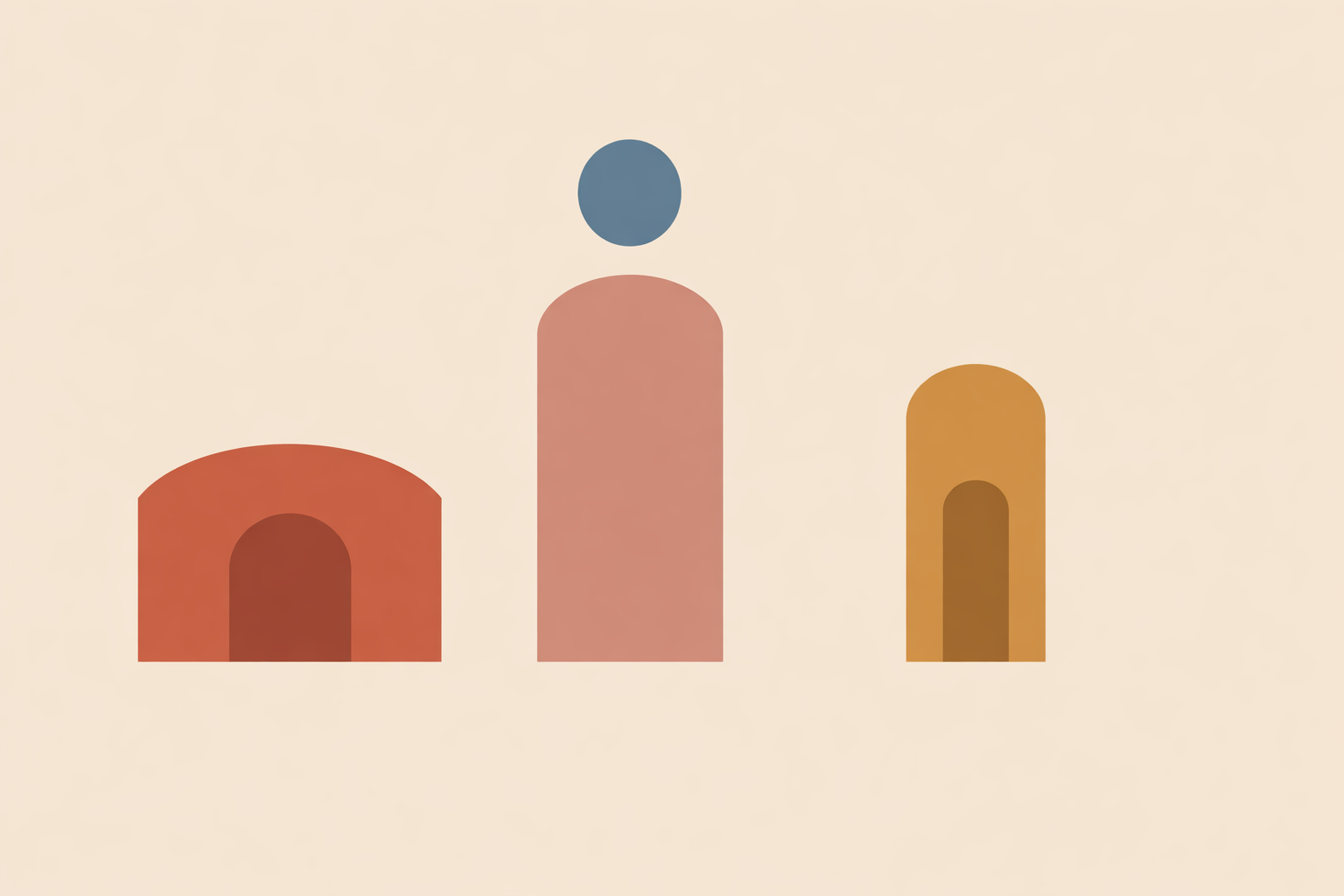
Three Clear Blue Zones–Inspired Client Paths
To turn inspiration into a service clients can actually use, organize your work into three simple paths they can understand quickly.
- Everyday Vitality and Daily Rhythm for people who feel overloaded and want calmer basics.
- Strength and Independence in Daily Life for people prioritizing mobility, balance, and practical confidence.
- Purposeful Longevity and Connection for people who know the basics but struggle with motivation, belonging, or context.
This kind of choice architecture lowers friction. A client doesn’t need a perfect master plan; they need a sensible starting point that can succeed in real life.
For example, a client who cycles through nutrition plans and exercise apps often settles faster when offered one path, one daily anchor, and one weekly check-in. The work moves out of fantasy and into rhythm.
Client Path 1: Everyday Vitality and Daily Rhythm
When someone feels overwhelmed, rhythm usually helps more than reinvention. This path focuses on simple meals, gentle movement, steadier evenings, and a few repeatable rituals that fit the client’s culture, budget, and schedule.
Start with a light-touch scan of meal patterns, cooking confidence, ingredient access, hydration, sleep timing, movement, long sedentary stretches, stress load, and social routines. A strong prompt is: “On your best days, what did you eat, how did you move, and when did you rest?”
Plant-forward meals and food traditions
Encourage more vegetables, fruits, beans, lentils, whole grains, nuts, seeds, and herbs without turning eating into a purity test. In day-to-day practice, plant-forward patterns often support steadier energy and long-term well-being, and they’re commonly associated with improved lipid balance, glucose regulation, and blood pressure. On the other side, high intake of ultra-processed foods is often linked with higher mortality and more frequent metabolic issues. The coaching move here is realistic substitution, not strict avoidance.
Make meals easy to repeat. Default meals reduce decision fatigue and create a sense of safety on busy days.
- Weeknight pot: black beans with onion, garlic, cumin, thyme, greens, rice, avocado, and lime
- Five-minute breakfast: oats with cinnamon, grated apple, walnuts, and yogurt
- Lunch bowl: roasted sweet potatoes, mixed greens, chickpeas, olive oil, and citrus
Choose two meals the client can repeat when energy is low, then save them in their notes as “defaults.”
Movement, sleep, and stress anchors
For overloaded clients, the most reliable shifts are small and distributed through the day. Blue Zones patterns are rich in ordinary movement: walking to errands, gardening, dancing, carrying, stretching, and standing up often. Modern guidance echoes this by encouraging adults to move more and sit less.
Short walks become more consistent when they’re attached to an existing cue, like after dinner, after school drop-off, or during a call with a friend. When the cue is built in, motivation matters less.
Evening routines matter too. Many practitioners see clients sleep better when they stop trying to “solve” nights with grand gestures and instead repeat a calm wind-down: lower light, less device use, a warm shower, a few slow breaths, a short prayer, a mantra, or a gratitude note. The goal is a familiar signal that the day is closing.
Three starter metrics are often enough:
- Did you repeat two default meals this week?
- How many minutes did you walk after dinner?
- Did lights go out within your chosen sleep window?
When this path works, progress looks pleasantly ordinary: fewer afternoon crashes, smoother evenings, less friction around meals, and a growing sense that supportive choices are becoming normal.
Client Path 2: Strength and Independence in Daily Life
This path is for clients who want to feel capable in real life. Frame movement around what the body needs to do day to day: carrying groceries, using stairs, getting up from the floor, walking longer with ease, and moving through daily tasks with confidence.
Begin with valued activities. Ask what they want to keep doing over the next decade. Common answers include lifting grandchildren, gardening, traveling comfortably, kneeling for prayer, or feeling steadier outdoors. Those answers guide the plan better than generic fitness goals.
Turning movement goals into functional skills
A reliable weekly framework for many adults includes 150 minutes of moderate aerobic activity plus muscle-strengthening on at least two days. For older adults, balance work is part of the foundation.
Translate that into an equipment-light home routine two or three times per week, or into simple strength sessions that clients can actually repeat:
- Sit-to-stands
- Wall or counter push-ups
- Hip hinges with a light load
- Band or towel rows
- Calf raises
- Low step-ups
Balance can be practiced in short micro-sessions: tandem standing near a counter, standing on one leg while brushing teeth, or gentle reaching drills. Progress can be quiet and still meaningful: cleaner control, steadier tempo, and less hesitation.
Traditional and everyday forms of strength
Many ancestral and traditional practices already combine strength and balance in practical ways. Floor sitting and rising, carrying market bags, folk dance, tai chi, and martial arts all build usable capacity. Current guidance for older adults emphasizes multicomponent activity that blends strength, balance, and variety.
The key is respectful adaptation. Help clients return to movement forms that feel culturally familiar or personally meaningful, rather than copying aesthetics that don’t belong to them.
Environment supports follow-through
Environment often decides whether a plan is realistic. Clear walking space, a sturdy chair for sit-to-stands, and visible resistance bands invite action more than a perfect routine hidden in a notebook. Outside the home, a safe loop, a nearby bench, or an accessible community space can make regular movement far easier to maintain.
This reflects a broader principle: built environments, relationships, and services shape what people are able to do.
Useful tracking stays practical:
- How confident do you feel on stairs while carrying a bag?
- How many controlled sit-to-stands can you do?
- How many walking minutes did you accumulate this week?
- Did you complete the valued activity you care about?
That’s functional longevity in action: a steady return to confidence in everyday life.
Client Path 3: Purposeful Longevity and Connection
Some clients understand food and movement basics, yet struggle to stay consistent. In these cases, purpose, belonging, identity, and context are often the real drivers.
Normalize ambivalence early. A client can want supportive routines and still guard their limited time, privacy, or energy. That tension is useful information, and it often points to what needs to change around the habit.
Explore what gives life meaning now: family roles, craft, spirituality, nature, learning, contribution, music, creativity, or community. Keep this culturally humble. Not everyone uses the same language for purpose, and not everyone wants the same kind of social life.
Making belonging actionable
Purpose becomes practical when it turns into weekly behavior. The best experiments are small, social, and repeatable.
- One recurring group movement practice, such as a walk club, community dance, or martial arts session
- One shared meal or shared prep ritual each week
- Two scheduled check-ins with trusted people by text, call, or voice note
These shifts matter because habits rarely form in isolation. The conditions around a person strongly influence what sticks.
Context is a real coaching lever
Context is not background detail. Home setup, neighborhood safety, schedule pressure, and social expectations shape both barriers and access to supportive opportunities. The WHO healthy ageing framework highlights how physical, social, and policy environments influence participation and function.
That’s why home audits, calendar design, community mapping, and relationship patterns belong inside this path. When the environment pulls against the client, motivation rarely carries the whole load.
Identity-based coaching conversations
Motivational interviewing can be helpful here, not as a script to perform, but as a respectful way to draw out the client’s own reasons for change. It means asking open questions, reflecting what you hear, and helping the client hear their values more clearly.
- Open question: “What would a more connected week look like in real life?”
- Reflection: “So when you’re with your choir, walking feels easier to keep up.”
- Affirmation: “You already built one reliable ritual before, so consistency is not new to you.”
- Summary: “You want to move more and feel less isolated. One shared midweek walk could support both.”
When this path clicks, clients often stop forcing habits and start recognizing themselves inside them. That foundation lasts longer than willpower.
How to Help Clients Choose the Right Starting Path
Choice becomes easier when it’s framed as a starting point, not a permanent identity.
- Choose Everyday Vitality and Daily Rhythm when the client needs calmer basics and more structure in daily life.
- Choose Strength and Independence in Daily Life when practical confidence, mobility, or balance is the priority.
- Choose Purposeful Longevity and Connection when isolation, identity shifts, low motivation, or environmental friction are central barriers.
From there, a 90-day coaching arc often feels manageable:
- Clarify: define what “better” looks like in ordinary life and choose one or two behaviors
- Experiment: test small versions, track only what helps, and adjust the environment
- Integrate: stabilize routines and add one gentle progression or social layer
This makes progress feel achievable. It also respects how real change happens: through repetition, adjustment, and growing fit with real life.
Closing Perspective
Blue Zones–inspired coaching is strongest when it stays human-sized. The aim isn’t extraordinary promises; it’s helping people create days that feel more capable, connected, and supportive of who they want to be.
Describe outcomes in grounded terms: more consistency, steadier routines, stronger self-trust, improved confidence in daily tasks, and better alignment with values. That’s honest, useful, and clearly within coaching scope.
Keep the work ethical and clear: informed consent, realistic expectations, privacy, careful language, and the humility to pause or collaborate when needs move beyond coaching. Traditional practices and cultural routines can be powerful supports here, especially when they’re approached with respect and genuine context rather than borrowed symbolism.
In the end, the Blue Zones lesson is simple. Lasting well-being is built from environments, relationships, and daily patterns that make supportive living feel like normal life, and this is the broader terrain of longevity and biohacking.
Master Blue Zones Coaching
Apply the three-path framework with the Blue Zones–Inspired Anti-Aging Coach Certification.
Explore Blue Zones Certification →