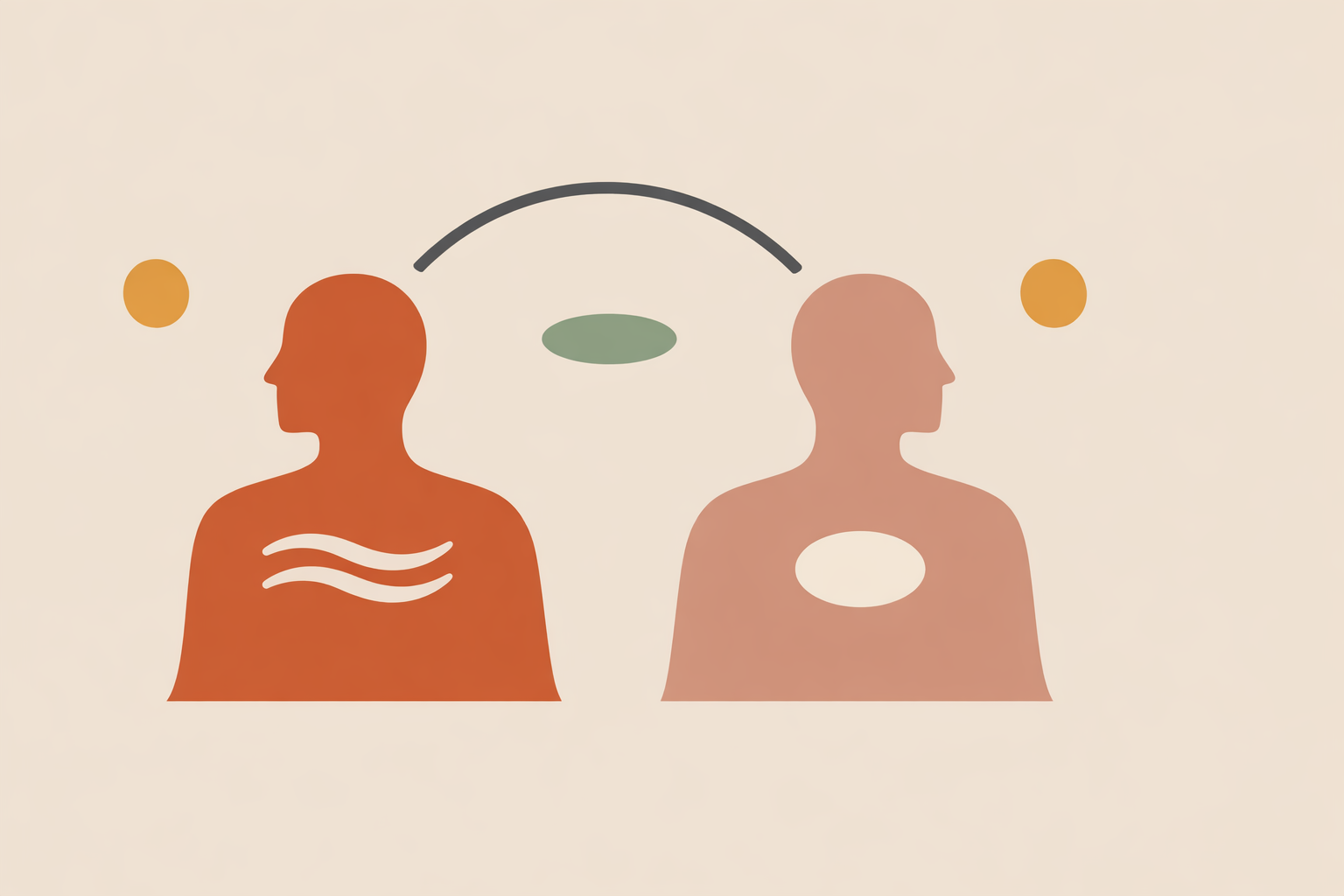
Group facilitators often inherit the same question: should you open with breathwork or meditation? In real rooms, that tidy choice rarely holds. People walk in from commutes, meetings, and notifications, each carrying a different inner tempo. Some need help settling. Others need help feeling safe enough to stay present.
A more reliable way to sequence is to start with state. Choose the opening that helps this group move toward steadiness, receptivity, or clear attention with the least friction. In many settings, a brief spell of gentle diaphragmatic breathing does that beautifully. In others, especially when inward focus feels intense, it’s wiser to begin with eyes-open grounding and invite breath cues later.
Key Takeaway: The most effective sequencing choice is usually not “breathwork or meditation?” but “what state does this group need first?” Breathwork often works well as a short settling prelude, yet meditation-first can be wiser when direct breath focus feels overwhelming. Good facilitation stays flexible, consent-based, and responsive to the room.
Why breathwork often works best first in group settings
Most groups don’t arrive ready for stillness. They arrive scattered, chatty, tired, or overstimulated, and experience levels can vary widely. A short breathing prelude helps people land before you ask for quiet attention.
That’s why breathwork-first is so reliable. Slow nasal breathing can improve emotional control and ease anxious activation, so meditation feels more approachable minutes later. Both breathwork and meditation can reduce negative affect, yet breath tends to be immediately tangible for a distracted room.
Facilitators also recognize the “group effect.” Breathing together often organizes the room: pace evens out, fidgeting softens, and attention gathers. When that happens, silence becomes easier to enter and easier to keep.
Two-minute group prelude:
- Orient to the room: feet on the floor, eyes soft, nothing to fix.
- Breathe gently through the nose for about a minute at an easy, unforced pace.
- Let the exhale lengthen slightly.
- Pause and notice what changed before moving into meditation.
Traditional practice often places breath before stillness
Breath-before-meditation isn’t a modern facilitation hack. Many traditional systems treat the breath as preparation for steadier attention, and that continuity matters.
In the eight-limbed yoga model, pranayama precedes meditation. The sequence reflects a practical insight refined over generations: skillful breathing helps prepare the body-mind for concentration and stillness.
Tradition also allows adaptation. Breath-focused awareness can be meditation, and simple equal-part breathing has long been used to steady attention before sitting. The point is function rather than rigid rules: breath helps many people arrive more fully before quieter practices begin.
Useful translation for modern groups: keep the spirit of breath-then-stillness, but adapt the form to the room in front of you.
Choose breathwork first when the group needs settling, safety, and shared rhythm
Breathwork-first shines when people arrive wired, depleted, or uneven in readiness. In those moments, the opening sets the tone for support and inclusion.
Slow diaphragmatic breathing can support vagal tone and calmer social engagement, which is one reason it bridges daily momentum into practice so well. Trauma-aware facilitation frameworks also emphasize safety and resourcing before anything activating.
For many groups, that means starting with:
- clear consent and permission to adjust
- gentle nasal breathing
- slightly longer exhales
- simple orientation to the room and the body
This kind of opening is usually enough to create momentum. A steady, workable start serves the whole room.
Choose meditation first when breath focus feels too activating
Not everyone experiences breath cues as calming. For some people, especially those with high anxiety sensitivity or a history of overwhelm around bodily sensations, direct interoceptive focus can feel like too much too soon.
Meditation-first can be the wiser choice. Begin with an external anchor: sight, sound, contact with the floor, or simple orientation to the room. Eyes-open practice, soft gaze, and object-based attention often feel more approachable because they create space without pushing people inward immediately.
When breath attention feels edgy, grounding through the environment often works better than insisting on breath awareness. Once the room is steadier, breath can be offered as an option rather than a requirement.
Two grounding options before any breath cue:
- Soft-gaze practice: rest the eyes on a point in the room and notice color, shape, and distance.
- Sensory orientation: notice what you can see, hear, and feel where you are sitting.
Simple script: “If focusing on breath feels supportive, you are welcome to include it. If not, stay with sound, sight, or the feeling of your feet on the floor.”
Read the room and adjust in real time
No sequence works for every group. A plan is useful, but the room is the real guide.
Look for settling: softer shoulders, slower speech, quieter movement, fuller exhales, steadier gaze. Also watch for signs a practice is too much. High-ventilation breathing can cause light-headedness, tingling, palpitations, shakiness, and anxious activation. In trauma-affected participants, hyperventilation can also increase intrusive material.
If you see overwhelm, simplify immediately. Return to natural breathing, re-orient to the room, and emphasize contact points like chair and floor. If you continue, trauma & emotional healing approaches often keep the emphasis on gentler forms such as diaphragmatic or coherent breathing as an early step.
Green flags:
- longer, easier exhales
- jaw and shoulders softening
- steadier attention
- less restless movement
Red flags:
- breath-holding or breath stacking
- dizziness or numbness
- glassy or darting eyes
- sudden withdrawal or panic-like activation
Pivot script: “Let’s pause the technique. Feel your seat and your feet. Look around and notice three colors in the room. Let your breath return to its own natural pace.”
Flexible session arcs for combining breathwork and meditation
The most useful session designs stay flexible rather than ideological. Since no single named approach consistently outperforms all others, the real craft is matching the arc to the group in front of you.
Three workable formats:
- Breathwork-first for mixed groups: welcome and agreements, 3 to 5 minutes of gentle coherent breathing, brief grounding, then 10 to 15 minutes of quiet meditation.
- Meditation-first for sensitive groups: 5 minutes of eyes-open sensory awareness or object focus, followed by optional natural breath awareness, with no pressure to change the breath.
- Interwoven format: short orientation, a few minutes of calming breath, open awareness, then a second quieter sitting phase once the room is more settled.
Breath tempo can shape the arc. Slower patterns tend to down-regulate arousal, while faster or more active patterns tend to energize. Many experienced facilitators also use an active-then-quiet blend to help groups drop into ease quickly, guided by careful pacing and consent.
Start with the room, not the rule
There’s no universal answer to “breathwork or meditation first.” The best opening supports the state your group needs right now.
If the room is activated and scattered, a short, gentle breathing prelude often helps people settle and connect. If direct breath focus feels too intense, begin with eyes-open grounding and let breath stay in the background until it feels welcome. Keep choice explicit, pace calmly, and adjust early rather than pushing through.
That’s where skilled facilitation lives: reading the room, drawing from tradition with respect, and adapting in real time so breath and attention stay practical tools for steadiness, presence, and well-being.
Train in Breathwork Facilitation
Deepen your sequencing and safety skills with the Breathwork Practitioner certification.
Explore Breathwork Practitioner →