Clients often ask for chakra work by name, especially when difficult life experiences linger in the background. The challenge is rarely the chakra language itself. It’s the pace, the scope, and whether the session is held in a safe, choice-based, trauma-informed container.
Used with care, chakra energy healing offers a gentle symbolic framework for reflection. It helps people notice sensation, meaning, values, and boundaries without forcing a story or promising a fix.
Key Takeaway: Chakra energy healing can support trauma-related work when used as optional, symbolic reflection inside a trauma-informed container. In practice, that means safety before technique, consent before intensity, and clear cultural and professional boundaries throughout. Chakras work best here as a flexible map for noticing experience, not as a literal explanation for why someone feels the way they do.
Why chakra energy healing resonates in trauma-sensitive work
For many practitioners, the chakra map gives words to patterns people already recognize: tightness in the chest when trust feels shaky, a throat that closes around hard truths, a belly that won’t quite settle. That embodied focus is a big reason chakra work fits naturally in trauma-sensitive support.
Its value is usually quiet and practical. A brief, choice-based ritual can bring orientation and steadiness, especially when it stays modest and optional.
The most helpful ingredient is often the simplest: attentive presence. Add breath, gentle ritual, and a grounded pace, and chakra work becomes a way to notice sensations, emotions, values, and boundaries without demanding disclosure or pushing meaning too quickly.
What trauma-informed practice requires before chakra work
Before any technique, the conditions matter. A trauma-informed approach recognizes trauma’s widespread impact and actively works to avoid retraumatization.
In day-to-day practice, the foundation includes safety, trust, transparency, collaboration, empowerment, and cultural responsiveness. These aren’t optional add-ons; they’re what makes any reflective work—traditional or modern—feel workable.
Because trauma can shape emotions, thinking, relationships, spirituality, and the body, chakra work should start gently. Begin with what helps the person feel oriented enough to choose what happens next.
That might mean keeping the lights on, making exits visible, skipping scent unless requested, and agreeing ahead of time on a clear way to pause or stop. Remember that individualized safety is real: what settles one person can make another feel exposed.
- State scope plainly and early.
- Offer equal options, including non-spiritual grounding.
- Keep practices brief and easy to stop.
- Invite feedback throughout, not only at the end.
Using chakras as a symbolic map, not a literal explanation
Chakra lineages arise from South Asian traditions, and different schools describe the centers in different ways. There isn’t one universal chart, and honoring that diversity keeps the work respectful and accurate.
In trauma-sensitive sessions, it helps to offer chakra language as a symbolic map. You might say, “Some people connect this area with voice or expression. Does that fit for you, or would you choose different language?”
That framing keeps lived experience at the center and prevents the chakra map from being overstated. Chakras can be deeply meaningful as a reflective framework without being presented as a clinical explanation for trauma.
When the work is rooted in tradition and open in interpretation, it tends to land with more ease.
A gentle chakra session arc for trauma-sensitive support
When trauma sensitivity is part of the picture, gentleness works better than intensity. A simple arc is often plenty: orient first, try one brief practice, then return attention to the room and close clearly.
This pacing supports steadiness, even when the language is traditional or spiritual in tone.
- Orientation: Ask what would help the person feel more settled right now. Offer a chakra-based check-in or a non-spiritual grounding option.
- Brief practice: Stay with one center only. Keep eyes open if that feels easier. Use invitational language rather than commands.
- Integration: Return attention outward. Notice the room, the chair, the floor, or a neutral object in the hand.
- Closure: End with choice. Debrief briefly, or allow silence if that feels better.
These low-intensity supports sit well beside grounding activities often recommended when someone feels overwhelmed.
In practice, this can be just a few minutes of noticing the feet, sensing the breath without changing it, or placing a hand near one center while tracking comfort and discomfort. Small, choice-based rituals are often enough.
When chakra work becomes too activating
Even symbolic work can bring up more than expected. A color, image, or focus on a body area that feels gentle to the practitioner may land very differently for the person receiving support.
If activation rises, reorientation becomes the priority.
Warning signs can include fixed staring, glazed eyes, slowed speech, sudden confusion, rapid breathing, shaking, or a sense of not being fully present. Treat these cues as a reason to slow down and simplify.
- Pause the practice.
- Invite the person to look around the room.
- Bring attention to the floor, chair, or doorway.
- Offer simple choices: silence, conversation, water, or ending early.
- Return to external grounding instead of continuing imagery.
If needed, use familiar grounding supports such as naming objects in the room, feeling both feet on the floor, or holding something neutral and steady.
One of the most important principles here is that emotional intensity is not the same as progress. In trauma-sensitive work, steadiness is often the wiser measure.
Consent, boundaries, and scope in chakra-based trauma support
Clear consent protects everyone involved. Here, consent needs to be ongoing, specific, informed, and freely given. Attending a session is not automatic agreement to visualization, breathwork, touch, chanting, scent, movement, or symbolic interpretation.
Simple language works well:
- “Would you like a chakra-based reflection, or would you prefer a non-spiritual grounding?”
- “Shall we continue, pause, or switch approaches?”
- “Would you like to stay with this center, or come back to the room?”
Scope matters just as much as consent. Chakra work should never be framed as something that erases trauma, removes memory, or guarantees transformation. Describe it for what it offers: reflective support that can help a person feel more oriented, more aware, or more resourced.
This kind of honesty builds trust and keeps the modality’s value intact.
Cultural humility and respect for chakra traditions
Respect for origin is part of respectful practice. Chakra teachings come through South Asian traditions, and many modern approaches include contemporary adaptations layered onto older lineages. Naming that clearly is part of doing the work well.
Cultural humility also means avoiding assumptions. People from the same culture, family, or spiritual background can hold very different views about chakras, ritual, and energy language. A trauma-sensitive practitioner stays curious and responsive.
This aligns with trauma-informed attention to cultural differences and the need for person-centered support.
- Name when your framework is a modern synthesis.
- Use Sanskrit terms only if you understand their context.
- Invite the person’s own language for their experience.
- Be willing to set the chakra map aside if it does not fit.
When beliefs and boundaries are honored, symbolic work is usually easier to engage with and less likely to feel imposed.
Chakra energy healing as careful, complementary support
Chakra energy healing can hold a meaningful place in trauma-related work when it’s offered with restraint, clarity, and respect. The chakra map supports noticing; the trauma-informed container keeps that noticing grounded and choice-based.
In real practice, the work is often quiet: one center, a few minutes, eyes open, clear exits, and no pressure to go further. Meaningful shifts can be subtle—steadier breath, kinder self-talk, clearer boundaries, or a less fear-driven choice later in the day.
A few cautions belong at the end. Keep the scope clear, avoid intensity-for-intensity’s sake, and be ready to switch to external grounding the moment activation rises. When offered with cultural respect and strong consent, chakra work remains a supportive traditional lens within energy healing that meets people where they are.
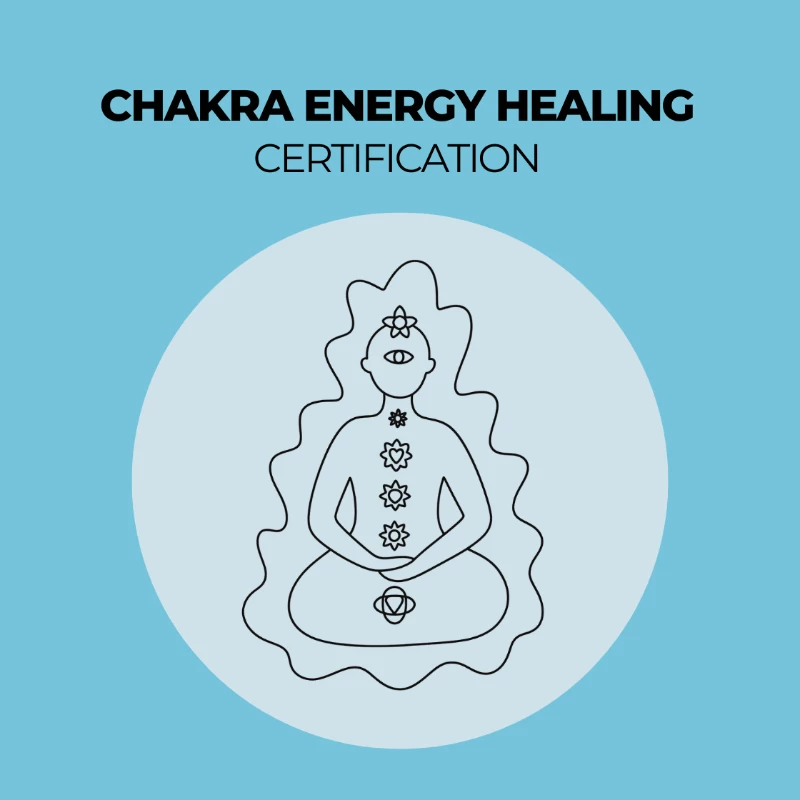
Train in Chakra Energy Healing
Deepen your trauma-sensitive approach with the Chakra Energy Healing Certification and a clear, consent-led chakra session structure.
Explore Chakra Certification →