Many practitioners know the stall: an underslept client reports sharper emotions, slip-ups at work, and “wired but tired” nights; you offer sleep hygiene tips, they nod, and little changes. Another insists five hours is fine, or that weekends will erase the deficit. It can slide into willpower and compliance, and trust thins because the client feels blamed for what their body is doing.
A better path is a different frame. Give clients clear, human explanations for what short sleep does to mood, focus, and resilience, then pair each explanation with one small practice they can repeat even in a hard week.
Key Takeaway: Client trust grows when practitioners explain sleep patterns in plain language and pair each explanation with a small, repeatable practice. Five frames tend to work especially well: reduced sleep shrinks emotional bandwidth; a tired brain runs on low executive power; stress and poor sleep can reinforce each other; one bad night is different from long-term sleep erosion; and calming rituals help the body settle when they are meaningful enough to repeat.
1. Emotional bandwidth: why short sleep makes feelings louder
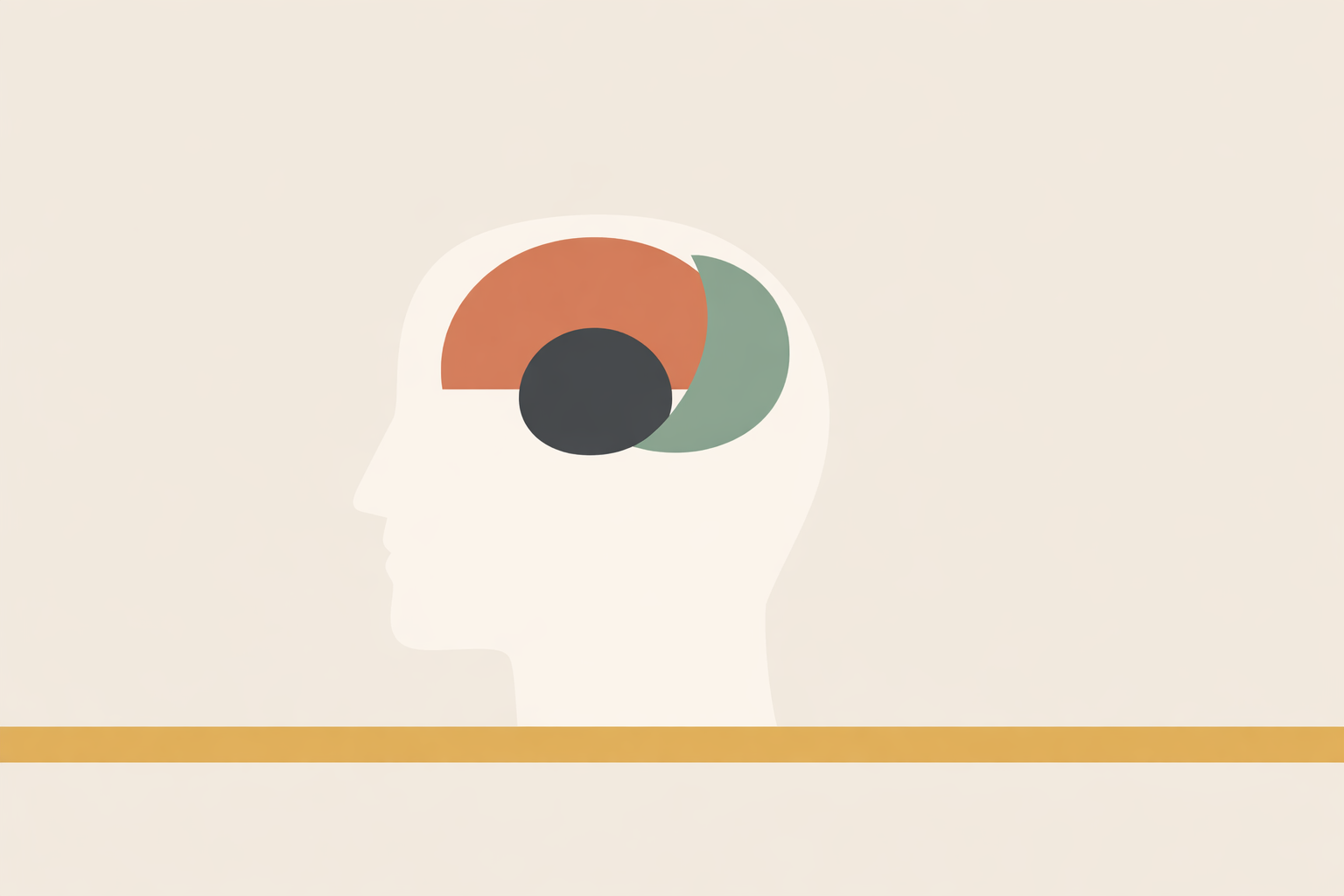
When sleep runs low, emotional bandwidth shrinks. That does not make someone fragile. It means the system is taxed, so reactions land harder and recovery takes longer.
A helpful way to say this is: “Nothing is wrong with you. Your emotional speakers are turned up, and the volume knob for calm is harder to reach.” It lowers shame and gives clients a workable reason for irritability, tears, guilt spirals, or feeling unusually raw.
This pattern lines up with findings on increased amygdala reactivity and weaker top-down regulation after sleep loss. In everyday life, that often looks like shorter patience, stronger frustration, and a sense that minor stress suddenly feels personal.
For new parents, the pattern becomes obvious when you map the week: broken nights lead to rougher mornings and snappier evenings. A brief daytime rest window, a softer evening pace, and more realistic expectations can change the tone of a household quickly. This is a steady practitioner observation, and it’s worth treating as real evidence from lived experience.
Normalizing language matters. You might say, “Under short sleep, most people have more irritability and less patience. Let’s plan for that reality instead of fighting it.”
- Simple script: “If your sleep is thin, big feelings will feel bigger. We’ll support rest and practice one reset you can still use when you’re tired.”
- 90-second reset: Hand on chest, long exhale, silently name the feeling, then notice one sight and one sound around you. Repeat twice.
- Coaching angle: Reduce self-blame first; behavior change comes easier after that.
Clients often feel relieved hearing that sleep loss can lower positive affect and make nights feel mentally busy enough to interfere with restorative sleep. The explanation matches their lived experience, which is why it builds trust quickly.
2. The tired brain: why sleep debt quietly affects choices and follow-through
Most missed goals under sleep debt are not about laziness. They are about a brain trying to manage life on low power.
When attention flickers and working memory thins, people default to what is easiest, nearest, or most familiar. That is why tired clients forget small tasks, abandon evening routines halfway through, or make choices they later describe as “not like me.” Sleep loss can reduce cognitive function and weaken vigilant attention, even before someone fully recognizes how tired they are.
This also explains the mismatch between how someone feels and how they function. Under chronic restriction, mistakes increase even when people report feeling mostly okay. That single idea can soften the conversation with the client who insists five or six hours is “plenty.”
Many longtime short sleepers are genuinely surprised by the mental clarity they regain once sleep becomes steadier. People adapt to functioning below their best, then forget what better feels like.
The most useful support here is rarely a long checklist. It is lowering friction so the client can follow through on their worst Wednesday.
- Offer two easy choices: warm shower or 10 slow breaths; one sentence in a journal or two minutes of stretching.
- Use low-power planning: build routines that still work when energy and focus are low.
- Link lapses to state, not character: it is easier to adjust patterns when setbacks are framed as low-rest effects.
It also helps clients take consistency seriously when they understand the accumulation effect. Research on cumulative dysfunction shows performance can worsen across days of short sleep. That frame supports steady change without moral pressure.
3. The stress-sleep loop: when the body stays on alert at night
Many clients know the feeling: tired all day, then strangely alert at night. Naming the loop helps them stop taking it personally and start working with the pattern.
Stress raises arousal. Arousal disrupts sleep. Poor sleep leaves the system more reactive the next day. Then bedtime arrives with anticipation already in the body. This is the “wired but tired” cycle in plain language.
Parts of the cycle also show up in research, with short sleep linked to higher cortisol and increased sympathetic activation. In practical terms, the body struggles to shift from alertness into rest.
Anticipation is often the hidden driver. Worry about tomorrow, or worry about not sleeping, can keep the body braced. Evidence suggests anticipation can disturb sleep quality, and some people have higher sleep reactivity, meaning stress reaches their nights more easily.
Once clients can see the loop, interrupt points become easier to choose and repeat: a quiet herbal infusion, low lighting, prayer, gentle breathwork, guided imagination, or a simple sequence that tells the body the day is ending.
- Daytime pressure rises
- The body stays on alert
- Bedtime brings anticipation
- Sleep becomes lighter or more broken
- The next day starts with less resilience
Two practical interrupts work well:
- Name and normalize: “Your body is trying to protect you by staying alert. We’ll give it two signals that night is safe.”
- Use a fixed 30-minute wind-down: 10 minutes of slow breathing, 10 minutes of guided imagination, 10 minutes of low-light reading.
Continuity matters more than perfection. Repetition is often what helps the body relearn the rhythm of settling.
4. Storm vs erosion: one bad night is not the same as long-term short sleep
A single bad night and a long pattern of short sleep should not be framed the same way. Clients do better when they can separate the two.
One rough night is a storm: noticeable, intense, and usually temporary. Months or years of short sleep are erosion: slower, quieter, and easier to normalize even as it wears down focus, patience, appetite regulation, and day-to-day vitality.
This distinction helps because clients often either catastrophize one bad night or minimize a chronic pattern. Both benefit from calibration. Findings on chronic sleep restriction show cumulative impairment, and weekend recovery does not fully reverse some cognitive effects.
Weekends still have value. Weekly averages just matter more than heroic catch-up efforts.
- For the storm: “One rough night does not ruin the week. Let’s steady tonight instead of panicking.”
- For the erosion: “You may be adapted to this pattern, but adaptation is not the same as thriving.”
Light tracking keeps the focus realistic and compassionate:
- Weekly average target: choose a supportive sleep range and move toward it steadily.
- Gentle recovery: after one short night, add a little more sleep over the next two nights.
- Simple log: track bedtime, rise time, and perceived focus from 0 to 5.
Chronic short sleep reaches beyond mood and concentration. It also shapes hunger, activity choices, and overall vitality, and restricted sleep can affect appetite regulation. Over longer stretches, many people describe a dulled, flat feeling that lifts only when rest becomes more consistent, a slow shift practitioners recognize again and again.
5. Why calming rituals help: when tradition meets lived experience
Clients keep practices that feel meaningful, not just efficient. That is why calming rituals matter.
Traditional evening practices often work because they bring repetition, familiarity, and a felt sense of safety. Whether the ritual is breath prayer, a warm foot soak, guided imagination, mantra, journaling, or quiet chanting, the body learns the sequence as a cue to settle.
Modern research can describe parts of this effect without diminishing the traditions behind it. Guided imagery may ease anxiety and support better sleep, and self-hypnosis research suggests better sleep efficiency in some contexts.
Many helpful rituals also stand on something older and equally important: generations of people noticing what reliably settles the nervous system and passing it along. A practice does not need a citation to be worthy of respectful use, especially when it is culturally appropriate and personally resonant.
A simple 10-minute ritual might look like this:
- 2 minutes: soft belly breathing with a longer exhale
- 4 minutes: guided imagination through a familiar landscape
- 2 minutes: quiet self-suggestion such as “Rest is allowed”
- 2 minutes: a personally meaningful closing practice, such as prayer, mantra, gratitude, or silence
The form can vary. What matters most is consistency, resonance, and respect for the client’s background. A ritual they genuinely relate to will outperform a “perfect” protocol they never repeat.
Clients also stick with calming practices more consistently when the “why” is clear. Education plus ritual gives them both understanding and a lived way to apply it, whether they are exploring longevity and biohacking more broadly or simply trying to rest more steadily.
Conclusion: clear explanations create trust
These five explanations form one coherent story. Short sleep narrows emotional bandwidth. A tired brain runs on reduced executive power. Stress and poor sleep can reinforce each other. One bad night is a storm, while chronic short sleep is erosion. And calming rituals help because repeated signals of safety make rest easier to welcome.
For practitioners, the value is educational and relational. Clients trust you more when their experience is explained clearly and without blame, and they are more willing to try changes that still feel doable in a difficult week.
An evidence-informed, tradition-honoring approach serves this work well. Use research where it is strong, rely on practitioner wisdom and cultural continuity where formal evidence is still developing, and stay focused on practical support rather than overconfident promises.
A few cautions belong at the end. If a client’s sleep suddenly changes without an obvious reason, if they have loud snoring or breathing pauses, or if anxiety feels unmanageable at night, encourage them to seek appropriate professional support. For everyone else, the message stays kind and steady: the body can lose its rhythm, and it can relearn it through clear language, respectful rituals, and realistic planning, including structured sleep coaching.
Train as a Sleep Coach
Deepen these client-ready frames with the Sleep Coach Certification for confident, compassionate sleep support.
Explore Sleep Coach Certification →