Sound baths are often marketed as instant calm, and that can create pressure to deliver dramatic sensations. With anxious clients, that approach often backfires. A sudden gong swell, a piercing overtone, or promises that sound will “fix” anxiety can increase arousal, aggravate sound sensitivity, and weaken trust.
Sound work is most supportive when offered as short-term regulation inside a wider wellbeing process. Predictable pacing, gentle volume, clear consent, and thoughtful adaptation matter more than intensity. When sessions are designed this way, energy healing modalities like sound can help clients settle enough to reconnect with breath, body, and attention.
Key Takeaway: Anxiety-sensitive sound work is most supportive when framed as short-term regulation, delivered predictably at gentle volume, and shaped through consent, observation, and adaptation. The strongest evidence supports short-term easing of stress and anxiety rather than lasting change from sound alone.
Why anxious clients turn to sound
When worry sits close to the surface, sound can feel like a soft place to land. Bowls, voice, drone, and nature sounds can offer a steady external rhythm when someone’s inner rhythm feels hard to access.
This is familiar across traditional practices: chant, lullaby, flute, drumming, and repetitive melody have long been used to steady attention, mark transitions, and restore a sense of rhythm. That inherited wisdom matters, and it aligns well with modern findings that structured listening can support short-term settling.
Reviews point to reduced anxiety in some settings, and broader evidence links guided listening with lower stress. In practice, that might look like beginning a coaching session with a few minutes of slow, warm, low-intensity sound so the client can arrive more fully.
People often seek sound for that immediate settling. The practitioner’s job is to keep the experience reliable and choice-led, so the nervous system has room to soften without being pushed.
Set clear scope from the start
Sound can support relaxation, emotional settling, and a greater sense of space. It should not be framed as a complete answer to anxiety. Clear scope protects the client’s trust and keeps the work honest.
A grounded frame is straightforward: the session supports regulation in the moment, while the client builds broader habits, insight, and resilience in daily life. This matches what many practitioners observe and what evidence most consistently shows: benefits are often immediate or near-term, rather than guaranteed lasting change from sound alone.
You might say:
- “Today’s session is designed to help your body settle through gentle listening.”
- “People often notice they feel calmer, quieter, or more spacious afterward.”
- “You can ask for changes or pause at any time.”
This communicates realistic expectations, personal agency, and respect for the client’s own experience.
How sound can calm or agitate the system
Most practitioners have seen a room soften when a steady tone or slow pulse begins. Predictable rhythm can invite entrainment, where breath and attention start to organize around an external pattern.
Many listeners settle with slow tempos, warm timbres, and repetition. Others become activated by bright overtones, heavy vibration, sudden contrast, or too much layering. Skill matters more than the instrument.
Evidence suggests music-based support can ease anxiety in some contexts, and traditional lineages describe the same truth: sound can regulate, and it can also disturb when timing, intensity, or setting are off.
In practical terms:
- Steady, spacious sound tends to feel safer than dramatic contrast.
- Lower volume is usually more settling than louder volume.
- Silence is often part of what makes the sound effective.
- One well-chosen tone can do more than five competing layers.
Titrate gently. Start with one sound source, observe breath, jaw, shoulders, and hands, and only add complexity if the body still looks settled.
Design sound sessions for anxious clients
Restraint is often the most skillful choice. Anxious systems typically respond best to warmth, predictability, and space.
Sounds that often work well include:
- small or medium singing bowls played softly
- light chimes used sparingly
- soft flute
- shruti box or gentle drone
- quiet voice toning
- recorded rain, stream, or wind textures
Natural soundscapes are popular because they feel familiar and non-intrusive. Singing bowls can also be deeply settling when played with care. Keep the guiding principle simple: use less than you think you need.
As a baseline, keep volume around conversational level and build slowly. Many clients do well with 30 to 60 minutes, a limited number of sound sources, and regular pauses.
A simple 45-minute structure might look like this:
- Arrival: brief check-in and intention
- Orientation: notice the room, the floor, and the breath
- Opening sound: one soft drone or bowl with plenty of space
- Layering: add a second sound only if the client remains settled
- Pause: silence and longer exhales
- Closing: lighter tones and a familiar, gentle ending
- Integration: invite the client to name what they notice now
For anxiety-sensitive sessions, strong gongs, close-range striking, sharp overtones, and dense crescendos are usually best avoided unless there is already clear familiarity, comfort, and consent.
Use screening and consent to support safe practice
Safety begins before the first tone. A short intake can reveal what to adjust without making the process heavy or clinical.
Ask about:
- sound sensitivity
- hearing differences
- tinnitus
- hyperacusis
- migraine tendency
- dizziness or vestibular sensitivity
- previous experiences with sound baths or loud events
- pregnancy, implants, or other practical considerations relevant to positioning and comfort
Then explain the session in plain language: what you plan to use, what they might notice, and what choices they have throughout. Ongoing consent matters more than a one-time yes at the beginning.
Useful consent language includes:
- “I’ll keep the volume gentle and can change direction at any point.”
- “You can sit up, ask for silence, or stop the session anytime.”
- “I’ll check in if I notice any signs of tension.”
When a client has a trauma history, choice and predictability become central. Narrate transitions, keep instruments visible where possible, and offer more than one position rather than assuming full recline will feel supportive.
Adapt for sensitive profiles
No two anxious clients respond in exactly the same way. Some are soothed by tone and vibration, while others need more distance, less layering, or stronger visual orientation during the session.
With tinnitus, gentle broadband textures (like rain or stream sounds) often land more comfortably than strong, sustained tones close to the ears. With hyperacusis, keep volume very low, increase distance, and reduce overlapping sounds.
For clients prone to panic, make the session easy to predict: name what’s coming next, keep pacing simple, and agree on a clear pause signal before you begin. For clients with a strong trauma history, shorter segments with more spoken orientation often work better than long immersive stretches.
Low-frequency vibration also needs care. Some people find it deeply grounding; others find it nauseating or unsettling. With migraine, dizziness, or vestibular sensitivity, start without strong bass or body-coupled vibration and keep early sessions conservative.
Know when to pause
Ethical practice includes recognizing when the session is no longer supportive in its current form.
Pause or simplify if you notice:
- breath holding
- visible bracing in the jaw, shoulders, or hands
- restlessness that increases rather than settles
- dizziness
- rising distress
- numbness or tingling that does not ease with grounding
Reduce layers, lower volume, return to spoken orientation, or stop altogether. Water, seated grounding, and a slower return to the room are often more helpful than trying to “play through” activation.
If a client repeatedly becomes overwhelmed, narrow the approach. Shorter listening practices, more dialogue, and gentler pacing can be a better fit than immersive sound bathing.
Help the benefits carry beyond the session
What happens after the final tone matters. Without integration, a session can feel pleasant in the moment but leave little behind.
Close gradually. Give time to re-orient to the room, feel the support under the body, and speak if they want to. A few reflections are often enough:
- What felt most settling?
- When did you notice your breath change?
- Would you like more sound next time, or more silence?
Offer one simple home anchor, such as six to ten minutes of low-volume nature sound or soft drone while seated upright with slow breathing. The goal is recognition: a manageable pathway back to steadiness in daily life.
Research on music-based support suggests safe support that can be effective for anxiety and low mood in some contexts, especially when the practice is structured and expectations are realistic. In lived practice, consistency usually matters more than complexity.
Conclusion: offering sound for anxiety with care
Sound can be offered responsibly for anxiety when it’s grounded in clear scope, gentle pacing, consent, and adaptation. Its strength is the way it can create enough calm and regulation for deeper wellbeing work to become possible.
Start gentler than you think you need to, and let silence do some of the work. Keep promises modest, observe closely, and adapt early. Respect traditional roots without turning them into spectacle.
In the end, sound does not need to be dramatic to be effective. The most supportive sessions often leave a client breathing more freely, feeling safer in their body, and carrying a simple experience of steadiness they can return to.
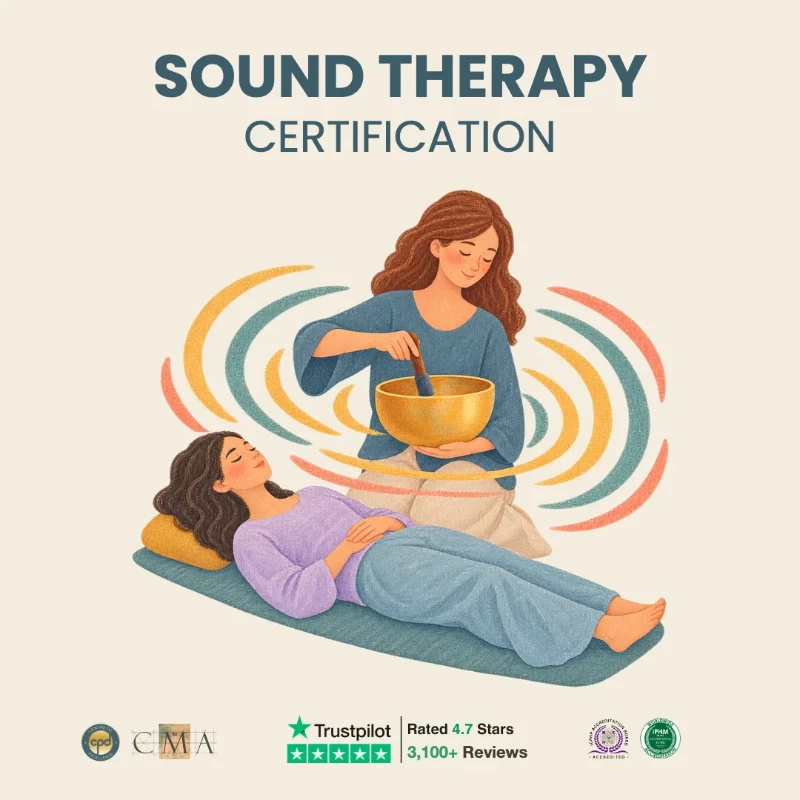
Train in Sound Therapy Certification
Build safer, consent-led sessions with the Sound Therapy Certification for anxiety-sensitive clients and sound-sensitive profiles.
Explore Sound Therapy Certification →