Many new canine massage practitioners lead with technique: more strokes, more pressure, more doing. Then a dog looks away, freezes, or quietly steps out of reach, and the whole plan unravels. Confidence comes from something more dependable: a session structure the dog can understand and choose.
Sessions tend to flow best when they’re calm, consent-led, and predictable. Prepare yourself before contact, read body language closely, offer real choice, default to low-risk touch, respect clear physical boundaries, and follow a simple session arc. If you draw from energy traditions, let them act as gentle guides for your attention while the dog’s responses stay in charge.
Key Takeaway: Canine massage confidence grows from a repeatable, consent-led session flow. Start by grounding yourself and shaping a quiet space. Read the dog’s body language before and during contact. Build consent through touch, pause, and re-approach. Default to resting hands, slow strokes, and light compressions. Know your landmarks and no-go areas. Keep sessions short, clear, and predictable. If you include energy-based traditions, use them with humility and let the dog’s responses lead.
Skill 2: Let Body Language Be Your First Technique
Observation comes before hands-on work. Notice posture, breathing, eyes, movement, and how the dog uses distance.
A relaxed dog often shows:
- soft eyes and facial muscles
- easy breathing
- normal blinking
- a loose body
- willing approach on their own terms
A worried dog often shows:
- turning the head away
- lip licking
- yawning out of context
- whale eye
- panting when heat or exertion do not explain it
- tucking
- freezing
- leaving the area
Freezing is easy to misunderstand. Stillness can be a coping strategy rather than comfort.
Many practitioners find a simple green/yellow/red view helpful:
- Green: loose body, softer eyes, easy breathing, leaning in, re-approaching after a pause
- Yellow: head turns, paw lifts, shifting, brief tension, uncertainty
- Red: stiffening, withdrawal, growling, snapping, frantic escape, shutdown
Body language isn’t extra information; it guides the whole session, including when to pause or stop.
It also helps to be honest about fit. Dogs with clear stress or reactivity may not be good candidates for hands-on work, especially early on. Sometimes the best choice is to stop, adjust the environment, or choose a different kind of support in that moment.
Skill 3: Build Consent Into Every Stage of the Session
Consent isn’t a one-time check. It’s an ongoing conversation you keep returning to.
Begin before contact. Let the dog notice you. If they choose to come closer, start with neutral touch in a less intrusive area such as the shoulder or chest. Skip rushing toward the head or reaching over the body.
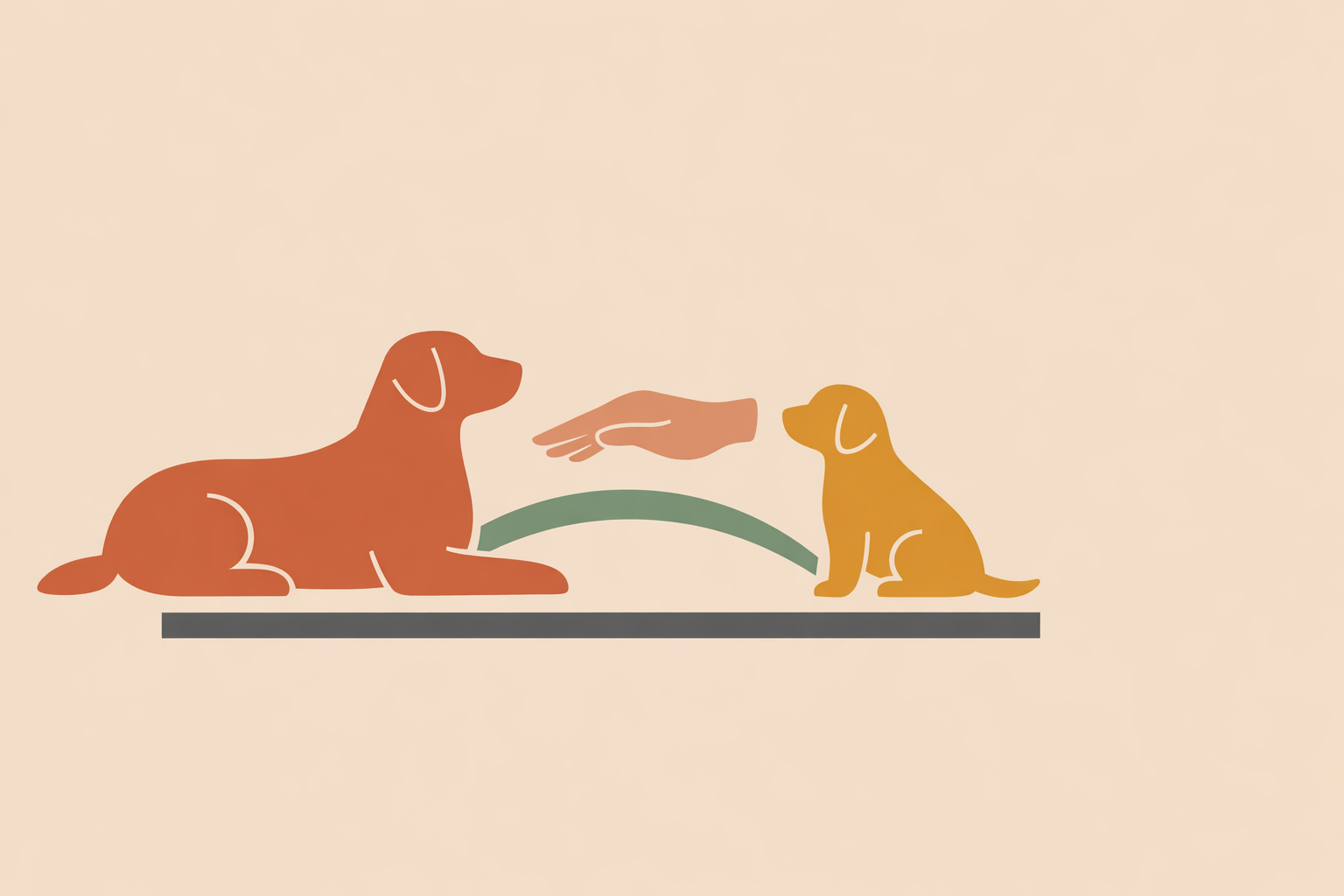
A reliable rhythm is: touch, pause, observe.
- Touch for a breath or two.
- Soften or lift your hand.
- Watch what happens next.
If the dog leans in, stays loose, or returns after the pause, that’s often a clearer yes than silent stillness. Voluntary approach and re-approach are strong consent signals.
If the dog braces, turns away, steps back, or leaves, accept the answer. Lighten up, change location, or end the interaction. Listening is the job.
Guardian support matters. Ask the person present not to restrain, coax, or repeatedly call the dog back. Consent is easier to read when the dog can disengage freely.
A simple script helps set the tone: “You can come close if you want. I’ll move slowly, and you can leave whenever you need.”
With that attitude, the dog becomes an active participant rather than something being managed through a routine.
Skill 4: Default to Low-Risk, Calming Touch
When you’re unsure, go broader, slower, and lighter. Simple touch done well beats complex technique done early.
Your safest core tools are:
- resting hands
- slow broad strokes
- light compressions on large, comfortable muscle areas
This style is easy for dogs to understand and gives you time to notice changes in breath, tissue tone, facial softness, and movement.
A steady starting sequence might be:
- One resting hand on the chest or shoulder for several breaths
- Slow whole-hand glides along the shoulder and ribcage
- Very light compressions on the thigh if the dog remains loose and receptive
Veterinary guidance supports gentler treatment with less pressure and compression, especially for more fragile animals.
A useful pressure check from hands-on practice: if tissue glides easily and the dog stays soft, you’re likely in range. If you feel bracing, see flinching, notice breath-holding, or the dog starts to leave, back off.
Early on, avoid vigorous kneading, joint manipulation, forced stretching, or attempts to “break up” tissue. Those require excellent timing and a deep read of what the dog is offering.
Massage is also linked with relaxation-based benefits. A review of animal studies found behavioral signs of relaxation alongside changes such as lower heart rate in some contexts.
There’s also encouraging observational data. In one report involving 527 dogs, massage was associated with improved quality-of-life ratings over successive sessions. It isn’t a fix-all, but it matches what many guardians and practitioners notice: softer posture, easier settling, and more comfortable daily movement within a broader well-being plan.
Doing this with your own dog can deepen connection, too. Slow, respectful touch often changes the relationship as much as the body tone.
Skill 5: Know the Body Well Enough to Stay Out of Trouble
Confidence grows when you know where your hands belong and where they don’t.
You don’t need a highly technical map, but you do need practical landmarks:
- spine
- ribs
- shoulder blades
- pelvis
- large muscle groups of shoulder and thigh
- major joints
- paws
- abdomen
Favor broad contact over tiny targets. Large muscle areas usually welcome soft, spacious touch more than bony points, narrow joints, or sensitive structures.
There are also clear no-go areas. Veterinary guidance advises against contact over infection, acute inflammation, tumors, recent incisions, suspected clots, fractures, burns, and compromised skin.
For beginners, treat the abdomen with extra care. Deep belly pressure isn’t worth the risk. Keep contact extremely light or leave it alone unless you’re confident the dog welcomes it and you have a clear reason to be there.
Many practitioners also think in “zones of generosity”:
- shoulders and thighs often accept soft, broad touch
- ribs usually prefer gliding alongside rather than direct pressure
- the spine is better treated as a landmark than a target
- paws and joints often do better with still contact than squeezing
Traditional maps can enrich awareness here. Meridians, Shu points, and related lineages have guided hands-on care for generations. Used skillfully, they encourage slower pacing and better listening. Let softness and observation set the rules.
Skill 6: Give the Session a Predictable Shape
Dogs often relax more when the structure is familiar. A clear arc also keeps you from drifting into “too much, too soon.”
A simple session can follow four stages:
- Arrive: settle yourself, check the space, observe the dog
- Explore: invite contact, begin with stillness, notice preferences
- Settle: use broad slow touch where it is welcomed
- Close: lighten further, pause, and let the dog disengage
Early sessions are often best kept short. Ten to twenty minutes works well for many dogs, adjusting for age, sensitivity, and general resilience. For more fragile animals, briefer, gentler treatment is especially sensible.
A few notes after each session build pattern recognition:
- preferred side or position
- areas the dog welcomed
- areas avoided
- changes in breathing or posture
- what helped the dog settle
With time, regular sessions are often linked with easier movement and better day-to-day comfort within a wider animal wellness rhythm. The same report also described reduced pain indicators noted by guardians and practitioners in relation to gait and posture concerns.
A first session doesn’t need to be impressive. It needs to be calm, readable, and easy for the dog to trust.
Skill 7: Use Energy-Based Traditions With Respect and Restraint
Energy-based approaches can sit naturally alongside canine massage when used with clarity. Many practitioners draw on meridians, Qi, chakras, Shu points, or Ayurvedic energetic frameworks. These traditions have deep cultural roots and long histories of guiding attention and presence.
Use them as maps for pacing, intention, and sensitivity, with the dog’s feedback leading every decision.
That can look like:
- beginning with a quiet intention
- using slower strokes along familiar energetic lines
- pausing with a resting hand when the dog remains soft
- ending the moment the dog disengages
The ethical center stays the same: the dog chooses the level of contact.
It’s also fair to be straightforward about the research picture. Many practitioners and guardians report relaxation in Reiki contexts, while current reviews describe the research base as limited. A review of animal Reiki literature notes limited evidence for clear benefits.
Traditional practice still has value. Held with humility, these frameworks often make a practitioner quieter, steadier, and more respectful of signals, and that alone can improve the interaction.
A simple energy-informed sequence can stay very plain: breathe, soften, rest a hand lightly where the dog is comfortable, make one or two whisper-light passes along the back, then pause and see whether the dog wants more.
Conclusion: Calm Structure Creates Better Canine Massage Sessions
Confident canine massage comes from clarity and consistency.
When you ground yourself, read the dog closely, build consent into each step, choose low-risk touch, respect physical boundaries, and keep the session predictable, the dog can genuinely participate rather than endure.
Success looks like softer posture, easier breathing, voluntary re-approach, and calm disengagement. Those signals tell you the session stayed honest and supportive.
Keep boundaries clear, too. If there is new or worsening discomfort, swelling, heat, unusual weakness, skin change, sudden lameness, collapse, or anything else that feels outside your scope, pause and encourage the guardian to seek appropriate veterinary support. Some locations also place legal limits on paid animal massage work, and jurisdiction-specific oversight may apply, so it is worth checking local standards carefully.
With practice, these habits become second nature. Your hands get quieter, your observation gets sharper, and sessions start to feel like a calm conversation the dog is happy to join, whether you are refining everyday handling or building toward animal massage certification.
Explore Animal Massage Certification
Build safer, consent-led sessions with deeper anatomy and technique in the Animal Massage Certification.
Explore Animal Massage Certification →