Travel is where even strong carnivore routines can wobble. Flight delays push meals late, hotel breakfasts lean on pastries, and group dinners bury the protein under sauces and sides. After a few rushed choices, the week can drift into lower energy, extra snacking, and a tougher reset once you’re home.
A steadier approach is usually simpler than it sounds: Pack, Order, Repeat. Pack a portable base of animal foods you already do well with. Order plain, meat-first meals using short scripts. Repeat a small set of patterns so eating feels predictable, even when the schedule isn’t.
Key Takeaway: Travel can disrupt meat-based eating by adding friction, irregular timing, and too many food decisions. A Pack–Order–Repeat approach restores steadiness: build a portable base, use simple ordering scripts, repeat familiar meal patterns, and make small adjustments based on hunger, energy, digestion, sleep, and hydration.
Pack: Build a portable meat-based base
The part of the trip you can truly control starts before you leave. A solid food base covers the first stretch of travel and takes the pressure off every restaurant stop for the rest of the week.
Choose simple foods that travel well
Keep the list practical and familiar. Shelf-stable options often do the heavy lifting:
- Plain jerky or meat sticks
- Pork rinds
- Canned sardines, salmon, tuna, or mackerel
- Hard-boiled eggs for road trips or cooler travel
If you’ll have refrigeration, cooked ground beef, burger patties, and roasted meats usually hold up well and make the first few days smoother.
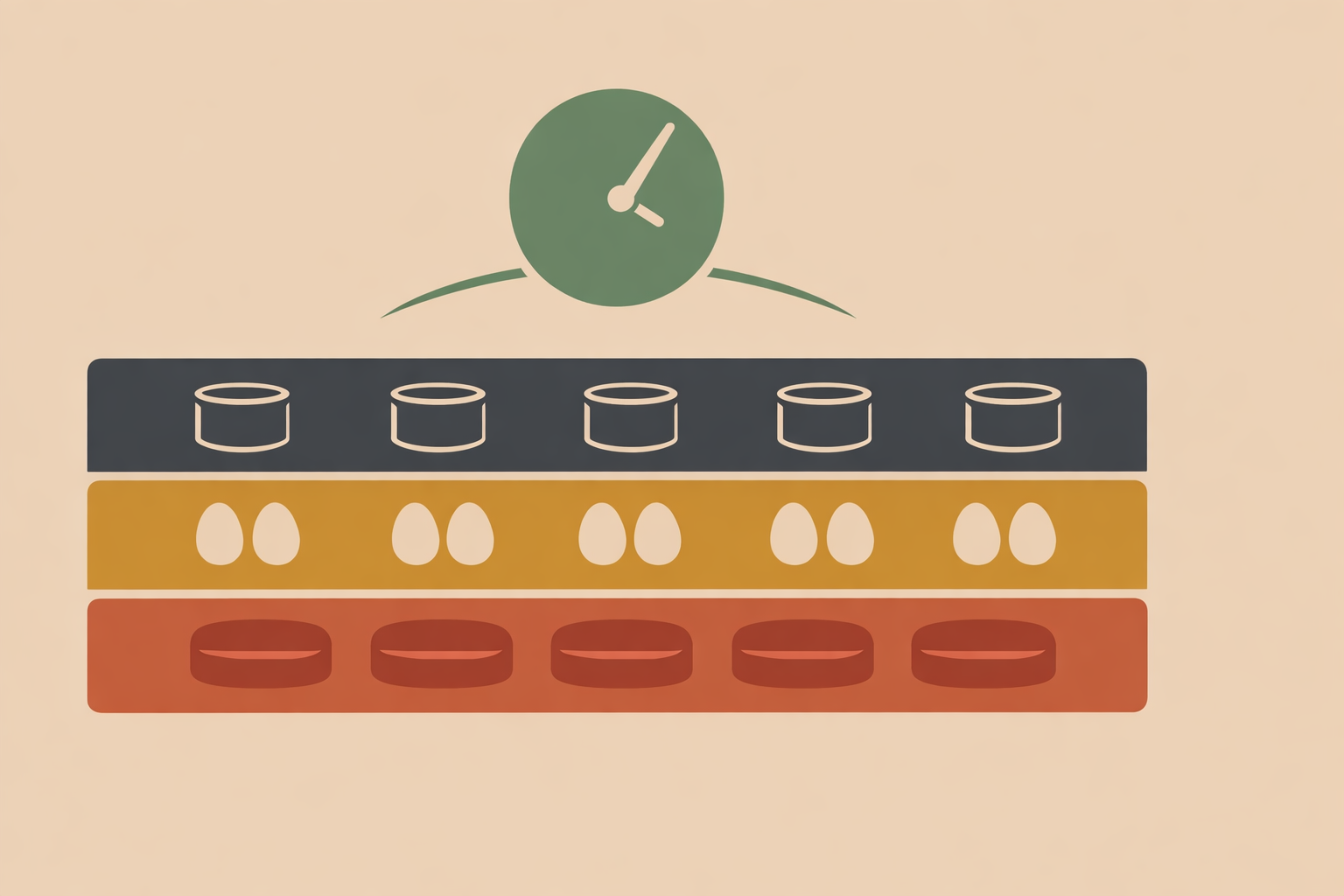
A simple seven-day kit might include:
- 6 cans of fish
- 10–14 burger patties
- 10–12 hard-boiled eggs
- Several packs of plain jerky
- Salt
- A small portion of butter or tallow if practical
Pack with digestion in mind
Bio-individuality matters even more on the road. Stress, disrupted sleep, and unfamiliar routines can amplify sensitivities, so plainer choices often keep things calm.
Many practitioners find that plain canned fish without additives works well for people who don’t thrive on richer or more seasoned travel foods. If dairy or histamine-rich foods don’t suit someone, it’s often easier to skip cheese and aged sausages while traveling and lean on fresh-cooked beef, eggs, or simpler canned proteins.
A strong coaching move is to identify two or three “always gentle” proteins before departure. Those become reliable fallback meals on unpredictable days.
Another steady tactic is a small meat snack before events with uncertain menus. Arriving slightly fed makes it easier to order well and avoid urgency at the table.
Order: Make restaurants work for you
When packed food runs low, the next skill is ordering clearly. Most restaurants can accommodate far more than the menu suggests when the request is short, respectful, and specific.
Use low-friction ordering scripts
Start with places where protein is already the center of the plate: burger spots, breakfast diners, steakhouses, or barbecue counters. Then simplify.
- “Two burger patties, no bun, no sauce.”
- “Eggs and bacon only.”
- “Steak, plain, no sides.”
- “Brisket, no sauce.”
Short scripts reduce back-and-forth and help you stay steady in busy settings like airports, conferences, and group dinners.
Avoid hidden carbs and overly complicated plates
The most common “surprises” are sauces, glazes, rubs, and marinades. Ordering meat plain avoids most of that. “Crispy” items also often signal breading or starch.
People who prefer to be selective about cooking fats often request butter if it’s available, or order plain and add their own fat later. That’s usually easier than negotiating every detail at the counter.
If sides arrive automatically, boxing them right away keeps the plate visually simple and reduces mindless picking.
Repeat: Use sameness as a travel advantage
Travel culture celebrates variety, but consistency is what keeps many people grounded. Repeating a small set of meals lowers mental load and makes hunger, energy, and digestion easier to read.
Create a repeatable daily rhythm
A simple travel rhythm might look like:
- Breakfast: eggs and bacon or steak and eggs
- Midday: burger patties, canned fish, or packed beef
- Dinner: steak, salmon, burgers, or plain roasted meat
This structure makes timing and portions more obvious. Early in the trip, lean harder on what you packed. Later, shift toward your most dependable restaurant orders.
If you can choose lodging, small details help: kitchenettes, a mini-fridge, or even a breakfast setup where protein is easy to spot. Less friction at the hotel often means better follow-through all week.
Adjust fat, protein, and portions by biofeedback
Travel is a time for broad structure and responsive adjustments. Use hunger, mental clarity, mood, and digestion as your guideposts from one meal to the next.
Use protein and fat as a flexible frame
For many adults, a practical protein target lands around 0.8 to 1.2 grams per pound of goal body weight. On carnivore-style plans, many people also prefer a higher-fat approach, and ketogenic frameworks commonly place 70–80% of daily energy from fat.
In real meals, that often looks like fattier cuts, 80/20 ground beef, eggs, and added butter or tallow when needed. The most useful “ratio” is the one that leaves a person steady and satisfied.
Read the signs of too lean or too rich
When meals run too lean, people often notice lingering hunger, low mood, energy dips, or an unusual fixation on food. Choosing a fattier cut or adding butter often smooths that out.
When meals get too rich, some people experience loose stools, queasiness, or a heavy, sleepy feeling after eating. High-fat eating can cause gastrointestinal symptoms for some people, so pulling back for one meal and choosing a slightly leaner cut can bring things back to center.
The core skill is noticing how you respond and adjusting the next meal accordingly.
Guardrails for energy, sleep, and digestion
Even great meal choices can wobble if hydration, minerals, and sleep get neglected. Travel tends to magnify all three, so a few simple guardrails make a big difference.
Salt and mineral support
Very low-carb eating often increases fluid loss, so many carnivore travelers do better when they’re deliberate about salt and overall mineral intake. Common travel habits include salting meals generously, using broth, or carrying a small salt tin for long transit days.
On flights or high-activity days, salted broth or bouillon is a familiar tool for steadier energy and fewer headaches. In the evening, magnesium is also commonly used as part of a wind-down routine, especially when travel stress tightens sleep or regularity.
Protect circadian rhythm when you can
Travel can disrupt sleep-wake rhythm quickly, and circadian misalignment can change hunger and energy signals. The same research found 22% higher insulin under circadian misalignment, and late caffeine can push melatonin later.
Practical guardrails help:
- Keep the room cool and dark
- Limit caffeine later in the day
- Use the same basic pre-bed routine each night
- Get outside in the morning when possible
For digestion, stressful days often call for simpler meals. Repeating familiar meat-based plates also makes it easier to tell whether a change came from the food, the schedule, or the overall stress load.
Coach the social side of travel eating
Meals on the road aren’t only about food. They’re also about meetings, hospitality, family expectations, and the subtle pressure to blend in. A little rehearsal ahead of time protects your rhythm without creating tension.
Use simple language and pre-commitment
Scanning the menu in advance removes a lot of strain. When the order is chosen before you arrive, the meal becomes routine.
Simple language usually works best:
- “I’m keeping it simple and focusing on protein.”
- “I do best with plain meat while traveling.”
- “I’m good with steak and eggs.”
The aim is clear communication, then moving on.
Stay respectful without losing your rhythm
Food carries meaning, especially in shared settings. When someone offers a special dish, acknowledging the generosity behind it preserves connection.
If a person chooses to stay strict, a brief, kind explanation is usually enough. If they choose to flex, it works best as an intentional choice, so one meal doesn’t quietly turn into a week-long drift.
Turn one good trip into a repeatable skill
A steady week on the road often builds more confidence than a perfect week at home. Once someone packs wisely, orders clearly, repeats a calm rhythm, and adjusts by biofeedback, travel stops feeling like an automatic disruption.
Pack–Order–Repeat does more than organize meals. It teaches steadiness you can carry into other demanding seasons of life.
As a closing note, keep the approach practical and supportive. If someone has a history of disordered eating, significant digestive concerns, or is navigating complex health needs, travel is a good time to prioritize stability, sleep, hydration, and a gentler pace over strict rules within nutrition and diet work.
Master Carnivore Travel Coaching
Deepen these travel strategies with the Carnivore Diet Health Coach Certification.
Explore Carnivore Diet Health Coach Certification →