A 72-year-old client asks about CBD so she can sleep through the night. She takes a statin, uses a sleep aid twice a week, and enjoys wine on weekends. The bottle on her counter says 1500 mg in 30 mL; she calls it “one dropper at bedtime.” She feels better and wants to increase the dose. You can hear the upside—and you can also hear the decision points ahead: how much she is really taking, how it fits with her current prescriptions and supplements, whether alcohol changes the picture, and what signs would warrant a pause.
A steady approach helps. CBD may be plant-based, but it is still a concentrated extract that asks something of the body. With older adults especially, the most useful stance is structure: clear dosing, good questions, respectful pacing, and timely collaboration when the picture gets more complex.
Key Takeaway: Supporting older adults with CBD calls for a liver-aware, structured approach. In practice, that means not mistaking “feeling fine” for full safety, paying close attention to dose and product strength, screening for medication load and alcohol use, and teaching the early signals that mean it is time to pause and get further support.
Why CBD deserves extra care in older adults
Older adults often do well with CBD when it’s introduced thoughtfully. Still, gentle pacing matters because age often comes with a fuller context: more prescriptions, longer histories, and a metabolism that may prefer simpler inputs and more time.
This is where hidden physiological load becomes a practical concept, not an abstract one. Someone can feel stable on their usual routine, add CBD, and suddenly the overall burden is higher than expected. In day-to-day work, that matters more than the number on a birthday card.
Traditional practice has long reflected this sensibility. Elders are often supported with stronger plant extracts slowly, with close observation rather than rapid escalation. That wisdom holds up well here: begin simply, watch carefully, and let real response guide the next step.
Red Flag 1: Assuming feeling fine means everything is fine
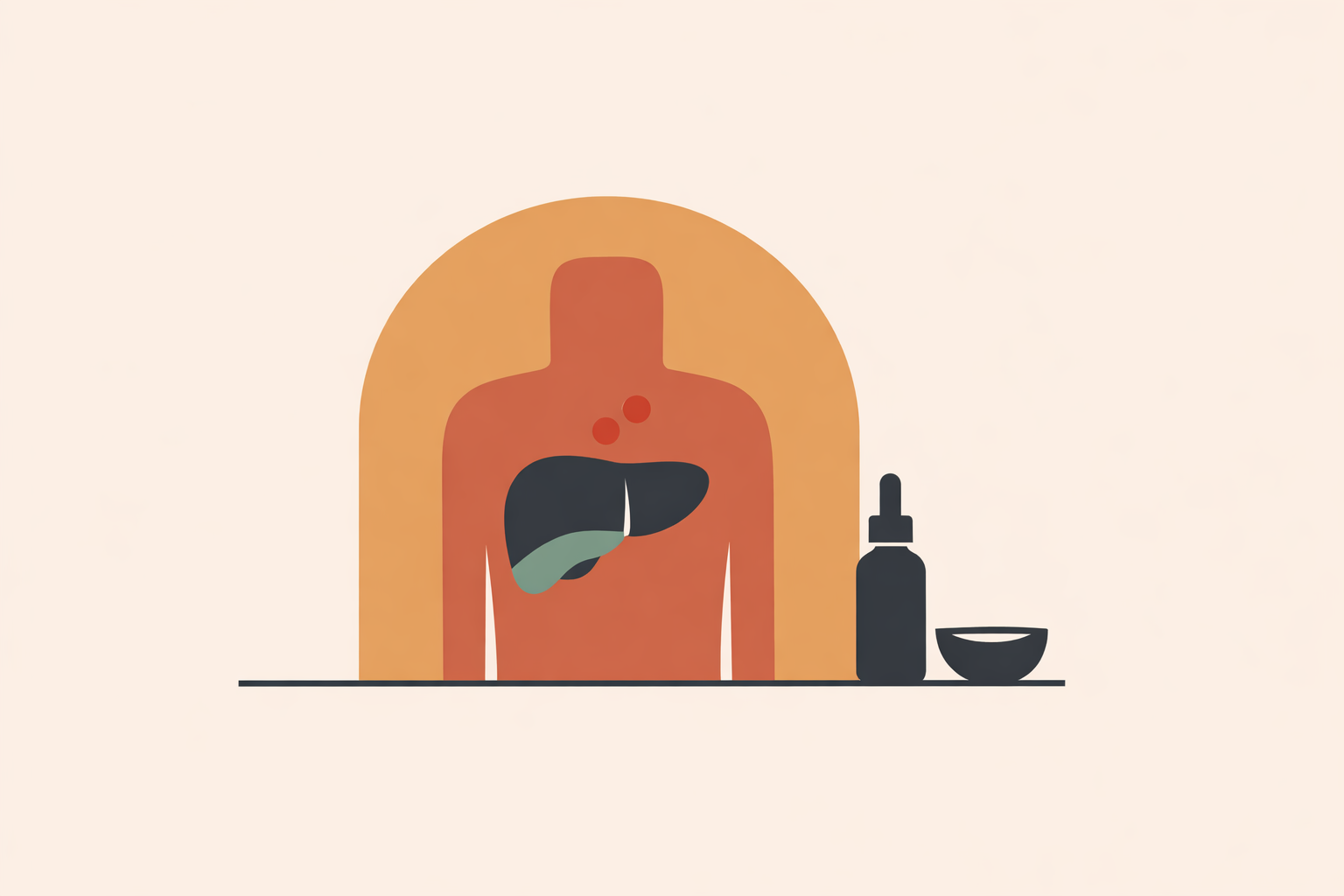
Many older adults equate feeling well with being fully safe. With CBD, that can mislead. Asymptomatic liver enzyme elevations have been documented, meaning someone can notice benefits while a quieter strain builds in the background.
Support is strongest when it respects the person’s experience while keeping the pace measured. A client can genuinely feel better and still benefit from holding steady long enough to confirm the plan is sitting well.
You might say: “I’m glad it feels supportive. Let’s keep the dose steady for now and make sure we are not increasing faster than your system can comfortably handle.”
- Honor the felt benefit without assuming it answers every safety question.
- Avoid dose increases just because the first response was positive.
- When the context is more complex, encourage timely discussion with the person’s usual health support team.
Red Flag 2: Ignoring dose, duration, and product strength
One of the most common missteps is talking about droppers instead of milligrams. Labels can look straightforward, but concentration changes everything. A “full dropper” might already be a substantial amount depending on product strength and CBD format.
Take a bottle labeled 1500 mg in 30 mL. That works out to 50 mg per mL. If the dropper holds 1 mL, then one full dropper is 50 mg, which is often too much for an older adult who is just getting started. If that same dropper is used several times per day, daily intake can climb quickly without the person realizing it.
In practice, many older adults do best with a slower, reviewed start rather than endless daily escalation. Many practitioners also find that planned pauses and deliberate check-ins help reveal what’s truly changing in sleep, digestion, mood, and energy. A simple rhythm such as 5 days on and 2 days off during the first month can make tracking easier.
A useful coaching move is to convert the label together:
- Check the total milligrams in the bottle.
- Check the total milliliters.
- Divide to find milligrams per mL.
- Estimate the actual amount used in each serving.
- Write the plan in milligrams, not “half a dropper” or “one squeeze.”
You might say: “Your bottle gives 50 mg per mL. If you use a quarter dropper, that is about 12.5 mg. Let’s begin there and stay with it long enough to learn something useful.”
Red Flag 3: Overlooking medication load, liver history, and alcohol use
CBD rarely arrives alone in the lives of older adults. Multiple prescriptions and supplements are common, and the more crowded the routine, the more valuable it is to slow down and screen carefully.
For liver-related risk, polypharmacy and comorbidities often matter more than age itself. A history of liver strain, a long supplement list, or other substances that draw on similar pathways can all change how conservative the plan should be.
Alcohol can add liver stress in ways that affect CBD decisions. Even if weekend drinking feels moderate, it’s worth asking clearly and without judgment so the plan matches real life.
A respectful screen can be simple, especially when discussing CBD and drug interactions in a fuller routine:
- What prescriptions do you take most consistently?
- What supplements or herbs are part of your routine right now?
- Any personal history of liver strain, fatty liver, hepatitis, or unusual reactions to new substances?
- How often do you drink alcohol in a typical week?
- Have any recent bloodwork markers been out of range?
When several variables are in play, simplify first. Keep other inputs stable, avoid stacking multiple new products at once, and change one thing at a time.
Red Flag 4: Missing the early signs that it is time to pause
Not every concern announces itself dramatically. What matters in everyday support work is teaching people to notice early shifts and respond calmly. Keep attention on four commonly missed issues: assuming felt benefit equals full safety, losing track of milligram intake, overlooking medication and alcohol load, and waiting too long once new body signals appear.
Some changes deserve prompt attention: new nausea, unusual fatigue, darker urine, reduced appetite, or yellowing around the eyes or skin. These signals don’t prove what’s happening, but they do justify a pause and further review.
Prepare this conversation before there’s a problem. If someone starts CBD for sleep, comfort, or nervous system support, they should already know what would mean “stop for now and check in.” That way, pausing feels like part of the plan.
- “If you notice new nausea, dark urine, yellowing, or a heavy unexplained fatigue, stop using the CBD for now.”
- “Let your usual health support team know what changed and when.”
- “Do not increase the dose while something feels off.”
- “Keep the rest of your routine as consistent as possible so the picture stays clear.”
A practical, liver-aware approach to CBD support
A structured approach is safer than improvising. In a wellness or coaching setting, structure doesn’t have to be complicated. It just needs to be consistent.
- Start with the whole picture: current prescriptions, supplements, alcohol use, and any known liver history.
- Translate the product label into real milligrams.
- Begin with a modest amount and hold it long enough to assess response.
- Avoid frequent increases, especially in the first few weeks.
- Teach clear pause signals before the person begins.
- When the case is more complex, encourage collaboration with the person’s broader support team.
This structure protects what matters most: it helps older adults explore CBD with confidence and clarity, while reducing guesswork. It also keeps the practitioner grounded, listening for subtle strain and staying responsive to what the body is already communicating.
Traditional wisdom and modern evidence meet well here. Go slowly. Keep it simple. Listen closely. Save the higher doses and faster timelines for situations where the full context truly supports them, whether in herbalism and plant medicine more broadly or in focused medicinal CBD practice.
Explore Medicinal CBD Certification
Build confident, liver-aware CBD guidance with the Medicinal CBD Certification.
Explore Medicinal CBD →