Many chakra practitioners start with one signature sequence and hope it fits most clients. With anxious clients, that approach can misfire: a fixed routine can feel prescriptive, “anxiety” can mean something different from week to week, and the client’s sense of control can shrink. Sessions then drift between techniques without a shared frame, or move toward intensity the client didn’t choose.
A steadier answer is structural: offer three clearly defined, client-chosen support packages that calibrate depth, pacing, and between-session practice. Name chakra work as a symbolic map you’ll use alongside straightforward mind–body skills, then let the client choose the scope that matches their current capacity. Choice reduces pressure, structure reduces ambiguity, and simple practices build confidence.
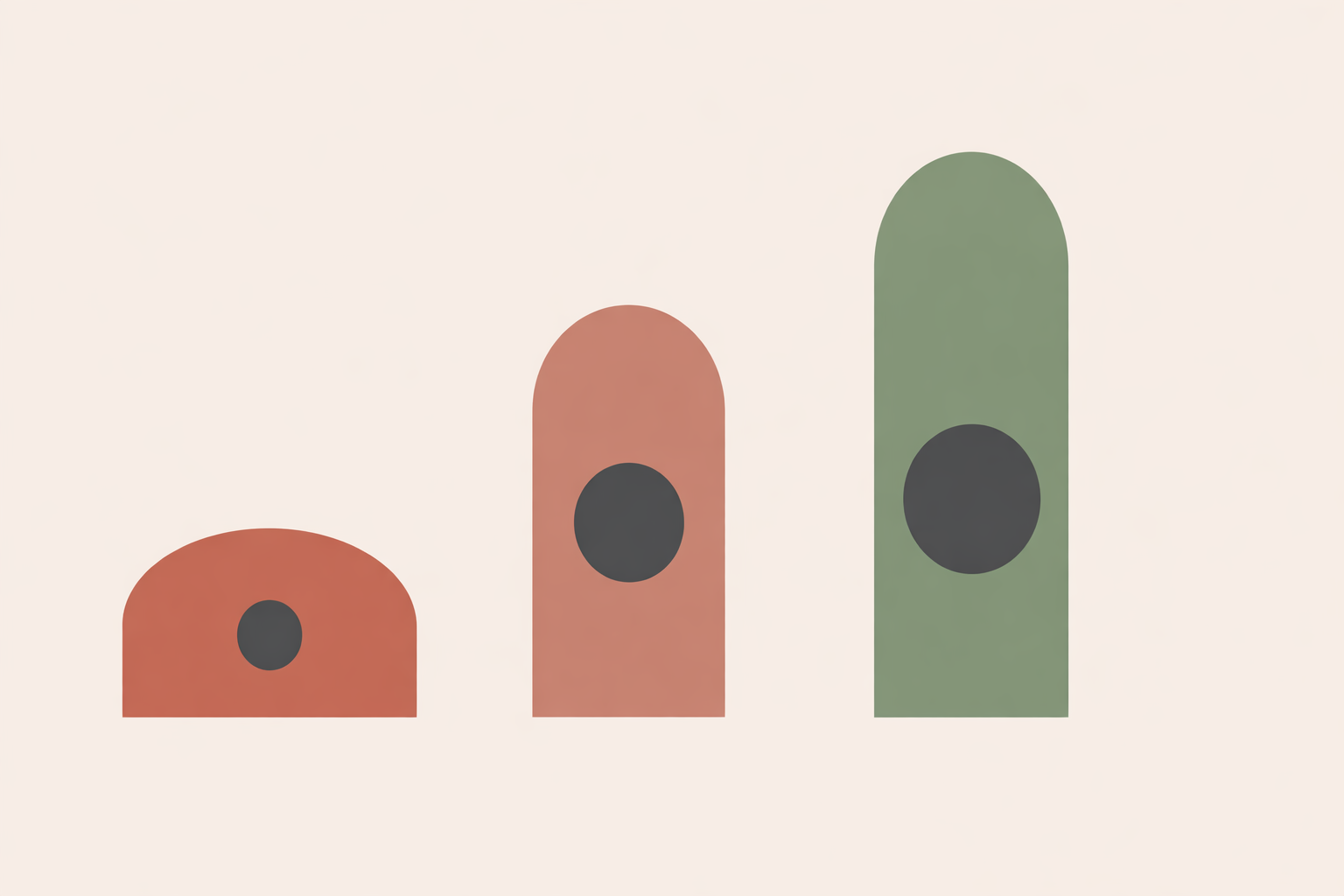
Key Takeaway: Anxiety support often works best when clients have both clarity and choice. A three-package chakra-informed model gives them a clear starting point, a sense of agency, and practices they can actually use. Grounding Foundations focuses on steadiness and simple routines; Emotional Flow & Self-Expression explores feeling, boundaries, and voice; Integrated Chakra Wellbeing weaves all seven themes into daily life. The thread through all three is the same: consent, adaptability, and respectful use of chakra teachings.
Why client-chosen chakra support packages help anxious clients
Give anxious clients a clear map and a real choice, and their shoulders often drop. Three distinct packages—rather than a one-size-fits-all promise—help people feel less overwhelmed and more in charge. Research on client preference links improved outcomes with support that better fits what people want.
Start by treating “anxiety” as the broad umbrella term it is. Some clients mean restless thoughts and tension; others describe a racing body, anticipatory fear, or a low hum of unease that colors the day. A short conversation sets the tone: What do you mean by anxiety? How is it showing up this week? Do you want simple grounding, deeper emotional clarity, or a steadier full-spectrum practice?
That’s where three packages help. Each pathway organizes familiar tools around a clear scope: how much structure you’ll use, how much reflection you’ll invite, and what between-session practice looks like. The result is a container the client can understand and consent to.
Choice itself is part of the support. Greater perceived control is associated with lower distress, and many people feel more anxious when they’re told there’s one “correct” spiritual routine. Offering options sets agency from the outset: “We can keep it short and sensory today, or open more space for feelings and communication, or map a fuller practice for the month. What feels supportive?”
In practice, it can be very simple. A client arrives with shallow breath and tight shoulders, you place three options in front of them, and they choose the depth that feels manageable today. The work begins on their terms.
A respectful, evidence-informed chakra framework
Chakra teachings originate in Indian spiritual traditions. The Sanskrit word chakra is commonly translated as “wheel,” and historical teachings describe chakras as subtle centers of consciousness in the body. Those teachings aren’t all identical, and the familiar seven-chakra map is best understood as one teaching model within a much wider lineage.
Much of the systematic development of chakra models took shape within Tantric traditions and was later woven into Haṭha Yoga streams. Naming that context helps practitioners honor the roots of the work, rather than flattening it into a generic wellness graphic.
Contemporary research rarely evaluates chakra-based sessions as a whole. Modern research more often studies the component practices frequently used alongside chakra work: meditation, mindful movement, yoga, relaxation, and breathwork. So it’s coherent to present chakras as a symbolic and experiential map, alongside grounded mind–body tools. This keeps the work both culturally respectful and practically useful, especially within energy healing settings.
In session, that might sound like: “We’ll use the chakra map to guide our questions and choices today. We can also use simple practices like breathing, sensing, or gentle movement. You can relate to this spiritually, symbolically, or simply as a reflective framework.”
Package 1: Grounding Foundations for root-chakra steadiness
Begin with steadiness. A short, sensory-forward package inspired by muladhara helps clients reconnect with weight, breath, and place. In modern teaching, the root chakra is associated with stability, safety, and belonging—qualities many anxious clients are actively seeking.
Session one can stay very tangible: feet on the floor, a brief body scan, orienting to the room, and slow, comfortable breathing. Then ask one root-themed question such as, “What helps me feel supported today?” Capture the answer in the client’s own words so it becomes a personal anchor.
Session two keeps the same structure and adds choice: seated grounding, gentle stretching, or a brief roots visualization. Keep language permissive: “If it helps, imagine roots growing downward. If not, simply notice your feet.” The point is connection, not performance.
Breathwork is often a strong anchor here. Research links slow breathing with settling physiological arousal. Many practitioners also find a slightly longer exhale supportive, as long as the breath stays comfortable and optional.
Offer a short take-home practice:
- Notice your feet touching the ground.
- Inhale naturally and exhale a little longer for 6 to 8 breaths.
- Name your location out loud or silently.
- Choose one next step: drink water, step outside, or send one message.
This root-led work is modest by design. It gives the client something repeatable, concrete, and calming enough to use in ordinary life.
Package 2: Emotional Flow and Self-Expression
The next layer is helping clients feel, choose, and speak more clearly, so confidence grows from lived experience.
This medium-length package weaves three themes together. Sacral supports emotional flow, creativity, pleasure, and adaptability. Solar plexus centers agency, boundaries, and purposeful action. Throat supports communication, truth-telling, and listening. Together, they create a bridge from feeling to expression.
Start with one real-life situation where the client tends to minimize a need, over-explain, or agree automatically. That scene becomes the practice ground.
In session, move through a simple arc:
- Sacral check-in: What feelings are here, and where do they live in the body?
- Solar choice: What do you know, want, need, or choose in this moment?
- Throat rehearsal: What would a clear and kind boundary sound like in one sentence?
Then offer usable language: “I can’t take this on today; I can help Thursday between 2 and 3.” Or, “I’m at capacity; here’s what I can offer.” If expression brings tension, pause and return to movement, humming, or a hand on the belly. The work is to restore flow and choice, not to force a breakthrough.
Between sessions, simple prompts keep momentum without overwhelm:
- What do I know, want, need, or choose, even if I am not ready to act today?
- What would a clear and kind boundary sound like in one sentence?
Affirmations work best when they feel believable. “I can take one small step” often lands more honestly than a grand statement the body doesn’t trust. Let clients try on language until it feels true enough to use.
Package 3: Integrated Chakra Wellbeing
When a client is ready to weave steadiness, feeling, and meaning into daily life, a longer package creates room to work across all seven themes without rushing. This is less a ladder than a living map.
Co-create that map in the first session. Instead of moving mechanically from root to crown, ask what feels most alive right now: safety, self-trust, boundaries, relationships, voice, perspective, or purpose. From there, identify grounding tools that already help, common stress patterns, meaningful values, and two or three practices to repeat between meetings.
Keep the rhythm steady: a short arrival, an intention, one chosen practice, reflective conversation, and one integration step for the week. Offer options throughout—sit or stand, eyes open or closed, speaking or writing, stillness or movement—so accessibility stays built in.
A weekly routine can stay very simple:
- Two minutes of grounding with feet, breath, and orientation.
- Three comfortable breaths with longer exhales.
- One reflective question tied to a chakra theme.
- One values-based action before the day ends.
Define progress together. It might look like noticing stress signals earlier, pausing before reacting, keeping one supportive routine alive, or setting a boundary with less apology. For clients who enjoy mindful movement, research describes yoga as a complementary approach that can be helpful for anxiety-related experiences, which fits naturally within a chakra-guided wellbeing plan.
Over time, small repetitions matter. A client notices a familiar stomach drop before sending a difficult message, pauses, grounds, chooses one honest sentence, and responds more clearly. The action is small, but the learning runs deep: safety can coexist with choice.
Helping clients choose, monitor, and adapt safely
Consent, boundaries, and collaboration belong at the center of this work. Clients settle more easily when they know they can opt in, opt out, and shape both language and pacing.
Start at intake. Ask how the client wants to relate to chakra work—spiritual, symbolic, secular, or some blend—so your language matches their worldview. Explain what a session may include and get explicit consent before visualization, movement, touch, sound, or stronger breath practices. A no-touch default is often the clearest starting point. Build accessibility with chair-based movement, shorter practices, eyes-open meditation, quiet pauses, or written alternatives to visualization.
Regular check-ins reduce risk. Meditation and breath practices are not universally calming, and some people feel more distressed rather than less. One review reported 8.3% of participants had meditation-related adverse experiences, with anxiety among the more common ones. Ask, “What, if anything, felt too much?” then adjust the pace, the practice, or the language.
It’s also wise to keep your scope clear. Chakra coaching is one supportive strand within a wider picture of wellbeing, not the only form of support a person may need. If distress feels persistent, severe, or deeply disruptive, encourage the client to seek appropriately qualified local support.
Between sessions, give clients a fallback practice they can always return to:
- Notice one body cue, such as jaw tension or lifted shoulders.
- Orient to three sights or sounds in the present moment.
- Take several comfortable breaths or walk slowly for one minute.
- Choose one supportive next action.
Finally, model adaptation in real time. If a client becomes activated during a throat-centered exercise, pause and return to grounding: “Would you like to stay with your feet and breath today, and come back to this another time?” When the container honors autonomy, the work becomes both kinder and more effective.
Conclusion: three client-led paths for chakra support
Three pathways—Grounding Foundations, Emotional Flow and Self-Expression, and Integrated Chakra Wellbeing—turn chakra support for anxiety into a clearer, more client-led journey. Instead of one rigid formula, clients receive a map they can move through at their own pace.
For practitioners, the core skill stays the same across all three: listen closely, match the structure to the person, and keep consent at the center. From the first question—“What helps me feel supported today?”—to the weekly practice of one values-based action, you’re helping clients strengthen agency in small, repeatable ways, including within chakra energy healing practice.
Explore Chakra Energy Healing
Deepen your client-led chakra approach with the Chakra Energy Healing Certification.
Explore Chakra Certification →