Most menopause coaches learn fast that one catch-all plan creates more noise than progress. One client arrives in perimenopause with sleep and mood swinging wildly; another, firmly postmenopausal, wants to protect strength and daily capacity; a third is trying to renegotiate identity, boundaries, and purpose. When everything is pushed through one static protocol, sessions lose shape and clients struggle to feel why this week’s practice matters.
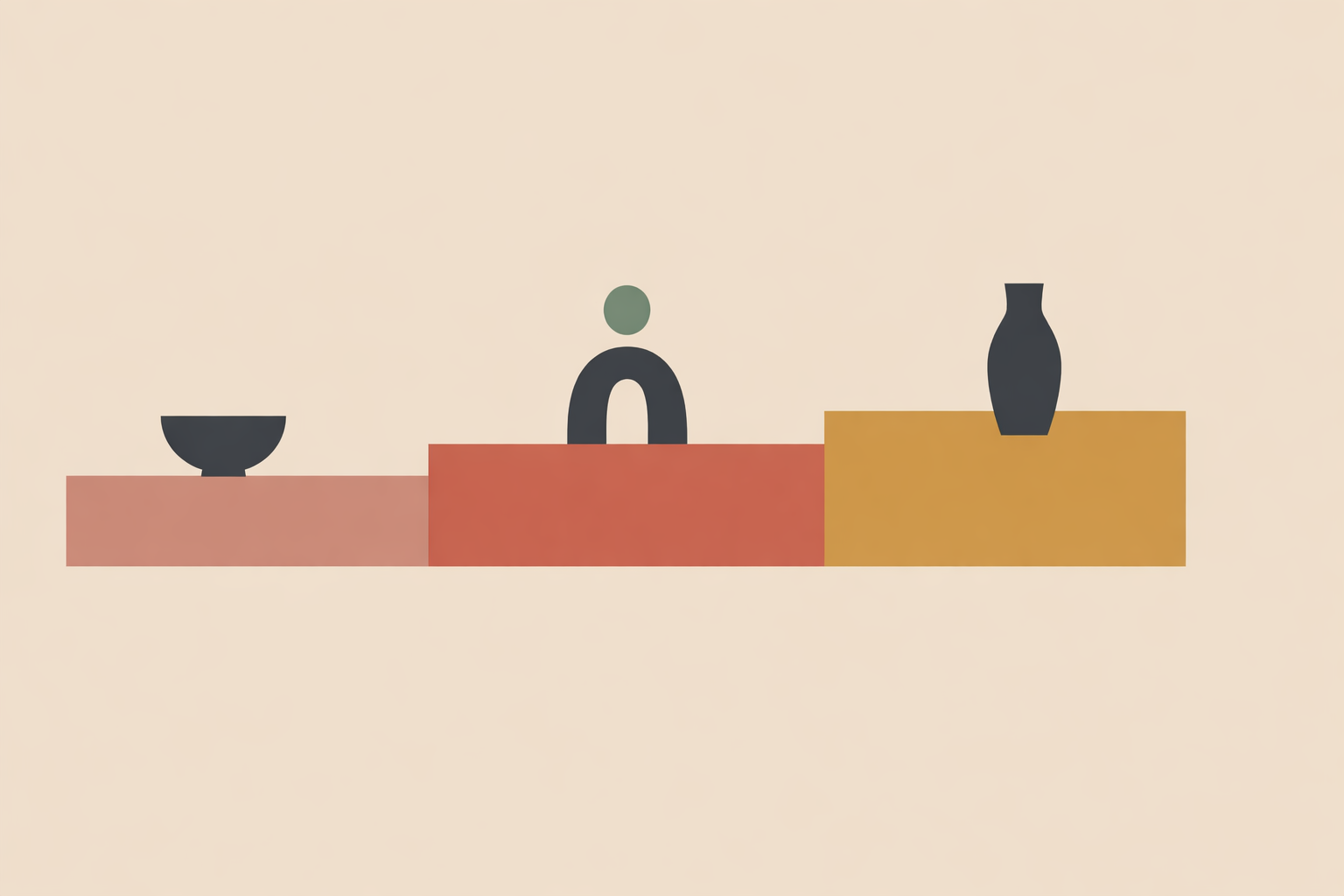
A steadier way is to offer three named, client-chosen paths: one for stabilising fluctuating perimenopause patterns, one for strength and daily energy in menopause and postmenopause, and one for the wider life transition that often unfolds alongside both. The work gains a clear arc, stays within coaching scope, and still adapts to the client’s current season.
Key Takeaway: Three clear coaching paths bring order to menopause support. A stabilising path suits clients navigating fluctuating perimenopause patterns. A strength-and-energy path fits those in menopause or postmenopause who want to protect bone, muscle, and vitality. A whole-life transition path supports values, identity, and community. Together, these paths make sessions easier to follow, help clients see progress, and keep your coaching offer flexible without becoming vague.
Path 1: Stabilise and Understand
This path suits early or chaotic perimenopause. The aim is to slow things down, notice patterns, and rebuild steadiness.
Begin with a story-first intake: what’s changing, what still feels steady, and what has supported them through demanding seasons before. It keeps the work human rather than turning the client into a checklist.
Next comes simple tracking. A daily log over a couple of months often becomes one of the most useful tools because it captures both hard days and easier ones. Brief notes plus a weekly review usually provide plenty of detail without creating overload.
Useful things to track include:
- sleep quality
- energy
- mood
- hot flashes or night sweats
- cycle timing
- stressful events
- movement
- food timing
- alcohol and caffeine
Many clients spot links between evening alcohol, heavy late dinners, afternoon caffeine, and disrupted sleep. Those are ideal for short, reversible experiments that build confidence quickly.
Movement is often a keystone habit because it can support sleep, mood, and overall steadiness in one consistent practice. The focus is reliability over intensity: walking, gentle strength, mobility, dancing, or whatever the client can sustain.
Brief calming practices also help many clients feel less internally “jangled.” Breathwork, stretching, walking, and quiet rituals can reduce anxiety and support steadier mood. Done daily, they become anchors.
Common coaching focus points in this path:
- steady sleep and evening rhythms
- tracking patterns without over-focusing
- testing one or two likely triggers at a time
- matching movement to recovery
- building self-trust through small wins
A useful script is: “Let’s not solve everything this week. Let’s choose one pattern to observe and one small experiment to run.”
Path 2: Strength, Metabolism and Daily Energy
This path is often the best fit in menopause and postmenopause, especially when the client is thinking about physical capacity, body confidence, stamina, and long-term independence. The goal becomes preserving what matters and building from there.
Lower estrogen is associated with lean-mass decreases and changes in fat distribution. For many clients, that makes strength work a central pillar. In midlife, resistance training supports strength and lean mass, while weight-bearing exercise supports bone health.
A practical movement base often includes:
- 2 to 3 resistance sessions each week
- regular walking or other aerobic movement
- weight-bearing patterns such as squats, carries, step-ups, or dancing
- balance and coordination work
Balance training often surprises clients with how meaningful it feels. Over time, balance and strength training support functional ability and long-term independence.
Nourishment is the second pillar. The coaching goal is enough fuel to support training, recovery, sleep, and everyday steadiness. Severe caloric restriction is associated with fatigue and sleep disruption, so most clients do better with a sustainable pattern they can live with.
This is also where progress often becomes tangible: carrying groceries more easily, feeling steadier on stairs, recovering faster, and trusting their body again.
Useful coaching priorities in this path include:
- progressive full-body strength training
- bone-supportive movement habits
- regular meals that support recovery
- realistic pacing instead of all-or-nothing effort
- energy and confidence in daily life
A simple cue works well here: “We are building a body that supports your life, not chasing punishment or extremes.”
Path 3: Whole-Life Transition
Sometimes the most important work isn’t symptom-led. This path makes room for identity, roles, boundaries, meaning, and the emotional reshaping that often accompanies midlife change.
Clients on this path may be asking:
- What do I want now?
- Which roles still fit me?
- Where do I need stronger boundaries?
- What wisdom from my lineage or tradition do I want to keep?
- What am I ready to let go of?
Start with narrative and values work. Invite clients to explore what they inherited about aging, usefulness, femininity, ambition, family, spirituality, and rest, then choose what still feels true.
Behavioural and cognitive approaches can be strong allies here. Evidence suggests they can reduce distress around vasomotor symptoms and improve sleep, mood, and overall quality of life in midlife. In coaching sessions, that support pairs naturally with boundary work and steadier self-talk.
Mind-body practices also belong here, especially when they’re approached with respect for cultural roots and the client’s own background. Breath practices, meditation, mindfulness, prayer, and other traditional calming rituals can improve mood and reduce stress when used consistently.
Community can deepen this path. Shared spaces reduce isolation, normalise diverse experiences, and often improve follow-through. Group-based programs have shown symptom improvement, and many coaches see higher engagement when clients don’t feel alone.
Helpful elements of this path include:
- values and boundary exercises
- journaling and reflection prompts
- mindfulness or contemplative rituals
- group circles or guided discussion
- practices that strengthen self-trust
This path can look quieter from the outside, yet it often reshapes daily life in lasting ways.
How to help clients choose the right path
Choice should feel light and practical. You’re not asking clients to define themselves forever; you’re choosing what creates the most relief or momentum now.
A strong opening question is: “Which change would make daily life feel most different in the next month: steadier sleep and mood, a stronger body and more energy, or clearer boundaries and direction?”
In broad terms:
- Clients in early or chaotic perimenopause often benefit from a stabilising path focused on sleep, mood, and energy.
- Clients in menopause or postmenopause who are concerned about capacity, weight, or independence often benefit from a strength-focused path.
- Clients experiencing this transition as a turning point in identity, purpose, or relationships often benefit from a values-focused path.
These are starting points, not labels. Many clients move between paths as their needs evolve, and that evolution is a sign of growing self-awareness.
Keep flexibility inside sessions too. On low-energy weeks, choose restorative options. When motivation is high, build on it. Structure works best when it protects agency.
Clear scope supports trust. Explain that your role is to support lifestyle shifts, behaviour change, reflection, and accountability. When something sits outside that scope, refer onward calmly and promptly.
How to bring the three paths into one cohesive coaching offer
The three paths can live inside one coherent offer, with a shared structure and different points of emphasis.
A simple format is a 12-week journey with one main path chosen at the start and permission to adjust once patterns are clearer. Hybrid formats often work well: live sessions for depth, short check-ins for momentum, and a simple log for reflection between sessions.
You might include:
- one longer session each week or fortnight
- brief check-ins between sessions
- a short daily or near-daily log
- optional group support
- seasonal path reviews
Weekly review of brief logs is usually enough to personalise support without turning the process into homework. Most clients don’t need more information; they need a rhythm that helps them observe, test, learn, and keep going.
Group support can be layered in thoughtfully. Even when the main work is one-to-one, community often helps clients feel seen and steadier in their follow-through.
Across all three paths, the deeper aim stays consistent: moving from confusion to clearer, values-aligned choices, where self-trust has room to grow.
Mind-body anchors can also run through every path. Breathwork, meditation, and traditional relaxation practices have shown benefits for sleep, mood, and vasomotor symptoms, and many practitioners use them as supportive daily anchors regardless of the client’s main focus.
A grounded way to close the work
Clear paths change the feel of menopause coaching. Clients feel less scattered, and you’re less likely to end up reacting to every new concern without a framework. Sessions become easier to follow and easier to build on.
To refine your approach, start small: name the three paths, write a short description for each, list core practices and fitting goals, then note the signs it’s time to shift. Test the structure, listen closely, and keep improving.
Close with steady integrity. Honour lived experience, respect traditional knowledge, stay open-minded about modern evidence, and avoid overstating certainty. When boundaries are clear and care is consistent, clients often feel safe enough to make real change.
Train in Menopause Coaching
Deepen your three-path framework with the Menopause Coaching Certification.
Explore Menopause Coaching Certification →