


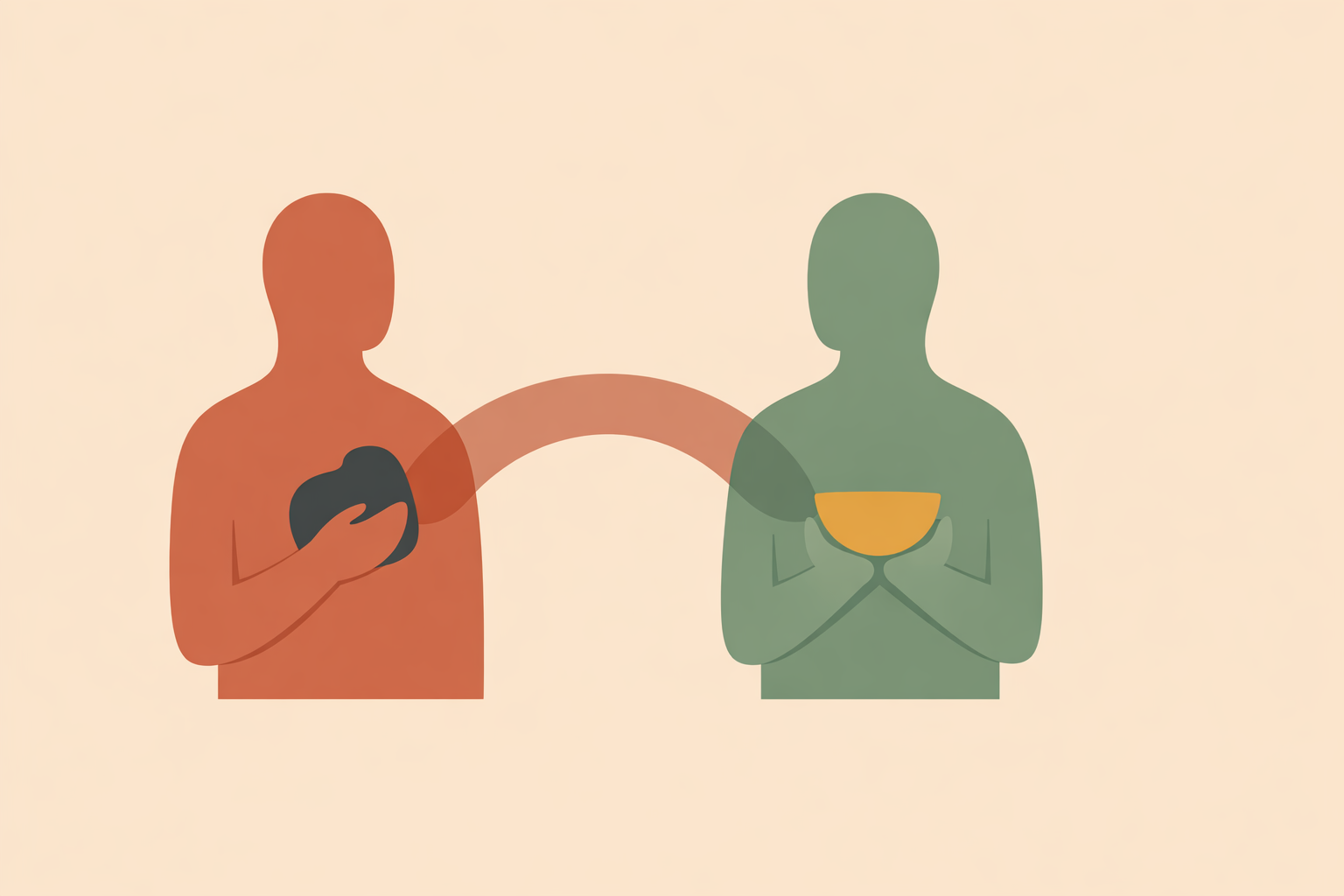
Most practitioners recognize a version of this moment: a client reports insomnia and a tight chest after “just” a breakup, or a dull ache that began when their title changed. It gets labeled stress, burnout, or anxiety, and the session moves on because there’s no funeral on the calendar.
Weeks later, the distress persists, and shame grows because the story still doesn’t fit a public script. Often, the missing lens is grief. And when a loss is not validated, people can start to doubt their own body and experience.
Key Takeaway: Disenfranchised grief often sits underneath presentations that get called stress, burnout, or anxiety. Useful support begins by naming the loss, validating it, and creating simple, culturally respectful ways to honor it within scope.
Why Disenfranchised Grief Hurts
Disenfranchised grief is grief that is not socially supported, openly acknowledged, or publicly mourned. The pain isn’t only the loss itself; it’s also the wound of being met with minimization, confusion, or pressure to “move on.”
When people are deprived of public mourning, communal ritual, and ordinary support, grief tends to go underground. From there, it often gets mislabeled, especially if no one thinks to ask about loss in the first place.
A simple line can open the door: “What you’re describing sounds like grief, even if no one else has called it that.” Very often, the whole room softens after that.
Hidden Grief in Everyday Transitions
Many of the biggest adult losses are non-death losses. Job loss, retirement, relocation, stepping back from caregiving, and major role shifts are often left out of grief conversations, even though non-death losses can carry real emotional weight.
These transitions can reshape identity and belonging. Along with a title or routine, people may lose status, purpose, familiar relationships, and the steady feeling of “this is who I am.”
Because there’s rarely a public rite, the grief can present as fatigue, numbness, withdrawal, disrupted sleep, or difficulty managing everyday tasks. In session, it helps to get concrete: not only what changed, but what the role gave them.
- “What exactly ended here?”
- “Who were you in that role?”
- “What rhythm or belonging did it give you?”
- “Was this recognized as a loss by anyone around you?”
Relationships That Others Say Should Not Matter
Some grief stays hidden because the relationship itself is discounted. Ex-partners, estranged relatives, hidden relationships, online communities, and one-sided attachment bonds can all leave a true absence behind, even when outsiders dismiss it.
Estrangement often brings ongoing grief: the person is alive, yet emotionally unreachable. There’s no clean ending, no shared ritual, and often no accepted language for the loss, which makes naming it even harder.
For queer clients, the silence can deepen when a partnership was never fully recognized by family or community. For others, online bonds may be treated as unreal, even when they held daily intimacy and shared meaning. When these losses are brushed aside, grief doesn’t disappear; it just becomes harder to carry.
Ambivalence is common here. Guidance on disenfranchised grief acknowledges ambivalent feelings as a normal part of the picture.
- “This sounds like attachment loss.”
- “You may be grieving the future you hoped for with them.”
- “Relief and heartbreak can both be true.”
Body Changes and Identity Grief
When the body changes, grief often follows. Loss of mobility, energy, independence, sexual expression, confidence, or familiar capacity can create a deep rupture in identity.
People don’t always call it grief. They say, “I’m not myself anymore,” or “I miss who I used to be.” That language is meaningful, and naming body-related grief can relieve shame and make space for honest adaptation.
Care partners may carry parallel grief too. In dementia, the grief is often ambiguous and cumulative: someone remains physically present while feeling psychologically changed. Similar patterns can show up with brain injury, severe emotional distress, or substance-related family disruption, where unpredictability and stigma make expression harder.
A grounded question can help: “When you say you miss who you were, where do you feel that in your body?” From there, brief breathwork, stillness, or a hand-to-heart pause can support recognition without turning the moment into performance.
Grieving What Never Happened
Some of the deepest grief is for futures that never arrived. Fertility struggles, miscarriage, stillbirth, abortion-related grief, interrupted plans, and long-imagined milestones can bring sorrow that feels both intimate and invisible.
These losses are often minimized because they’re private, early, complex, or politically loaded. Yet the grief is real, including grief for what was pictured and quietly woven into identity over time.
Non-death grief includes loss of possibilities. That frame helps many people locate what hurts: a child, a timeline, a role, a family image, or a future that carried meaning for years.
Abortion-related emotions can be disenfranchised in a different way because public narratives often leave little room for complexity. People may need space for sadness and relief, tenderness and regret, love and uncertainty, without being pushed toward a single acceptable story.
- “I hear grief for the future you were holding.”
- “This loss may be invisible to others, but it is not small.”
- “You do not need to simplify your feelings to make them valid.”
Stigmatized Losses and the Weight of Silence
Some losses are silenced by shame before mourning even begins. Death by suicide, overdose, incarceration-related loss, abortion, and HIV-related loss can all carry a social charge that narrows what people feel permitted to say.
In these situations, disenfranchisement often reflects stigma and power more than the significance of the bond. Communities affected by the early AIDS era showed how strongly stigma can determine whether grief is witnessed or pushed into silence, and that pattern has not disappeared.
Validation matters. Guidance on disenfranchised grief emphasizes validation because recognition loosens shame and makes expression more possible.
The practitioner’s tone is especially important here. Steady, non-judgmental language helps restore dignity when the wider environment has offered suspicion, blame, or silence.
- “I believe this loss matters.”
- “You do not have to defend your grief here.”
- “We can go at a pace that feels workable.”
Cultural, Ancestral, and Belonging-Based Grief
Grief is not only about people. It can also be about land, language, home, ritual, kinship patterns, spiritual belonging, and the loss of a place where the self once made sense.
Migration, displacement, and loss of home can carry intense grief because attachment forms around place and meaning, not only around individuals. Many people also carry grief for what couldn’t be passed on: language, ceremony, faith, or intergenerational continuity.
It also matters to remember that what a society allows to “count” as loss is shaped by culture and power. Disenfranchisement often says more about social norms than about the depth of the bond.
Mourning varies widely across cultures, and there is no universal way grief should look or unfold. Many Indigenous and ancestral traditions emphasize community practices, song, circle, relationship with land, and honoring those who came before as ways to restore belonging. These practices deserve respect in their own cultural context, not casual borrowing.
- “What part of your culture or lineage belongs in this conversation?”
- “Is there a song, food, prayer, place, or language that helps this grief feel witnessed?”
- “Whose ways of honoring loss feel true to you?”
How to Help Clients Name Hidden Grief
One practical shift is to include a brief grief history in intake. Asking directly about non-death losses helps hidden grief surface, and practice guidance supports including grief history because many people don’t identify these experiences as grief until someone asks.
Keep the questions simple and clear.
- “What has been lost in the past year, even if others would not call it grief?”
- “What changed that no one really recognized?”
- “Was there any goodbye, ritual, or acknowledgment?”
- “Which part of you was most affected?”
- “Who has understood this, and who has minimized it?”
Once grief is visible, name it gently. Then help the client honor it in a way that fits their values and context: a goodbye letter, a candle, a walk to a meaningful place, a private altar, a boundary around anniversaries, or a few minutes of intentional stillness before a difficult transition.
Small rituals often work well because they restore dignity without forcing disclosure. They also fit naturally within supportive practice: witnessing, reflection, regulation, and meaning-making, without overpromising speed or dramatic transformation.
A simple five-step session flow can help:
- Anchor: settle with breath, posture, or contact with the ground.
- Name: reflect back the loss and call it grief if that fits.
- Witness: let the client say the part no one else has heard.
- Honor: choose one small ritual, boundary, or act of remembrance.
- Close: acknowledge what mattered in what was lost.
Closing Reflection
Disenfranchised grief shows up wherever loss falls outside the approved script: work and role changes, estrangement, body changes, interrupted futures, stigmatized experiences, and the ache for land, language, or belonging. Pain deepens when it isn’t witnessed.
The support itself can stay straightforward. Ask about losses that rarely get named. Use language that removes shame. Respect cultural context and avoid appropriation. Offer small forms of acknowledgment when public mourning is absent, and keep your role grounded in support, reflection, and well-being as part of ethical grief support.
Sometimes one sentence changes everything: This counts. From there, people often begin to trust their own experience again, and that trust is where real integration begins.
Train in grief support
Deepen your skills in naming and supporting hidden loss with the Grief Coach Certification.
Explore Grief Coach Certification →










