Most animal-care practitioners are taught to choose and dose on the animal’s behalf. In real life, that often stalls: a dog turns away from the diffuser, a cat leaves the room, a horse loses interest after a single sniff. You adjust dilution, rotate oils, or switch delivery methods, and the response stays inconsistent. Often, that’s a sign the approach is out of step with how animals prefer to engage with botanicals.
A steadier approach is to curate safe options and let the animal lead. When choice is built into the session, many animals show clear preferences through posture, breath, pacing, and whether they return. The practitioner’s role becomes both simpler and more skillful: set boundaries, observe closely, and respect what the animal accepts or declines.
Key Takeaway: Animals often self-select botanicals when offered safe, curated choices. In applied zoopharmacognosy, the practitioner creates a low-intensity, well-structured environment, while the animal leads through approach, avoidance, return, rest, and disengagement. For dogs, cats, and horses alike, the real skill lies in reading those signals, offering gentler forms where needed, and keeping clear ethical and species-specific boundaries.
Do animals self-select oils?
Yes—many animals appear to choose their own plant allies when we slow down and let them. This sits inside a long tradition of careful observation: animals nose through hedgerows, pause at certain plants, avoid others, and repeat what seems to help them settle.
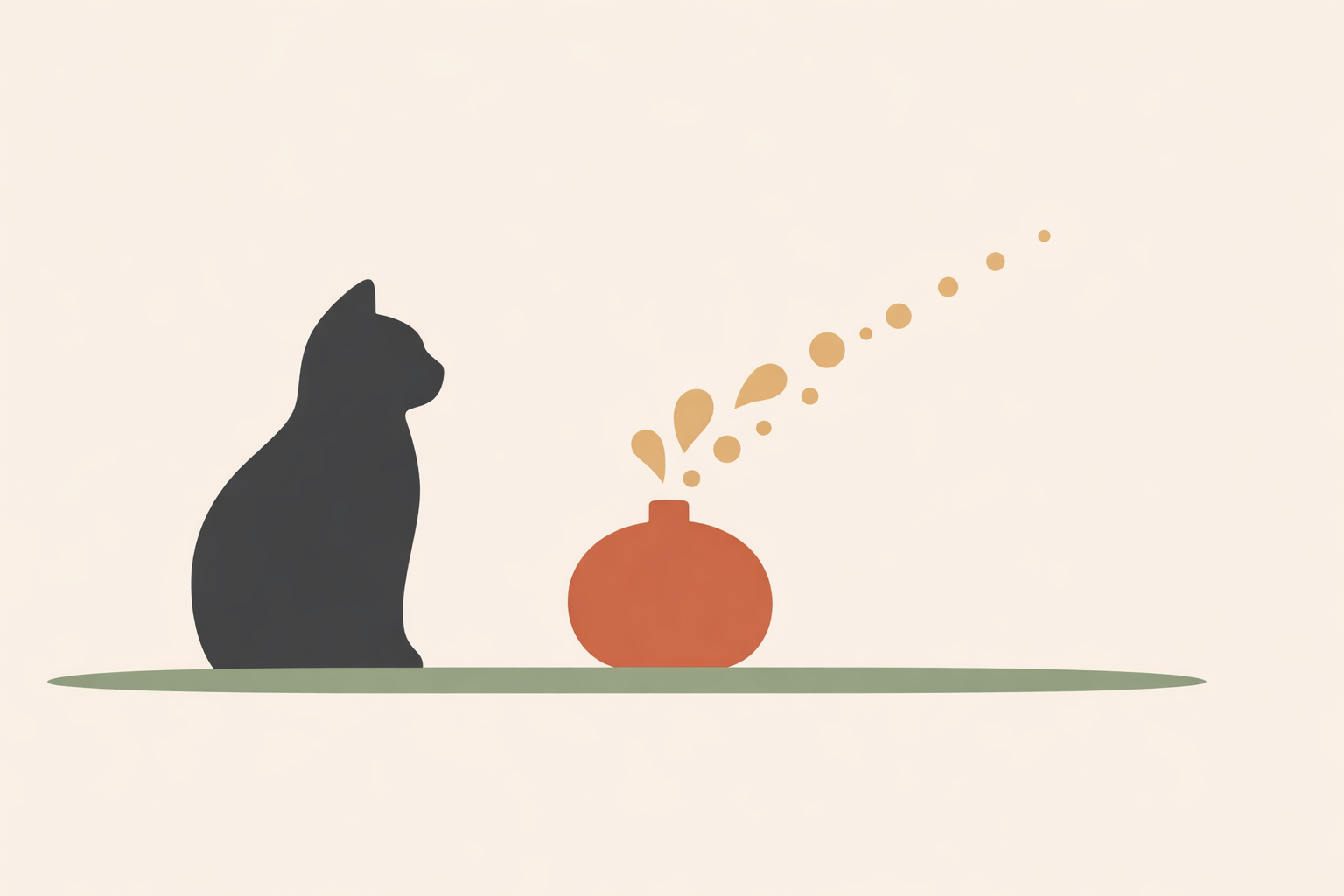
In a practice setting, the same pattern shows up in a more curated way. Offered a choice of aromatics, many animals move through a recognizable rhythm: approach, sniff, step away, return, linger, soften, then move on. Over time, you learn to trust that sequence as meaningful communication.
A simple example: a nervous rescue greyhound is offered four options—true lavender, frankincense, chamomile hydrosol, and a calendula macerate. He sniffs the lavender, steps back, then returns several times to the chamomile hydrosol before lying down beside it with a long sigh. Animals answer the question with their bodies.
From traditional observation to applied zoopharmacognosy
The modern term for this broader pattern is zoopharmacognosy. It describes animals selecting plants or minerals in response to internal needs. Traditional animal keepers, foragers, and close observers have recognized the behavior for generations; the newer language gives structure to something long witnessed in the field.
In wild settings, animals have varied terrain, seasons, and a wide palette of sensory options. A widely used model suggests internal physiological shifts can influence the nose and palate, guiding selection behavior. Practitioners also notice this in domestic settings: an aroma that was ignored yesterday can become appealing today, and the reverse can happen just as clearly.
That difference matters because most domestic animals no longer have easy access to biodiverse landscapes. Applied zoopharmacognosy becomes a practical translation of that lost choice: safe options are offered, and the animal decides what, when, and how much engagement feels right.
The principle is simple. We do the curation; the animal does the choosing.
How to recreate choice indoors with oils, hydrosols, and gentle carriers
A good self-selection session should feel quiet, spacious, and low-pressure. It works best as a carefully prepared invitation, with the animal free to participate or ignore the whole setup.
Practitioners often offer a small range of safe plant materials: essential oils, CO₂ extracts, macerated oils, dried herbs, clays, and hydrosols. The aim is to mirror some of the variety an animal might encounter on a biodiverse walk, without overwhelming them.
Two conditions matter most:
- the animal must be free to move toward or away from every option
- the offering should stay simple enough that responses are easy to read
For sensitive species and younger animals, hydrosols are often the gentlest place to begin. They carry trace aromatics in a softer form, which is why many practitioners prioritize hydrosols for cats and small dogs.
Useful starter trays might include:
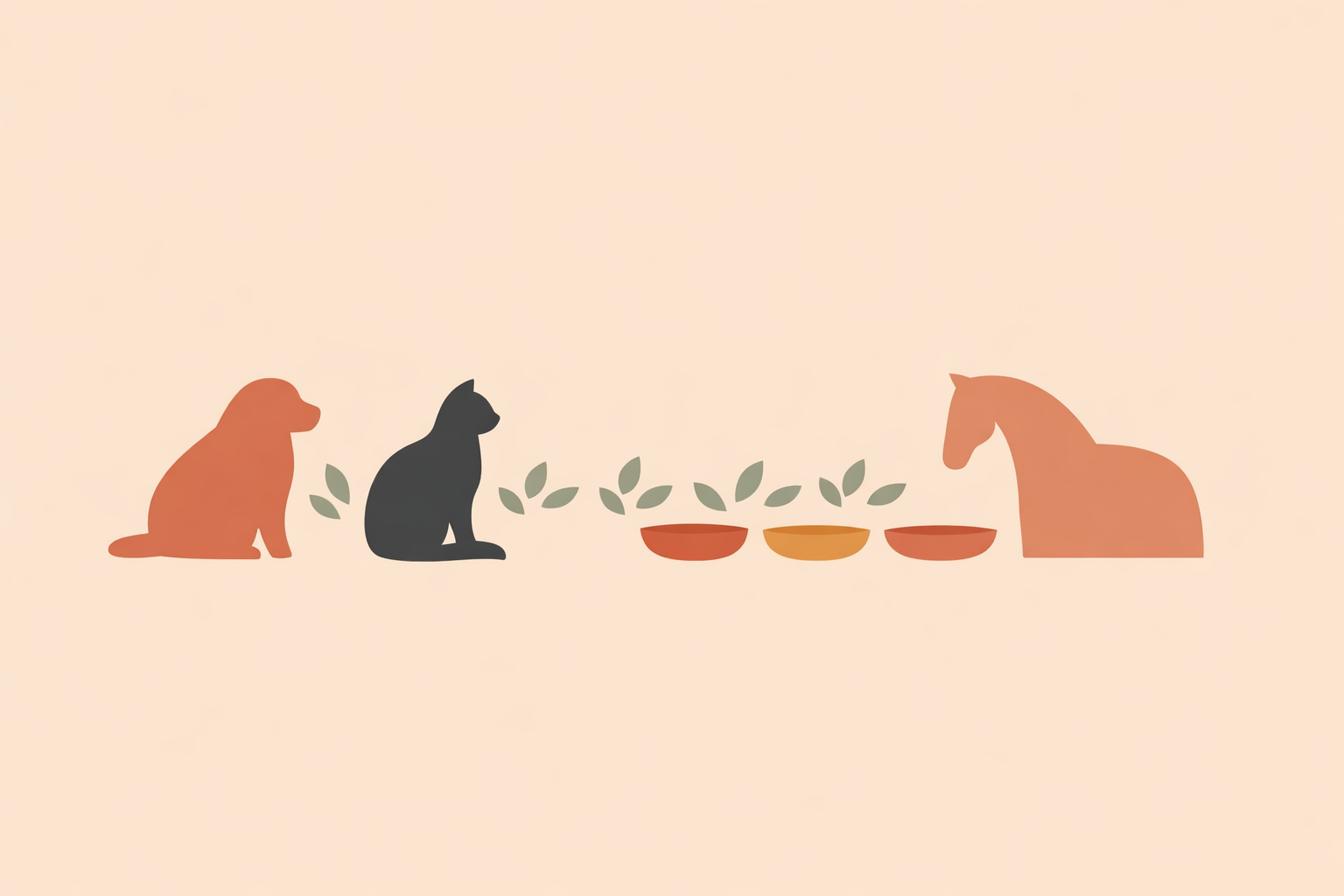
- Dogs: true lavender, frankincense, Roman chamomile hydrosol, green clay, calendula macerate
- Cats: rose hydrosol, catnip hydrosol, valerian root in a closed jar for nearby sniffing, a small pinch of dried cat thyme
- Horses: German chamomile, sweet marjoram, yarrow hydrosol, comfrey macerate, seaweed flakes
The point is not maximum variety. It is enough range for real choice while keeping the session calm, readable, and easy to stop.
How to read “yes,” “no,” and “enough” in a self-selection session
The animal writes the dosage with its nose, posture, and movement. The practitioner’s job is to notice the pattern, keep the environment steady, and avoid steering the outcome.
With dogs, a “yes” often looks like:
- slow, deep inhalation
- soft eyes
- air-licking
- voluntary return after stepping away
An “enough” from a dog may look like:
- a gentle head turn
- a yawn
- walking away
When a dog repeatedly nudges a hip, shoulder, or paw toward a scent, many practitioners take that as a request for localized support at that area.
Cats are usually subtler. A feline “yes” may include:
- small ear shifts
- easing whisker tension
- a slight head dip
- a sniff followed by calm grooming
A feline “no” may include:
- sharp head turns
- flattened ears
- squinting
- leaving quickly
Horses often make their preferences easier to see. Common “yes” signals include a long inhale with softly widening nostrils, licking or chewing, a lowered head, and standing parked beside the chosen option. “No” may look like head swinging, pawing, or pinned ears.
Across species, one practical rule holds: when in doubt, lower the intensity. More distance, fewer options, and more time usually reveal clearer information than moving closer or adding more stimuli.
What usually changes first when animals self-select
The first shifts are usually simple and visible. In many sessions, the earliest signs are more ease in the body, a longer exhale, and then rest.
A common arc is this: after choosing a scent, the animal settles into a resting position; breathing and overall rhythm look steadier; then interest fades and they choose more distance from the tray or bottles. That natural ending is part of the information.
Rather than expecting dramatic responses, it is often more useful to watch for:
- more rest
- less vigilance
- easier transitions after arousal
- a clear stopping point
This is where choice-led work becomes especially helpful for everyday stress. Many practitioners use self-selection to support animals around visitors, travel, loud events, or changes in routine, and within broader animal wellness work, by letting the animal participate instead of imposing a scent.
True lavender, in particular, remains a familiar part of many animal-care protocols for easing transport and handling. In a self-selection framework, though, even a well-loved botanical stays an option, never an assumption.
Species sensitivity, safety, and ethical boundaries
Choice matters, but it never replaces thoughtful curation. Species differences in scent sensitivity, skin, and metabolism still shape what belongs in the tray.
Cats need especially careful handling around concentrated aromatics. Cats are more sensitive to essential oils because of how they process certain compounds. For that reason, many practitioners avoid direct essential-oil application with cats and instead prioritize hydrosols, dry herbs, and distance-based offering.
The same caution extends to phenol-rich oils and other strong materials. Phenol compounds can be especially challenging for sensitive animals, so beginner setups are best kept simple and gentle.
As a practical baseline, many experienced practitioners avoid high-risk options such as:
- wintergreen
- pennyroyal
- undiluted tea tree
- strong phenolic spice oils such as clove or oregano
Ethically, the boundaries are straightforward:
- never coerce engagement
- remove what the animal clearly avoids
- end the session when interest fades
- keep intensity low enough that “no” remains easy
Simple beginner curations often look like this:
- Dogs: offer by hand at a distance first; many sessions use inhalation only
- Cats: start with hydrosols and dry herbs; keep all offerings brief and gentle
- Horses: begin with inhalation or hydrosols before considering any closer application
And just as importantly, if discomfort is persistent, intense, or unusual, aromatics should stay in a supportive role while the animal’s broader needs are properly assessed by the appropriate animal-care professional.
Bringing self-selection into everyday practice
To work this way, begin simply. You do not need a large apothecary or a dramatic protocol. You need a quiet space, a few well-chosen options, and the discipline to observe without over-interpreting.
A practical starting workflow:
- Set the space: quiet room, door ajar, animal free to come and go
- Offer a small set: three to five gentle options
- Present one at a time: let the body answer before showing the next
- Keep sessions short: ten to twenty minutes is usually enough
- Write down what happened: approach, inhale, return, rest, disengagement
As confidence grows, observations get sharper. You start to see how one animal needs more distance, another prefers dry herbs to liquid aromatics, and another disengages quickly once they’ve had enough.
When situations improve, animals often stop seeking what they once chose. Interest fades, sessions shorten, and eventually the tray is ignored. Many practitioners read that as a clear sign the process has been respectful and well paced.
Used well, self-selection gives animals a dignified way to participate in their own well-being. Keep offerings gentle, respect a clear “no,” and stay attentive to species-specific sensitivity, especially with concentrated aromatics, as in animal aromatherapy and the broader practice of animal aromatherapy certification.
Explore Animal Aromatherapy Certification
Build safer, species-aware self-selection sessions with the Animal Aromatherapy Certification.
Explore Animal Aromatherapy →