Clients tend to ask the same questions about lion’s mane: can it help with brain fog, should they choose fruiting body or mycelium, which products are trustworthy, and when should they expect to notice changes? The tricky part is turning that excitement into guidance that feels grounded—without overselling or getting lost in chemistry. Once extraction methods, label language, and uneven quality enter the picture, a traditionally valued food can start to feel like guesswork.
A steadier frame is this: treat hericenones and erinacines as a quality compass, not milligram-perfect targets. Used well, they help you read labels, understand why products feel different, and set timelines that make sense in real life.
Key Takeaway: Use hericenones and erinacines as a practical guide to product identity and quality—hericenones generally signal fruiting-body extracts, while erinacines point toward mycelium preparations. This distinction helps set realistic timelines, interpret extraction choices, and match a lion’s mane product to a client’s goals without chasing exact milligram claims.
From traditional food to modern compound language
Lion’s mane earned its reputation long before anyone named its constituents. In traditional culinary and cultural contexts, it was valued as a food allied with clarity and longevity—an identity that matters, because it keeps the mushroom rooted in whole-body support rather than “one compound, one outcome” thinking.
Modern research later put names to some of the compounds now featured in product marketing. The two most discussed are hericenones and erinacines. As a practical orientation point, practitioners often use them like this: hericenones for fruiting-body conversations, erinacines for mycelium conversations.
That distinction is genuinely useful—just keep it in proportion. Think of these compounds as signposts for product type and quality, not as a guarantee that one label detail will determine someone’s experience.
What hericenones and erinacines appear to do
In practice-oriented terms, these compounds appear to relate to the body’s own growth-and-repair pathways for neurons. You’ll often see terms like neurotrophic factors (growth signals for nervous system cells), synaptic plasticity (how well connections adapt), and cellular resilience (how steady cells stay under stress).
Preclinical work suggests lion’s mane compounds may support NGF and may also help enhance plasticity. Essentially, that’s one reason lion’s mane is often approached as a steady build rather than an instant “boost.”
There’s also a protective side to the story. Experimental models suggest lion’s mane extracts can show antioxidant and anti-neuroinflammatory activity. Put simply: it’s often discussed as part of a long-horizon well-being plan, not a quick-fix tool.
Some preclinical research also links erinacine-enriched preparations with reduced amyloid-β in experimental models. That has added to interest in lion’s mane for long-term cognitive resilience—best held as one piece of a much wider picture.
Fruiting body vs mycelium: the distinction that actually matters
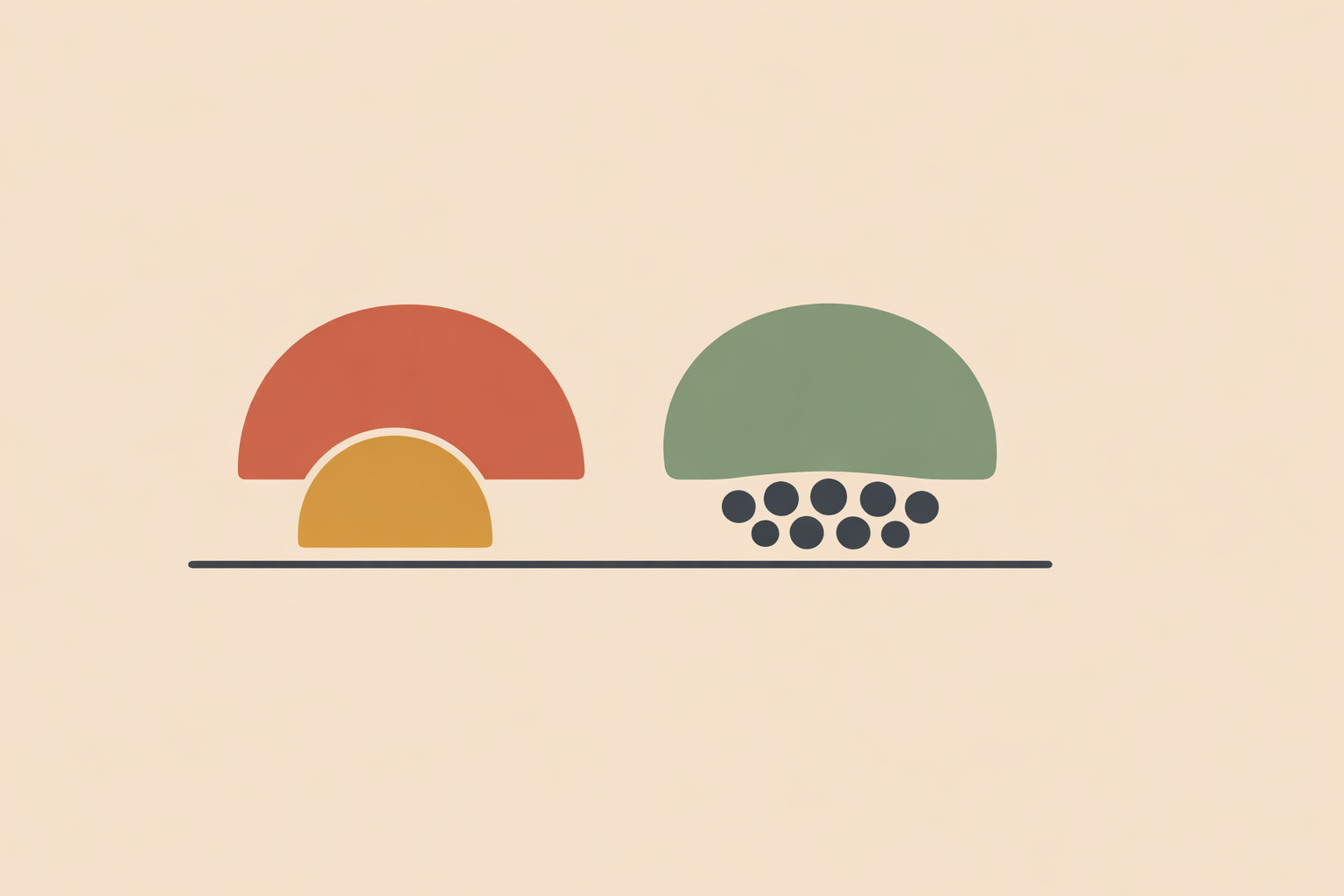
The simplest map is often the most helpful: hericenones are generally linked with the fruiting body, while erinacines are linked with the mycelium. That alone makes label reading more grounded.
A research overview notes that hericenones are isolated from the fruiting body, while erinacines are isolated from the mycelia. For selecting products, this tends to matter more than flashy front-label promises.
Next comes extraction—another filter that can explain why two products “on paper” feel nothing alike. Hot water extraction is especially relevant for water-soluble polysaccharides like beta-glucans. Alcohol extraction or dual extraction is often chosen when the goal is a broader compound profile, especially for constituents that don’t come through as well in water alone.
It’s also worth slowing down with “mycelium” labels. Many mycelium-on-grain products can be heavily influenced by leftover grain biomass unless the maker is unusually transparent about standardization and testing. That’s one common reason similar-looking products can lead to very different experiences.
And then there’s how it’s grown. Research suggests cultivation conditions affect erinacine yields in lion’s mane mycelia. Here’s why that matters: “mycelium” isn’t automatically a consistent category—growing methods can shift the outcome.
“Purchase from a reliable brand that is trustworthy and transparent… Check the label for specifications on which part of the fungi the extract is made from.”
That advice fits lion’s mane perfectly. The best choices usually come down to clear identity, clear extraction language, and real verification, much like the broader product-quality basics in mushrooms intake plans.
Do different lion’s mane products change outcomes?
Often, yes—sometimes subtly, sometimes noticeably. Product form and consistency can shape the whole experience.
While human research is still emerging, broader findings suggest modest improvements in cognition and mood in middle-aged and older adults overall. That’s a helpful tone-setter: promising, but not magical.
In real-world coaching, the biggest divider is usually steadiness. A clinical trial reported benefits after continuous daily intake over several weeks, with gains that tended to decline after stopping. Think of lion’s mane more like building a practice than flipping a switch.
There is also early human research suggesting erinacine A–enriched lion’s mane may increase BDNF. That doesn’t automatically make erinacine-focused products “better,” but it does support the idea that verified mycelium preparations can offer a different profile from fruiting-body–dominant products.
Traditional practitioner experience adds a useful layer here. Fruiting-body–dominant products are often described as steadier and more “food-like,” while verified mycelium or erinacine-enriched options are often chosen when a stronger neurotrophic emphasis is the goal. Not a rigid rule—just a practical starting point.
How to use hericenones and erinacines as a quality compass
The most useful move isn’t chasing exact numbers—it’s choosing the right kind of lion’s mane for the intended outcome.
Most cognition-focused lion’s mane programs cluster around 1–3 g/day for roughly 8–16 weeks. That timeframe helps clients stop asking “Will I feel this tomorrow?” and start tracking what changes with consistency.
Match the product to the goal
- Clarity and steadiness: Fruiting-body–dominant products are often a good fit when someone wants a simple, foundational mushroom routine.
- Longer-horizon cognitive support: Verified mycelium or erinacine-enriched preparations may be worth considering when the goal is a stronger neurotrophic emphasis.
- Gentler starting point: Begin lower and build gradually when someone is new to mushroom extracts or prefers a conservative pace.
Quality cues worth checking
- Clear identity: The label states fruiting body, mycelium, or both.
- Clear extraction: Hot-water or dual-extract language is clearly stated when relevant.
- Verification: The maker offers meaningful testing rather than vague marketing terms.
- Composition clarity: Especially with mycelium products, look for signs that grain-heavy biomass is not doing most of the weight.
“Look for the percentage of the fungi’s bioactive compound… a powder made from reishi that has simply been ground and milled may not provide as much benefit as a mushroom extract.”
The same idea carries over to lion’s mane. A better question than “What’s strongest?” is: “What is it made from, how was it prepared, and does that match the outcome we’re aiming for?”
“It should be identified by what’s called high‑performance thin layer chromatography (HPTLC)… and extracted using hot water or dual extraction so the body can utilize the phytonutrients.”
A simple 12-week lion’s mane trial structure
Most clients do better with a clear structure than a complicated protocol. A 12-week trial keeps things steady while still leaving room to adjust if needed.
- Weeks 0–1: Choose the product profile, set the daily rhythm, and agree on 2–3 markers to observe such as recall, afternoon clarity, or task follow-through.
- Weeks 2–4: Keep the routine steady. Avoid changing several other variables at once.
- Weeks 5–8: Review whether the person is noticing subtle but meaningful shifts rather than dramatic spikes.
- Weeks 9–12: Continue if the pattern is supportive; if the experience is flat, reconsider product form or quality before assuming lion’s mane is not a fit.
This helps people notice what’s actually happening. Lion’s mane often behaves more like a gradual companion than a sharp stimulant, so it rewards patient observation.
Keeping lion’s mane rooted in whole-systems practice
Lion’s mane tends to shine when it stays connected to food, routine, and the wider ecology of well-being. It’s not just about isolated compounds—it’s about how the mushroom fits into someone’s overall rhythm.
Fruiting body and mycelium each have their place, and many practitioners like weaving lion’s mane into broader mushroom traditions. Reishi, cordyceps, chaga, and shiitake are often used for complementary qualities like steadiness, vitality, and antioxidant “tone.” This is largely practitioner knowledge rather than a place for hard certainty, but it’s still a real part of traditional mushroom craft.
Context matters just as much. Lion’s mane typically lands best alongside sleep, movement, learning, and nutrient-dense meals. Here’s why that matters: when someone wants clearer thinking and better follow-through, the foundation supports the supplement—not the other way around.
Seen this way, lion’s mane belongs less to a “quick fix” mindset and more to a practice of steady support. Traditional knowledge already understood that; modern language simply gives extra tools to explain it, much as practitioners do when describing adaptogenic mushrooms.
Conclusion: do hericenones and erinacines really matter?
Yes—but mainly because they help you read products with more intelligence. Hericenones point you toward fruiting-body products. Erinacines point you toward mycelium products. Together, they offer a simple map for choosing with more precision and less hype.
The bigger lesson is timeless: lion’s mane tends to reward patience, consistency, and respect for the whole mushroom. Quality matters, form matters, and timing matters. And the most reliable outcomes usually come from matching the product to the person, observing carefully, and keeping it inside a wider pattern of supportive habits.
To keep things balanced, it’s also worth remembering that individual responses vary, product quality is uneven across the market, and anyone with complex health circumstances or medication use should seek appropriately qualified guidance before making major changes.
Explore Medicinal Mushrooms Foundations
Build stronger product literacy and protocols in the Foundations of Medicinal Mushrooms Certification.
Explore Foundations →