Clients often want a cleaner jawline before a shoot, or they arrive puffy after travel and want a quick, visible reset. Lymphatic facial massage is excellent for that, especially when facial fullness is mostly about fluid rather than structure.
Honest framing keeps the work powerful and trustworthy. This approach supports short-term de-puffing and contour refinement by encouraging superficial fluid movement. It does not permanently change facial structure. When it’s done well, the face often looks fresher, lighter, and more defined for the next few hours.
Key Takeaway: Lymphatic facial massage supports short-term contour refinement by moving superficial fluid, not by reshaping the face. The most effective work is light, directional, and begins at the neck before moving onto the face. The clearest results usually appear in fluid-prone faces, especially around the under-eyes, lower cheeks, and jawline. Done with skill and integrity, it is a valuable event-day and maintenance practice that blends traditional touch wisdom with grounded modern understanding.
What happens during a true lymphatic facial massage
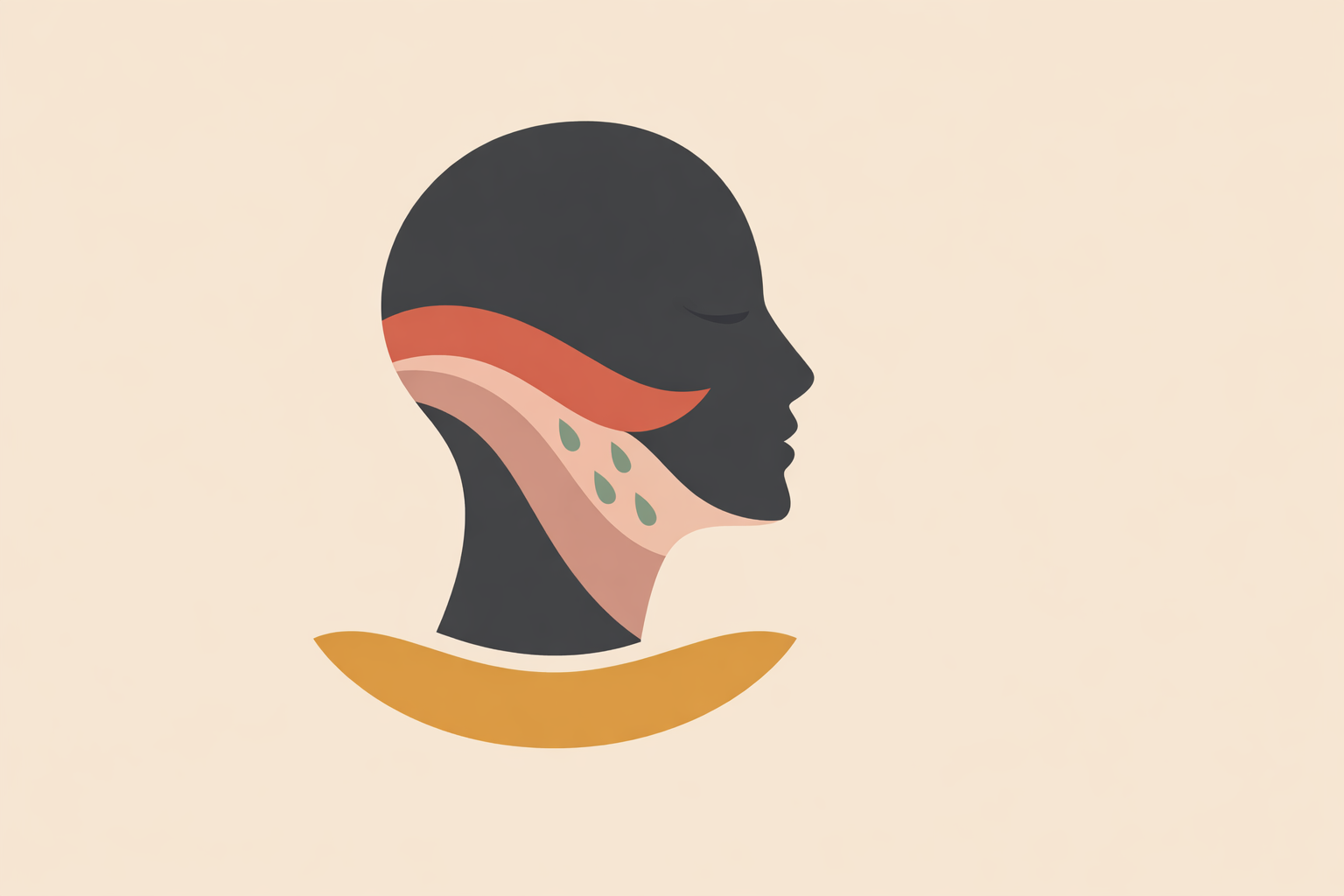
A true lymphatic facial massage is light, slow, and directional. It relies on gentle pressure—feather-light sweeps and small pumping movements—guiding fluid toward drainage points around the ears, jawline, neck, and collarbones.
This works best because the facial lymph network is below the skin. Deep kneading can miss the target and leave the tissues feeling overstimulated.
Pressing harder doesn’t improve results. In real sessions, too much force often dulls the subtle responsiveness you’re trying to encourage, while very light touch tends to create the cleanest visual shift.
Skilled sequencing starts away from the center of the face. Many practitioners begin with neck and collarbone work to open pathways before moving upward.
From there, the basic directions stay consistent:
- Center of forehead toward the temples
- Inner eye area outward
- Sides of the nose toward the cheeks and temples
- Chin along the jaw toward the ears
- Always finishing down the neck toward the collarbones
Direction and sequence make the difference here, not intensity. That’s why a short routine can still be effective:
- 6 soft pumps above each collarbone
- 6 light strokes down each side of the neck
- 6 sweeps across the forehead to the temples
- 6 under-eye sweeps outward
- 6 nose-to-cheek sweeps outward
- 6 jawline sweeps from chin to ear
- Finish with long glides down the neck
How much sculpting to expect, and how long it lasts
Lymphatic facial massage can refine facial contour for a few hours, but it won’t change bones, fat pads, or long-term structure. Visible sculpting is typically temporary (4–6 hours).
That timing is exactly why it fits event-day needs so well. The peak effect usually falls in the same window as makeup, cameras, and face-to-face plans.
Most of the time, the shift is subtle and flattering: less under-eye puff, a cleaner jaw outline, and more cheek definition when fluid is the main factor. Reviews of manual lymph techniques also describe swelling reductions immediately after focused work, which mirrors what many facial practitioners see in everyday sessions.
Expert commentary likewise notes that changes can last 4–6 hours and sometimes carry into the day.
This makes expectation-setting straightforward: it’s a time-sensitive reset, not a permanent transformation. A helpful client-friendly frame is that the face can look crisper this afternoon, then gradually return to its baseline as normal fluid patterns reassert themselves.
Who responds best to facial lymphatic work
The most visible changes tend to show up in fluid-prone faces. People who wake with puffy eyes, feel fuller after late nights, or notice swelling after flights, alcohol, or salty foods often see the quickest payoff.
The under-eyes and lower cheeks are common “tell” areas. Some reporting has described under-eye fluid improving for certain participants, which matches the day-to-day practitioner experience of noticeable de-puffing there.
Self-massage guidance also reinforces the same basic map: stroking toward neck and collarbone to ease facial fullness.
When facial shape is driven more by fuller fat pads, skin laxity, or bone structure, lymphatic-only work usually creates a smaller visual shift. Even then, many clients still enjoy the softened, less held feeling it leaves behind.
Three quick questions can help predict the response:
- Do you wake up puffier than you look later in the day?
- Do travel, alcohol, or salty meals make your face look fuller?
- Do your under-eyes or lower cheeks fluctuate noticeably from day to day?
If the answer is yes to two or more, visible de-puffing is often a good bet.
Technique details that make the biggest difference
The best results come from basics done beautifully: neck first, very light pressure, clear direction, and thorough finishing strokes.
Starting with the neck and collarbones tends to improve the overall outcome. Many how-to guides begin by working down the neck toward the collarbone before moving onto the face.
That sequence matters because fluid needs somewhere to go. When the lower pathways aren’t prepared, cheek and jaw work can look underwhelming, as if the face “cleared” partway and then stalled.
Finishing strokes matter just as much as the opening. After working the face, glide down the neck again toward the collarbones to complete the pathway.
Pressure is a frequent stumbling point. Too much force can irritate skin and reduce the responsiveness you want. Slow, consistent, very light contact is usually the sweet spot.
If slip is needed, keep it minimal. A small amount of face oil or serum can reduce friction without turning the work into a slippery, fast rub.
A dependable three-minute jawline reset can look like this:
- 30 seconds of soft pumps above the collarbones
- 30 seconds of light neck strokes
- 1 minute of slow chin-to-ear jaw sweeps
- 1 minute of ear-to-collarbone finishing glides
Common mistakes include:
- Starting at the cheeks before preparing the neck
- Using deep, forceful pressure
- Moving too quickly
- Skipping the final neck drainage strokes
- Chasing muscular “lift” instead of fluid movement
Where traditional wisdom and current research meet
Traditional facial massage has long spoken about moving stagnation, refreshing the face, and restoring brightness. People still recognize that experience immediately: careful touch can leave the face feeling lighter, more open, and more alive.
From a modern lens, parts of the picture are supported, while the cosmetic facial evidence base is still developing. Expert summaries note limited evidence for some appearance-based claims, especially when results rely on subjective ratings.
Traditional practice still stands on its own merits: consistent, skilled touch produces consistent, observable short-term changes for many people. Integrity comes from keeping claims proportional to the result, and being careful with promises of lasting sculpting or permanent lifting.
The same applies to gua sha and related tools. Many clients enjoy the ritual and feel lighter afterward, while controlled long-term evidence for facial lymphatic clearance remains limited. In practice, the quality of the hand guiding the tool is what shapes the outcome.
There’s also a human side that matters. Slow touch, steady attention, and a deliberate pause can shift how someone carries tension in the face and neck, much like broader point-based work or soft-tissue sessions can help someone settle. Traditional lineages have always valued that, and it fits neatly alongside modern explanations of fluid movement.
A useful way to frame it with clients is: this work supports short-term visible refinement by encouraging fluid movement, and it often leaves the face feeling calmer and less held.
How to integrate lymphatic facial sculpting ethically into practice
Lymphatic facial sculpting works best when it’s offered with clear timing and realistic promises. For events, it fits naturally as a same-day or day-before session focused on reducing puffiness and refining contour for a limited window.
For ongoing support, many practitioners use a flexible rhythm: some clients enjoy a few sessions a week for maintenance, while others prefer a brief home ritual. Present it as adjustable rather than a fixed rule.
Light self-massage is widely described as generally safe when the skin barrier is intact and the touch stays gentle.
It also helps to place puffiness in context. Sleep, stress, travel, alcohol, salt, and tension through the face and neck can all change how the jaw and lower face read. When that tension softens, the face often looks less heavy, even if the change is understated.
More pressure or longer sessions don’t improve results. Overdoing it can lead to massage irritation like redness, so keep timing measured and contact light.
A simple pre-event protocol might include:
- 5 minutes of collarbone and neck preparation
- 10 minutes through the eyes and mid-face
- 10 minutes of jaw and lower-cheek work
- 5 minutes of finishing neck glides
- 5 minutes of quiet integration and final skin support
Useful expectation-setting phrases include:
- “You’ll likely look fresher and more defined today, especially if your face tends to hold fluid.”
- “This is a short-term sculpting effect, so enjoy it in the next few hours rather than expecting it to stay permanently.”
- “If mornings are your puffiest time, a short home ritual can help maintain the effect between sessions.”
Does lymphatic facial massage work for sculpting?
Yes, as long as sculpting is defined as subtle, short-term refinement through fluid movement. Lymphatic facial massage can make the face look less puffy and more defined for several hours, especially for people whose fullness fluctuates.
Its value is in precision and honesty: light touch, clear direction, a neck-first sequence, and grounded communication about what the work can and cannot do.
Traditional practice describes it as helping heaviness move and brightness return. Modern language describes it as supporting superficial fluid shift so natural contours read more clearly. Both belong in the same room. Cautions are simple: keep pressure gentle, avoid overworking irritated skin, and refer out for any concerning swelling or sudden changes that don’t match a typical fluid pattern or broader red flags.
Master Facial Sculpting Therapy
Build ethical, effective techniques in the Facial Sculpting Therapist Certification to support de-puffing and event-day contour refinement.
Explore Facial Sculpting Certification →