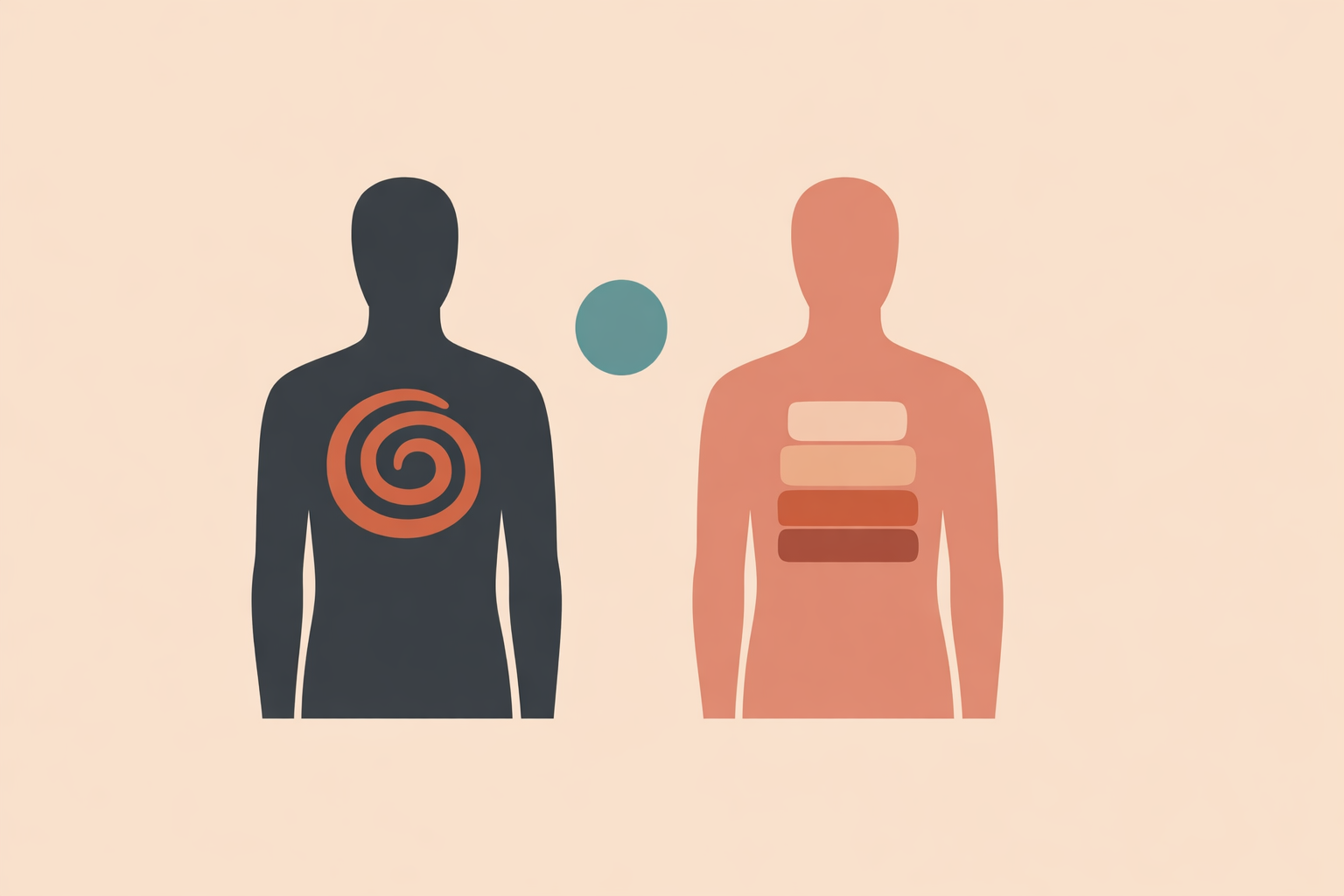


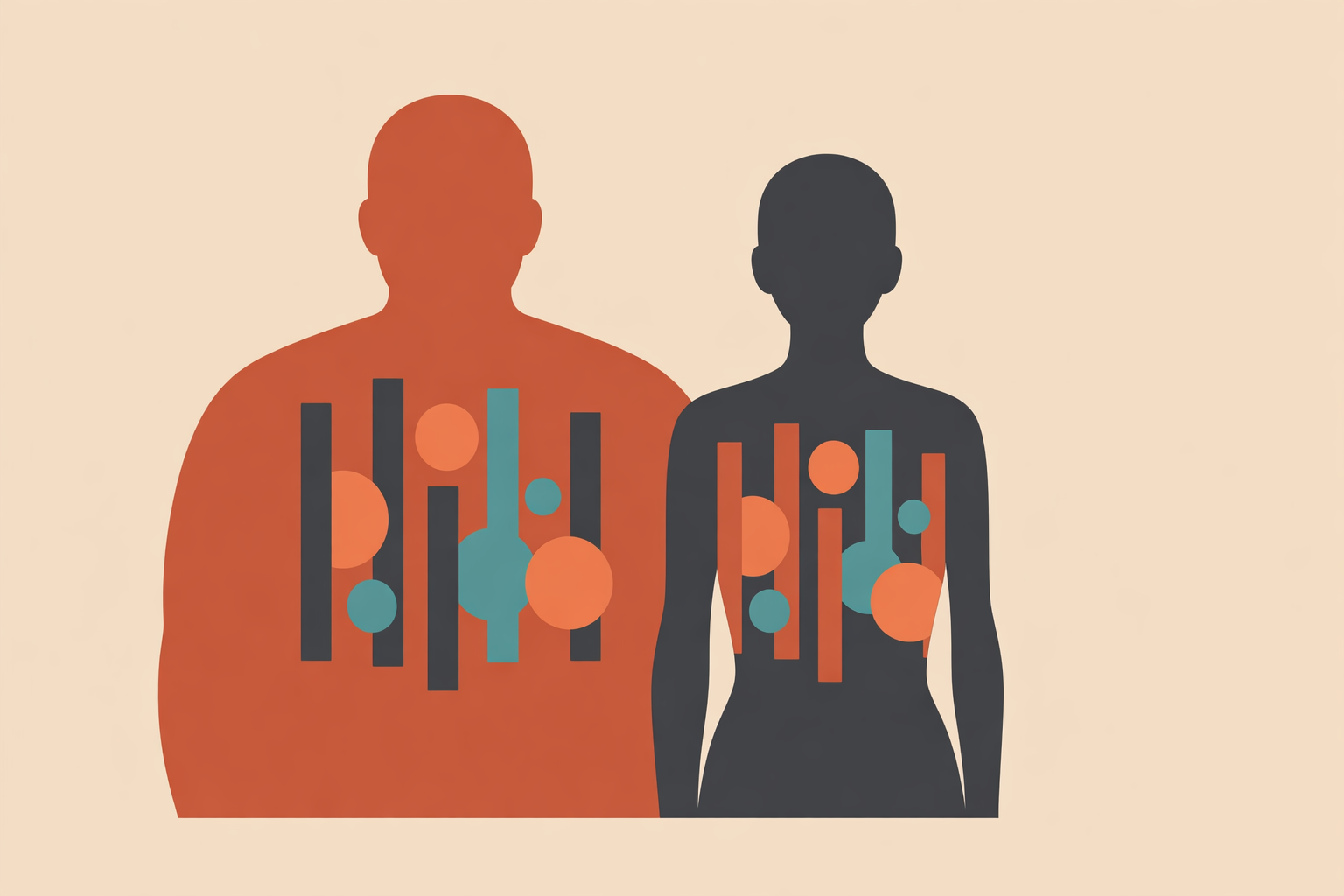
Across gyms, classrooms, and community spaces, higher-weight clients are often praised for patterns that would raise concern in a thinner body: longer fasts, narrower food lists, extra workouts, and secrecy around meals. That is what makes OSFED so easy to miss. The issue is not body size. It is the pattern underneath: increasing rigidity, distress, and disruption to daily life.
Key Takeaway: OSFED in higher-weight clients is often overlooked because culturally rewarded behaviours can mask struggle. A behaviour-first, weight-inclusive lens helps you notice risk earlier by focusing on restriction, loss of control, compensatory patterns, preoccupation, and impairment rather than appearance alone.
OSFED beyond the thin-body stereotype
When weight is no longer treated as the main signal, OSFED becomes clearer. It describes eating- or body-related patterns that create significant distress or impairment, even when they don’t fit every criterion of another named category.
Atypical anorexia is a common example: intense restriction, fear of weight gain, and behaviours aimed at preventing weight gain can be present even when someone remains in an average-size or higher-weight body. In supportive settings, you may notice this before any label is ever used: the person is exhausted, socially squeezed by food rules, and increasingly distressed.
Higher-weight clients may also experience binge–restrict cycling, loss-of-control episodes, purging patterns, or mixed presentations. The outside may not change in the way others expect, but the inner strain can still be heavy.
A scope-appropriate opening can be simple: “I’m not here to label anything. I’m noticing food seems to be feeling narrower and more stressful. Would you feel okay sharing what eating has been like lately?”
Key sign 1: Restriction and rapid change framed as discipline
Restriction is often the most missed sign in higher-weight clients because it’s so frequently rewarded. Skipped meals, escalating fasting, shrinking “safe food” lists, and multiplying food rules can be applauded as structure and self-control.
Guidance highlights severe restriction as a warning sign that can be hidden by assumptions about body size. The emotional tone is often the giveaway: anxiety when plans change, shame after eating, panic around flexibility, and a growing sense that rules are running the day.
Traditional fasting practices deserve respect here. Fasting connected to faith, ancestry, or seasonal rhythm can be deeply supportive. What matters is whether the practice stays flexible and meaningful, or becomes rigid, isolating, and fear-driven.
Questions that help:
- “How often do plans around food or fasting change at the last minute, and how do you feel when they do?”
- “What happens if you miss a meal or eat something outside the plan?”
- “How much time are you spending tracking calories, macros, or portions compared with a month ago?”
A neutral note might read: “Past month: increased fasting, skips shared snacks, adds extra movement after eating; reports panic when food plan changes.”
Key sign 2: Loss of control, secrecy, and cycles around food
Some OSFED patterns revolve less around restriction and more around cycling: tight control followed by episodes that feel chaotic, secretive, or hard to stop. These moments are often dismissed as overeating, but the core feature is the felt loss of control.
This can include eating rapidly, eating past comfortable fullness, eating in secret, or feeling intense shame afterward. OSFED can also involve these patterns when they occur less frequently than another category requires.
Secrecy is a meaningful signal. Hiding food, avoiding shared meals, or eating alone from embarrassment often points to rising shame. Context matters too: when access to food is inconsistent, binge–restrict patterns can reflect scarcity and stress as much as internal rules. Guidance notes the role of food insecurity in shaping these cycles.
Questions that open the conversation:
- “When you say you feel out of control, what does that experience feel like in the moment?”
- “Are there certain times of day, situations, or emotions that tend to lead into it?”
- “How do access, budget, or routine affect what and when you eat?”
A neutral note might read: “Reports evening episodes of rapid eating alone, followed by shame and morning fasting; avoids shared meals due to body-related comments.”
Key sign 3: Compensatory behaviours and compulsive movement
Another missed pattern is the urge to “undo” eating, whether after loss-of-control episodes or ordinary meals. This can include fasting, vomiting, laxative use, diuretics, weight-loss products, or exercise used as punishment rather than support.
Because diet culture often praises intensity, these behaviours can be normalized in higher-weight clients. Guidance flags driven or compulsive exercise as a warning sign, especially when movement continues through exhaustion, illness, injury, or strong distress.
Some compensatory patterns stay largely out of sight, such as private vomiting, strict fasting, or reliance on bowel-clearing products. In some cases, people living with diabetes may use insulin manipulation for weight-focused reasons, which calls for careful, scope-aware support.
Helpful questions include:
- “How do you feel on days when you rest or move more gently?”
- “Do you ever feel pressure to make up for eating?”
- “Have there been any patterns with laxatives, diuretics, teas, or other products meant to offset food?”
A neutral note might read: “Adds intense cardio after meals most days; distressed if unable to exercise; reports periodic cleanses after celebrations.”
Key sign 4: When food and body concerns take over daily life
Sometimes the clearest signal is how much mental space the pattern takes up. Food, weight, and shape can begin to dominate planning and self-worth, even when someone appears “fine” from the outside.
Common signs include recurrent body checking, reassurance seeking, mirror rituals, pinching or measuring, and self-evaluation that rises and falls with body scrutiny. People may also pull back from meals, gatherings, travel, intimacy, or ordinary social contact, and that social withdrawal can deepen the struggle.
Physical changes also matter across the weight spectrum. Ongoing fatigue, dizziness, feeling cold, faintness, hair or skin changes, and menstrual changes are among the physical changes that can accompany disordered eating patterns.
Two useful questions are:
- “How much of your day would you say is taken up by thoughts about food or your body?”
- “What parts of your life have become harder because of this?”
A neutral note might read: “Daily thoughts heavily focused on food/body; avoids shared meals; frequent mirror checking; reports fatigue and feeling cold.”
Key sign 5: When stigma, identity, and culture blur the picture
OSFED is missed not only because of the behaviours, but because bias reshapes how those behaviours are interpreted. Reviews describe weight stigma as both a risk factor and a barrier to support. When higher-weight people are expected to restrict, overexercise, or chase weight loss at any cost, warning signs are easier to dismiss.
Identity affects recognition too. Persistent stereotypes about who “counts” as someone who struggles with eating and body concerns can delay support for men, older adults, disabled people, LGBTQIA+ people, people of colour, and people under financial strain.
Cultural and spiritual food practices also deserve humility. Feasting, fasting, and food choices tied to ancestry, devotion, or community are not problems by default. The key question is whether the practice stays flexible and connected, or becomes secretive, rigid, and compensation-focused.
Questions that hold both respect and awareness:
- “What does this practice mean to you and your community?”
- “How flexible does it feel right now?”
- “What happens emotionally if the routine changes?”
A neutral note might read: “Fasting linked to spiritual practice; current pattern increasingly rigid and secretive; high distress when routine is interrupted.”
Supporting within scope with a behaviour-first lens
When OSFED shows up in a higher-weight client, the most grounded response is to stay with behaviour, distress, and impact. Don’t wait for someone to “look unwell” by cultural standards. When a pattern becomes rigid, secretive, compensatory, escalating, or life-limiting, it deserves careful attention.
In awareness-level roles, and especially within mental health frameworks, it can help to:
- Ask permission before discussing food, movement, or body concerns.
- Use neutral, behaviour-first language rather than praise or alarm.
- Document specific patterns and their impact on daily life.
- Use screening tools to open conversation, not to conclude it.
- Encourage additional support from an appropriately qualified professional when concerns deepen.
- Respect cultural practices while staying alert to rising rigidity, shame, and isolation.
Traditional frameworks often emphasize pattern, balance, and the way daily rhythms affect the whole person. That perspective pairs naturally with a weight-inclusive approach: you watch what’s tightening, what’s being pushed to extremes, and what it’s costing someone in energy, connection, and peace of mind.
Keep your concern guided by what the person is living through, not by appearance. In higher-weight clients especially, a behaviour-first, weight-inclusive lens makes what is otherwise easy to miss much easier to see, and a foundation in eating disorder awareness can support that work.
Train in Eating Disorder Awareness
Build practical, scope-aware skills with the Eating Disorder Awareness Coach Certification to spot risk beyond weight stereotypes.
Explore the Certification →