Coaching conversations can easily break life into separate topics: boundaries, routines, motivation, relationships. Yet most challenges live in the connections. A late-night message affects sleep, sleep shapes the morning, and the morning ripples into family rhythm, focus, and confidence. When those links stay unseen, the same strain keeps resurfacing.
Ecosystem mapping makes the web visible. You and your client create a shared picture of the people, places, platforms, practices, and pressures around one specific area of life. Instead of trying to change everything, you find one leverage point and design one small shift that supports the wider system.
Key Takeaway: Ecosystem mapping turns scattered details into a practical whole-system picture. Used well, it helps clients see relationships, value flows, stress points, and hidden supports, so one focused action can create steadier change over time.
Why ecosystem mapping belongs in holistic coaching
Holistic coaching works because life is connected. Work affects rest, rest affects mood, mood affects relationships, and relationships affect follow-through. A map lets you see those influences in one place.
At its core, ecosystem mapping offers a system-level view of the roles, relationships, and exchanges shaping a person’s environment. Once the structure is visible, the conversation naturally shifts toward patterns, flows, and context.
Clients usually recognize themselves in the map quickly because it matches lived reality: family, community, digital spaces, daily rhythms, and personal practices all interacting at once, including traditional supports that have carried people for generations.
A strong map also gives direction. It can reveal nourishing and draining relationships, underused sources of support, overloaded pressure points, and missing links that deserve attention.
Quick example: A client maps “stable mornings” and spots a draining link between a late-night work chat and sleep. That single visual cue supports a simple experiment: mute notifications after 9 p.m.
From scattered details to a whole-system story
What starts as separate remarks becomes one coherent story when it’s all on the page. “My sister messages late,” “I want to return to prayer,” and “work never fully switches off” stop sounding unrelated once you can see the connections.
This is the quiet power of mapping: it can hold ancestral practices, kinship ties, community belonging, digital habits, and responsibilities side by side without forcing one to outrank the others. Traditional ways of staying resourced and modern realities both get named clearly.
Some practitioners prefer digital maps, especially for remote sessions or quick updates between conversations. Paper works just as well. The value stays the same: the client sees a living ecosystem rather than a list of “separate problems.”
Step 1: Set the frame clearly
Start by explaining what you’re doing and why. A clear frame steadies the session and builds trust.
Keep it simple: you’re building a visual picture of the people, environments, and practices around one goal, then choosing one small shift to test. Agree together on what the map is for and how it will be used after the session.
Name confidentiality, practical boundaries, and consent in plain language. If the client prefers, use initials, roles, or symbols instead of full names. The aim is usefulness, not documentation.
Good systems work begins with a clear question. In stakeholder and ecosystem facilitation, framing the question comes before mapping the surrounding actors and links.
- Simple script: “Today we’ll map the people, environments, and patterns around your energy after work. We’ll look for one useful shift to test, and you can decide what gets included.”
Step 2: Choose one ecosystem, not the whole life
Keep the scope tight. Mapping everything at once usually creates clutter rather than insight.
Pick one ecosystem that fits the conversation: “weekday energy,” “returning to creative practice,” “food rhythm at home,” or “support around a career transition.” A focused map stays readable and easier to act on.
A practical session rhythm is often 40 to 60 minutes. In facilitation settings, 60 minutes is a common structure for stakeholder-style mapping, and it adapts smoothly to coaching.
A helpful flow is: set focus, build the map, then choose action. One facilitation agenda frames this as goals, mapping, actions, and next steps, which aligns well with coaching sessions.
- Example 50-minute structure:
- 5–10 minutes: clarify the focus
- 15–25 minutes: build the map
- 10–15 minutes: read patterns and choose an action
If other topics appear, capture them for a future map. That keeps this session grounded and effective.
Step 3: Co-create the map with the client
Whenever possible, let the client draw. Co-creation builds ownership and often brings insight faster than a coach-led version.
Place the client at the center, then add the people, places, communities, practices, and systems shaping the chosen goal. In ecomap guidance, mapping relationships collaboratively helps identify supports, stressors, and resource gaps more clearly.
If it helps, use simple rings: inner ring for daily influences, middle ring for regular influences, outer ring for broader conditions. The format matters less than whether it feels true to the client’s experience.
Invite the client to choose the language for each node. This is where respect for cultural roots is most tangible: let the client name what belongs in their world, in their own terms.
Facilitation guides often ask participants to place stakeholders on the map and talk through why they sit where they do. That conversation is often where the pattern reveals itself.
- Worked example: Maya maps “returning to creative work.” Her inner ring includes her partner, mentor, studio corner, morning ritual, and art group chat. The middle ring includes her day-job team, niece, and movement class. The outer ring includes landlord pressure, social media, local events, and her grandmother’s quilting circle.
Step 4: Map relationships, flows, and energy quality
Once the key elements are on the page, draw the connections. This is where the map starts to speak.
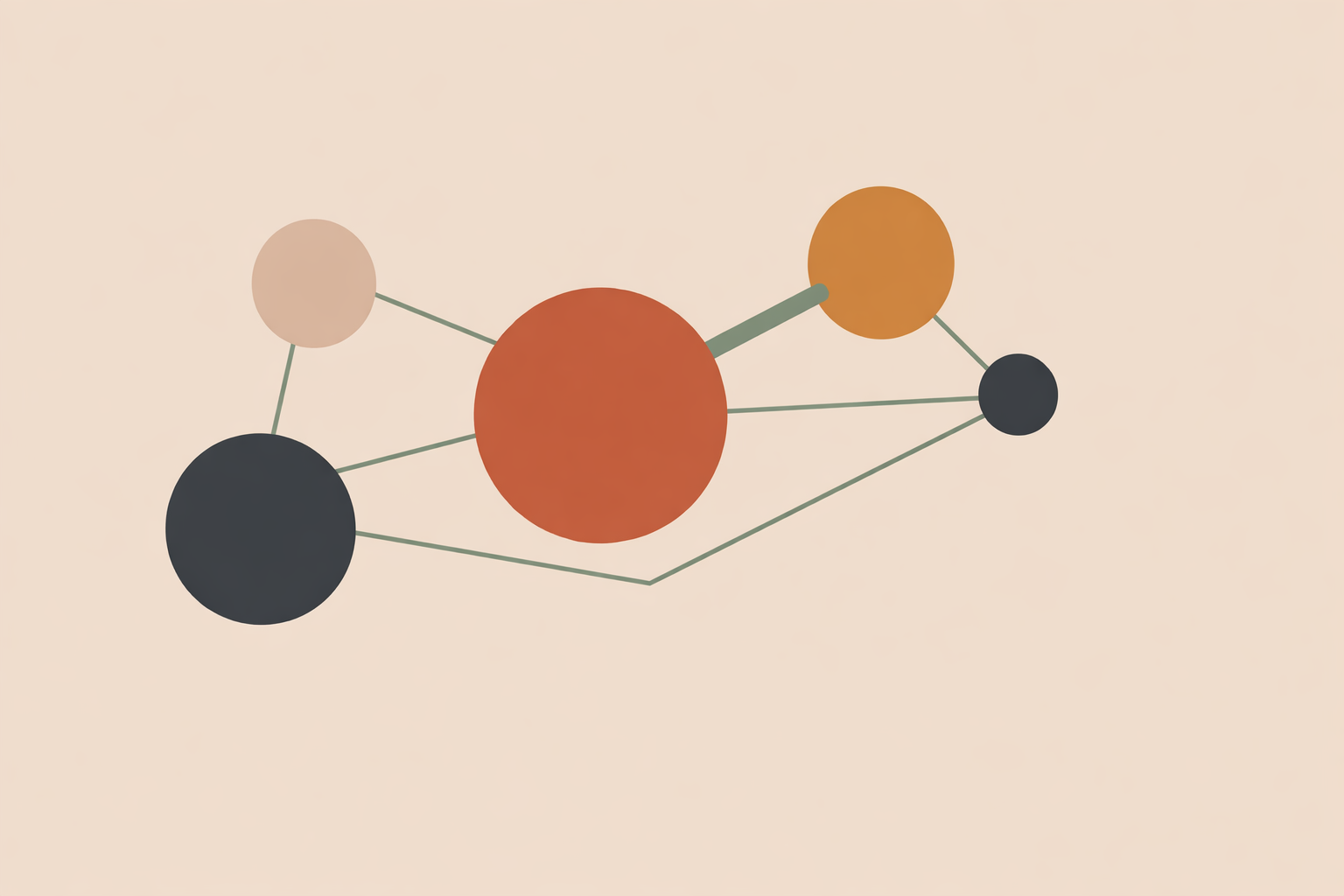
Use simple visual codes and keep them consistent. Solid lines can show nourishing relationships, zig-zags can show strain, and dotted lines can show mixed impact. Line thickness can show intensity.
Add arrows when direction matters. In ecomap practice, direction of flow can reveal where someone gives far more than they receive.
Then label what actually moves across each connection. Ecosystem mapping guidance recommends noting types of value exchange such as time, information, money, care, access, encouragement, or practical help. In coaching, you can also include attention, steadiness, inspiration, accountability, or spiritual nourishment.
This step often deepens honesty. A connection becomes more than “my workplace” or “my friend”; it becomes “last-minute demands,” “quiet company,” “encouragement,” or “rides.”
- Simple legend:
- Solid line = nourishing
- Zig-zag line = draining
- Dotted line = mixed or unclear
- Arrow = direction of giving/receiving
- Short label = what moves along the link
Vignette: On Maya’s map, the link with her mentor is solid, thick, and two-way, labeled “feedback” and “introductions.” The link from Instagram to Maya is thin and draining, labeled “comparison spiral.”
Step 5: Read the map for patterns, stress points, and hidden support
Slow down and interpret the picture together. Stay curious and grounded.
Look for patterns: overloaded hubs, isolated supports, fragile links, or repeated drains. Ecosystem maps create shared understanding around relationships and flows, which makes complexity easier to discuss.
Ask clear questions:
- Where does a lot of pressure collect?
- What support is present but underused?
- Where is the client giving more than they are receiving?
- What link seems to affect several other parts of the map?
- What is missing altogether?
This is often where hidden support appears. A client may notice an elder, a community tie, or a familiar practice that looked “small” on the page but offers deep steadiness.
As a visual tool, ecosystem mapping can help teams understand complexity, and the same strength supports one-to-one work when a client thinks best by seeing the whole structure.
- Pattern in action: Maya realizes her manager is the gatekeeper for schedule flexibility. When that link is strained, her creative rhythm collapses. She also notices her grandmother’s quilting circle offers more courage and continuity than she’d been giving it credit for.
Step 6: Turn the insight into one leverage-point experiment
Choose one point where a small shift influences the wider pattern. One experiment builds momentum without overwhelming the client.
Make the action specific, realistic, and easy to observe over the next week or two. Strong experiments are usually modest: a boundary, a conversation, a support habit, a changed environment, or a simpler rhythm.
Use the map to choose where it belongs: a draining connection, a missing support, or an unbalanced exchange. The goal is movement and learning.
- One-week experiment example:
- Leverage point: the late-night work chat is affecting sleep
- Experiment: mute notifications from 9 p.m. to 7 a.m.
- Support action: prepare one respectful sentence to explain the new boundary if needed
- Success signal: five calmer mornings in the coming week
Step 7: Close the session and revisit the map over time
Close gently. Mapping can bring relief, grief, tenderness, hope, or surprise when the whole picture comes into view.
Take a moment to ground: a pause, a breath, a sip of water, or a simple question about what stands out most now.
Then date the map. In ecomap practice, dating the map helps show how situations change over time, so the visual becomes a useful snapshot to revisit.
The map also supports future sessions because the structure is already there. You can spend less time re-explaining and more time noticing what shifted.
If you work digitally, the client can update the map between sessions. If you work on paper, a secure photo is often enough. Either way, remind the client the map is meant to evolve.
If the exercise surfaces material beyond your scope, hold your role clearly and support the client in choosing an appropriate next step.
Bringing ecosystem mapping into regular coaching practice
Ecosystem mapping brings a client’s world into one place: visual, relational, and grounded in real life. Instead of chasing separate issues, you work with the wider pattern that holds them together.
With regular use, mapping becomes a steady companion in coaching. It supports sense-making, deepens collaboration, and helps both coach and client stay honest about what is shaping progress within a systems thinking approach.
Used with care for context, it naturally makes room for family structures, cultural practices, community ties, digital habits, environment, and personal rhythms. That wholeness is the point, especially in purpose and life design work.
To finish where you began: see the whole, choose one leverage point, and let the next step emerge from a clearer picture. As with any reflective tool, handle maps thoughtfully—store them securely, use only what the client consents to include, and stay within your professional boundaries.
For coaches building a more repeatable practice, the same clarity can also support integrative wellness coaching systems with clearer boundaries, stronger follow-through, and a process clients can trust.
When this kind of whole-system lens becomes central to your work, systems-based life coaching offers a direct way to deepen the method in practice.
Master systems-based coaching
Apply ecosystem mapping more confidently with the Systems Based Life Coaching Certification.
Explore Systems Based →