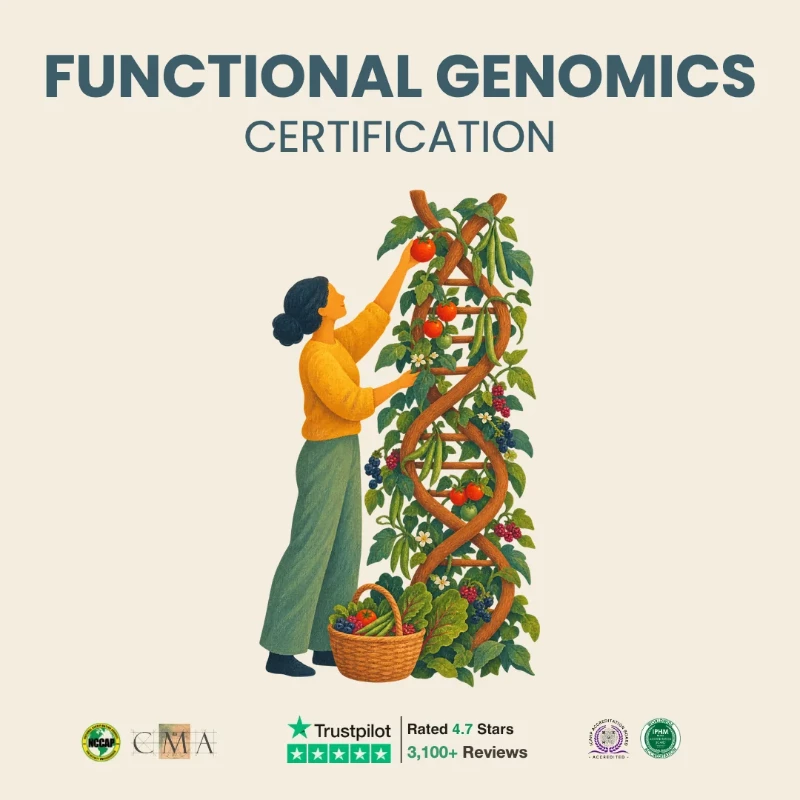
Clients are arriving with biological-age printouts, talking about “switching genes on and off,” and asking for “epigenetic” meal plans. In a single session, it’s easy for that to pull the focus away from what actually changes a client’s day-to-day life.
The most helpful move is also the simplest: bring the conversation back to patterns. Epigenetics can be a useful way to explain how food, movement, rest, stress, and environment shape well-being over time—without turning coaching into a debate about the latest test.
Key takeaway: Epigenetics works best as plain language for modifiable habits—not as destiny, and not as a sales hook. The real win is helping clients move from fascination with reports and headlines toward steady, repeatable routines.
Key Takeaway: Use epigenetics as a simple coaching bridge from tests and headlines back to repeatable daily patterns. When clients focus on consistent meals, movement, recovery, and stress support, they build conditions that can influence biological expression over time without turning “gene switching” into a rigid identity or destiny.
Why clients are talking about epigenetics now
The idea is naturally compelling: everyday choices can influence how genes behave. It gives a visible story to invisible processes, and public-facing education often explains that everyday choices can influence gene activity without changing the DNA sequence.
Epigenetics also isn’t niche anymore. Scholarly work notes its growing presence in public discourse, and that wider visibility blends easily with personalized nutrition, wearables, and “biological age” trends.
Curiosity isn’t a problem—it’s an opening. When you meet it with calm, practical language, it naturally leads clients away from magical thinking and toward habits they can sustain.
Genetics vs epigenetics: the clearest way to explain it
Clients don’t need a textbook definition. They need a picture that helps them act. A reliable one is: genetics is the hardware; epigenetics is the software that influences how that hardware runs.
Genetics is the DNA sequence. Epigenetics describes patterns that influence how strongly, weakly, or when genes are expressed. Put simply, the sequence is more stable, while epigenetic activity is more responsive to lived experience—often described as dynamic.
If that metaphor doesn’t land, swap it: DNA is the instrument; epigenetics is the sheet music. Or DNA is the lamp; epigenetics is the dimmer switch. The point is the bridge you build next: “This is why your routines matter.”
Genes are not destiny, but they are not irrelevant either
The balance most clients need is steady and simple: your DNA matters, but it isn’t your fate. Some epigenetic patterns are more fluid—and that’s where consistent coaching rhythms become meaningful.
Many explanations also note that some epigenetic changes can be reversible, and that they’re shaped by factors like nourishment, movement, life experience, and access to resources. Essentially, people may share inherited tendencies and still unfold differently over time.
Traditional practice has carried this truth for generations. We inherit tendencies, yet daily ritual shapes how those tendencies express: food quality, meal rhythm, rest, movement, stress load, and social environment all matter. Epigenetics doesn’t replace that wisdom—it often gives clients a modern language for understanding it.
That’s also why the phrase “switch genes on and off” benefits from softening. It’s catchy, but too absolute. A more accurate coaching message is: habits influence biological expression over time—usually through many small inputs repeated often.
How to turn epigenetics into everyday food and lifestyle choices
The most practical use of epigenetics isn’t elaborate theory. It’s reinforcing simple, consistent patterns your client can actually live with.
Start with the broad picture. Instead of chasing “epigenetic superfoods,” anchor clients in repeatable meals: plant-rich plates, enough protein, varied fibers, supportive fats, and a meal rhythm that fits their real week.
Traditional food culture supports this beautifully. Daily table habits often matter more than individual ingredients. Think of it like steering a boat: small, steady course-corrections beat one dramatic turn.
In practice, these are usually the highest-yield levers:
- Food pattern: Build meals around vegetables, legumes, whole grains, herbs, spices, quality fats, and appropriate protein.
- Fiber diversity: Rotate plants regularly. Many practitioners see that a wider range of fibers supports digestive resilience and steadier energy.
- Movement rhythm: Encourage daily walking plus a few weekly sessions that challenge strength or cardiovascular capacity.
- Rest and recovery: Sleep, spacious evenings, and recovery days are part of the plan—not extras.
- Stress regulation: Breathwork, quiet sitting, prayer, journaling, chanting, time outdoors, or other grounding rituals can help clients feel more steady over time.
When clients want specifics, keep the message grounded: “We don’t need a perfect protocol. We need repeatable inputs your body can recognize.”
Food, microbes, and the body’s response to environment
This topic resonates because it helps clients understand something they already sense: the body responds to patterns, not just calories or willpower. Food is nourishment—and it’s also information.
In practice, when people increase plant variety, return to more traditionally prepared foods, and reduce dietary chaos, they often report feeling more stable: digestion becomes more predictable, energy smoother, and cravings less intense. That lived experience is why microbiome discussions often sit naturally beside epigenetics.
Many long-standing food cultures have always emphasized rhythm: rotation, seasonality, herbs and spices, broths, soaking, fermenting, and shared mealtimes. These aren’t trends—they’re patterned ways of eating that support adaptability.
So even if a client starts with genes, your coaching answer can stay familiar: cook more, vary plants, respect appetite, eat with consistency, and build a meal pattern your life can hold.
Honoring traditional foodways without romanticizing them
Traditional foodways deserve respect—not because they’re automatically perfect, but because they often carry generations of practical, place-based wisdom about nourishing people in context.
Many traditional cuisines are plant-forward, fiber-rich, and generous with herbs, spices, and fermented foods. They also tend to be seasonal, social, and tied to place. Those qualities can support continuity, identity, and a steadier relationship with food.
For practitioners, it helps to ask better questions:
- What foods feel like home to you?
- What did your family cook regularly?
- Which staples leave you feeling genuinely nourished?
- What traditions do you want to keep, rebuild, or adapt?
This keeps coaching culturally respectful and more sustainable. It also helps keep family foodways in view and prevents a common mistake: replacing meaningful food traditions with generic wellness rules that look polished, but don’t hold up under real life.
Modern research can inform the conversation, but culture gives it traction. People follow through when guidance feels rooted rather than imported.
Sensitive territory: inheritance, pregnancy, and blame
Inheritance questions can bring up fear, grief, and guilt quickly, so this part of the conversation calls for steadiness.
One helpful frame is: family patterns may leave impressions, but impressions are not verdicts. What’s passed forward is complex, and turning that complexity into blame helps no one.
This matters especially around preconception and pregnancy. These are tender life stages, best approached without moral pressure. Keep guidance focused on nourishment, stability, and support: steady meals, nutrient-dense foods, appropriate supplementation where relevant, rest, and emotional steadiness.
If a client spirals into “Have I already done damage?” bring them back to the present. You might say:
“You did the best you could with the tools and support you had. Today we build the next layer.”
That tone protects dignity while keeping the conversation practical and forward-moving.
How to speak about testing and biological age in sessions
Testing can be interesting, but it shouldn’t become the center of the coaching relationship. Reports work best as conversation aids, not verdicts.
If a client brings a genomic or epigenetic-age report, widen the frame. Remind them that numbers don’t capture the whole person: sleep patterns, stress load, eating habits, activity, social context, and recent life events all shape the bigger picture.
It can also help to normalize that epigenetic signals are often context-sensitive—more like a snapshot than a permanent label. What this means is clients don’t have to over-identify with a single result.
A practical coaching response can sound like:
- Curious client: “This area is evolving, but the useful part is that your daily habits still matter.”
- Test-focused client: “Let’s turn this report into two food shifts, one movement habit, and one recovery practice.”
- Overwhelmed client: “We don’t need to optimize everything. We need one steady next step.”
This keeps sessions action-led—and helps use DNA without overstepping, avoiding the replacement of lived change with endless interpretation.
Using epigenetics language as a practitioner
The strongest voice here is calm, respectful, and clear. You don’t need heavy technical language to sound current—and you don’t need hype to keep a client engaged.
Useful phrases include:
- “Your inherited pattern is one part of the story; your daily rhythm is another.”
- “We’re not chasing perfect genes. We’re building supportive conditions.”
- “Think less about control and more about influence.”
- “Small inputs, repeated often, shape outcomes over time.”
These lines empower clients without selling certainty. They also fit a traditional, whole-person approach—where the aim is supportive living, not reducing someone to data.
When in doubt, return to essentials: regular meals, diverse foods, movement, recovery, emotional steadiness, and realistic follow-through.
Conclusion: a steadier way to talk about genes and epigenetics
Epigenetics is most helpful when it brings people back to rhythm. It offers modern language for an older truth: lives are shaped not only by what we inherit, but by what we practice repeatedly.
So when clients arrive excited about gene switching, nutrigenomics, or biological age, there’s no need to debate or amplify the hype. Acknowledge the interest, simplify the idea, and guide them toward what still matters most: food quality, meal pattern, movement, rest, stress support, and cultural roots that make change feel livable.
As this field continues to evolve, genomic insights combined with epigenetic signals may help refine nutrition and lifestyle guidance. For now, the most ethical and effective use of the topic is steady: use the language to support practical routines, and keep tests in their proper place—as optional context, not the driver.
Master Functional Genomics Coaching
Apply these epigenetics conversations with confidence in the Functional Genomics & Nutrition Coach course.
Explore Functional Genomics & Nutrition Coach →