When a horse braces during grooming, crowds the farrier, or hesitates at the ramp, it’s tempting to reach for more control: firmer handling, faster exposure, or a stronger aromatic blend. In practice, that often adds pressure. Horses meet the world through scent, so heavy aroma can feel like one more demand on an already busy system.
Calm work lands best when it becomes co-regulation rather than control. With low-intensity, choice-based scent, aroma can become a familiar signal that says, “this moment is safe, predictable, and unhurried.”
Key Takeaway: Calm-focused equine aromatherapy works best with minimal exposure, clear choice, and consistent pairing. A gentle scent can become a familiar relaxation cue over time, especially when it is paired with quiet handling, repetition, and a horse-led pace. For most horses, less is more: start with very small amounts, favor softer options such as hydrosols when needed, and keep safety boundaries clear.
Why the equine nose sets the rules
The equine nose is remarkably sensitive, so the core rule is straightforward: use the minimum effective amount. Horse-focused guidance regularly highlights keen smell, which is why experienced practitioners keep sessions light and brief.
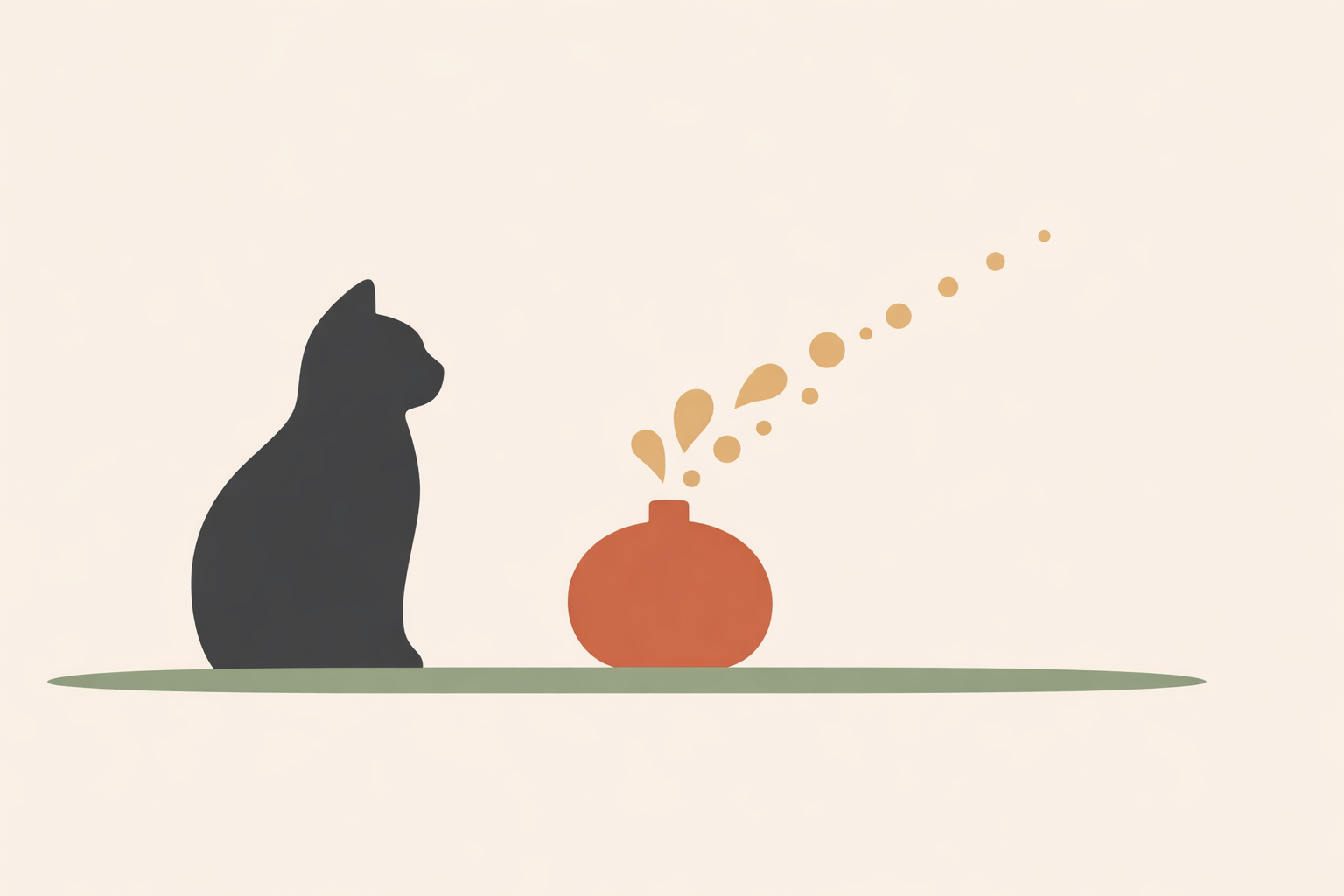
Often, one drop placed near the horse is plenty. Many safety educators suggest starting with 1 drop on a tissue rather than offering an open bottle or applying anything directly.
A simple offering method works well:
- Place one drop on a tissue or scent strip.
- Hold it well away from the muzzle.
- Let the horse choose to approach, pause, or turn away.
- Remove it if the horse shows tension or disinterest.
This keeps everything reversible. The horse isn’t being made to “tolerate” a smell; the scent is offered as information, and the horse decides what to do with it.
Best calming essential oils for horses: start with lavender and chamomile
When you’re building a calm-session toolkit, start small: one or two familiar plants instead of a complex blend. Simplicity makes the horse’s response easier to read and keeps your ritual consistent.
Lavender for transitions and everyday calm
Lavender is often the first choice because many horses accept it readily, and it’s easy for handlers to use the same way each time. It can be especially supportive around transitions: before grooming, before groundwork, or ahead of busy moments such as loading and hoof handling.
Over time, lavender can become a recognizable “start settling” signal. With repetition, associative learning allows the aroma to take on the emotional tone of the calm experience it accompanies.
A practical first use looks like this:
- One drop of lavender on a cotton pad
- Offer it at arm’s length
- Watch for softening: lower head, slower breath, quieter eyes, looser jaw
- Remove after a short pause rather than prolonging the exposure
The goal is recognizability, not intensity.
Chamomile and other gentle allies
Roman chamomile is a good next step for horses who prefer softer, rounder scents. It often suits horses that accept lavender but find it a little too present, or those who relax most through slow, steady handling paired with a subtle aromatic cue.
When the horse already welcomes the plant, chamomile can also work in diluted topical use on non-sensitive areas. A very light dilution on the crest or shoulder after groundwork can become a familiar “session complete” signal.
Other traditional calming allies can have a place, but starting with lavender or chamomile keeps your process clear, gentle, and easy to evaluate.
Hydrosols and macerates for sensitive horses
Not every horse wants essential oils, and sensitive horses often thrive with softer aromatic forms.
Hydrosols are a strong starting point because they contain only small amounts of aromatic compounds and feel noticeably gentler. Naturalistico’s distillation guide describes hydrosols as having a softer feel than essential oils, which makes them useful for a lighter introduction.
You can mist a hydrosol into the air near the working space, apply it to a grooming cloth, or include it in a quiet pre-session ritual. Many horses find this easier to accept than a concentrated oil.
Oily macerates can also be valuable. Herbs infused in vegetable oil bring a calming plant signal with a comforting tactile component, without the sharpness of an essential oil.
Dilution guidelines for calm-focused equine use
When topical use is appropriate, stay conservative. A common equine range is 1–2% dilution, and many calm sessions start below that.
As a practical baseline:
- 0.5–1% for first sessions
- Use only on non-facial areas
- Increase only if the horse clearly tolerates and welcomes it
For larger areas, suitable carriers include jojoba and coconut, along with olive or almond oil depending on coat, season, and your handling style.
If a horse is highly sensitive, start with hydrosols or macerates first and keep essential oils off the plan until preference is clearer.
How to run a consent-based calm session
The strongest calm sessions are quiet, consistent, and easy for the horse to understand. Choice sits at the center, and your job is to make “yes,” “no,” and “not now” all safe answers.
Start with one scent only. Offer it gently, then pause and observe before you add anything else.
- Choose a quiet, ventilated space.
- Use one drop on a pad or a very soft hydrosol presentation.
- Hold it at a distance; do not move it toward the horse.
- Wait for the horse to approach or ignore it.
- Pair any accepted scent with calm touch the horse already enjoys.
Watch body language closely. A “yes” might look like soft eyes, lowering the head, chewing, longer exhales, or resting a hind leg. A “not now” may look like nostril tension, turning away, lifting the head, stepping back, or general agitation.
Used consistently, the same gentle scent before groundwork can become a reliable signal through association. That’s where aroma becomes truly useful: as a stable ritual the horse understands.
Using aroma around farrier visits, handling, and loading
Once a horse recognizes your scent ritual as part of calm handling, you can bring it into common stress points without changing the method.
Good examples include:
- before the farrier arrives
- before trailer practice
- before groundwork in a new space
- before grooming if the horse tends to brace
Offer the scent first, keep exposure light, and follow it with predictable, familiar handling. Used thoughtfully and repeatedly, a consistent aroma ritual may support steadier stress responses.
For loading practice, you might begin 15 to 20 minutes before approaching the trailer with a brief scent offering, a few moments of quiet standing, then easy patterns the horse already knows. The aroma supports the emotional frame you’re building through skillful repetition.
Safety boundaries and ethical use
Most cautions in equine aromatics come back to one principle: do less, and observe more.
- Do not apply undiluted essential oils.
- Do not place oils in nostrils, ears, mouth, or other sensitive areas.
- Do not force inhalation by holding scent too close.
- Do not rely on strong aroma in enclosed spaces.
- Be careful with sun exposure after topical use.
Long-term safety data in horses is still limited, so conservative dosing, good ventilation, and ongoing monitoring remain the wisest standard.
Keep the work firmly within a well-being scope. Aroma can support handling, routine, and relaxation within animal wellness, alongside thoughtful training, good environment, and appropriate professional support when a horse is truly struggling.
Building a calm ritual that holds up in daily barn life
The calm rituals that last are usually the simplest. Pick one gentle scent, offer it the same way each time, pair it with quiet handling, and end early—before the horse gets overloaded.
A simple structure is often enough:
- pause together
- offer one scent
- watch for acceptance
- add quiet touch or grooming
- end on a settled moment
If you want to refine your approach, keep brief notes on posture, breathing rhythm, and whether the horse approaches, avoids, or seeks more contact. Those small observations help you shape a ritual that fits the individual horse and the reality of your barn routine.
That’s where equine aromatherapy becomes most valuable: a shared language of calm built through consistency, sensitivity, and trust.
Train in Animal Aromatherapy
Build safer, consent-based scent sessions with the Animal Aromatherapy Certification.
Explore Animal Aromatherapy →