When a client opens with “Is this low estrogen—and should I be on hormones?”, it can be tempting to overexplain or drift beyond your role. A steadier approach is to validate the distress, stay clear about what coaching covers, and focus on what you can genuinely support. Turning a session into test interpretation or protocol advice blurs roles, raises risk, and still leaves the client without the day-to-day skills that make midlife feel more workable.
Key Takeaway: Estrogen questions are common in midlife coaching, but they do not need to pull you out of scope. The most grounded approach is a two-track plan: support sleep, stress regulation, nourishment, movement, and self-observation on one track, while helping the client prepare for an informed conversation with a qualified health professional on the other. This keeps boundaries intact, reduces confusion, and creates real momentum.
Why estrogen questions can pull coaches beyond scope
Many clients arrive convinced estrogen is the master switch behind everything they’re feeling. Online content often compresses a complex transition into a single explanation, and coaches can get positioned as interpreters of labs, advisors on dosing, or troubleshooters for why a plan “isn’t working.”
Role clarity helps you stay supportive without stepping into decision-making. You can acknowledge that symptoms are real, note that estrogen may be part of the picture, and coach the daily inputs that shape how someone feels while they prepare for a fuller discussion with a qualified health professional.
This protects the client and strengthens the coaching relationship. It also keeps the work in your wheelhouse: pattern awareness, steady routines, emotional regulation, and practical follow-through.
When estrogen matters—and when the picture is broader
Not every midlife concern has one driver. Symptoms vary, which is worth naming when a client wants one tidy explanation.
In general, hot flashes and night sweats tend to track more closely with estrogen shifts. Fatigue, weight fluctuation, low mood, brain fog, and low libido are often influenced by overlapping inputs like sleep quality, stress load, mood patterns, medications, thyroid function, iron status, relationship strain, and plain depletion.
That wider lens often brings relief. When sleep breaks down and energy drops, the nervous system naturally looks for certainty, so “low estrogen” can feel like a clean answer even when real life is more layered.
You don’t need to debate the client’s theory. You just need to widen the frame enough to create useful next steps.
Set the frame early
The clearest boundary is often the kindest. Keep it short, consistent, and easy to repeat:
- I coach daily habits, mindset, and well-being in midlife, including women's health coaching foundations.
- I do not interpret lab work or advise on prescriptions.
- If you want to explore hormones or herbs, I can help you prepare questions, track patterns, and stay grounded in your goals.
That last line keeps the tone collaborative. It respects the client’s autonomy while keeping your role intact.
If asked directly, “Should I start hormones?” stay steady: that choice belongs with their health professional, and you can help them organize symptoms, priorities, and questions so the appointment is more productive.
A simple conversation map for estrogen-focused sessions
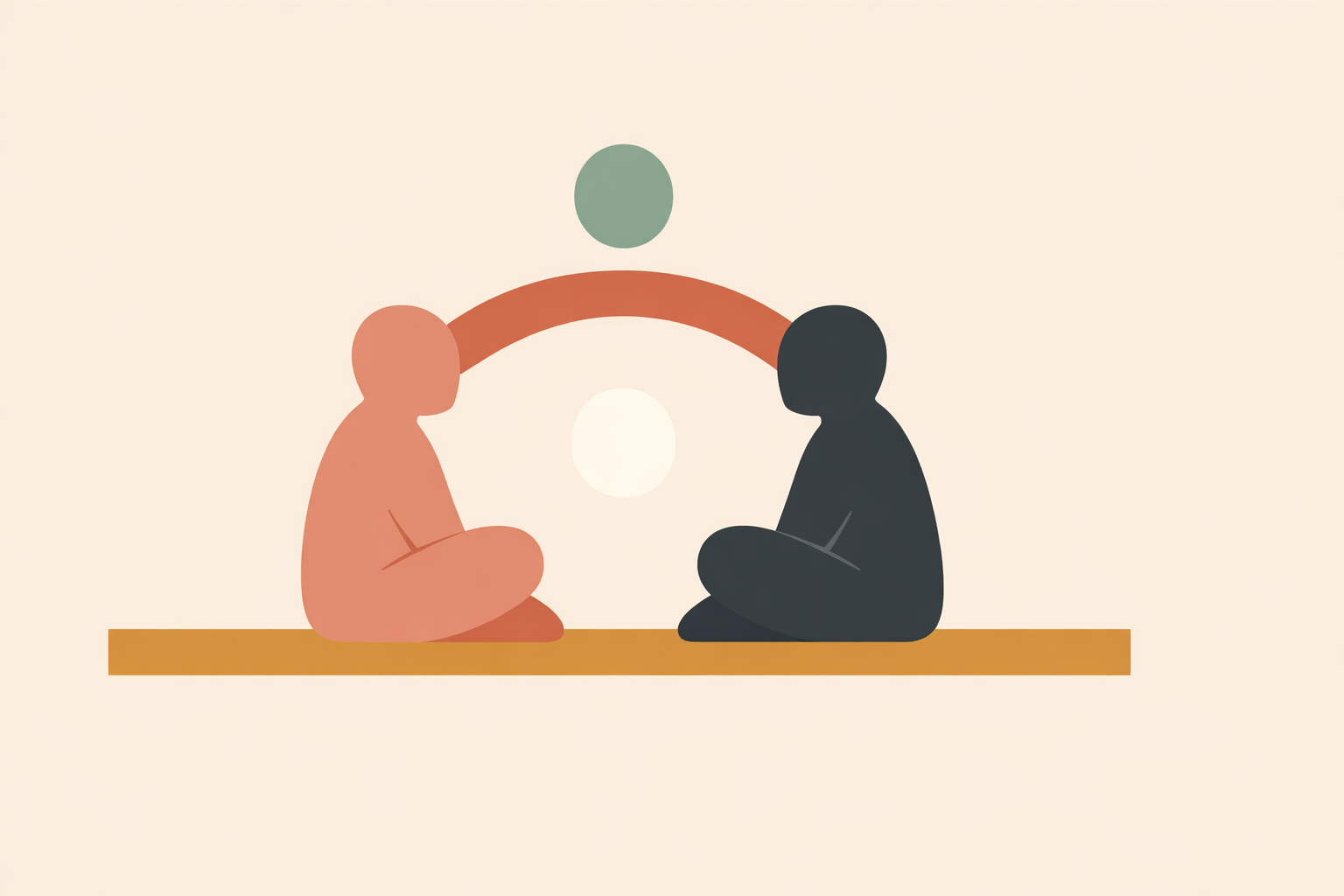
When estrogen becomes the center of the session, a simple three-part flow keeps things clean and effective:
- Name the pattern: what the client notices, when it shows up, and what intensifies it.
- Offer a wider frame: estrogen changes may be part of the picture, and daily inputs shape the experience too.
- Create two tracks: coaching experiments plus a list of questions for a qualified health professional.
Even small observations can guide a solid plan. If flushing follows wine, or anxiety spikes after a poor night’s sleep, you already have coaching-level levers to work with: tracking, regulation practices, and routine support.
When “low estrogen” is not the whole story
Using hormones as a catch-all explanation for weight gain, generalized aging, or brain fog in otherwise healthy midlife adults is not supported by current guidance. Hormones matter deeply for some people, but they don’t explain every shift on their own.
In practice, many clients feel noticeably steadier once the basics are supported. More consistent nourishment and sleep can improve energy and mood-related symptoms within weeks for some people, which often changes the tone of the whole conversation.
That’s where coaching shines: it helps build a baseline of stability before big decisions are made.
Build the self-care track around foundations
Foundational support often gives clients the fastest sense of traction. Across midlife, healthy habits can make the whole transition more manageable.
- Sleep: Support a consistent wind-down, lower stimulation late in the evening, and a cooler sleep environment. Guidance specifically supports a cool bedroom and slow deep breaths.
- Stress regulation: Build short daily “micro-resets” that interrupt accumulation. A body scan after meetings, a pause before the evening rush, or a few quiet minutes can restore inner space.
- Nourishment: Aim for steady meals with protein, fiber-rich plant foods, and adequate hydration. If symptoms cluster after certain foods or drinks, test one small change at a time, using simple menopause nutrition habits to keep the process grounded.
- Movement: Keep it realistic and repeatable. A starter rhythm like a few short strength sessions plus a couple of walks each week is often enough to rebuild momentum.
These foundations restore agency. They also reduce the tunnel vision that happens when every symptom gets routed through a single hormone story.
Track triggers without becoming rigid
Midlife symptoms often respond well to careful observation. Wine and spicy foods are common examples when hot flashes cluster around specific routines.
Skip the perfectionism. A simple process is usually enough:
- pick one likely trigger
- observe for two weeks
- note intensity, timing, and context
- keep the rest of the routine stable
This keeps the client grounded in lived experience rather than online claims.
Traditional allies deserve respect and context
Across many traditional lineages, plant allies accompany life transitions with care and reverence. Sage, shatavari, black cohosh, and red clover are often mentioned by elders and herbalists in conversations around menopausal change.
You can honor that tradition without turning a coaching session into prescribing. A respectful stance sounds like:
- If you feel drawn to herbs, let’s clarify what you’re hoping to support.
- If you choose to explore them, bring your notes and questions so your choices stay thoughtful and well-contextualized.
- If needed, connect with a qualified herbal practitioner for individualized guidance.
Keep the emphasis on reflection, values, and observation rather than doses or product directives. Traditional practice has always held the bigger picture: rhythm, constitution, story, and relationship.
Prepare clients for a better professional conversation
One of the most valuable coaching contributions is helping a client show up prepared. Decisions around hormones are shaped by symptoms, history, and risk factors, which is why medical evaluation matters when hormones are being considered.
Help the client organize what they want to bring:
- Symptom diary: timing, intensity, triggers, and patterns over two weeks.
- Current supplements and prescriptions: a simple list with timing.
- Top priorities: better sleep, steadier energy, more comfort in intimacy, or similar.
- Questions: what options fit my history, what follow-up is needed, and how will we track progress?
This keeps your work squarely in education and support while lowering overwhelm.
Make misinformation less sticky
One-cause narratives are tempting because they’re simple. But claims like “all weight gain is low estrogen” are often inaccurate, and the reality is more complex.
Offer clients a quick filter:
- One-cause claims: if everything is blamed on one hormone, slow down.
- Hero products: if one supplement promises to solve everything, step back.
- Test obsession: repeated out-of-context tests often create confusion rather than clarity.
Then redirect into steadier action: observe patterns, reduce one obvious stressor, support sleep, and review what’s actually changing week to week.
A 6-week structure that keeps estrogen conversations in scope
Structure lowers anxiety and keeps the work practical. A six-week container often helps clients feel supported while you stay clearly in scope.
- Week 1: clarify the story, set scope, begin a symptom and sleep log.
- Week 2: strengthen nourishment and hydration.
- Week 3: build a gentle movement rhythm.
- Week 4: expand stress regulation and daily recovery practices.
- Week 5: explore support, boundaries, identity, and relationship strain.
- Week 6: review patterns, note progress, and prepare any next-step conversations.
This kind of structure reduces spiraling, keeps estrogen talk in context, and makes progress easier to see.
Coach the person, not the lab story
Numbers may enter the conversation, but midlife is lived in the body, the home, the schedule, relationships, and the inner world. Nourishment, movement, community, identity, and spiritual practice can shape well-being as much as lab values do.
Keep returning to simple questions: What is changing? What supports you? What drains you? What feels steadier this week than last week?
As sleep improves, energy stabilizes, or support at home strengthens, many clients naturally loosen their grip on estrogen as the only explanation. More nuanced, self-trusting choices follow.
Close with calm boundaries and practical care
The most helpful response to estrogen-focused questions is respectful clarity. Validate the experience, widen the lens, strengthen foundations, and help the client prepare for informed next steps with the appropriate professional.
That’s what keeps coaching ethical, useful, and deeply human. Clients don’t only need information; they need steadiness and small wins they can feel in daily life.
As a final note, stay consistent with scope: don’t interpret labs, recommend prescriptions, or suggest specific dosing for herbs or supplements. When symptoms feel intense, new, or worrying, encourage timely professional support while you continue coaching the habits and self-understanding that carry real momentum, whether in one-to-one work or broader women's health and fertility practice.
Master Menopause Coaching Skills
Deepen your boundaries-and-foundations approach with the Menopause Coaching Certification.
Explore Menopause Coaching →