Many nutrition and fitness check-ins still begin with the scale, yet scale weight is a noisy signal. It reflects water, glycogen, digestion, and tissue all at once, so it can hide real progress. Strong fat-loss coaching keeps weight in the background and puts shape and function up front.
Clients tend to stay consistent when they can see meaningful change: a smaller waist measurement, clearer photo comparisons, a looser waistband, or better performance in training. These markers create steady feedback even when the scale fluctuates.
Key Takeaway: Effective fat-loss coaching tracks shape and capacity, not just pounds. Start with waist circumference as the clearest at-home signal, then add progress photos, clothing fit, strength and cardio markers, and occasional body-composition tools used under consistent conditions. Read trends across several weeks so decisions stay guided by tissue quality, visible change, and functional progress.
Metric 1: Waist circumference is the clearest at-home fat-loss signal
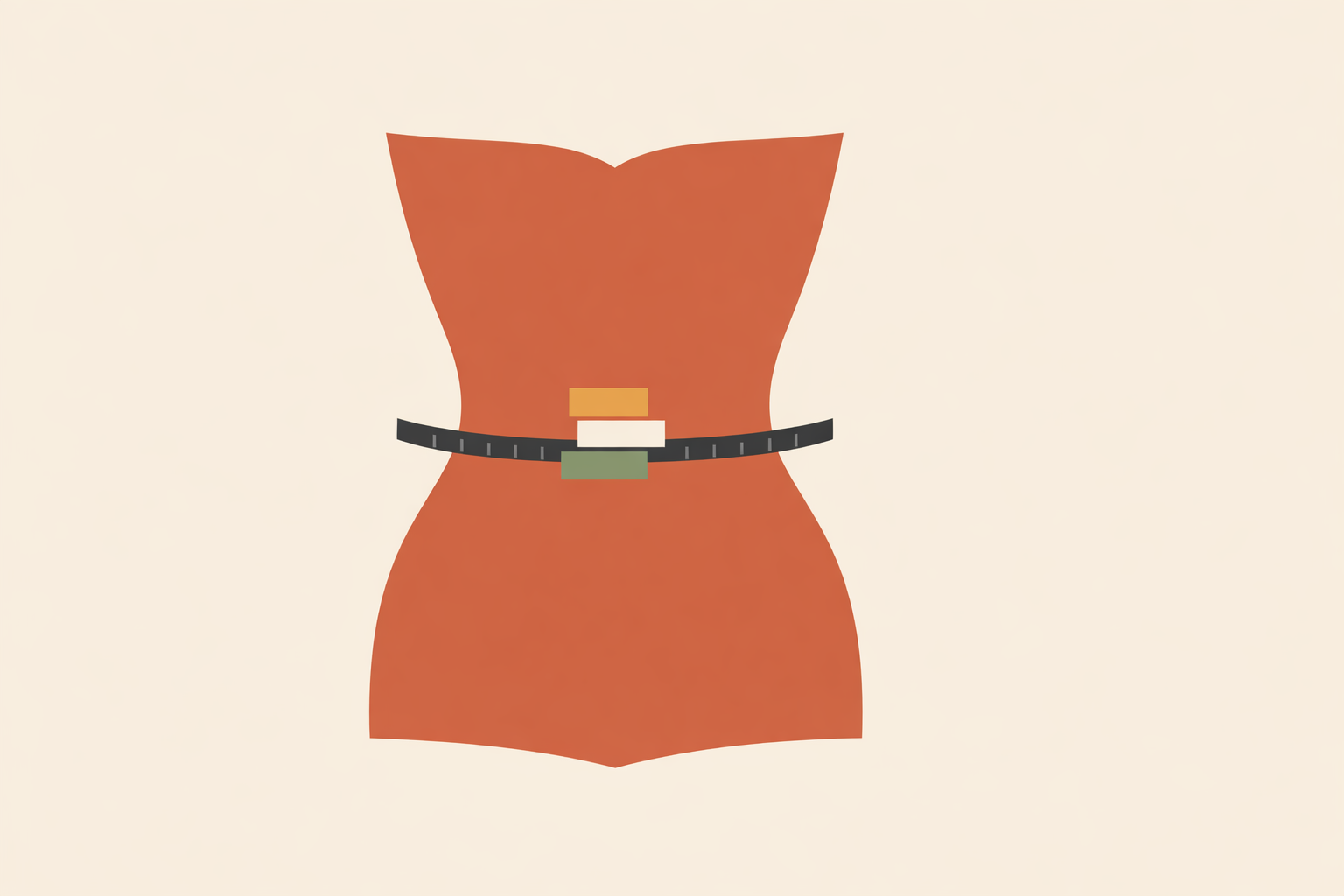
Start here. Waist circumference is one of the most reliable at-home markers of changing fat stores, especially when body weight is slow to respond.
It’s also common to see the midsection shift before the scale does, and fat loss shows clearly there. Many practitioners recognize this pattern quickly: as the waist softens, people often feel it first in how they sit, bend, breathe, and dress.
Traditional body observation has long valued the waistline too. A sash, waistband, or belt notch can tell a useful story without turning progress into a daily emotional test.
Keep the method simple and identical each time:
- Choose one landmark: the navel or the natural waist.
- Measure standing tall and relaxed, at the end of a normal exhale.
- Measure in the morning after the bathroom, with the tape level and snug (not tight).
- Record weekly or every other week.
- Note obvious influences if helpful: sleep, travel, bloating, training load, or cycle phase.
One reading rarely matters. The trend does. If the scale stays flat while the waist steadily decreases, that is usually strong progress.
Metric 2: Progress photos reveal recomposition the scale cannot show
Progress photos make body recomposition visible. They capture shifts in shape and fat distribution that scale weight can’t reflect.
This can be especially reassuring during a “stuck” phase. Side-by-side photos often show a flatter lower abdomen, a clearer waistline, or a more open posture even when body weight barely changes.
Photos work best with a consistent setup:
- Use the same lighting, angle, distance, and background.
- Wear the same (or very similar) fitted clothing.
- Take front, side, and back views.
- Stand naturally without flexing.
- Repeat every 2 to 4 weeks, not every few days.
Encourage clients to look for broad patterns rather than tiny flaws: a smoother waistline, less folding around the bra line, a different drape through the hips, or a more balanced silhouette. That keeps the practice grounded and kind.
Metric 3: Clothing fit turns daily body awareness into a useful tracking tool
Clothing fit is practical feedback because it reflects the body in real life. When jeans close more easily or a belt moves to the next notch, it often mirrors changes in the waist and hips before the scale catches up.
Research also supports this lived experience: changes in clothing fit can reflect fat-loss shifts in key areas earlier than body weight does.
Make it more repeatable with a simple “reference outfit” system:
- Choose 2–3 consistent items (jeans, a fitted shirt, a belt).
- Prefer items with little stretch.
- Try them on every 1–2 weeks at a similar time of day.
- Score ease of fit from 1 to 5 for waistband, thighs, chest, or shoulders.
- Note belt notch changes or where fabric sits differently.
When the scale stays the same while the tape measure and outfit fit improve, that pattern often points to recomposition.
Traditional observation strengthens this skill. Tailors, craftspeople, and movement teachers have long “read” the body through drape, tension, and ease, and coaching makes that wisdom more deliberate.
Metric 4: Strength and performance help confirm lean tissue is being preserved
Fat loss is easier to sustain when capability stays high. When strength holds steady (or improves) during a fat-loss phase, it often suggests lean tissue is being preserved.
That’s why performance markers deserve a place in check-ins. They show whether the plan supports the body’s needs or pushes too hard.
Useful markers include:
- Maintaining or improving loads on familiar lifts
- Matching or increasing reps at the same effort
- Walking a set route faster
- Climbing stairs with less breathlessness
- Moving through daily tasks with more ease
Cardio improvements can also travel with waist reduction. In many cases, cardio capacity improves as abdominal fat decreases and movement feels easier.
A quick weekly function note is enough:
- Strength: row or squat stayed steady
- Reps: one extra push-up this week
- Cardio: hill walk needed fewer pauses
- Daily ease: carried shopping upstairs more comfortably
If body weight is falling very quickly while strength, performance, and limb size all drop, it’s time to slow down and reassess. Rapid weight loss often includes more water and lean mass than most clients expect.
Metric 5: Body-composition tools can help, but only when used wisely
Technology can add clarity when it supports the bigger picture. A scale tells you how heavy the body is, while body-composition tools aim to show what that weight is made of.
Over time, tracking the muscle-to-fat ratio can be a useful quality check. It helps separate meaningful change from everyday fluctuations.
DEXA can work well for occasional trend checks, but DEXA error is still large enough that frequent scans create more noise than clarity.
Bioelectrical impedance tools (including many smart scales) are best treated as “directional” devices. BIA readings can swing with hydration, meals, and recent exercise.
Standardization makes the data far more useful. Consistent conditions matter:
- Measure at the same time of day
- Use the bathroom first
- Measure before food or caffeine
- Avoid hard training just beforehand
- Compare similar days to similar days
Keep the limitations in mind: a scale is blind to tissue type. That’s why composition data should always be read alongside the waist, photos, clothing fit, and performance.
Use a simple dashboard, then review trends over time
Combining metrics gives a clearer picture because body change shows up across shape, function, and daily life.
A practical dashboard can stay simple:
- One shape marker: waist circumference
- One visual marker: progress photos
- One lived-experience marker: clothing fit
- One function marker: strength or cardio
- Optional body-composition data: smart scale trends or occasional DEXA
Review trends across 4 to 6 weeks rather than reacting to daily noise. That longer view supports steadier decisions and helps clients stay focused on real progress in weight loss.
It also helps to track a few subjective markers like sleep, appetite, energy, ease of movement, and general well-being. These details often explain the numbers and keep coaching connected to the person.
Over time, the goal becomes clear: read the body intelligently and kindly. When the waist eases, clothes sit differently, photos confirm visible change, and strength stays solid, you’re usually seeing the kind of progress that lasts.
Traditional observation and modern tools work well together. Use both with care, and keep most caution for moments when the signals disagree or the pace becomes too aggressive in nutrition and diet practice.
Coach Fat Loss Confidently
Apply these progress metrics in practice with the Fitness and Weight Loss Coach Certification.
Explore Fitness and Weight Loss Coach Certification →