Many longevity coaches start social-connection work with great intentions but little structure: a coffee hour, a guest talk, a few extra check-ins. These can be pleasant, yet they often don’t translate into lasting ties. Attendance fades, a few confident voices take up the space, and quieter participants leave without feeling known.
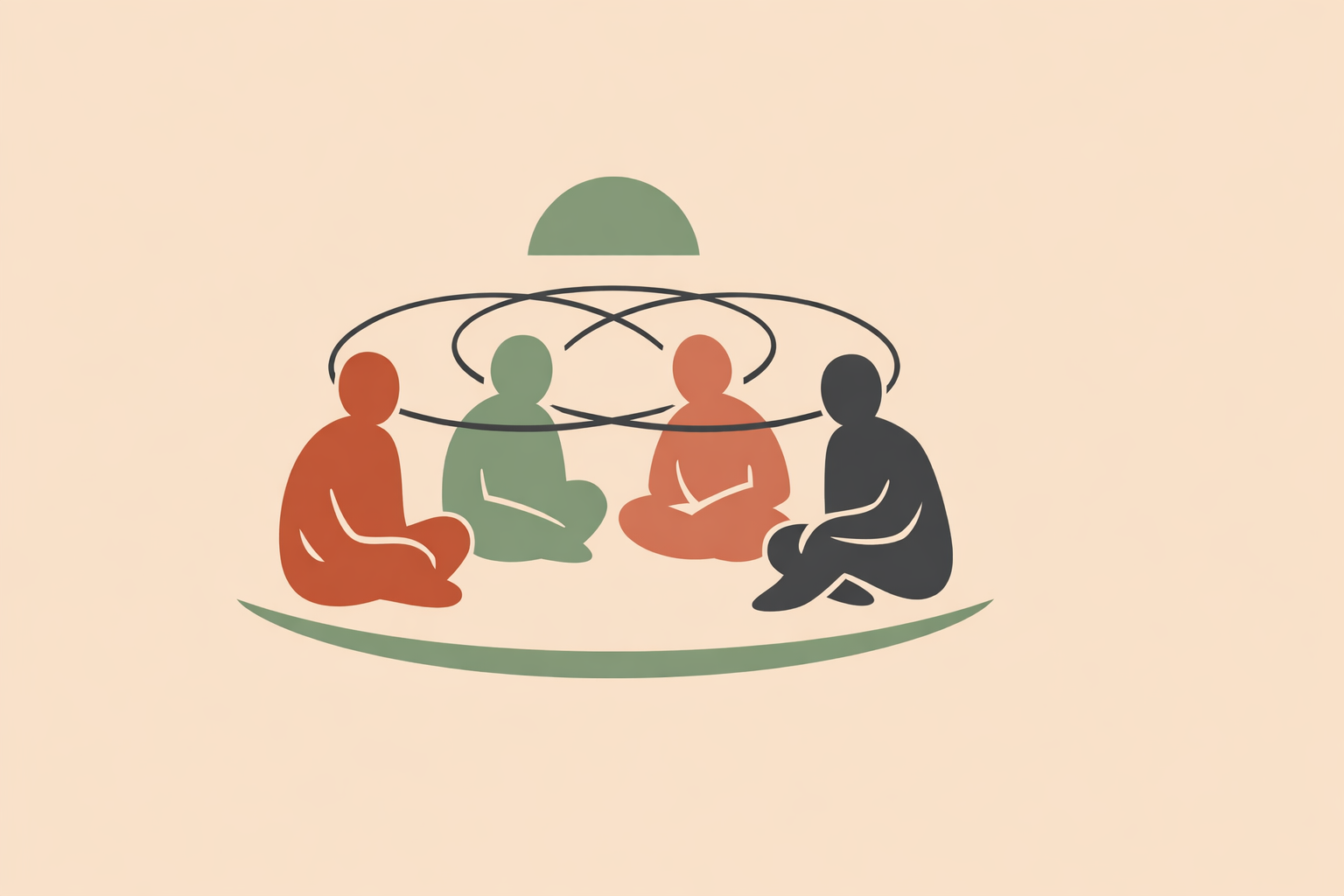
A stronger approach is a group playbook: a simple, repeatable circle shaped with older adults, not just for them. When the rhythm is clear, shared movement, story, food, and learning turn into steady rituals that widen everyday support and build confidence in daily life.
Key Takeaway: Reducing isolation in later life works best with targeted, participatory group playbooks. Well-designed circles can build meaningful contact through shared activity, help participants feel useful and seen, and support longer-term well-being when they run for several weeks with simple follow-through.
Why Group Playbooks Support Healthspan
Group playbooks restore something deeply human: connection through doing things together. Shared walks, meals, memories, and roles create a steadier sense of belonging than one-off social events.
Practitioners often see protective ripple effects when social ties strengthen in later life, including steadier mood, sharper engagement, and better day-to-day orientation. The key is giving the group a shape people can rely on.
Targeted, participatory circles tend to outperform ad-hoc gatherings because they create repetition, shared identity, and gentle accountability. They also scale well when the goal is to expand someone’s real-world network rather than offer brief companionship.
Concrete specific: A six-week “Thursday Tea & Stroll” playbook invites 10 neighbors to walk 15–25 minutes at a conversational pace, then sit for tea and a rotating “one memory, one tip” share. The coach facilitates in week one; by week three, two participants co-lead the warm-up and conversation prompt.
Social Isolation and Loneliness Are Not the Same
Before designing a group, get clear on what you’re trying to shift. Social isolation is structural: too few contacts, too little frequency, too little variety in social roles. Loneliness is the felt experience of not being met, seen, or accompanied. A person can experience one without the other.
That distinction guides the format. If someone lacks regular contacts, activity-based circles that increase familiarity often help quickly. If someone is around people yet still feels unseen, a smaller, more relational space with steadier facilitation and deeper sharing usually fits better.
Keep intake simple. Ask who they speak to in a typical week, who they trust, and whether they feel they belong. That’s enough to match the playbook without turning the first conversation into a formal assessment.
Concrete specific: Try asking: “On most days, do you talk with someone you trust?” If the answer is no, note a structural gap. Then ask: “Even when people are around, do you feel you belong?” If the answer is yes, you may be looking at a more subjective gap, which often responds better to story- or purpose-based circles.
Movement and Nature Circles Build Connection Through Action
For many older adults, movement is the easiest doorway into connection. A walk, balance routine, light outdoor practice, or simple mobility circuit lets people relate side by side, which can feel more comfortable than being asked to open up straight away.
Movement circles also support physical confidence, which often makes social participation feel easier. Group-based movement programs have reduced falls in older adults, especially when they include strength, balance, and mobility rather than gentle movement alone.
Nature softens the experience. A garden path, courtyard, or familiar park gives the group something to attend to together, and conversation often arrives with less effort.
Concrete specific: A 60-minute “Park Steps” circle can include: 10 minutes to arrive and settle, 20 minutes of walking with a partner switch halfway through, 10 minutes of seated balance work, 15 minutes of tea and a “bright spot from this week” prompt, and 5 minutes to confirm next week’s plan.
Story, Food, and Memory Circles Create Belonging
Some people don’t need more activity. They need more meaning. Story circles, reminiscence spaces, and meal-based gatherings can be especially supportive for older adults who have plenty of surface contact but still feel emotionally adrift.
Shared memory helps people be known through their own words and lived experience. Shared food adds rhythm, culture, and familiarity. Together, these formats can build belonging without forcing emotional intensity.
Meal-centered circles also support steadier daily routines around eating: people slow down, share time, and reconnect food with memory rather than isolation. Traditional foodways are especially valuable here because they carry identity, seasonality, and a sense of home that participants already trust, much like thoughtful nutrition for longevity work keeps the focus on durable patterns.
Cultural anchoring matters. Familiar dishes, seasonal traditions, music, local stories, and family rituals help people feel they don’t have to leave their identity at the door. Done respectfully, this strengthens continuity as well as connection.
Concrete specific: A “Stories & Stew” circle can invite each person to bring one ingredient and a memory it evokes. While the pot simmers, each participant shares a three-minute story. A volunteer notes key lines for a simple community recipe booklet. Close with: “Who will you check in with before next week?”
Brain Clubs and Purpose Circles Help People Feel Capable Again
When disconnection is tied to beliefs like “I’m slowing down” or “I have nothing to offer,” cognitively engaging formats help people reconnect with their capabilities. Brain clubs and purpose circles work best when they blend challenge, contribution, and reflection.
They don’t need to be heavy. A language game, memory challenge, song-learning session, skill exchange, or collaborative project can create the felt experience of being capable in front of others. Many participants aren’t only disconnected from people; they’ve also lost touch with usefulness.
Purpose-based circles can soften internalized ageism by making visible what each person still carries: skill, humor, perspective, memory, craft, patience, leadership. As identity shifts, relationships often follow.
Concrete specific: A four-week “Skill Swap Brain Club” might include: Week 1, memory games and a five-minute peer teaching moment; Week 2, learning a song in parts; Week 3, creating a purpose postcard around valued roles; Week 4, planning a small showcase for neighbors or family.
What Effective Group Playbooks Have in Common
Strong groups rarely happen by accident. They rely on rhythm, clear boundaries, and shared ownership. The coach holds the structure early on, and the group gradually grows its own habits and leaders.
Many successful programs use a multiweek arc, often meeting weekly for 12 weeks. In practice, 8–12 weeks is a reliable window: long enough for trust to form and short enough to feel doable.
Meaningful shifts often start to show up around six weeks to eight weeks, once people recognize one another, relax into the rhythm, and begin taking initiative.
Planning for “what happens next” helps the benefits last. Research on a group program with added follow-on support found that maintenance planning helped sustain participation beyond the initial phase.
Size matters. Guidance for group-based work suggests 5–10 participants is often ideal, and many coaches find 8–15 still works when facilitation is steady and the structure stays simple.
Multi-ingredient designs also tend to land better over time. Reviews of older-adult exercise programs have found greater improvements with multicomponent approaches than with single-focus formats, and the same principle often applies to connection: movement, learning, and reflection reinforce each other.
- Useful design elements: weekly rhythm, clear opening and closing rituals, rotating roles, shared-interest theme, participant co-leadership, and a gentle follow-through plan.
- Simple metrics: attendance, “new contacts named,” and a 0–10 belonging score at the end of each session, alongside a few practical longevity metrics when that broader coaching lens is relevant.
Adapting the Playbook for Culture, Accessibility, and Scope
A good group format is never copy-paste. It should fit the people in front of you: their culture, pace, energy, hearing, mobility, grief, and comfort with sharing.
Start in familiar community settings when possible. Libraries, community centers, faith spaces, gardens, and neighborhood halls often feel more welcoming than formal wellness environments, and they make it easier for participants to keep meeting outside the circle.
Accessibility should be practical. Check chairs, bathroom distance, noise level, lighting, transport, signage, and whether people can hear one another without strain. Build seated options into movement formats from day one.
Cultural respect matters just as much. Use local songs, seasonal markers, recipes, and traditions only when they’re genuinely rooted in participants’ lives or introduced with clear care and permission. The aim is continuity and dignity, not borrowed symbols.
Keep scope clear. These circles are for support, connection, rhythm, and participation. If someone shows persistent severe distress, rapid cognitive change, or signs that they aren’t safe, pause the group-based plan and help them connect with appropriate local support, as you would when noticing signs of social isolation that call for more careful follow-up.
Concrete specific: A pre-launch checklist can include cultural anchors, space comfort, transport planning, large-print materials, a privacy agreement, and a simple referral list for situations that sit outside your coaching role.
Linking People Into Existing Community Life
Not every answer needs to be built from scratch. Often, the most useful role is helping someone cross the bridge into a group that already exists and suits them.
This community-linking approach, often described as social prescribing, appears promising for reducing social isolation by connecting people with local activities, groups, and shared-interest spaces.
Practically, that can look like guiding someone from your short-term circle into a choir, walking group, craft table, gardening project, men’s shed, language club, or neighborhood meal. A good playbook widens the participant’s real-world web of connection rather than creating dependence on the coach.
Bringing Group Playbooks Into Longevity Coaching
Start with one format, not five. Choose the playbook that matches the kind of disconnection you see most often in your community—movement, story, meal, learning, or purpose—then run it simply and refine based on what participants respond to.
Track a few signals and keep them human. Attendance, a brief loneliness check-in, and a “How connected do you feel today?” score usually tell you what you need to know. Add short facilitator notes on which rituals landed and which roles participants naturally stepped into.
Over time, aim for layered circles that feel like real life: some movement, some learning, some shared reflection, and a chance to contribute. The goal isn’t only a well-run gathering. It’s helping people recover rhythm, usefulness, familiarity, and mutual care within longevity coaching and broader longevity coach certification practice—one steady meeting at a time.
Train in Longevity Coaching
Use these group playbooks in practice with the Longevity Coach Certification.
Explore Longevity Coach Certification →