Most coaches run into the same practical question when supporting client self-care: is this a moment for meditation, or for guided imagery? Late-night messages about racing thoughts, pre-meeting nerves, and boundary practice can all get filed under “meditation,” but the need is usually more specific. Sometimes a person needs the skill of noticing without reacting. Sometimes they need a brief inner rehearsal that helps the whole system organize around a chosen way of being.
Key Takeaway: Meditation and guided imagery are complementary, not interchangeable. Meditation strengthens present-moment awareness and steadier attention; guided imagery intentionally shapes inner experience to support a specific state, perspective, or rehearsal. In practice, meditation is often the wiser first step for looping thoughts and everyday regulation, while imagery is often more direct for concrete outcomes like sleep, poise, or boundary-setting. The most useful approach is usually simple: choose the method that fits the moment, then blend both when needed.
Meditation and imagery answer two different inner questions
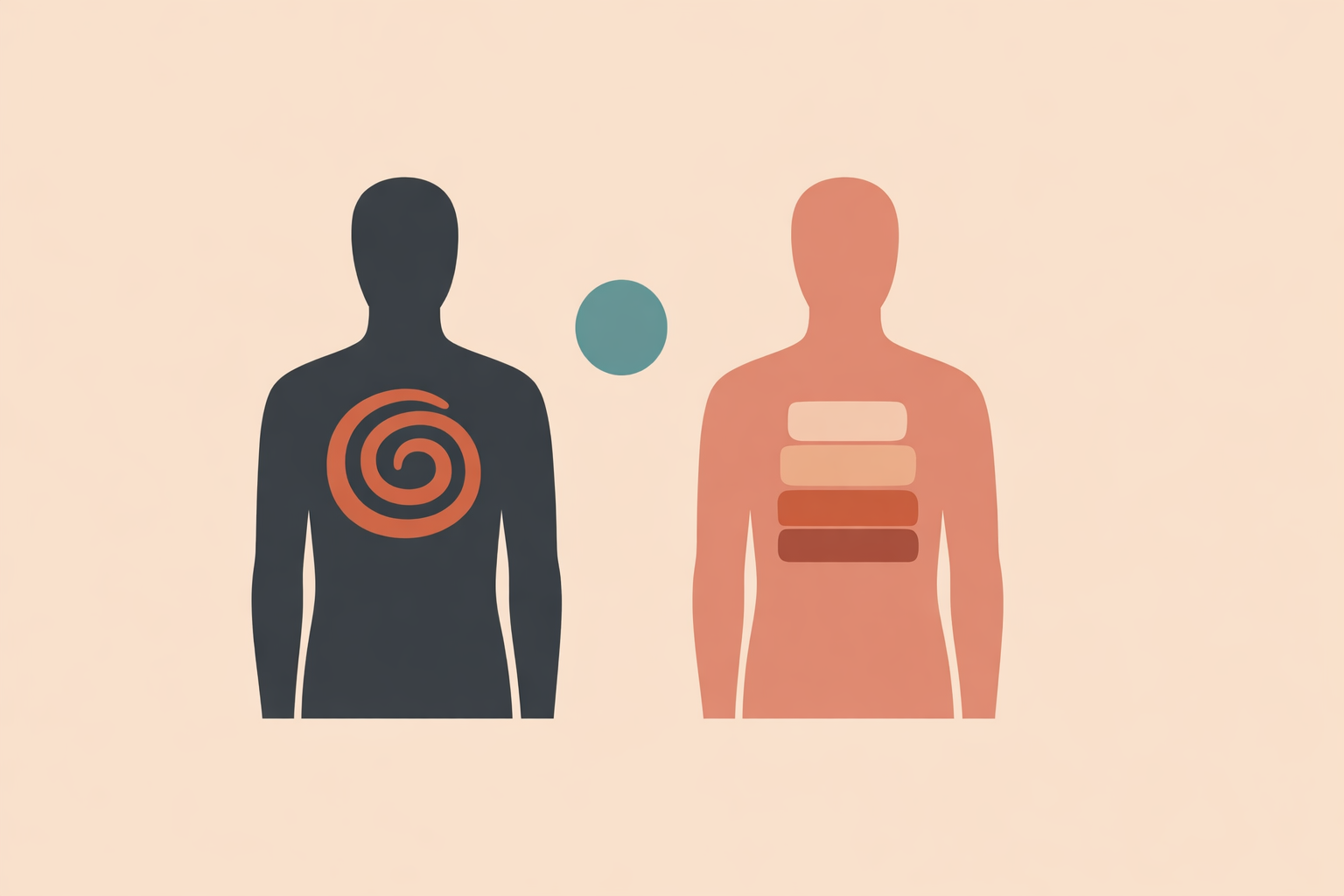
Most of the time, you’re guiding a person toward one inner question or the other: What is here now? Or: What would support me here?
The first question belongs to meditation. It includes breath awareness, body scanning, open monitoring, loving-kindness, and mantra. Modern research links meditation with attention benefits and it can reduce stress reactivity for many people.
The second question belongs to guided imagery. Attention is directed toward constructed sights, sounds, textures, movement, symbols, or environments that support a chosen quality such as steadiness, softness, courage, or restraint. In Ericksonian terms, this is constructed experience in service of resource activation.
It also helps to separate practice effects from session effects. Practice effects build with repetition. Session effects can show up quickly: a softened jaw, slower inner pace, easier breathing, or more space before reacting. People often feel these early shifts before they become a stable daily pattern.
A quick contrast:
- Observed experience: “For the next 90 seconds, notice where your breath is most obvious in the body. When the mind wanders, return with kindness.”
- Constructed experience: “If it feels useful, picture a place where you naturally feel grounded. Notice the air, the light, and the way your body stands there.”
When meditation is the better first step
Meditation is often the strongest first step when the goal is steadier attention, less reactivity, and a self-care rhythm that carries into ordinary life.
This is especially true for looping thoughts. Learning to witness a thought, sensation, or urge without immediately following it changes the tone of many difficult moments. Once that skill is in place, other supportive practices usually land more easily.
This lines up with research linking meditation to steadier attention and reduced stress reactivity. In everyday practice, many people do well with 10–20 minutes a day for a few weeks when the structure is simple and repeatable.
For someone who spirals into overthinking at night, a basic protocol can be enough:
- Two minutes: eyes open, feel the contact of back, seat, and feet. Name one sound in the room.
- Seven minutes: let the eyes soften or close; rest attention on the exhale. When thoughts arise, label them lightly as “thinking” and return.
- One minute: ask, “What do I notice now?” and write a single line.
Ericksonian phrasing keeps the tone light and reduces pressure. “You might notice that the body already knows how to exhale.” Or: “Some people find it useful to let thoughts pass through without giving each one a job.”
For tracking, a simple 0–10 check-in before and after works well: restlessness, irritability, mental speed, or inner pressure. Over a couple of weeks, even a modest shift often gives people enough evidence to keep going.
When guided imagery is the more direct choice
Guided imagery is often the more direct choice when the desired outcome is specific, sensory, and easy to picture in real life.
If someone wants support falling asleep, entering a difficult conversation with poise, or easing an urge long enough to choose differently, imagery can be the shortest bridge. It offers a carefully shaped inner experience that supports the next step.
Imagery works best when it gets concrete. Color, distance, texture, posture, breath, sound, and rhythm give the mind something to organize around. When the image is sensory and believable, the state is easier to carry into the real situation later.
A simple sleep-oriented script might sound like this:
- Settling: “Feel the weight of your body and notice three sounds near and three farther away.”
- Scene: “If it feels comfortable, imagine a place where night arrives gently. Notice one detail of the light or air.”
- Body cues: “Your jaw softens a little, and the breath lengthens in its own time.”
- Return: “If thoughts pass through, let them move like distant boats beyond the cove.”
For boundaries, future rehearsal often works better than abstract advice. “Feel your spine lengthen as you say, ‘I’m not available for that.’ Hear the tone: warm, clear, and unhurried.”
These sensory anchors are often what make the shift usable later. The person is practicing how confidence feels, sounds, and moves.
Cultural humility matters here. The most effective images are usually the person’s own: a grandmother’s garden, the smell of rain on stone, a familiar prayer gesture, a trail they know by heart. Invite what is already meaningful rather than imposing symbols that don’t belong to them.
How to blend meditation and guided imagery well
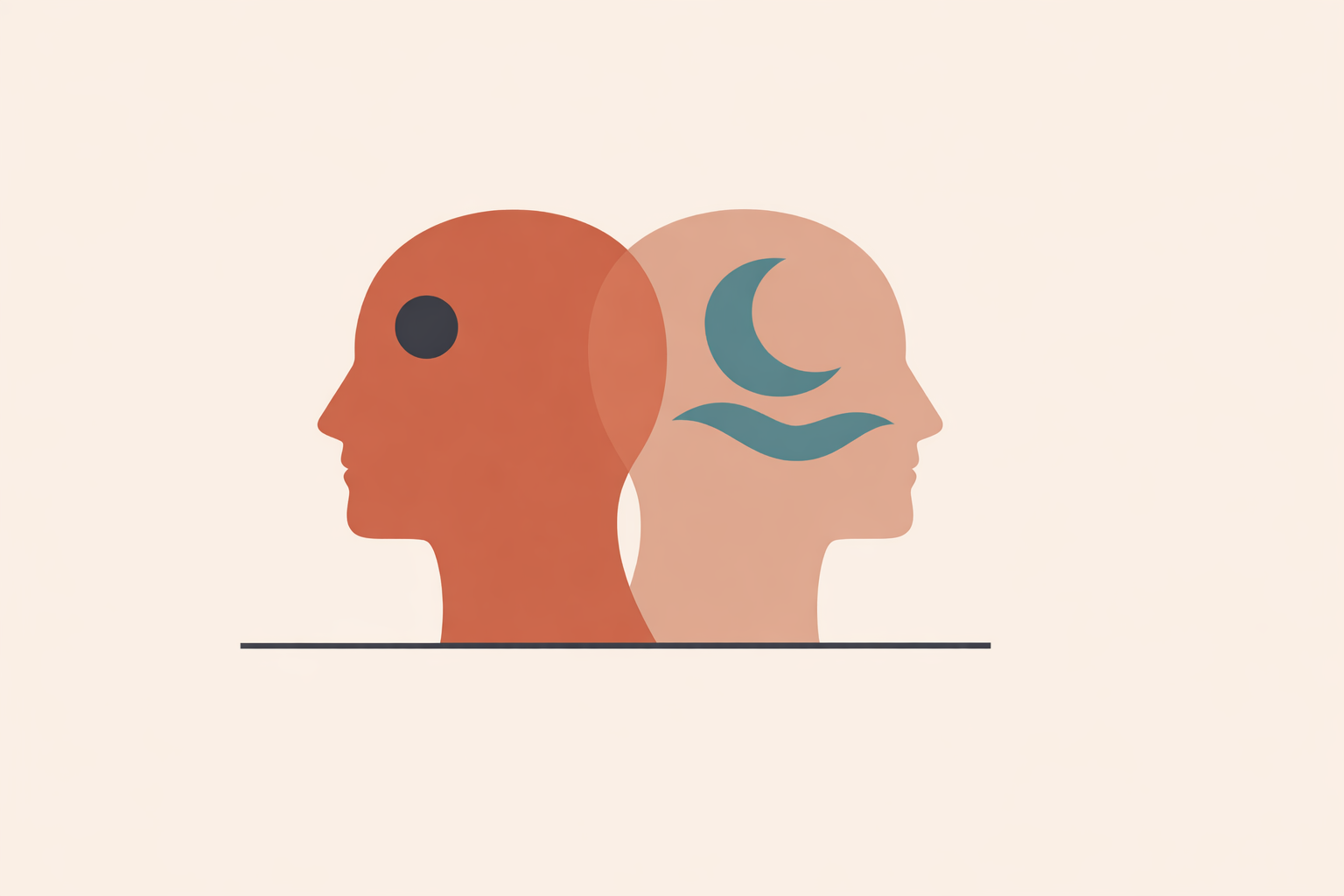
Many practitioners naturally lean toward one method, but blending the two often creates the steadiest support: settle attention, activate a resource, then return to simple awareness.
One practical sequence looks like this:
- One to two minutes: breath or sound awareness to arrive.
- Three to five minutes: resource-oriented imagery using permissive language such as “If it feels right, you might...”
- Thirty seconds: eyes open, feel the feet, and notice one sentence of reflection.
On ordinary days, meditation alone is often enough. Before demanding events such as presentations, interviews, or family conversations, adding a short imagery rehearsal can make the practice feel more relevant and easier to use.
What keeps the blend ethical and effective is Ericksonian spirit: utilization, precision listening, indirect suggestion, and respect for the person’s inner language. Instead of “Relax your body,” you might say, “You might notice one place that is already a little softer.” Instead of “Visualize a beach,” you might say, “If any place comes to mind where your breath naturally deepens, you could linger there for a moment.”
Two easy blends:
- Three-two-one: three minutes settling, two minutes resource imagery, one minute journaling.
- Event prep: one minute of breath awareness, two minutes rehearsing the first part of a conversation, then standing up and practicing the posture once.
Safety, consent, and cultural humility
Inner-focus practices are powerful, and anything powerful deserves care. Build in choice, pacing, and clear stop options from the beginning.
Not everyone finds meditation or imagery easy. A review suggests meditation-related difficulties occur at around 8.3% across diverse studies. The practical takeaway is to offer these practices with attentiveness rather than assumption.
When anxiety is high, start with eyes open, short durations, and external anchors such as feet on the floor, sounds in the room, or visual orientation. If someone tends to become floaty, overwhelmed, or disconnected, keep practices grounded and brief. Guided imagery can also bring up unexpected material, so early images should be neutral, symbolic, and permission-based.
Consent language can stay simple:
- “We can try this for one minute, and you can pause anytime.”
- “Would it feel better to keep your eyes open?”
- “If the image is not helpful, we will come back to the room right away.”
It also helps to avoid grand claims about what inner images mean. They can be meaningful, moving, and clarifying without being treated as literal proof of anything.
Cultural humility belongs here too. Invite people to draw from their own symbols, landscapes, songs, languages, and inherited ways of centering. When in doubt, ask what feels familiar, respectful, and grounding to them.
Designing a self-care plan that actually lasts
The best self-care plan is the one a person will keep. Sustainability usually matters more than intensity.
A simple tiered structure works well:
- Minimum: 60 seconds while water boils or before opening a laptop. Choose one anchor: breath, feet, or sound.
- Standard: Five minutes. Two minutes settling, two minutes of imagery or continued breath awareness, one sentence of reflection.
- Extended: 10–15 minutes. Settle, continue with imagery or open awareness, then journal briefly about how you want to show up later in the day.
Then match the method to the goal:
- “I spiral when criticized.” Start with meditation to notice and soften reactivity.
- “I’m dreading a call.” Use future-rehearsal imagery with posture and first sentence.
- “I feel cut off from my strength.” Use resource imagery anchored in a lived symbol that genuinely matters to you.
Attach the practice to something that already happens: waking up, sitting in the car, ending the workday, or changing roles at home. Track it with neutral words such as practiced, adapted, paused, or chose another support. This keeps the tone supportive rather than perfectionistic.
Close each week with three questions: What helped? What got in the way? What small adjustment will I try next? A five percent adjustment is usually more useful than a dramatic reset.
Choosing your next small experiment
Meditation and guided imagery both belong in a modern, tradition-respecting coaching toolkit. Meditation is often the stronger starting point when the need is awareness, steadiness, and a repeatable attention skill. Guided imagery often shines when the goal is resource activation, perspective shift, or rehearsal for a real moment ahead.
You don’t need a perfect system to begin. Start with one small experiment for the coming week: two minutes of settling, four minutes of either mindful breath or chosen imagery, and one sentence of reflection afterward.
Use gentle language with yourself and with clients: “You might notice...”, “If it feels useful...”, “Some people find...”. Then refine from lived experience. Keep consent, pacing, and cultural respect at the center, and these practices become steady, usable support within hypnotherapy and NLP work, including Ericksonian Coach certification training.
Master Ericksonian Coach Certification
Deepen your use of permissive language and resource activation in the Ericksonian Coach certification.
Explore Ericksonian Coach →