Many Reiki students try to steady a session by adding more technique: another symbol, a longer sequence, extra talking. In practice, the real gaps usually show up elsewhere. Consent language feels awkward. Transitions get rushed. Timing drifts. A shoulder lifts as you reach too far across someone’s face. What helps most is a practised way of working that keeps touch optional, pacing clear, and presence reliable.
Key Takeaway: Reiki practicums turn intuition into repeatable skill through structured, ethical practice. The strongest foundations are simple: center before contact, offer clear choice around touch, use a small set of positions with deliberate pacing, and reflect on what is observable rather than what you assume. Practised consistently, these habits help sessions feel calm, respectful, and trustworthy.
Hands-On Reiki Practicums: What They Are and Why They Matter
Hands-on Reiki practicums are guided spaces to practise presence, touch options, pacing, and ethics within a traditional Usui orientation. Usually done with peers, they let you rehearse how you will actually sit, breathe, place your hands, and accompany someone from start to finish.
The goal isn’t performance. It’s steadiness: quiet attention, clear choice, and a gentle sequence you can repeat without strain.
Across Usui lineages, the words may differ, but the practical foundation is often the same: attentive presence and light, non-manipulative touch, with hands-near always available when preferred. That simplicity is part of what makes Reiki teachable, repeatable, and respectful.
- Scope: self-Reiki and partner practice for well-being and professional development
- Focus: breath, posture, hand positions, transitions, timing, and consent language
- Outcome: calm, repeatable habits you can bring into real sessions
A typical practicum might be one person offering a short head-and-shoulders sequence, one receiving, and both reflecting afterward. A facilitator can keep time and offer grounded prompts like “slow the transition” or “check comfort before the next position.”
Before Contact: Grounding, Intention, and Ethical Presence
A Reiki session begins before any hands are placed. The quality of your attention shapes the whole exchange, so centering yourself first is part of the practice.
Usui traditions often weave in meditation, humble intention, and the Reiki precepts as everyday anchors. With repetition, they become practical guides for how you enter the room: calmer, kinder, and less attached to “doing it right.”
Try this brief reset before every practicum:
- Feel your feet on the floor or your body supported by the chair.
- Let your shoulders soften.
- Take a few unforced breaths.
- Name a simple intention, such as “calm attention” or “steady presence.”
- Remember your role: to offer support and choice, not promises.
Two cues help you stay honest. If your breathing tightens, slow down. If your mind jumps to outcomes, return to your palms and posture.
From that steadier place, even a short opening question lands well: “Would you prefer light touch, hands-near, or no touch today?” A settled practitioner makes the whole session easier to trust.
Your First Self-Reiki Practicum: A Simple Daily Sequence
For many students, self-practice is where steadiness begins. A daily rhythm builds familiarity, so partner work feels less forced.
Keep it simple. Set aside 20 to 30 minutes, silence your phone, and sit or lie comfortably. Choose a practical intention, such as “gentle attention through the whole body.”
A straightforward self-Reiki sequence might include:
- Head and face
- Throat and center chest
- Upper abdomen
- Lower abdomen
- Optional additions such as hips, knees, or feet
Stay at each position for a few minutes, or a little longer if your pace remains comfortable. Session length varies widely across settings, with typical durations differing from place to place. In training, what matters most is learning a rhythm that supports calm, consistent attention.
Close with both hands resting somewhere grounding, such as the lower belly or heart area, and notice your body as a whole.
Keep notes brief and practical:
- date
- length of practice
- positions used
- what you noticed in your body
- what happened to your attention
When self-Reiki becomes regular, students often find that the rest of their training starts to move with less effort.
Working With Others: Consent, Choice, and a Supportive Space
Moving from self-practice to partner work changes the responsibility of the session. Clarity and choice become central.
A short orientation helps the other person settle: how long you’ll work for, that they remain fully clothed, that touch is optional, and that adjustments are welcome at any time. It can sound natural and still be crystal clear.
You might say: “We’ll be together for about 30 to 45 minutes. You’ll stay fully clothed. I can use light touch or work hands-near, and we can adjust at any point. What feels best for you today?”
Good partner practice includes:
- explaining the basic flow before you begin
- asking permission clearly
- checking again if you want to change how you are working
- respecting fully clothed boundaries
- keeping hands-near available at all times
The space matters too. Comfortable temperature, soft but workable lighting, a blanket nearby, and an easy path to the door all support ease. These details are part of ethical presence, not decoration.
Especially in early practicums, a simple consent-and-choice script often helps everyone relax into the work.
Reiki Session Pacing: Positions, Touch Options, and Timing
Beginners often try to include every hand position they’ve learned. Most sessions feel better with a simpler map and steadier attention.
Choose a short sequence of neutral positions and stay present with it. Shoulders, sides of the head, back of the head, chest area with appropriate choice, upper abdomen, lower abdomen, knees, and feet are common starting points. A session can feel complete without covering everything.
In many lineages, early practicums are often taught in the 30- to 60-minute range, adjusted for comfort. Public overviews also note that session length varies in real-world settings. The practical point is to agree on timing in advance and keep it manageable.
- Touch: keep it light and non-manipulative
- Alternative: use hands-near whenever preferred
- Transitions: lift, move, place rather than sliding across the body
- Pacing: fewer positions with steady attention usually work better than too many positions rushed
A reliable frame is six to eight positions for a few minutes each, with room to pause if needed. This teaches timing, respect for the agreed container, and confidence you can repeat.
What to Notice During Reiki Without Over-Interpreting It
One of the most valuable practicum skills is noticing clearly without rushing to meaning.
During a session, you might notice warmth, tingling, pulsing, coolness, emotional softening, drifting thoughts, or very little at all. All of it is valid. In training, plain observation is usually more useful than interpretation.
It can be as straightforward as “weather notes” in your mind:
- warmth in the palms
- heavier breathing
- restlessness settling
- no obvious sensation
If a story starts forming, return to direct experience. If you speak, keep it functional: “Are you comfortable?” is often enough.
It also helps to normalize variation. “Feeling nothing” is still a real experience, and some people only recognize the value afterward as deeper rest or a gentler mood.
Research suggests Reiki sessions may be linked with reduced anxiety in the short term. In practicum, the aim remains the same regardless: keep the container steady and let the experience unfold without pressure.
Partner Drills to Refine Presence and Technique
Once the basics are steady, partner drills turn good intentions into embodied skill. The best drills are easy to repeat and specific enough to give useful feedback.
Try rotating through exercises like these:
- Observation swap: one person offers a short sequence while the other observes posture, pacing, pressure, and consent language
- Silent session: work for a short set time with minimal talking, then reflect on how silence affected attention
- Transition practice: rehearse lifting both hands fully, moving cleanly, and placing them without sliding
- Presence seat: sit facing a partner for a few minutes without trying to perform; notice the impulse to do more than is needed
- Consent rehearsal: practise a few ways of asking about touch until the language feels natural
Keep feedback close to what can be observed. “Your pace sped up halfway through” is useful. “Your energy felt wrong” doesn’t give someone something they can reliably adjust.
After each drill, a short journal prompt helps learning stick:
- What did I intend?
- What did I actually do?
- Where did I feel steady?
- What will I simplify next time?
Bringing Practicum Skills Into Professional Reiki Sessions
Consistent practicums shape professional work in a grounded way. Communication gets clearer, boundaries become easier to maintain, and sessions feel less improvised.
A simple session description can carry a lot of the structure. It may include:
- how you describe Reiki in your own words
- session length
- fee and cancellation policy
- how touch preferences are handled
- accessibility or comfort details
- what follow-up, if any, looks like
Notes can stay simple too: date, duration, consent preferences, the general focus of the session, and anything the person asked you to remember next time. Clear documentation supports continuity without drifting into speculation.
It also helps to set expectations in a human way. You can name that some people notice warmth or calm, others notice very little during the session, and both are welcome. That framing reduces pressure and supports genuine experience.
Reiki supports well-being, reflection, and steady personal growth. It can sit alongside other forms of support without needing to imitate them, whether you are refining a simple client container or studying energy healing more broadly.
If someone asks about research, it’s enough to share that studies have explored relaxation and emotional settling, and that findings vary across the field. Then bring the focus back to what your sessions reliably provide: respectful consent, clear pacing, and a calm container.
Conclusion
Hands-on Reiki practicums are where the art becomes embodied, breath by breath, hand by hand, choice by choice. You begin with grounding and intention, build steadiness through self-practice, and carry it into partner work with clear consent, measured pacing, and respectful presence.
As these habits deepen, technique often becomes simpler. You rely less on extra steps and more on consistency, clear communication, and careful transitions.
Keep your language honest, your notes concise, and your sessions human-sized. Traditional practice offers a strong backbone, and good observation keeps your skills growing, whether you are continuing with Reiki Master Certification or a wider energy healing path.
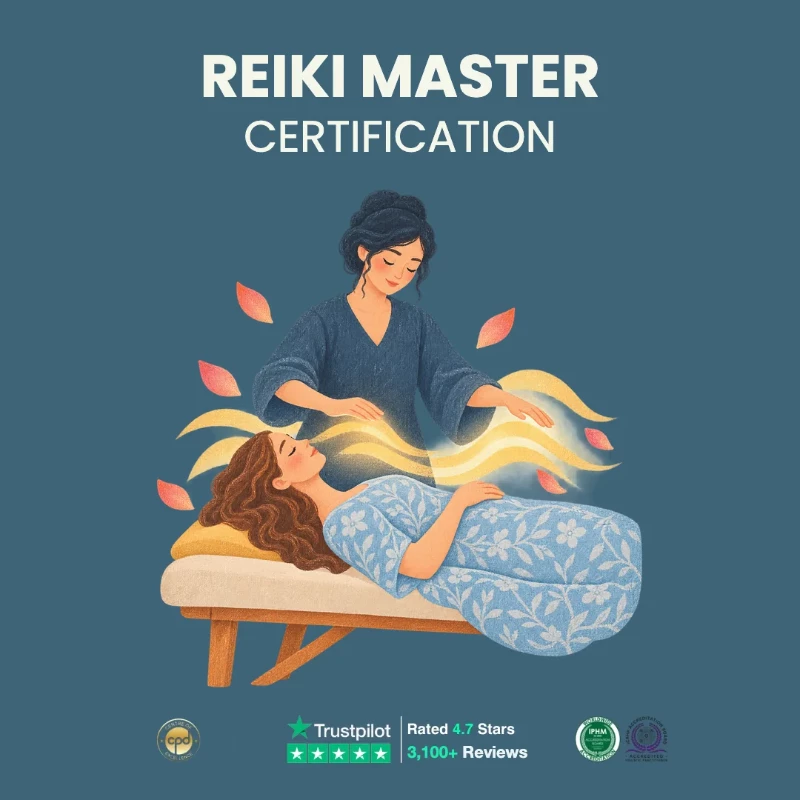
Advance with Reiki Master Certification
Build practicum-ready confidence and ethical session structure in the Reiki Master Certification course.
Explore Reiki Master Certification →