Most integration coaches prepare people for meaning. DMT’s speed exposes the gap in that plan. Orientation can unravel in seconds, the body surges, and someone who felt ready to explore may suddenly need simple, steady containment. In those first moments, explanation usually does less than presence. What helps most is to stabilize the person, the room, and the pace—then decide whether you can keep holding the process or need to widen support.
Key Takeaway: DMT support benefits from a simple, repeatable triage map: Orient–Ground–Refer. The foundation comes first: a well-prepared container, conservative choices, low stimulation, and a sober supporter. If intensity spikes, orient the person to place and time, ground through body and environment, and widen the circle of support when distress persists or daily functioning begins to fray. Once steadiness returns, integration works best as a gentle movement from description to values to small, lived action.
Upstream preparation: the best way to reduce crises
The best triage begins before anything starts. Thoughtful preparation can lower crisis risk and make support more effective if intensity spikes.
In traditional practice, the container is protection: preparation, boundaries, pacing, and skilled guidance. Those principles translate cleanly into modern settings too. A calm space, trusted company, and clear agreements reduce the odds that intensity turns into overwhelm.
Start with the environment. Quiet, familiar surroundings and trusted people support steadiness. With DMT, a sober supporter matters because the pace can outstrip someone’s ability to manage practical details.
Then make conservative choices. Keep variables low, avoid stacking, and avoid unnecessary combinations. Fewer moving parts gives you more room to respond well.
Set, setting, dose, and support
These are your first layer of triage, long before you ever need to orient or ground someone.
- Space: Dim lights, clear clutter, silence phones, and prepare a place to sit or lie down comfortably.
- People: One sober supporter whose only job is calm presence and practical safety.
- Dose: Conservative first session, with no pressure to intensify.
- Boundaries: Agree in advance on simple cues such as “Come closer,” “Please be quiet,” or a hand signal.
- Aftercare: Water, light food, warmth, rest, and no heavy obligations immediately afterward.
A short rehearsal helps: “If things spike, I’ll remind you where you are and stay close. If touch would help, we’ll agree on that now.” When intensity arrives, the plan is already familiar.
Step 1: Orient
When a difficult moment begins, start with orientation. Offer a map of right-now reality: where they are, who is with them, what their body is doing, and the reminder that the wave will change.
Use short, present-tense phrases. Then pause.
- You’re in your bedroom.
- I’m Maya, sitting on your left.
- Your breath is moving.
- You’re safe enough to let this pass.
This works because orientation gives the mind something stable to hold. In safety guidance, simple reassurance is consistently favored over analysis during peak intensity.
Keep your language ontologically neutral. You don’t need to decide what an image, presence, or encounter “really” was in the middle of intensity. Preserve the person’s meaning-making until they’re steady enough to reflect.
Use a simple rhythm: description first, interpretation later. That can sound like, “What did you notice?” rather than “What do you think it meant?”
Step 2: Ground
Once there’s some orientation, grounding helps the body catch up. The aim is straightforward: reduce input, increase comfort, and slow the pace.
Start with the room. Lower noise, soften light, and remove unnecessary stimulation. Safety guidance often recommends low sensory environments when intensity becomes hard to manage.
Then offer simple somatic cues:
- Feel the weight of the blanket on your legs.
- Let your exhale become a little longer.
- Notice one sound in the room.
- Press your feet into the floor or pillow.
A short sequence can help when words feel like too much:
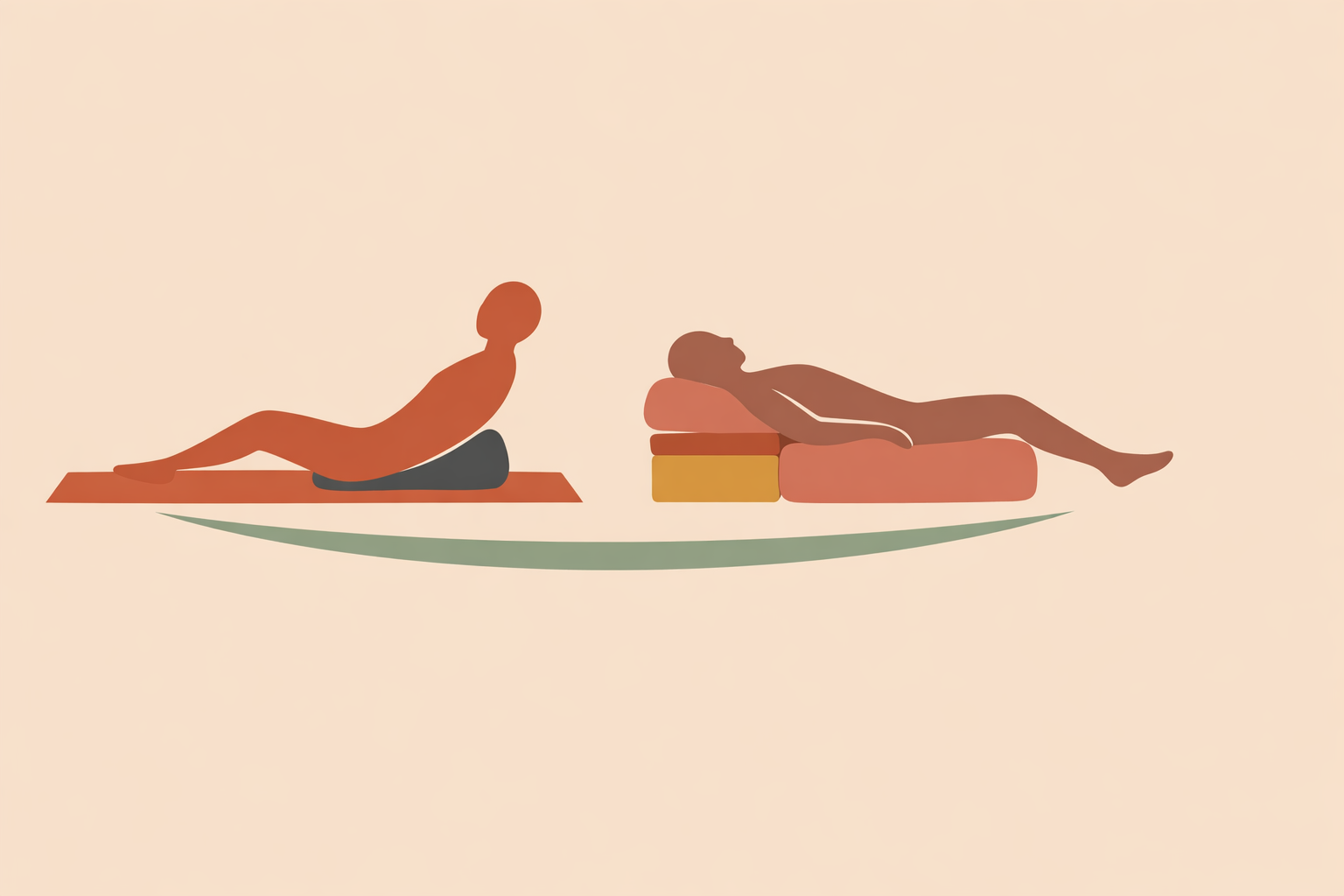
- Sit or recline with support behind the back.
- Slow the breath gently, without forcing it.
- Offer a sip of water if welcome.
- Keep the eyes soft, or dim the room further.
- Reduce talking to only what is necessary.
Sometimes the most helpful act is quiet, practical care. Move hot equipment out of reach. Turn off a buzzing fan. Face a bright lamp toward the wall. Then return to stillness and let your steadiness lead.
Once the person has settled, reflective work becomes useful because they can revisit the experience without being pulled back under, which is where psychedelic integration skills start to matter most.
Step 3: Refer
Some waves settle with orientation and grounding. Others don’t. The third step is knowing when to widen the circle of support.
This is where scope matters. If distress isn’t easing, or daily life begins to fray, move beyond coaching alone. A helpful question is: is the experience finding a place in their life, or is it pulling life apart?
- Orientation: Are they repeatedly losing track of place and time long after the experience?
- Sleep: Has sleep been heavily disrupted for several nights?
- Panic: Are waves of fear not settling with grounding?
- Daily life: Are work, relationships, or basic routines unraveling?
- Safety: Are they unable to care for themselves safely, or is there risk of harm?
When one or more of these are present, move toward a calm, specific handoff. Experienced practitioners commonly emphasize support strategies that include structured reflection, community support, and appropriately licensed care when experiences remain disruptive.
A warm handoff can sound like this: “I want to keep you supported while this settles. What you’re describing needs more support around it than coaching alone. Let’s identify the right next step together, and I can stay alongside the process as we put that in place.”
Clarity without alarm is the goal. Widening support is often the most ethical expression of good boundaries, especially in psychedelic integration coaching.
After the peak: integration at a human pace
Once someone is oriented, grounded, and outside a referral zone, integration can begin. The task is to translate what happened into a form daily life can actually hold.
Many practitioners treat integration as an active process, not a single conversation. It unfolds over time through reflection, embodiment, language, and small lived experiments.
A simple rhythm works well:
- Description: What happened?
- Values: What quality or truth felt most alive in it?
- Action: What is one small way to honor that this week?
For example:
- Description: “Everything dissolved, and I felt asked to trust.”
- Values: Trust, humility, surrender.
- Action: “For one week, I’ll create one quiet hour in the evening without my phone.”
Support this with gentle tools: journaling, voice notes, drawing, quiet walks, body-based check-ins, or consent-based community reflection. The point is contact with what was learned, so it can breathe in ordinary life.
Ending with a “one-degree turn” often helps. Ask what they’ll do, by when, and how they’ll know it mattered.
Bringing Orient–Ground–Refer into practice
Orient–Ground–Refer is a humane map for high-intensity states. Build the container upstream. When intensity spikes, name the room and the relationship. Reduce stimulation and help the body settle. If functioning starts to fray, widen support early and cleanly.
From there, return to integration with patience: description first, then values, then action. This protects the person’s sovereignty while giving the experience a realistic path into daily life.
Traditional wisdom has long taught that container and community are protections in themselves, themes that also run through spirituality and ritual. Modern harm-reduction language often reaches the same conclusion. Practice with humility, prepare carefully, stay steady, and let meaning emerge at a pace the person can truly live.
Master DMT Integration Coaching
Deepen Orient–Ground–Refer skills in the DMT Integration Coaching Certification.
Explore the Certification →