Respiratory complaints are often where beginners feel pressure to act fast. A parent messages about a child’s rattly cough at bedtime, a neighbor asks whether thyme tea can replace an inhaler, and a client wants help choosing from a crowded shelf. The urge to help is generous, and herbs can be wonderfully supportive when you keep the boundaries clear and choose the right form.
Key Takeaway: Thoughtful respiratory herbalism starts with scope. Everyday support may include throat comfort, helping settle coughs, and choosing forms that fit the person and the moment. Water-based infusions are often best for demulcent, throat-soothing herbs; liquid extracts offer concentrated, portable support; and syrups or lozenges help when longer throat contact is the goal. Serious breathing concerns and long-standing lung conditions call for extra caution and should never be approached as a DIY project.
Respiratory herbs: realistic expectations and clear red flags
Start by setting your scope. Respiratory herbs can offer everyday comfort by easing throat scratchiness, supporting more comfortable mucus movement, helping settle a disruptive cough, and encouraging steadier breathing patterns. They tend to shine most when paired with basics like rest, hydration, and warm nourishment.
They are not a substitute for urgent support when breathing becomes difficult, rapid, or unstable. If someone is breathless at rest, has blue or gray lips, chest pain, confusion, is coughing blood, shows signs of severe dehydration, or symptoms are worsening quickly, seek urgent support before thinking about teas, drops, or syrups.
For long-standing lung conditions, herbs may sit alongside an existing plan rather than replace it. Asthma flares, pneumonia, and complicated influenza are not appropriate DIY territory, even for confident beginners.
A practical, supportive response is straightforward: keep the existing plan in place, then add comfort where appropriate. If a neighbor asks, “Can I stop my inhaler if I take thyme and mullein?” a grounded answer is, “No—keep your plan in place. If you’d like, we can choose a tea that feels supportive for your throat while you continue with the guidance you already have.”
Choosing the right form: why preparation matters
The same herb behaves differently as a tea, tincture, glycerite, or syrup because plants hold many kinds of constituents at once. A single leaf may contain phenolic compounds, saponins, polysaccharides, volatile oils, iridoids, alkaloids, triterpenes, amino acids, lipids, and more. That complexity is part of what makes traditional herbal practice both effective and nuanced.
Extraction is the hinge. Polysaccharides and tannins generally do best in water-heavy preparations, while aromatic terpenes are often better carried in alcohol–water mixtures than in water alone. This is why marshmallow root often fits beautifully in cool or water-rich preparations, while aromatics like thyme often shine in a covered infusion or a balanced liquid extract.
So the question becomes: which herb, in which form, for this person right now? For scratchy, dry throats, demulcents like marshmallow are usually best matched to water-heavy preparations that carry mucilage. For heavy, stuck phlegm with a cold, sluggish feel, warming aromatics such as thyme are often chosen as covered infusions or balanced alcohol–water extracts.
This form-aware mindset is what turns herbal learning into real practice. You stop collecting recipes and start choosing preparations with intention.
Form 1: Infusions for everyday respiratory comfort
If you master one preparation, make it infusions. They are affordable, approachable, and especially useful when someone needs hydration alongside gentle throat support.
Start with the goal:
- For coating and calming: marshmallow root, mullein leaf, and linden.
- For opening and clarifying: thyme, peppermint, sage, and elderflower.
- For a balanced cup: pair a demulcent base with a smaller amount of aromatics.
For scratchy, dry throats, demulcents like marshmallow are well suited to water-heavy preparations that carry soothing mucilage. More broadly, water-based infusions are a natural match for soothing compounds that bring local comfort to the mouth and throat.
One workable approach is to cold-infuse 1 tablespoon of chopped marshmallow root in 300 ml of cool water for 4 to 6 hours, then strain. Separately, pour 300 ml of just-boiled water over 1 teaspoon dried thyme and 1 teaspoon mullein leaf, cover, steep for 10 minutes, then strain very well through a fine filter or cloth. Combine equal parts of the two liquids in a mug and sip warm through the evening.
This kind of blend suits people who want both moisture and a gentle aromatic lift: the marshmallow coats, while the thyme brings brightness and movement.
Keep a few practical notes in mind:
- Marshmallow root mucilage can reduce absorption of oral medicines, so it is wise to separate it from essential medicines by at least two hours.
- Mullein’s fine hairs can irritate the throat if the tea is not strained well.
- Peppermint can aggravate reflux in some people, so mint-heavy blends are not ideal for everyone.
If someone says, “My throat feels like sandpaper by bedtime,” this is often where a simple, well-made infusion does its best work.
Form 2: Liquid extracts and tinctures for compact support
When convenience matters, liquid extracts earn their place. They’re portable, easy to use in small servings, and they can carry constituents that don’t come through as fully in water alone. In essence, liquid extracts concentrate plant constituents into a compact form.
That convenience works best when you read labels carefully. Look for the plant name, plant part, extraction ratio, solvent system, alcohol percentage (if relevant), batch details, and serving guidance. A good label tells you what’s actually in the bottle.
Solvent choice matters here too. Alcohol–water extracts can carry both water-friendly and alcohol-friendly constituents, while glycerites can be a suitable option for people avoiding alcohol and for certain life stages. They usually extract differently than tinctures and often have a shorter shelf life.
For children and people with liver concerns, glycerites or teas are often a more comfortable fit than alcohol-containing extracts. This is about matching the form to the person in front of you.
A simple label-reading explanation might sound like this: “This extract is concentrated and alcohol-based. If that doesn’t suit you, we can look for an alcohol-free option or shift to a tea instead.” That kind of language keeps the conversation steady and supportive.
Form 3: Syrups, honey preparations, and lozenges for throat comfort
When discomfort is centered in the mouth and throat, choose forms that linger. Syrups, honey pastes, and lozenges help partly because their texture slows things down and keeps the herbs in contact with the throat.
Syrups and lozenges can be soothing because local protective effects are supported by a slower, more coating style of delivery. A syrup’s thicker texture can also create a coating sensation that pairs well with demulcents like marshmallow or slippery elm.
A basic syrup often starts with a water-based herbal preparation such as an infusion or light decoction, then adds honey, glycerin, or sugar syrup for body and preservation. For a soft, soothing household syrup, combine 500 ml of warm marshmallow–mullein infusion with 350 to 400 g of gently warmed honey. Stir until uniform, bottle in clean glass, label with contents and date, refrigerate, and use within a couple of weeks.
Honey deserves a special note. For short-term coughs in older children and adults, it may offer cough relief. It should never be given to infants under 12 months.
Lozenges can also be useful when slow release fits the moment, such as before teaching, singing, or speaking for long stretches. For young children, soft pectin lozenges or syrups are usually safer than hard, round lozenges from a choking-risk perspective.
Safety checkpoints across all forms
Before suggesting any infusion, extract, or syrup, pause for a brief safety screen. It keeps herbal support grounded, respectful, and within a responsible scope, much like a simple safety checklist.
- Age: no honey under 12 months, and avoid hard lozenges in small children.
- Pregnancy and breastfeeding: gentle teas are often the simplest starting point; use extra care with concentrated extracts and strong aromatics.
- Allergies and sensitivities: ask about reactions to mint-family plants such as thyme, peppermint, and sage.
- Digestive pattern: for reflux-prone people, peppermint may be aggravating.
- Medicines: avoid stacking multiple new extracts at once when someone has a complex regimen, and remember to separate marshmallow-rich preparations from essential medicines.
- Alcohol considerations: teas or glycerites are often better suited to children, those avoiding alcohol, and anyone for whom alcohol is not appropriate.
- Straining and texture: mullein should be strained well, and thick syrups should still be matched to the person’s age and comfort.
And keep the red flags close to hand: breathlessness at rest, blue or gray lips or face, chest pain, confusion, coughing blood, severe dehydration, or rapidly worsening symptoms all call for urgent support first.
Two simple scripts can help you stay within scope:
- “Let’s keep your regular plan in place, and I’ll suggest a simple preparation for throat comfort.”
- “Because your routine is already complex, let’s keep this gentle and add only one new herb form at a time.”
Closing perspective
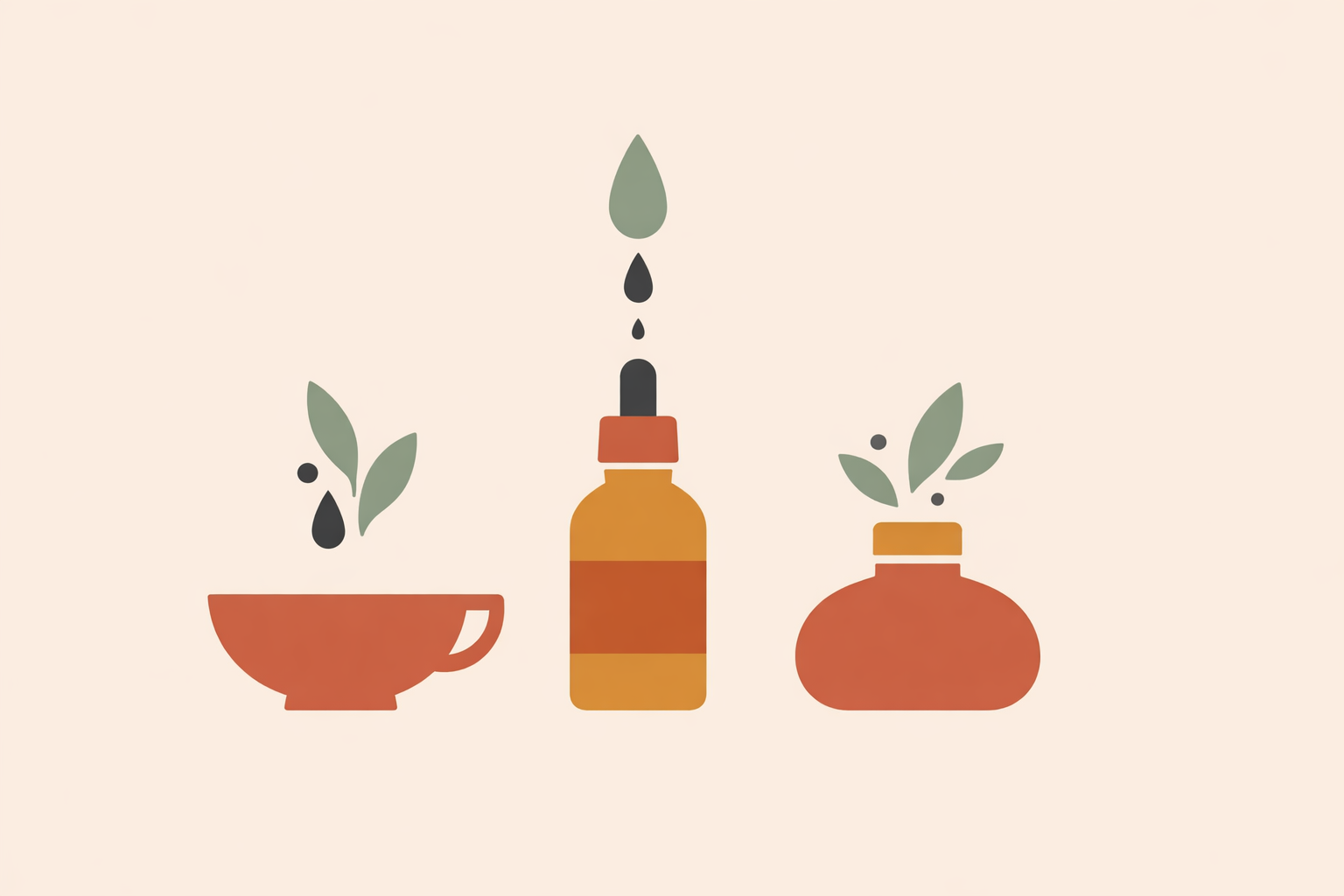
When you match the herb to the form, and the form to the person, respiratory herbalism becomes steadier and more effective. Infusions bring hydration and gentleness. Liquid extracts offer compact convenience. Syrups and lozenges provide longer throat contact when that’s what the moment calls for.
Across all three, the same principles hold: respect red flags, stay honest about scope, and let traditional knowledge guide your choices without exaggeration. A covered thyme infusion for movement, a marshmallow-rich blend for moisture, or a soft syrup for an overworked throat can all have a place when chosen with care.
Start small. Make one careful tea. Read one label fully. Prepare one safe syrup well. Skill grows through repetition, attention, and the quiet confidence that comes from keeping things simple and well matched, whether you are deepening your plant medicine foundation or pursuing a fuller herbalism certification.
Train in Respiratory Herbalism
Build safe, form-aware herbal skills in the Herbalism Certification Course.
Explore Herbalism Certification →