If you support women through midlife, you have probably heard some version of: “Will hormones make me feel young again?” or “Which patch should I ask for?” That is often where a grounded well-being conversation can drift beyond scope. Clients want clarity, the online world sells shortcuts, and personal history can make the whole topic feel loaded. What they usually need most is a practical plan for sleep, steadiness, strength, and day-to-day functioning.
Key Takeaway: Strong menopause coaching keeps hormone therapy in proportion: one possible form of support for comfort, sleep, and bone resilience within a wider whole-life plan. Your role is not to direct products or doses, but to help clients clarify priorities, prepare better prescriber questions, set realistic expectations, and build daily practices that make any plan more livable. Traditional practices, strength work, nourishment, and steady follow-up remain central throughout.
Keep Hormone Therapy in Proportion
Hormone support lands best when it is framed as targeted support rather than an anti-aging shortcut. For some women, it can ease hot flushes, improve vaginal comfort, and help prevent bone loss when it is a good fit. It can also reduce the likelihood of broken bones after menopause in appropriate cases.
Even when it helps, it never replaces the foundations: training, nourishment, rest, and community. Hormones can create breathing room; long-term vitality still comes from everyday rhythms.
This wider lens aligns naturally with traditional frameworks. In Ayurveda and East Asian traditions, midlife support often emphasizes warming foods, qi- or ojas-building herbs, self-massage, and community rituals that nourish lubrication, steadiness, and resilience as part of women's health coaching. These are practical supports that shape how a woman actually feels in her body.
A balanced plan might pair support for night sweats with two weekly strength sessions, adequate daily protein, regular self-massage, and one grounding community practice each week. That keeps hormone support in context rather than at the center.
Stay in Coaching Mode
Your role is to support reflection, clarity, and follow-through. Help clients sort priorities, name concerns, and prepare thoughtful questions. Avoid recommending specific products, doses, brands, or routes for any individual.
That boundary is what makes your support trustworthy. Menopause guidance emphasizes individualized decisions, because timing, symptom pattern, history, route, and preferences all shape what’s appropriate. Coaching fits beautifully here: the client arrives to their consult better prepared and more self-aware.
Useful coaching questions include:
- Which symptoms most disrupt daily life?
- What would make this option feel worthwhile?
- What concerns feel hardest to ignore?
- What kind of routine feels realistic to maintain?
A steady script helps: “I am not here to choose a hormone plan for you. I am here to help you clarify what matters, prepare for the conversation, and support the daily practices that make your plan work in real life.”
Understand the Main Decision Variables
Clients can feel overwhelmed by names, formats, and conflicting advice. Your job is to make the landscape easier to navigate so they can ask better questions.
Timing is a major variable. Hormone support is often discussed most favorably within the early post-menopause window of opportunity, especially for women under 60 or within 10 years of their last period.
Uterus status also changes the conversation. If the uterus is present, support is commonly structured to protect the uterine lining. If not, options and trade-offs may be discussed differently.
Route matters as well. Compared with oral forms, transdermal options may carry lower clot risk for some women, which is one reason patches or gels often come up when vascular concerns are part of the picture.
When concerns are mainly local—dryness, urinary changes, discomfort with intimacy—conversations may focus on genitourinary symptoms rather than whole-body options.
Breast-health questions deserve unhurried space too. Encourage clients to ask how regimen type, duration, and personal history shape their choices.
- Useful consult-prep questions include:
- “My main priorities are night sweats and dryness. Which options best match that pattern?”
- “How does my uterus status affect the choices we discuss?”
- “Would a transdermal option make more sense in my situation?”
- “If my symptoms are mostly local, should we start there?”
- “What follow-up schedule do you want in the first year?”
Set Realistic Expectations
Clear expectations protect trust. Many women notice meaningful relief in hot flushes and night sweats, and hormone support can improve menopause-related quality of life when these symptoms are driving exhaustion and daytime strain.
Sleep quality often improves as vasomotor symptoms settle. In real life, noticeable changes in sleep and irritability commonly build over several weeks rather than arriving overnight.
Other shifts can be less predictable. Mental clarity, emotional steadiness, and energy often rise as sleep stabilizes, but they do not always move at the same pace. This is where coaching shines: you help clients recognize steady gains without waiting for a dramatic transformation.
Some women also report less joint discomfort once things settle, though that experience varies.
A simple 8-week tracker can keep things grounded:
- Hot flushes or night sweats: 0–10, three times weekly
- Sleep continuity: nightly
- Energy on waking: 0–10, a few mornings weekly
- Comfort with intimacy: weekly
- Short notes: what helped, what changed, what to raise at review
Build the Wider Midlife Support Plan
The wider plan still does the heavy lifting. Hormone support may create more capacity, but movement, nourishment, rest, and rhythm are what help women feel more robust over time.
Midlife often brings faster shifts in body composition and bone resilience. The SWAN cohort highlights that lean mass declines and bone loss can accelerate during the menopause transition. This is why progressive resistance and weight-bearing work matter whether a woman uses hormones or not.
Progressive resistance training can improve muscle strength and support bone health, making it one of the most reliable anchors of a midlife support plan.
Food supports that foundation. Adequate protein, vitamin D, calcium-rich meals, and consistent meal rhythms often make a visible difference in steadiness and recovery. Traditional practices add depth here too: mineral-rich broths, seaweeds, sesame, ghee, bitters, qigong, yoga, and warm communal rituals are time-tested supports many women find deeply regulating.
There is also a practical synergy worth naming. When night sweats ease and sleep improves, clients often find it easier to train consistently, cook proper meals, and reconnect socially. That is when the whole plan starts working with less friction.
- A simple weekly structure might include:
- Two strength sessions
- One or two brisk walks or hill sessions
- One gentler movement session such as yoga or qigong
- Daily protein focus and calcium-rich foods
- Evening wind-down rituals and regular morning light
- One nourishing social ritual each week
Know When to Encourage Specialist Input
Most midlife conversations can be supported calmly. A few situations deserve clearer encouragement toward specialist guidance.
Early menopause is one of them. Menopause before 40, or sometimes unusually early in the 40s, is linked to higher longer-term risks across multiple areas of well-being. Current reviews highlight broader concerns associated with early menopause, which is why these clients usually need more individualized conversations.
Later initiation is another. Starting after age 60, or long after the final period, tends to call for a more careful weighing of trade-offs.
Vascular history matters too. Lower-dose and transdermal approaches may offer a more favorable risk profile than standard oral approaches for some women, especially when clotting or stroke concerns are relevant.
If progesterone is part of the plan, regimen details can matter as well. Some evidence suggests transdermal estrogen paired with micronized progesterone may have a more favorable VTE profile than certain other combinations.
These are not moments to become directive. They are moments to become especially clear: help the client gather their history, prepare their questions, and seek more specialized support where needed.
- Useful situations for stronger referral encouragement include:
- Menopause before 40 or unusually early in the 40s
- Personal history of hormone-sensitive cancer
- Previous clot, stroke, or strong family vascular history
- Migraine with aura
- Smoking with added vascular concerns
- Considering initiation well after menopause
Handle “Bioidentical” Marketing With Care
Many women are drawn to language like “natural,” “bioidentical,” or “customized.” It usually reflects a desire for something gentler, cleaner, or more aligned with their values, and that desire deserves respect.
Your coaching contribution is to bring the conversation back to clarity: consistency, regulation, and monitoring. Is the product standardized? Is the dose consistent? What follow-up is planned? How will the client recognize whether it is helping?
It is also reasonable to help clients ask how route and progesterone type shape their overall picture. Breast-health signals may differ between micronized progesterone and some synthetic progestins, but the most helpful stance is still individualized discussion rather than blanket claims.
- Helpful questions clients can bring to a consult:
- “Is this regulated and dose-consistent, or compounded?”
- “How does this route affect the overall fit for someone with my history?”
- “If progesterone is needed, how do the options differ?”
- “What monitoring plan do you want in the first year?”
- “What are the regulated alternatives?”
Support Continuity, Reassessment, and Transition
Menopause support is rarely a one-time decision. It is an ongoing process of reassessment, daily practice, and adjustment.
Encourage clients to expect follow-up, track what is actually changing, and revisit the plan over time rather than treating it as fixed. If support is paused later, some symptoms can return, and a thoughtful tapering plan paired with strong lifestyle support often makes that transition smoother.
Whether a client uses hormones for a period of time or chooses not to use them, the nonhormonal toolkit remains central: consistent sleep habits, stress regulation, movement, nourishing food, social connection, and realistic pacing.
To close, keep the coaching frame steady. Keep hormone therapy in proportion. Help clients clarify what matters and prepare for high-quality conversations with prescribers. Stay rooted in traditional and everyday practices that build resilience over time. Encourage specialist input when history or timing raises the stakes. As always, support should honor women’s lived experience while keeping expectations realistic and safety questions for the right professional setting.
Advance Women’s Midlife Coaching
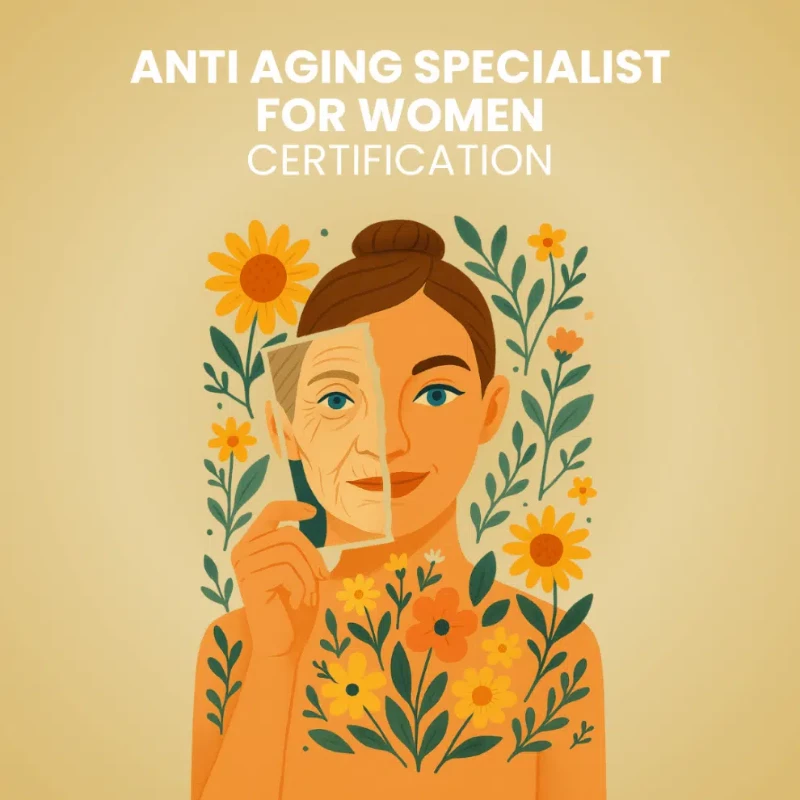
Deepen your framework with the Anti-Aging Specialist for Women Certification to support realistic, whole-life midlife plans.
Explore Anti-Aging Specialist →