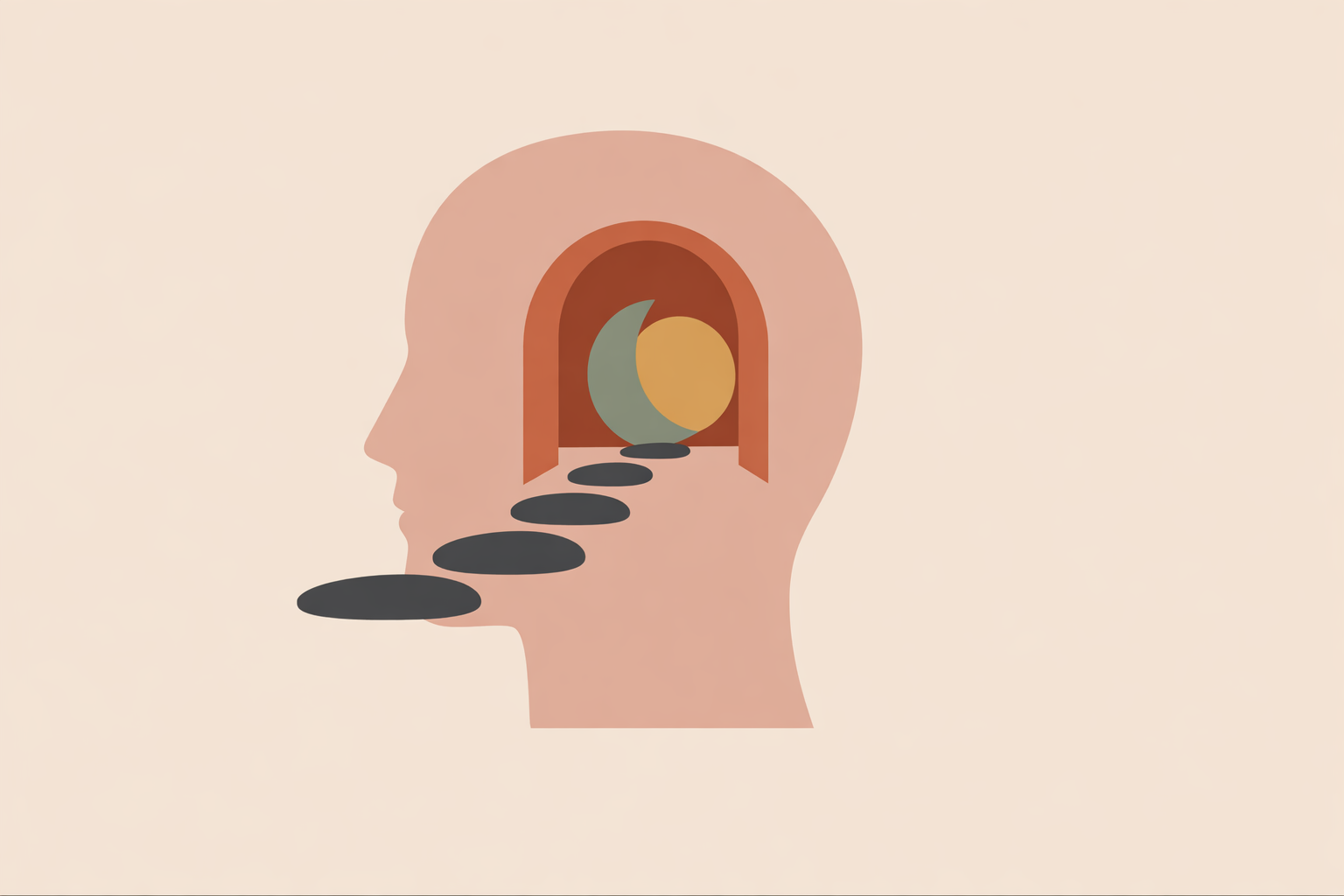
Coaches learn to ask sharper questions, reflect patterns, and set practical experiments. Still, some clients can describe the model perfectly and yet fall back into late-night scrolling, stress snacking, or freezing before a presentation. In those moments, more insight rarely changes the loop because the real bottleneck is follow-through under pressure, when old cues and body states move faster than conscious intention.
Hypnosis offers a grounded way to work with those deeper layers of patterning. Within a coaching scope, it’s a guided state of focused, relaxed absorption that uses imagery, suggestion, and rehearsal to support change. It is not mind control, and it does not replace other forms of support. It gives you another pathway into habit, emotion, and self-perception when conversation has done all it can.
Key Takeaway: Hypnosis can be a useful coaching tool for working with habits, stress, sleep, confidence, and limiting beliefs because it helps clients access focused states where suggestions and imagery land more deeply. In practice, sessions often follow a clear arc: preparation, induction, deepening, suggestion, future rehearsal, and return to ordinary awareness. Used ethically, it can strengthen coaching outcomes while staying firmly within scope.
What hypnosis actually is
Hypnosis is an intentional use of everyday trance. Most people already know the feeling: getting absorbed in a film, drifting along a familiar road, or losing track of time in prayer, music, or reflection.
In coaching-style hypnosis, that natural capacity is used on purpose. The client remains aware, can respond, and can decline anything that doesn’t feel right. Choice stays intact.
What changes is the quality of attention. As vigilance softens, learned patterns, emotional associations, and identity cues become easier to work with directly. That’s why a well-chosen image can shift breath, posture, or confidence faster than a long explanation.
Common trance experiences include time distortion, vivid imagery, and emotional release. They’re not the goal; they’re signposts that the client has become more absorbed.
For most coaching work, light to medium trance is enough: relaxed and inwardly focused, while still able to speak, move, or open the eyes at any time.
How hypnosis works in a coaching session
Many sessions follow a familiar rhythm: prepare, induce focus, deepen, offer suggestions, rehearse the future, then return to everyday awareness.
1. Preparation
Coach and client agree on one clear outcome, such as steadier sleep, calmer nerves before speaking, or shifting an evening habit. Consent and expectations are clarified, and the client is told what the process will feel like.
2. Induction
The induction narrows attention and helps the body settle. Common approaches include breath focus, progressive muscle release, eye fixation, and count-downs.
3. Deepening
Once the client is settling, the state is deepened with sensory detail: heaviness in the limbs, softness in the jaw, warmth in the chest, or the rhythm of breathing.
4. Suggestion and reframe
Suggestions are built from the client’s values and words, so they feel personal rather than imposed. Imagery is central. In hypnosis, vivid imagery often becomes easier to access, which supports rehearsal of a preferred response and a more supportive self-story.
5. Future pacing
The client then mentally rehearses a specific upcoming moment while embodying the new response. This mental rehearsal helps the desired behaviour feel recognizable when the situation arrives.
6. Return and integration
The client is guided back to ordinary awareness, and a short between-session practice keeps the change “warm” in daily life.
In many settings, sessions follow a recognizable session structure of preparation, induction, deepening, suggestion, and emergence, which makes hypnosis easy to integrate into coaching.
- Align on one clear outcome.
- Explain the process and confirm consent.
- Use a simple induction.
- Deepen with sensory language.
- Offer tailored suggestion and imagery.
- Rehearse an upcoming real-life moment.
- Return gently and assign a short home practice.
Useful induction methods for coaches
The best induction is often the one a client can repeat easily. In coaching, simple methods tend to be more practical because they translate well into between-session practice.
- Breath focus: steady breathing gives attention one clear anchor.
- Progressive release: moving through the body helps let go of excess tension.
- Eye fixation: a fixed point can narrow attention quickly.
- Counting down: a countdown creates a felt sense of going deeper.
- Eyes-open focus: useful for clients who prefer not to close their eyes.
Comfort matters more than a perfect script. Some clients relax with direct structure; others respond better to story, symbolism, or gentle invitation.
This is also where cultural respect becomes a practical skill. Client-led imagery is stronger than borrowed symbolism that doesn’t belong to the person in front of you.
What hypnosis can support within coaching scope
Hypnosis tends to shine when behaviour, emotion, and meaning are tightly linked, which is why it fits many everyday coaching goals.
Stress regulation
Focused trance work helps clients interrupt over-activation and build a reliable cue for settling. In practice, that might be a brief induction paired with a word, image, or body sensation they can return to during the day.
Sleep support
Sleep is a strong match for hypnosis. Several studies report improved sleep, especially when suggestions are tailored to the person’s evening routine and common wake-ups.
Performance confidence
Hypnosis supports confidence before speaking, performing, interviewing, or leading. This draws on an old, time-tested principle of inner training: rehearse the moment, feel the body respond well, and make steadiness familiar ahead of time.
Habits and routines
When a client wants a routine to become automatic, hypnosis can help the new behaviour feel internally congruent. Many clients change more smoothly when the habit feels like “who I am” rather than “what I should do.”
Limiting beliefs
Beliefs often shift faster when they’re experienced, not just discussed. Trance gives space to imagine a different identity with real emotional weight, so the new self-concept feels like a lived option.
Overall, hypnosis can support stress regulation, steadier sleep, performance confidence, habit installation, and loosening limiting beliefs, especially where emotional tone drives repeated behaviour.
What progress often looks like
How quickly clients notice change depends on the goal, the person, and how established the pattern is.
For common goals like confidence, sleep routines, and stress support, many practitioners plan a short series rather than a one-off session. A widely used guideline is 4–8 sessions for steadier change.
Some sleep-focused findings suggest benefits can show up in fewer sessions, while deeper identity or long-running habits usually benefit from repetition and integration.
Between sessions, self-hypnosis helps consolidate gains. Many coaches use a brief audio or script lasting 5–10 minutes, keeping the practice realistic for everyday life.
Progress often looks gradual: fewer “automatic” moments, quicker recovery after stress, and a growing sense that the new response is becoming normal.
What clients may experience after a session
Most people finish feeling settled, lighter, or mentally clearer. That gentle reset is part of why hypnosis is so appealing in coaching settings.
Clients commonly describe more spaciousness afterward, along with easier access to calming imagery and clearer choice points during the week. A situation that usually feels charged can start to feel more manageable.
In day-to-day coaching use, the shift is often subtle and practical: more ease, more clarity, and a little more distance from the old automatic pattern.
Keeping hypnosis ethical and client-centered
Hypnosis works best with care, clarity, and strong boundaries. Used well, it’s gentle and effective because it’s built on consent and respect for autonomy.
Before starting, clients should understand what hypnosis is, what it may support, and what it is not intended to do. They should also know they remain in charge throughout and can pause or stop at any time.
Client-centered practice means adapting to the person in front of you. Some prefer eyes-open work. Some want straightforward language, while others connect through symbol or story. The coach’s job is to follow the client’s pace and preferences.
Cultural respect is part of that. Hypnotic language lands best when it reflects the client’s real life, values, and references, and it loses power when it borrows sacred or unfamiliar symbolism without context or permission.
Competence matters too. Coaches using hypnosis need to know their edges, keep developing their skills through hypnotherapy and NLP, and pause when something sits outside their remit.
- Explain the process in clear language.
- Confirm consent before starting.
- Keep the client in control at all times.
- Use imagery and language that fit the person’s culture and values.
- Stay within coaching scope.
- Keep learning, reflecting, and refining your practice.
Where coaching hypnosis stops
Coaching hypnosis fits ordinary life goals: habits, confidence, stress support, sleep routines, focus, and personal growth. Some situations require a different level or type of support.
If someone is experiencing severe distress, unstable reality contact, complex trauma with strong dissociation, active suicidal thinking, or substance dependence, the right move is to pause hypnosis work and help them connect with appropriate support.
That boundary protects everyone. It keeps clients from receiving support that isn’t suited to their needs, and it keeps practitioners from drifting beyond competence.
A coach can still offer non-hypnotic support around routines, accountability, and everyday wellbeing, while encouraging specialist support when needed.
- Active suicidality
- Psychotic experiences or unstable reality testing
- Complex trauma with severe dissociation
- Substance dependence or withdrawal risk
- Ongoing violence or unsafe living conditions
- Requests to use hypnosis as a replacement for other necessary support
Bringing hypnosis into practice with integrity
At its best, hypnosis is quiet work. It helps clients access a focused state where new choices feel more natural and easier to repeat.
For coaches, that can translate into steadier sleep, calmer performance, stronger habits, and a more flexible inner narrative, while keeping the relational depth that good coaching already relies on.
Use it with consent, cultural respect, and clear scope, and keep your boundaries firm when another kind of support is needed. Done that way, hypnosis becomes a practical, client-centered method for helping people move forward with more ease and self-trust, and a solid foundation for professional hypnotherapy certification.
Train in Professional Hypnotherapy
Build ethical, effective hypnosis skills with the Professional Hypnotherapy Certification to support clients’ habits, stress, and confidence.
Explore Professional Hypnotherapy →