Most mushroom conversations start with a species name and quickly slide into products, extracts, and milligrams. That can sound practical, yet it often skips what makes guidance genuinely useful: how mushrooms first entered someone’s life, what they associate with them, and what they’re truly hoping to support.
When you begin with history instead of products, the whole intake becomes clearer. A story about a grandmother’s broth, a wellness trend, a forest walk, or a sacred tradition points to very different values, expectations, and boundaries. From there, it’s much easier to shape a plan that fits the person rather than the hype.
Key Takeaway: A strong mushroom intake starts with story, lineage, and intention before form or dosing. By asking how mushrooms first became meaningful to someone, you can clarify expectations, respect cultural and ecological context, and choose routines that are simpler, steadier, and more appropriate to your scope.
Why Mushroom History Makes Intake Work Better
History turns a product chat into a human conversation. When someone shares how they came to mushrooms—through food, family, wellness culture, or sacred storytelling—you learn what matters to them, what feels off-limits, and what kind of support will feel aligned in real life.
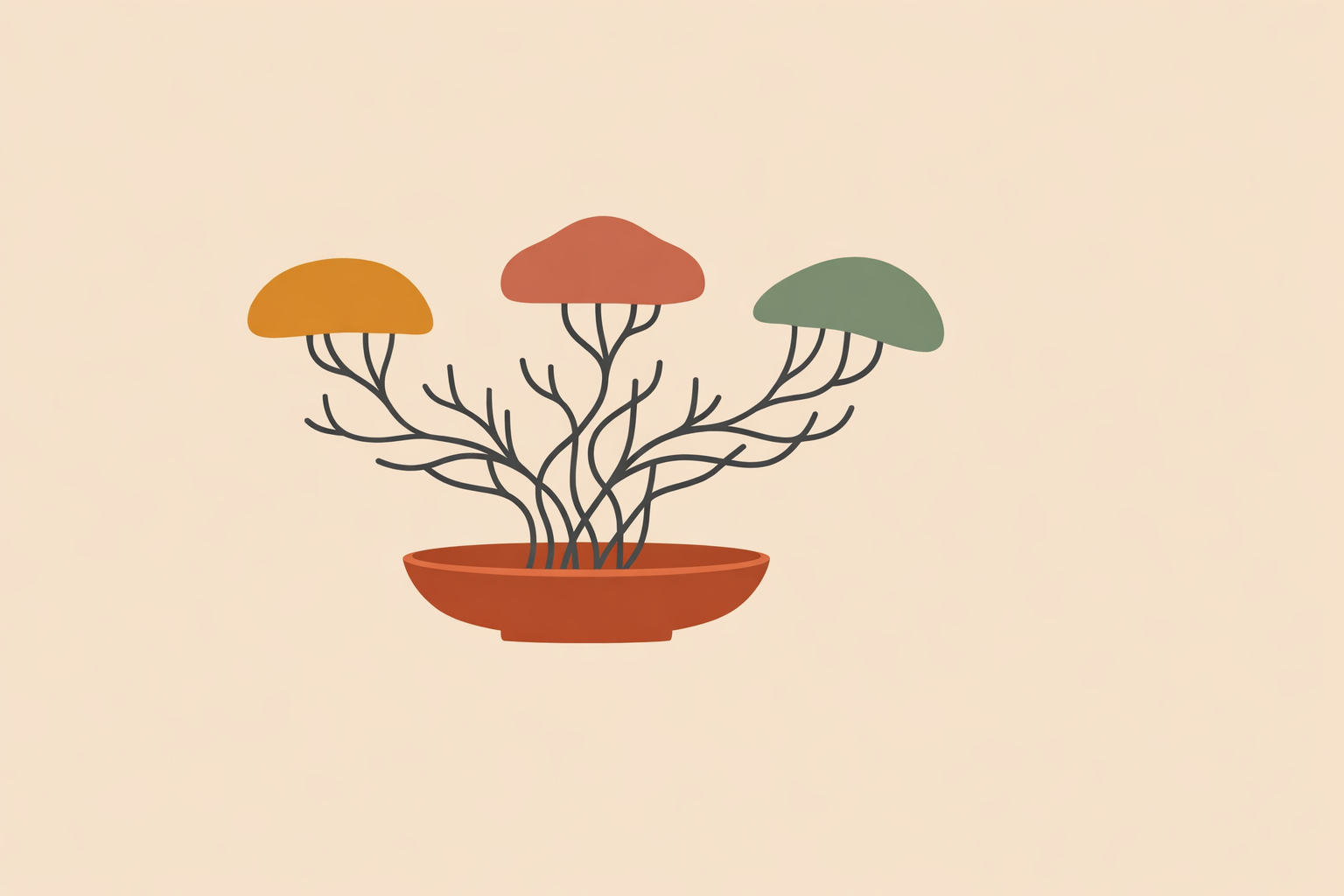
Fungi offer a helpful frame. They’re a distinct kingdom, and the visible mushroom is often just the fruiting body of a larger mycelial network. Intake works the same way: the named mushroom is only the “surface,” while the person’s relationship to it is the deeper network worth understanding.
When someone says, “I’m into mushrooms,” they might mean cooking shiitake, taking lion’s mane before work, or feeling drawn to ceremony. Those are very different paths. Naming the path brings immediate clarity.
A Simple Story-Led Mushroom Intake
A useful intake can start with one gentle question: how did this mushroom find you?
That single question often relaxes the conversation. It separates borrowed enthusiasm from lived intention, and it gives you a clean starting point before you ever discuss brands or routines.
- Origin: Where did you first encounter this mushroom?
- Lineage: Was that first influence culinary, familial, commercial, cultural, ecological, scientific, or spiritual?
- Intention: What are you hoping to support now?
- Form: Do you imagine this as food, tea, powder, extract, or something non-ingestive?
- Rhythm: Does it fit better in the morning, afternoon, or evening?
- Boundaries: Are you only interested in non-psychoactive mushrooms, or is part of the curiosity about altered states?
This prevents common mix-ups. Someone drawn in through kitchen ritual often wants nourishment and steadiness, while someone influenced by social media may be seeking rapid performance shifts. Those require different coaching conversations.
It also keeps plans realistic. When history and context come first, expectations tend to be steadier and routines easier to sustain, which also suits broader plant medicine practice.
Read Lineages, Not Just Labels
Once the story is clear, it helps to read the mushroom through four lineages: ecological, cultural, scientific, and personal. This keeps your guidance broad enough to be ethical and specific enough to be useful.
- Ecological lineage: Where does this mushroom grow, and what relationships shape it in nature?
- Cultural lineage: Which communities have longstanding relationships with it, and how can that be acknowledged respectfully?
- Scientific lineage: Which compounds, preparations, and research questions are most often discussed?
- Personal lineage: What memories, preferences, values, and hopes does the client bring?
Ecology matters because mushrooms don’t exist apart from place. Fungi are vital ecosystem partners, and that lens naturally encourages patience, reciprocity, and better sourcing choices.
Cultural literacy matters just as much. Broad labels like “Asian tradition” or “Indigenous wisdom” can flatten living, diverse lineages. Strong practice names roots carefully, avoids copying sacred forms, and stays alert to appropriation.
Scientific language can support the conversation without taking it over. A label can sound impressive, but it still needs translating into practical questions about what part of the organism is used, how it’s prepared, and whether it suits the person in front of you.
Five Common Mushrooms Through a History-Informed Lens
These familiar mushrooms show how lineage can guide form, rhythm, and expectations—without turning intake into a list of promises.
Reishi
Reishi is often linked with reflection, evening rhythm, and long-view vitality in East Asian traditions. Its fruiting body is tough and bitter, so it typically fits slow tea or decoction better than casual cooking.
Preparation shapes the conversation, too. Water extraction tends to emphasize polysaccharides such as β-glucans, while alcohol extraction pulls more triterpenes. The point is matching preparation to intention, not chasing a “best” form.
A grounded intake question: does this person actually want a slow, bitter evening ritual? If not, even the most beautiful association won’t translate into consistency.
Lion’s Mane
Lion’s mane sits comfortably in both culinary and wellness contexts. Product conversations often spotlight hericenones and erinacines, alongside interest in neuroplasticity.
For intake, a more useful focus is daily life: are they aiming to support focused mornings, a study rhythm, creative steadiness, or a calmer routine? That answer guides timing and format far better than a trendy nickname.
Cordyceps
Cordyceps conversations often revolve around energy, training, and pacing. Today, many products use cultivated Cordyceps militaris rather than wild Ophiocordyceps sinensis.
That difference matters because people may carry an older story while purchasing a modern cultivated product. Naming it upfront keeps expectations honest and supports transparent sourcing.
Turkey Tail
Turkey tail fits naturally into hot-water traditions, broths, and steady kitchen use. In modern product language, people may also come across compounds such as PSK.
The practical intake question is simple: does a daily broth, tea, or soup ritual truly belong in their week? If yes, turkey tail can be one of the easiest mushrooms to integrate.
Chaga
Chaga often evokes northern forests, dark decoctions, and a slower style of engagement. It also brings sourcing to the forefront, since wild harvesting pressure and concern for host-tree health make cultivated or traceable chaga a more responsible choice where possible.
Intake works best when you clarify the real draw: flavor, seasonal ritual, forest symbolism, or a specific wellness hope. Once that’s named, the plan usually simplifies.
When the Conversation Turns Psychedelic
If the story shifts toward psilocybin or altered states, the intake needs firmer language, clearer boundaries, and greater cultural care.
Psilocybin mushrooms belong to sacred and ceremonial histories that long predate current wellness trends. Documented human use stretches back roughly 3000 years, and those traditions deserve respect rather than casual borrowing.
- Name the lineage without copying it.
- Be explicit about your scope and what you do not offer.
- Encourage people to verify local legal status for themselves.
- Keep consent specific, ongoing, and easy to withdraw.
Consent here should be practical. People need to know they can pause, decline, opt out of touch, keep stories private, and choose what’s shared beyond the session. Ethical guidance also emphasizes clear, reversible consent around touch, disclosure, imagery, and storytelling.
More broadly, trauma-aware facilitation centers choice over intensity. Guidance on trauma-informed practice emphasizes choice and control, a useful principle even in non-psychoactive mushroom work.
Bringing Together Tradition, Research, and Product Literacy
A steady way to stay balanced is to hold three threads together: traditional association, current research interest, and personal intention.
- Traditional association: What has this mushroom been linked with in longstanding use?
- Research interest: Which compounds or pathways are people currently discussing?
- Personal intention: What does this person want their week to feel like?
This keeps the conversation grounded. For example, lion’s mane may be discussed in relation to gut-brain axis research, yet day-to-day success still comes down to timing, consistency, preparation, and whether the routine fits the person.
Product literacy adds a final layer of clarity, and it’s central to both medicinal mushrooms certification training and practical client guidance:
- What is the full Latin name?
- Is it fruiting body, mycelium, or mycelium-on-grain?
- Is it a powder, hot-water extract, alcohol extract, or dual extract?
- Are key constituents disclosed clearly?
- Is there transparent testing for contaminants or heavy metals?
Clear label reading prevents overcomplication. A product can look sophisticated and still clash with someone’s preferences, budget, rhythm, or intention.
Tracking, Integration, and Non-Ingestive Mushroom Practice
Once a plan is chosen, the next step is usually simple tracking and kind pacing. A little reflection helps you notice what’s truly shifting over time.
Tracking can stay light:
- What was used or prepared?
- When and in what context?
- How did it taste or feel?
- What words describe mood, focus, or energy that day?
- What else may have influenced the experience?
The aim is a clear record, without assuming every change came from one mushroom.
Non-ingestive paths also deserve real respect. For some people, mushroom work looks like cooking familiar species, walking in fungal habitats, photographing mushrooms, drawing them, or deepening ecological awareness. Those practices can stand on their own, especially within wider herbalism and plant medicine learning.
Where strong experiences have happened, integration means bringing insight back into ordinary life through rest, writing, movement, creativity, routine changes, or values-based decisions. Context matters as much as compounds; researchers note the importance of broader psychological and social processes in shaping outcomes.
Conclusion: Let the Story Lead
When you ask what story brought someone to mushrooms, the work becomes clearer. You can see the lineages involved, the expectations taking shape, and the boundaries that deserve care. From there, product choice becomes one part of a wider, more respectful process.
This approach also supports clean scope. Mushrooms may be familiar, trendy, or traditional, but not every form fits every person or context. Gentle questions about sensitivities, current circumstances, other substances being used, and previous reactions help keep guidance responsible and well-paced.
The most useful intake is rarely the most technical. It connects species, preparation, rhythm, and meaning in a way the person can actually live with—consistently, respectfully, and with steady momentum.
Study Medicinal Mushrooms Foundations
Apply story-led intake with practical preparation literacy in the Foundations of Medicinal Mushrooms Certification.
Explore Foundations of Medicinal Mushrooms →